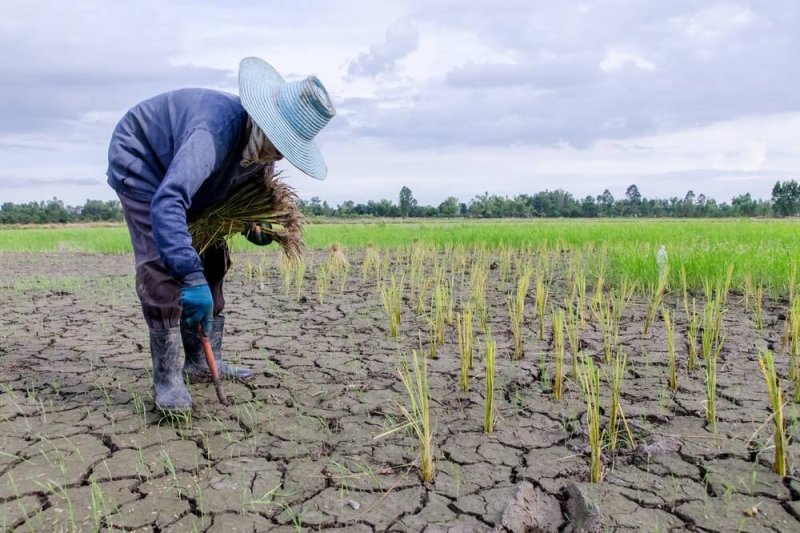

Proposals to combat climate change by reflecting the sun’s rays back into space would cause widespread crop failure, cancelling out any benefits to farming from the reduction in warming, according to new research.
By examining the effects of volcanic eruptions on agriculture – which has a similar effect to proposed artificial methods of scattering solar radiation through aerosols – scientists have concluded that such methods could have unintended consequences.
“[The research was to] find a way to examine the side effects of geoengineering without experimenting on the climate,” said Jonathan Proctor of University of California, Berkeley, lead author of the paper published in the peer review journal Nature. “[We found] potential adverse effect on agricultural production.”
…
The findings deal another blow to proposals to use geoengineering to reduce or delay global warming, which some scientists think may be necessary to stave off the worst effects of rising greenhouse gas emissions.



…
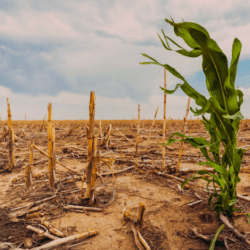
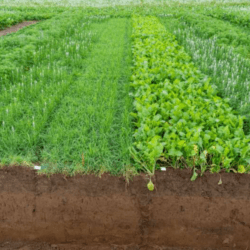
In the study …. deflection of sunlight had a negative effect on the yields of many staple crops, including rice, wheat and maize. They concluded that the impacts on crops of sending particles deliberately into the stratosphere would probably be similar, and that the beneficial effects on crop yields from the resulting cooling would be “essentially negated” by the loss in crops ….
Read full, original article: Reflecting sun’s rays would cause crops to fail, scientists warn