
Viewpoint: IARC’s defenders ignore cancer agency’s flawed research, conflicts of interest

IARC

I woke up …. to find an article by Neil Pearce, a professor at the London School of Hygiene and Tropical Medicine, entitled “Independent, rigorous, vilified – why attacks on the International Agency for Research on Cancer are unfair.”

The IARC Working Group which reviewed [the herbicide] glyphosate distorted the findings of animal studies, ignoring the consistent absence of increased tumors in rats and mice exposed to increasing does of the chemical …. IARC has [also] ignored rigorous re-analyses of the animal data exposing these improprieties.

…. Pearce – conveniently – ignores the fact that IARC’s assessment of glyphosate stands in sharp contrast to the judgment of virtually every other health and regulatory agency. These have found glyphosate to be safe …. To have pointed out this glaring disagreement with other international and national agencies might have undermined Pearce’s desire to attribute any criticism of IARC to pro-industry vested interests.
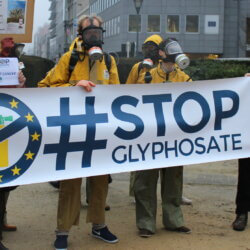
[A] key figure in the Agency’s glyphosate assessment has his own glaring conflict-of-interest. In 2014 an American scientist Chris Portier initially proposed that the Agency review glyphosate. He then participated on the glyphosate panel as an outside expert. Then, within weeks of the publication of IARC’s glyphosate judgment in March, 2015, Portier became a litigation consultant for two law firms that were bringing lawsuits against Monsanto ….

Read full, original article: With Defenders Like These, The International Agency for Research on Cancer Hardly Needs Enemies

Related Articles

Infographic: Global regulatory and health research agencies on whether glyphosate causes cancer

Infographic: Global regulatory and health research agencies on whether glyphosate causes cancer

Does glyphosate—the world's most heavily-used herbicide—pose serious harm to humans? Is it carcinogenic? Those issues are of both legal and ...

Most Popular

ChatGPT-Image-Mar-10-2026-01_39_01-PM
Viewpoint—“Miracle molecule” debunked: Why acemannan supplements don’t work
ChatGPT-Image-Sep-17-2026-12_28_43-PM
Vitamin D, omega-3 fish oil and glucosamine supplements could cause brain damage 
ChatGPT-Image-Aug-28-2026-03_33_46-PM
Viewpoint: Bad science—Five bogus Trump administration claims about vaccines and autism
Screenshot-2026-08-19-at-6.19.42-PM
Facts & Fallacies podcast: 'Regenerative farming'? RFK Jr.’s federal push romanticizes the past and risks food security
Screenshot-2026-08-12-at-11.31.46-AM
AI is helping develop new vaccines
Screenshot-2026-09-10-at-12.20.19-PM
'Jet fuel didn't melt the steel': 9/11 conspiracy theories debunked
ChatGPT-Image-Sep-17-2026-10_17_15-AM
Viewpoint: Why are the less intelligent more likely to be conservative—and smarter people more socially liberal?
Screenshot-2026-09-14-at-4.31.14-PM
Viewpoint: What’s the likely impact when the EPA loosens rules limiting methane pollution from oil and gas wells?
ChatGPT-Image-Sep-9-2026-02_48_24-PM
Viewpoint: Trump-RFK Jr. report on “Gender Ideology & Left-wing Ideology’ targets LGBTQ community—and science
Eating Nuts Adds up to Longer Life x
For millions with peanut allergies, Nurtured Nuts’ CRISPR gene-edited peanuts could ease the fear of accidental exposure
ChatGPT-Image-Sep-13-2026-10_46_11-AM
“Hit the brakes”: Anthropic warns the race to superintelligence could spawn internet-seizing AI swarms—and empower authoritarians. Here’s how to stop it.
Screenshot-2026-09-15-at-11.04.54-AM
Viewpoint: Childhood deaths in dispute: Why the CDC vs Pennsylvania conflict over measles vaccines matters
glp menu logo outlined

Get news on human & agricultural genetics and biotechnology delivered to your inbox.