Viewpoint: US should cut funding to ‘politically-driven’ IARC cancer agency

IARC ques x x
[September 19th], Congress passed an appropriations bill that kept funding intact for the …. International Agency for Research on Cancer (IARC). The House version of the bill originally included a provision that would have placed strings on U.S. funding for IARC …. IARC produces cancer classifications for chemicals and other environmental factors ….

The Competitive Enterprise Institute details why IARC is so problematic in a paper released [September 20th]. The paper demonstrates that not only should the HHS stop funding IARC, policymakers around the world should disregard its cancer classifications.

Dr. Timothy Pastoor, CEO of Pastoor Science Communications, pointed out the absurdities of IARC’s hazard-focused approach at a congressional hearing earlier this year ….  the organization’s refusal to consider the potency and exposure levels [of chemicals] …. explains why IARC’s classification system absurdly places plutonium and salty fish in the same “known carcinogen” category.

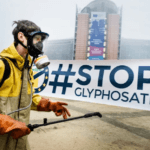
The 2015 classification of the weed killer glyphosate as “probably carcinogenic to humans” offers an egregious example of a classification that appears politically driven …. the IARC working group enlisted Environmental Defense Fund (EDF) senior contributing scientist Christopher Portier …. as an “advisor” on the decision. Given EDF’s strident anti-chemical agenda, it should have no influence over [IARC]. Incidentally, Portier had a serious financial conflict of interest. You can read more here about that scandal.

Read full, original article: Health and Human Services Secretary Should Halt Grants to UN Cancer Agency

{{ reviewsTotal }}{{ options.labels.singularReviewCountLabel }}
{{ reviewsTotal }}{{ options.labels.pluralReviewCountLabel }}
{{ options.labels.newReviewButton }}
{{ userData.canReview.message }}

Related Articles

Infographic: Global regulatory and health research agencies on whether glyphosate causes cancer

Infographic: Global regulatory and health research agencies on whether glyphosate causes cancer

Does glyphosate—the world's most heavily-used herbicide—pose serious harm to humans? Is it carcinogenic? Those issues are of both legal and ...

Most Popular

Screenshot-PM-24
Viewpoint: The herbicide glyphosate isn’t perfect. Banning it would be far worse.
79d03212-2508-45d0-b427-8e9743ff6432
Viewpoint: The Casey Means hustle—Wellness woo opportunism dressed up as medical wisdom
d-b
Blocked arteries, kidney stones, nausea, constipation, fatigue: Long list of health problems caused by too much vitamin D 
ChatGPT-Image-Mar-10-2026-01_39_01-PM
Viewpoint—“Miracle molecule” debunked: Why acemannan supplements don’t work
ChatGPT-Image-Apr-30-2026-05_00_48-PM
Wellness grifter physician turned wellness influencer out as surgeon general nominee
Screenshot-2026-04-30-at-11.33.46-AM
Anti-seed-oil to anti-vax pipeline: MAHA movement spreads to teen influencers
lab grown meat research kelly schultz lehighuniversity main
Profiles of the 10 top global cultured meat companies
ChatGPT-Image-Mar-27-2026-11_27_05-AM
The myths of “process”: What science says about the “dangers’ of synthetic products and ultra-processed foods
Screenshot-2026-04-28-at-1.21.37-PM
How America’s medical system encourages psychiatric overdiagnosis
ChatGPT-Image-Apr-30-2026-12_21_05-PM-2
The tech billionaires behind the immortality movement

Sorry. No data so far.

glp menu logo outlined

Get news on human & agricultural genetics and biotechnology delivered to your inbox.