Antidepressant withdrawal effects ‘severe’ for more than half of patients, study says

Antidepressant
Image credit: IStock

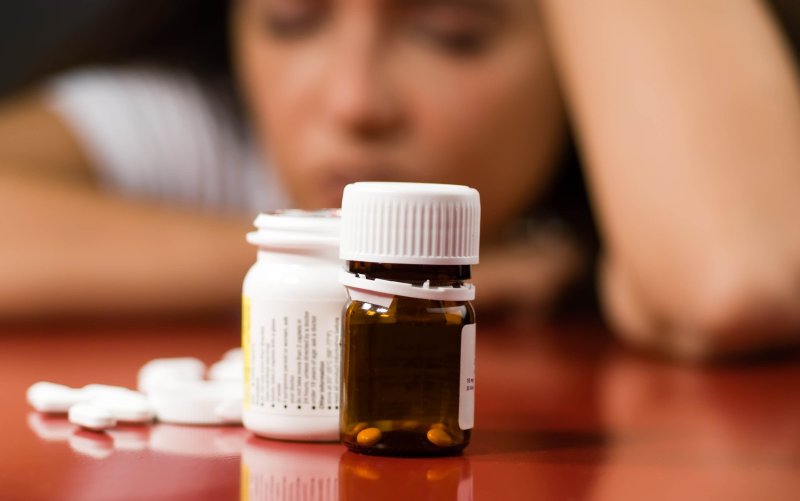
“More than half (56 percent) of people who attempt to come off antidepressants experience withdrawal effects,” assert the authors of a major new metastudy, and almost half of them (46 percent) describe the effects as “severe.”

The metastudy, “A systematic review into the incidence, severity and duration of antidepressant withdrawal effects,” points to a problem far-more widespread and persistent than regulators have acknowledged. Current guidelines “underestimate the severity and duration of antidepressant withdrawal, with significant clinical implications.” At such, the guidelines themselves cannot accurately be seen as evidence-based. They are instead misleading, at odds with the findings, and “in urgent need of correction.”

Comments shared by patients included: “It took me two months of hell to come off the antidepressants—was massively harder than I expected.” Another wrote, “While there is no doubt I am better on this medication, the adverse effects have been devastating, when I have tried to withdraw, with ‘head zaps,’ agitation, insomnia and mood changes.”

Given the scale and gravity of these results, patients concerned about the drugs’ adverse effects are strongly advised NOT to terminate treatment abruptly, but instead to taper carefully and gradually by microdoses over a course of several months, always in consultation with their doctor, to ensure their own safety.

Read full, original post: Antidepressant Withdrawal Said to Affect “Millions”

{{ reviewsTotal }}{{ options.labels.singularReviewCountLabel }}
{{ reviewsTotal }}{{ options.labels.pluralReviewCountLabel }}
{{ options.labels.newReviewButton }}
{{ userData.canReview.message }}

Related Articles

Infographic: Global regulatory and health research agencies on whether glyphosate causes cancer

Infographic: Global regulatory and health research agencies on whether glyphosate causes cancer

Does glyphosate—the world's most heavily-used herbicide—pose serious harm to humans? Is it carcinogenic? Those issues are of both legal and ...

Most Popular

ChatGPT Image May 26, 2026, 08_42_17 AM (1)
Viewpoint: Greenpeace and poison: How environmental advocacy groups rely on compliant (and often ignorant) journalists to spread disinformation and spark litigation
Screenshot 2025-07-30 at 10.48
Can gene editing eliminate Down syndrome? Scientists have done it in lab-grown cells
Screenshot-2026-05-28-at-1.36.28-PM
Viewpoint: Can mRNA research survive the Trump administration?
Screenshot-2026-06-02-at-11.59.11-AM
Magnifica Humanitas: Pope’s encyclical broadside against AI naivete and overreach
ChatGPT-Image-May-26-2026-07_51_21-AM-2
Viewpoint: There are more than 1,000 chemicals in a cup of coffee—including many substances that can cause cancer. Why isn’t it banned?
Screenshot 2025-11-18 at 3.45
Viewpoint—GMOs and sustainability: Why buying organic foods is the least environmentally-sensitive food choice—without offering any health benefits
Picture1
Sounds we can’t hear — the hidden planetary signals behind science, fear, and misinformation
ChatGPT-Image-Jun-2-2026-11_39_58-AM
Viewpoint: Who is RFK, Jr.’s newly-appointed CDC senior counselor, Sara Brenner — Vaccine skeptic and self-proclaimed “MAHA mom”
ChatGPT Image May 28, 2026, 08_16_38 PM
Viewpoint: Why the EPA mismeasures cancer risk of chemicals and what should be done to fix it
Screenshot-2026-06-01-at-1.35.32-PM
Viewpoint: Swine farmers are under attack for allegedly mistreating their animals. Here are the facts.
Screenshot-2026-05-27-at-10.51.25-AM
Viewpoint: ‘Monsanto’ blues—Planned Netflix movie promises yet another round of anti-glyphosate disinformation
glp menu logo outlined

Get news on human & agricultural genetics and biotechnology delivered to your inbox.