Why we should worry about the rapid spread of ketamine clinics

ketamine

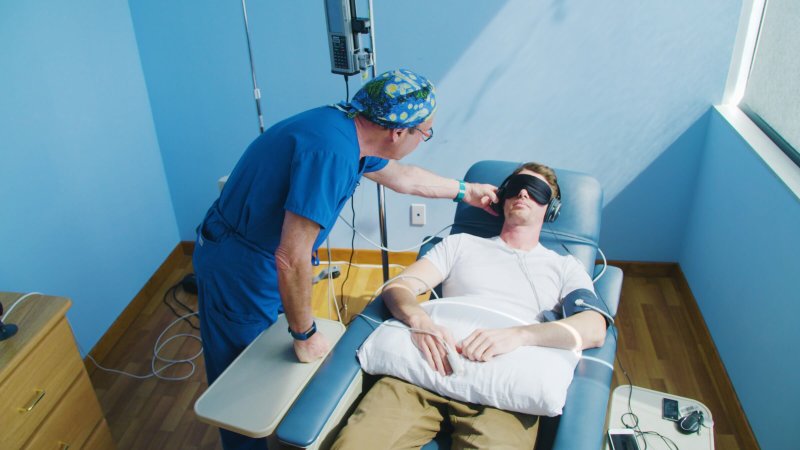
As ketamine clinics pop up across the U.S. to offer experimental infusions for depression, anxiety, and a slew of other conditions, training programs to teach providers how to run these businesses have also started to appear. They promise to teach everyone from anesthesiologists to advanced practice nurses the ins and outs of ketamine, which has been used for decades as an anesthetic but is still under study as a therapy for psychiatric disorders.

The doctors and nurse anesthetists offering the courses say they’re urgently needed to try to bring some standardization to the booming ketamine treatment business. I’d like to see that be done appropriately,” said Dr. Gerald Grass, an anesthesiologist who runs the Ketamine Institute, a training program.

But some mental health experts say there isn’t yet enough evidence about how to use ketamine to offer training. They fear some of those signing up for the programs might be trying to break into the business to make a quick buck.

Some clinics don’t thoroughly screen patients, and experts worry they’re offering the drug to anyone who can afford it. Providers charge anywhere from $350 to close to $1,000 per infusion and many patients get at least six rounds of the treatment. Some clinics, too, offer ketamine for uses that haven’t been well-studied, overhype its efficacy, and tout special blends that experts say aren’t supported by published evidence.

Read full, original post: As ketamine clinics spread, so do start-your-own-business courses, sparking concern

{{ reviewsTotal }}{{ options.labels.singularReviewCountLabel }}
{{ reviewsTotal }}{{ options.labels.pluralReviewCountLabel }}
{{ options.labels.noReviewsLabel }}
{{ options.labels.newReviewButton }}
{{ userData.canReview.message }}

Related Articles

Infographic: Global regulatory and health research agencies on whether glyphosate causes cancer

Infographic: Global regulatory and health research agencies on whether glyphosate causes cancer

Does glyphosate—the world's most heavily-used herbicide—pose serious harm to humans? Is it carcinogenic? Those issues are of both legal and ...

Most Popular

ChatGPT-Image-Mar-10-2026-01_39_01-PM
Viewpoint—“Miracle molecule” debunked: Why acemannan supplements don’t work
Screenshot 2025-09-17 at 12.41
Misinformation alert: No, glyphosate use in Canadian forests is not spurring more wildfires
Screenshot 2026-07-11 094410
Growing animal muscle and fat cells inside rice grains and calling it beef: One of numerous genetically engineered products shaking up our ecosystem
ChatGPT-Image-Jun-25-2026-12_23_17-PM
No, Bill Gates did not secretly engineer ticks to promote veganism
file-f-d-d-
Facts & Fallacies Podcast: Europe's AC debacle underscores fatal flaw in green activism
ChatGPT-Image-Jul-9-2026-02_39_22-PM
Viewpoint: Polyphenols or NAD+ supplements to combat aging: No, Gwenyth Paltrow and followers, don’t waste your money.
Screenshot 2026-07-16 at 8.49
Pete Hegseth’s bizarre Viagra commercial as Trump administration endorses ‘hormone replacement therapy’
afb-a-b
As the EU loosens restrictions on agricultural gene editing, it remains years behind the rest of the world on equally-safe GMO foods
ChatGPT-Image-Jul-8-2026-12_32_48-PM
Viewpoint: SCOTUS strikes a blow against junk science in Bayer glyphosate case. Will it deter mass tort litigators?

Sorry. No data so far.

glp menu logo outlined

Get news on human & agricultural genetics and biotechnology delivered to your inbox.