Why the patent system could help shape the future of gene editing

cannabis patents the x
Image credit: Don Farrall

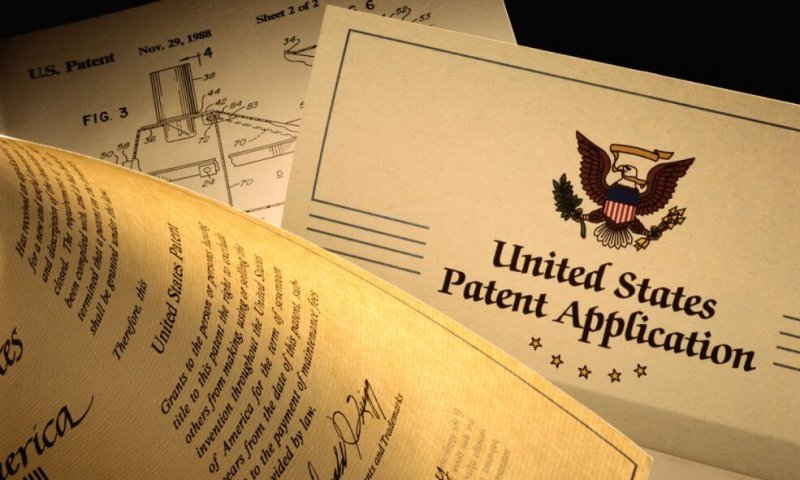
A crucial part of the arsenal for shaping the future of gene editing is hiding in plain sight: the patent system. In the past, patents have played an important part in regulating new technologies and research, from the atom bomb to work involving human embryonic stem cells.

…

How could patents help? These legal instruments — which give inventors the right to prevent others from commercializing their technologies — are usually seen solely as contracts that incentivize innovation. In fact, they can do much more, directly and indirectly.

…

What I’m calling for, however, [is] more-formal, comprehensive, government-driven regulation using the patent system.

This would cover all domains of gene editing, not just certain areas of research. It would have more transparency and political legitimacy than individual efforts ever could, by involving government institutions that are explicitly charged with representing the public interest. And it would enable governments to exploit the unique vantage point that patent offices have on the early stages of scientific fields and industries.

…

Under such a framework, the committee could identify inventions that are likely to be so important to the public interest that the government should monitor closely how associated patents are used and licensed, and step in to force broad licensing if a patent holder charges too high a price for access to their invention.

Read full, original post: Use the patent system to regulate gene editing

Related Articles

Infographic: Global regulatory and health research agencies on whether glyphosate causes cancer

Infographic: Global regulatory and health research agencies on whether glyphosate causes cancer

Does glyphosate—the world's most heavily-used herbicide—pose serious harm to humans? Is it carcinogenic? Those issues are of both legal and ...

Most Popular

ChatGPT-Image-Mar-10-2026-01_39_01-PM
Viewpoint—“Miracle molecule” debunked: Why acemannan supplements don’t work
ChatGPT-Image-Sep-10-2026-10_36_07-AM
Viewpoint: Even lousy scientific articles can shield authors when they hype dubious health claims and products
sorghum farmers in kenya FARMERS TREND
Here are all the ways CRISPR gene editing is transforming Africa’s staple crops—and there’s a lot more innovation to come
Screenshot-2026-10-01-at-11.21.27-AM
Vaccine hesitancy, like malaria, surges globally, topping 35% in some countries
ChatGPT-Image-Sep-30-2026-01_25_34-PM
Blood tests for Alzheimer’s? The latest grifter, social media scam.
ChatGPT-Image-Sep-30-2026-01_11_07-PM
How U.S. teamed with Russia to block global human AI weapons oversight
ChatGPT-Image-Sep-30-2026-01_38_36-PM
Viewpoint: Died “with measles” vs. died “from measles”: RFK, Jr.’s dangerously subversive word games
ChatGPT-Image-Sep-21-2026-03_15_09-PM
Viewpoint: Chipotle-inspired lesson: 10,000 sick customers suggest that processed foods can be safer than fresh ones
ChatGPT-Image-Sep-29-2026-12_16_42-PM
Social media influencers are driving food misinformation across Europe
Screenshot-2026-09-28-at-1.16.38-PM
Defying public perceptions, U.S. cancer deaths plunged 35% since 1991
glp menu logo outlined

Get news on human & agricultural genetics and biotechnology delivered to your inbox.