Gene sequencing could help researchers breed cold-resistant crops

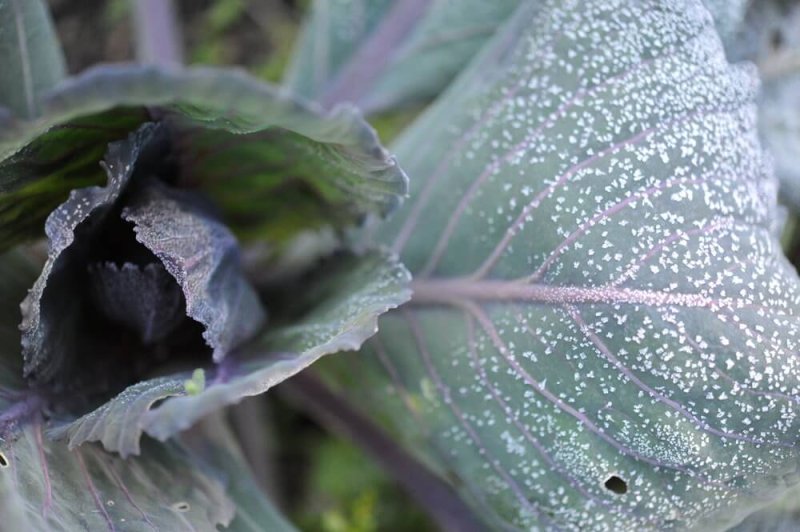
Frostoncabbage SeattleUrbanFarmCo
Image Credit: Seattle Urban Farm Company

When temperatures fall below 32 degrees, crops exposed to the elements undergo biochemical changes designed to protect cells from cold stress damage. Scientists identified the genes controlling this phenomena years ago, but have struggled to use the knowledge to engineer cold-resistant crops.

A new study from the University of Illinois may provide a novel approach at tackling cold-resistant crop engineering. The study, authored by Dr. Gustavo Caetano-Anolles, went beyond traditional approaches of examining a single gene, protein or biochemical pathway and instead simultaneously examined the entire collection of genes, metabolites, pathways and reactions undertaken in a plant’s cold stress response.

…

State-of-the-art gene sequencing provided researchers at the University of Illinois with the possibility to generate a complete list of all the genes and proteins active during the cold stress response, and, using a database, annotated the network involved.

“Our analysis revealed stress-associated metabolites in numerous pathways that we didn’t think would respond to cold stress, including amino acids, carbohydrates, lipids, hormones, photosynthesis and signaling pathways,” Caetano-Anolles said. “The study opened remarkable opportunities for genetic engineering and synthetic biology moving forward.”

Read full, original article: Snow laughing matter – New study tackles future of cold-resistant crop engineering


Related Articles

Infographic: Global regulatory and health research agencies on whether glyphosate causes cancer

Infographic: Global regulatory and health research agencies on whether glyphosate causes cancer

Does glyphosate—the world's most heavily-used herbicide—pose serious harm to humans? Is it carcinogenic? Those issues are of both legal and ...

Most Popular

ChatGPT-Image-Mar-10-2026-01_39_01-PM
Viewpoint—“Miracle molecule” debunked: Why acemannan supplements don’t work
ChatGPT-Image-Sep-10-2026-10_36_07-AM
Viewpoint: Even lousy scientific articles can shield authors when they hype dubious health claims and products
ChatGPT-Image-Sep-23-2026-02_36_39-PM
Viewpoint: After firing the entire National Science Board, Trump reshapes funding initiatives. Here’s the good and the bad.
generated-1790707585414
Facts & Fallacies podcast: America's health care system is broken. A doctor explains how to fix it
ChatGPT-Image-Sep-21-2026-03_15_09-PM
Viewpoint: Chipotle-inspired lesson: 10,000 sick customers suggest that processed foods can be safer than fresh ones
ChatGPT-Image-Sep-21-2026-11_54_00-AM
Viewpoint: Activist environmental NGOs are turning from public funding to activist billionaires to support their campaigns. It won’t end well.
Screenshot 2026-08-12 at 1.22
Activists vs. Scientists: Could “Butterfly Effect” fears derail gene-drive research targeting the flesh-eating screwworm?
ChatGPT-Image-Sep-22-2026-11_17_31-AM
The exploding controversy over AI’s built-in survival drive
sorghum farmers in kenya FARMERS TREND
Here are all the ways CRISPR gene editing is transforming Africa’s staple crops—and there’s a lot more innovation to come
Screenshot-2026-09-16-at-10.27.33-AM
Viewpoint: SCOTUS poised to address First Amendment tension between mandatory vaccines, children’s health and religious freedom 
glp menu logo outlined

Get news on human & agricultural genetics and biotechnology delivered to your inbox.