African nations push back against proposed UN ban on gene drives

gene
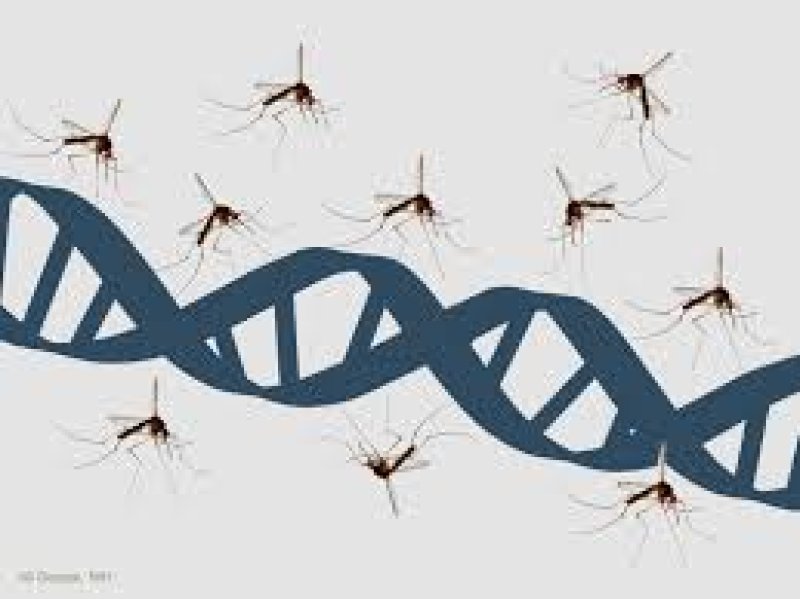
Image: Jill George/NIH

Africa has kicked against a proposed moratorium on the environmental release of organisms containing gene drives now under debate at the United Nation’s biodiversity conference in Egypt.

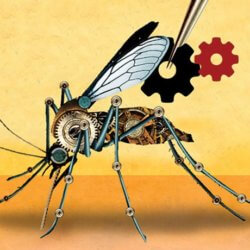
Work is currently ongoing in Burkina Faso that could possibly lead to the deployment of the gene drive technology in the fight against malaria. That prospect mobilized some convention delegates to call for a moratorium on releasing organisms into the environment, even in limited field trials.

Parties to the Convention on Biodiversity are being asked to decide between two texts that would define the technology: “Apply the precautionary principle (with regards) to gene drives,” or “apply the precautionary principle (and refrain from) releasing gene drive organisms.” Adopting the latter will effectively mean a ban on the release of gene drive organisms into the environment in the more than 190 countries that are signatory to the convention.

During a working group meeting at the conference on Sunday, South Africa led the African group rejecting the text seeking a refrain. …
That stance reflects the views of more than 100 scientists who signed an open letter opposing the proposed moratorium. “Closing the door on research by creating arbitrary barriers, high uncertainty, and open-ended delays will significantly limit our ability to provide answers to the questions policy-makers, regulators and the public are asking,” the letter stated.

Read full, original post:  Africa kicks against proposed gene drive moratorium at UN Biodiversity Conference

{{ reviewsTotal }}{{ options.labels.singularReviewCountLabel }}
{{ reviewsTotal }}{{ options.labels.pluralReviewCountLabel }}
{{ options.labels.newReviewButton }}
{{ userData.canReview.message }}

Related Articles

Infographic: Global regulatory and health research agencies on whether glyphosate causes cancer

Infographic: Global regulatory and health research agencies on whether glyphosate causes cancer

Does glyphosate—the world's most heavily-used herbicide—pose serious harm to humans? Is it carcinogenic? Those issues are of both legal and ...

Most Popular

ChatGPT-Image-Jul-8-2026-12_32_48-PM
Viewpoint: SCOTUS strikes a blow against junk science in Bayer glyphosate case. Will it deter mass tort litigators?
ChatGPT-Image-Mar-10-2026-01_39_01-PM
Viewpoint—“Miracle molecule” debunked: Why acemannan supplements don’t work
afb-a-b
As the EU loosens restrictions on agricultural gene editing, it remains years behind the rest of the world on equally-safe GMO foods
Screenshot-2026-07-08-at-9.36.03-AM
Viewpoint: Long-contained diseases are on the rise in the U.S. Are Trump cuts to blame?
Viewpoint: Consensus as truth? How ‘misinformation police’ control policy narratives
Which among war, weather and cyber attacks is the biggest world threat? None of the above. It’s misinformation, and here’s why.
ChatGPT-Image-Jul-7-2026-01_57_55-PM
Viewpoint: Europe’s rejection of air conditioning is the poster child for misunderstanding how to mitigate the impact of climate change
ChatGPT-Image-Jun-25-2026-12_23_17-PM
No, Bill Gates did not secretly engineer ticks to promote veganism
Screenshot 2026-07-11 100209
Viewpoint: Supplements to clean your liver? Not a good idea.
c9f0a584-46e9-4dd8-9a77-f5f5a7a51a84
Across Eastern Europe, science disinformation has spread far beyond COVID and vaccine denialism. Here’s the grim list.
Gemini_Generated_Image_gabo48gabo48gabo
Viewpoint: A plastic surgeon on why banning gender-transition surgery without further research is wrong and harmful
ChatGPT-Image-Jul-1-2026-03_33_49-PM
‘Alternative’ cancer treatments that could kill you
Screen-Shot-at-PM-pe-vra-kipgaprbdo-vd-ms-jpule-n-jqqaxf-l-e
Viewpoint: Will new breeding techniques help make European agriculture more competitive?
Screenshot-2026-07-10-at-3.10.50-PM
Snake-oil cures throughout history
glp menu logo outlined

Get news on human & agricultural genetics and biotechnology delivered to your inbox.