The U.S. Food and Drug Administration has pushed back the deadline of a safety review of Impossible Foods Inc.’s “magic” ingredient that makes its veggie burgers taste like meat, delaying a regulatory blessing the company has long sought.
The FDA extended its review by 90 days, according to an email the agency sent to the company’s outside counsel and obtained through the Freedom of Information Act. The agency was previously slated to respond by April 24. No reason was given for the change.
The agency said in some instances it needs more time to finish reviews. In the case of Impossible Foods, the FDA said in a statement it intends to complete the process within the new time frame.
The 90-day extension is part of routine administrative protocol, Rachel Konrad, a spokeswoman for Impossible Foods, said by email. The company expects a positive response from the agency, she said. Meanwhile, the Impossible Burger is “totally safe to eat, and millions of people have enjoyed it,” she said.
The Redwood City, California-based company has said it’s asking the FDA to review its product’s safety in the interest of transparency, though the ingredient is already in compliance with existing regulations.
Editor’s note: Read the company’s response to a previous Bloomberg article that Impossible Foods called “misleading” for claiming the company is embroiled in a “controversy.”
Contemporary humans do not deliberately kill the horseshoe crabs—as did previous centuries of farmers catching them for fertilizer or fishermen using them as bait. Instead, they scrub the crabs clean of barnacles, fold their hinged carapaces, and stick stainless steel needles into a soft, weak spot, in order to draw blood.
…
Horseshoe-crab blood is exquisitely sensitive to toxins from bacteria. It is used to test for contamination during the manufacture of anything that might go inside the human body: every shot, every IV drip, and every implanted medical device. So reliant is the modern biomedical industry on this blood that the disappearance of horseshoe crabs would instantly cripple it.
…
There is another way though—a way for modern medicine to make use of moderntechnology rather than the blood of an ancient animal. A synthetic substitute for horseshoe-crab blood has been available for 15 years.
…
The world did not change, at least not for the horseshoe crabs. It took three years for the first recombinant factor C test kit based on [researcher Jeak Ling] Ding’s patent to come out in 2003, but even then pharmaceutical companies showed little interest.
…
Recently, however, a few things have changed the recent risk-reward calculus for pharmaceutical companies.
EFSA says it finds no reason for concern over glyphosate residues in feed in terms of cattle, sheep, pig, poultry and horse health.
Residues from the controversial herbicide in feed are not expected to have a major, if any impact, on livestock or equine animals’ health, said the European Food Safety Authority (EFSA) in a risk assessment published [May 17].
The EU risk assessor said it evaluated all available information on the presence of glyphosate in feed, including imported feed to reach its conclusion.
EFSA also published its review of the maximum residue levels (MRLs) of glyphosate legally permitted to be present in food. MRLs are set to ensure that consumers continue to be protected against excessive quantities of glyphosate in their diet and are based on an analysis of all existing authorised uses of the herbicide in the EU. EFSA said the review, covering all crops treated with glyphosate, shows current exposure levels do not pose a risk to human health.
The [House Appropriations Committee] … approved, over a handful of objections, an amendment that would subject genetically engineered salmon to the GMO disclosure law passed by Congress in 2016, for which USDA has recently proposed regulations.
Rep. David Young, R-Iowa, introduced the amendment, saying it’s necessary in order to prevent consumer confusion. Sen. Lisa Murkowski, R-Alaska, has been particularly vocal in trying to have FDA label GE salmon, which has yet to be commercialized in the United States.
“Several attempts have been made in the last few years to allow FDA to also label salmon, and that would undermine current law, it would undermine the USDA’s role in labeling, and would cause confusion for consumers,” Young said.
…
“Consumers from my region, whether you’re a mom or a professional chef, have said they want to be sure that when they buy a piece of salmon, they’re confident that it’s wild-caught and not frankenfish,” [Rep. Derek Kilmer, D-Wash.] said, using the pejorative word to describe GE salmon. “Current labeling standards would allow these fish to be labeled with a tiny QR code that provides really zero information on the package.”
Rep. Andy Harris, R-Md., responded: “I respect my colleagues, but frankenfish? Really?” The amendment passed by voice vote.
Despite its prevalence, little is known about the ancestral roots of the [hepatitis B] virus. New findings, published [May 9] in Nature, reveal some of the oldest samples of the virus to date—between 800 and 4,500 years old—and provide fresh insights into its origin and evolution.
…
To probe for signs of ancient outbreaks in individuals who occupied Eurasia from the Bronze Age to the medieval period, the researchers examined DNA extracted from the remains of 304 ancient humans.
…
[T]he team found that 25 individuals showed signs of a hepatitis B infection, and that of those, only 12 of the viral genomes, which were between 800 and 4,500 years old, were intact enough for further analysis.
…
[M]ost of them could fit into a modern-day genotype, or category based on similarities in their DNA. Three of the genetic sequences, however, did not have a modern match and were linked to at least one newly uncovered strain that is now extinct.
…
Evolutionary theory predicts that some viral sequences will be lost by random chance, and finding an extinct strain of hepatitis B suggests that the diversity of the virus may have been much greater in the past than it is today.
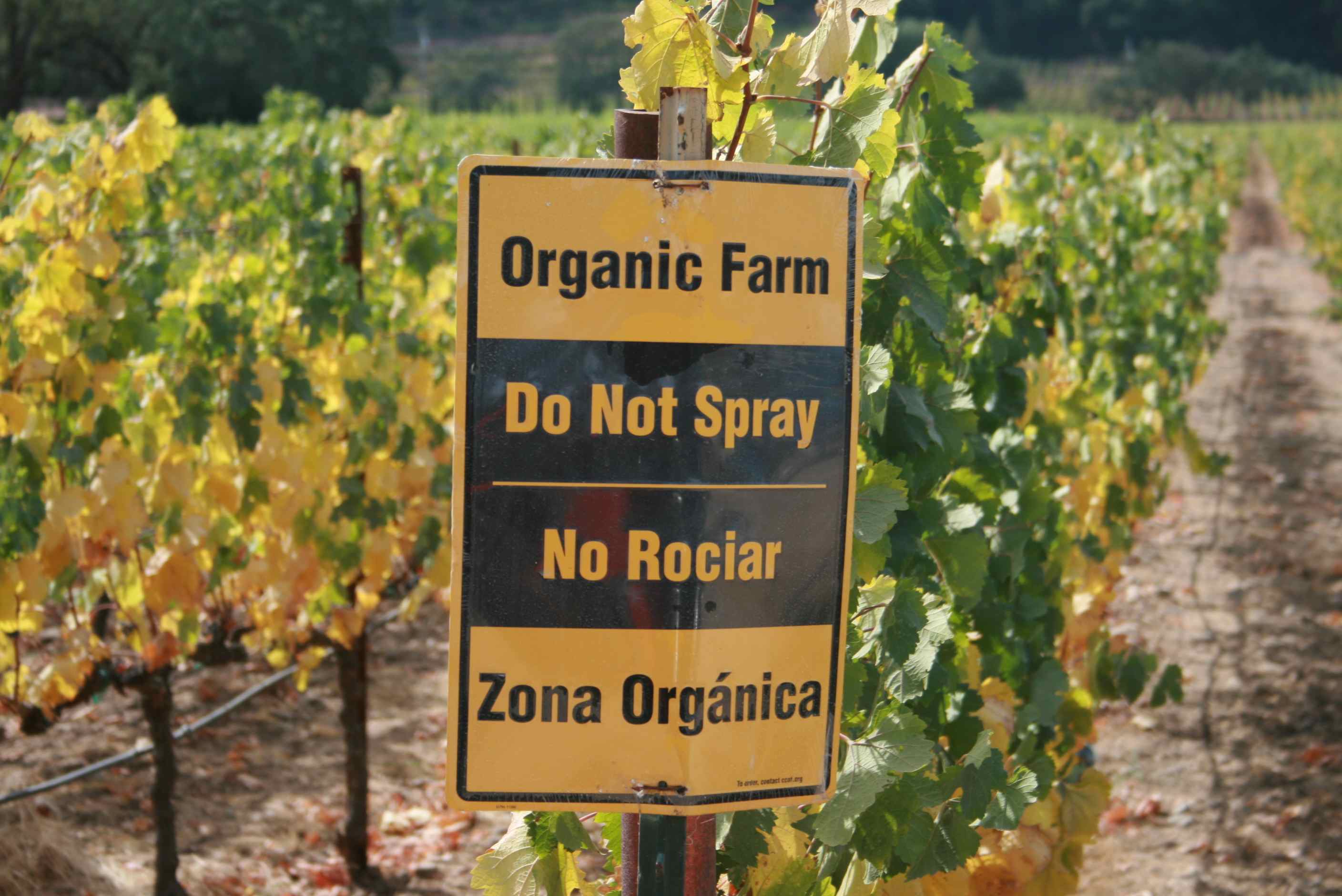
This is part one of a four-part series attempting to separate fact from fiction regarding pesticide use on organic farms. In this installment, we look at the common claim that organic farms actually use more pesticides and more dangerous pesticides through the lens of a few simple observations and talking to actual organic farmers. In part two, we look at the factoids that have been taken out of context and twisted into a dishonest narrative. In part three, we look at the special cases of pest control in organic orchards and vineyards. Finally, in part four, we take a critical look at a widely circulated article purportedly busting myths about organic farming that managed to create a few myths.
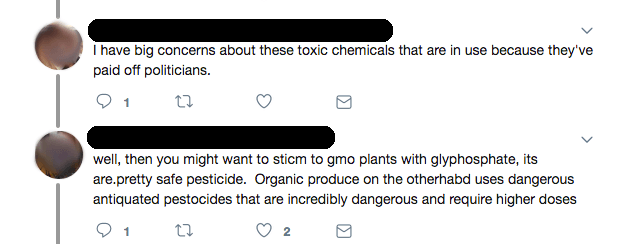
As opinions about farming have become increasingly politicized and polarized, a really unfortunate trope has taken hold. In pushing back against the fear mongering about pesticide safety driven by organic marketers and the widespread consumer belief that organic farming means zero pesticides, some advocates for conventional agriculture have begun counter-mongering – claiming that, in fact, organic farms use MORE pesticides and the pesticides are MORE DANGEROUS than conventional pesticide use.
This all too common trope takes a few factoids and twists them in dishonest and unproductive ways.
There’s more wrong with this statement than the bad grammar and typos.
We don’t have clean data on how much pesticides are used on organic farms. The vast majority of pesticides approved for organic use are used on conventional farms, and while data is collected on total sales (and amounts applied per acre, number of treatments per year, etc.), it is not broken down by whether farms are certified organic or not. We are left trying to get at the truth of the matter in a number of different ways.
First, the idea that organic farmers are secretly getting away with using more pesticides than conventional farmers can be dispensed with in a general sense by way of a few simple observations, before taking a more granular look at the issue.
Herbicides
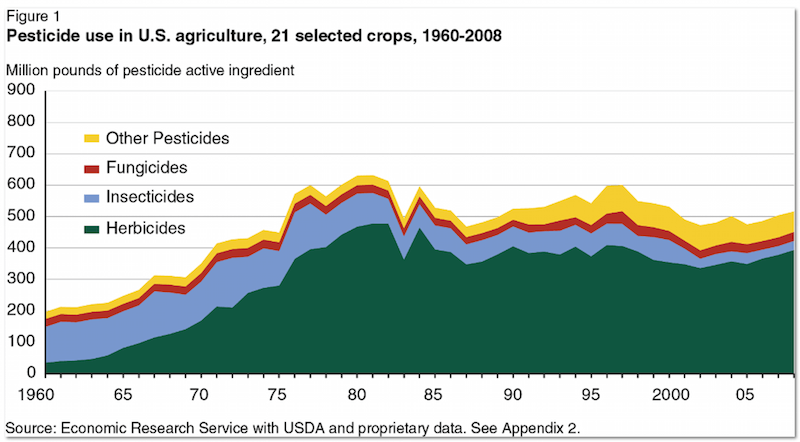
Weeds are by far the most common, widespread pests that farmers deal with and herbicides are by far the most widely used class of pesticides. There are no economically viable organic herbicides used at any type of scale.
So, if you remove herbicides from the equation it’s hard to see how organic farms are going to end up using more pesticides then their conventional counterparts.
On farm biodiversity
On average, morphospecies richness of plant-feeding insects and parasitoids was significantly higher on the commercial organic than conventional tomato crop. (Letourneau and Bothwell – pdf)
Although it’s not a perfect proxy for pesticide use or the impacts of pesticide use, measures of impacts on biodiversity, and on-farm biodiversity in particular, are a decent indicator of the impacts of pesticide use. While conventional systems consistently do better in comparisons to organic systems in terms of the environmental impacts I consider the most critical – greenhouse gas emissions, eutrophication and acidification potential, land use, and regional biodiversity – local and on-farm biodiversity is an area where organic systems consistently and significantly come out ahead of their conventional counterparts. If you are using more and more toxic pesticides, you aren’t going to have more critters: birds and bugs and bees around your farm. A 2005 meta-analysis found organic farms generally have 30% higher species richness and 50% higher abundance of organisms than conventional farms. Other studies since then have found similar effects.
Likewise, a report assembled by the Swedish Food Agency found that, while conventional was better for the environment on many metrics or found little difference, eco-toxicity was the one measure where organic systems performed consistently across the production of various crops and livestock animals.
So those are two relatively straightforward observations that have led me to be very skeptical of claims that organic farms are secretly using more pesticides than their conventional counterparts.
Ask a farmer
Next, I tried something pretty simple. I just asked some organic farmers what kinds of pesticides they used and how often. I started on the Food and Farm Discussion Lab Facebook forum that I run. Here is a sampling of answers:
Carolyn Olsen from Cottonwood, Minnesota raises organic corn, soybeans, alfalfa, wheat, and depending on year oats, barley, or triticale on 1,100 acres, and custom finishes around 7000 pigs a year (not organically certified) for a neighbor:
“Sometimes we use a foliar feed to prevent fungal issues in our small grain, but not every acre. I’d say less than 200 acres of our 1,100 acres total are treated. No pesticides are used on the corn, soy, or alfalfa.”
Adam Ornawka, who farms 4,100 acres of conventional and 640 acres of organic hemp, lentils, wheat, and oats in Saskatoon, Saskatchewan:
“I don’t use any pesticides with the exception of diatomaceous earth to keep bugs out of stored grain.”
Michael Adsit, who grows organic apples, asparagus, raspberries, oats, rye, hay, and pumpkins in Plymouth, Michigan:
“We use mostly foliar sprays of nutrients to boost plant health and immunity. We will use Entrust (an insecticide produced by Dow AgroSciences produced through the fermentation of a naturally occurring soil bacterium, spinosad), only with a threshold insect infestation, on organic apples and raspberries, based on field traps to monitor. Rarely more than once a year. Also PyGanic (an organic pyrethrum insecticide — derived from chrysanthemum flowers produced by Valent), only on raspberries for spotted wing Drosophila. We will use mineral and tree nut crop oils in early spring, not as an insecticide but smothering cover.
The main organic strategy is to have really healthy trees that are disease and pest resistant. Secondly use traps, pheromone disruption and barriers to discourage insect pests. Third, at last resort use products like Bt, Entrust, pyganic, lime sulfur, oxidate, crop oils to suppress insect, fungus infestations. In the last two years we have only used Entrust in early spring for apple flea weevil and crop oils on the trunks to smother plum curculio. Fruit itself was never sprayed.”
Julaine Treur, a dairy farmer in British Columbia, Canada:
“We grow corn for silage and earlage, and a grass, alfalfa, and clover mix for silage, hay, and pasture. 180 acres of grass and 40 acres of corn. Zero pesticides used in our 6 years farming organically.”
“ Haven’t used a pesticide of any sort on our crops. Never really seen a need to. I find it amusing how much time conventional farmers spend talking about all the spraying organic farmers do since I don’t even own a sprayer. “
– Tim Zweber, Zweber Farms, Elko, Minnesota
Tim Zweber of Zweber Farms in Elko, Minnesota, a dairy farm growing hay, sudex, and small grains:
“Haven’t used a pesticide of any sort on our crops. Never really seen a need to. I find it amusing how much time conventional farmers spend talking about all the spraying organic farmers do since I don’t even own a sprayer.”
Joan Kissner-Lee, growing organic hay, corn, oats, and sometimes soybeans in McIntosh, Minnesota:
“We have been organic since 2006 and have never used any type of pesticides.”
Rob Wallbridge, former organic farm inspector and vegetable, berry, and grain producer, current organic agronomist and consultant in Ontario, Canada:
“Between 1998 and 2015 we grew a few acres of organic vegetables, strawberries, and raspberries. Bt spray on cabbage, broccoli, and cauliflower (2-3 times per year) was the only pesticide that I didn’t quickly find a way to manage without. I did experiment with diatomaceous earth against striped cucumber beetle in particularly hot and dry years. I also did a trial with neem oil against Colorado potato beetle on potatoes and eggplant one year too – not that impressive. And back before the turn of the century (before it was de-registered for all agricultural use), I seem to recall dusting a few dozen melon transplants with rotenone.”
Jasen Gibbons, currently farming about 1,250 irrigated, organic acres in the Pacific Northwest. Corn, potatoes, alfalfa, buckwheat, small grains and a plethora of cover crop/beneficial mixes (and maybe a weed or two at times):
“No pesticide use here…but it’s not for the faint of heart at times
I get a kick out of my kids and their enthusiasm for wild animals and bugs. I had their preschool teacher ask me once what a “beneficial” is? It’s amazing to walk the fields and see how much life there is.”
I followed up and asked a few friends who work as organic inspectors and consultants for both conventional and organic farms to look over the comments on the thread. I wanted to know if what people were saying squared with their experiences and all three told me that it did. This was an admittedly self-selected group of farmers – they are all members of Food and Farm Discussion Lab, which has a certain culture, and they all chose to speak publicly about their pesticide use. Nor is it representative of some important aspect of organic production, notably large scale fresh produce in California’s Central Valley and vineyard production. We’ll cover those in part three. But this informal poll does reveal that it’s not at all uncommon for organic farmers to use little to no pesticide.
While plenty of conventional farms use robust integrated pest management (IPM), beneficial insects, and the cultural practices of diverse rotations, mulches, cover crops, and a focus on soil and plant health to control pests, they also have access to more effective and affordable pesticides. Organic farmers are required to use cover crops, more diverse rotations, and have to submit annual IPM plans as part of their certification. Beyond the prohibition on synthetic pesticides, whether it’s the cost and lesser effectiveness or a commitment flowing from a specific set of values, my experience is that organic farmers, by and large, turn to pesticides only as a last resort to a greater degree than conventional farmers. That trade-off affects other sets of environmental impacts. That’s a topic too large to get into in any detail for the purposes of this series. Regardless of whether you think those trade-offs are worth it or not, it’s pretty clear to me that organic farmers use pesticides very sparingly.
The exception to that rule is in citrus, vineyard, and orchard production, where many of those cultural practices are not options – you can’t rotate an apple orchard every year to break up pest cycles – so using pesticides sparingly is not an option either. We’ll take a look at the cases of orchard and vineyard pest control in part three.
Where did this idea come from?
Like most popular misconceptions, the idea that organic farming uses more pesticides and more dangerous pesticides springs from a few scraps of truth and accurate factoids. There are types of organic farms where the pesticide use is more impactful than their conventional counterparts. There was a highly toxic organic pesticide that was phased out of use around twenty years ago and a lot of people haven’t gotten the memo. And like most popular misconceptions, there was one piece of egregious reporting that became the source of misinformation for far too many people.
But to walk through all the history and nuance on this issue is going to take a few more installments.
Marc Brazeau is the GLP’s senior contributing writer focusing on agricultural biotechnology. He also is the editor of Food and Farm Discussion Lab. Follow him on Twitter @eatcookwrite
It’s been called a parent’s worst nightmare, and one that very few of us have ever needed words to describe.
Rohit Saxena lost his daughter to Sudden Infant Death Syndrome when she was just six months old. Until the moment Jaya died, Saxena wrote, “I had known how to cry from my head but as we said goodbye, I learned that you can also cry from your chest and from your gut, and the sound is unforgettable. I pray that none of you ever has or ever will have to identify with that.”
Sudden Infant Death Syndrome (SIDS) is defined as the sudden and unexplained death of a seemingly healthy baby under the age of one, with 90 percent of cases occurring before six months of age.
Despite years of research, we still aren’t sure exactly what causes SIDS, though a new study suggests that genetics may play a role – through a mutation that interferes with the baby’s respiratory system.
To be deemed a case of SIDS, other causes must be ruled out following autopsy, police investigation, and medical history review. However, most deaths that are initially deemed to be SIDS turn out to be accidental suffocation due to unsafe sleeping conditions. Some experts have sought to highlight the difference between SIDS and accidental suffocation by using the term accidental suffocation and strangulation in bed (ASSB).
Jaya Saxena. Image credit: Rohit Saxena
SIDS is not a condition in itself or a cause of death. Rather, it is a term that is often assigned to cases where the cause cannot be determined or there is not enough information available.
SIDS has been linked to infants sleeping on their stomachs; prenatal exposure to alcohol, cigarette smoke, or drugs; postnatal secondhand smoke exposure; and co-sleeping — when parents sleep in the same bed as their baby. Other documented risk factors include being born premature and being born to mothers who are under the age of 20. SIDS accounts for over 2,000 deaths every year in the United States, and about 19,000 globally.
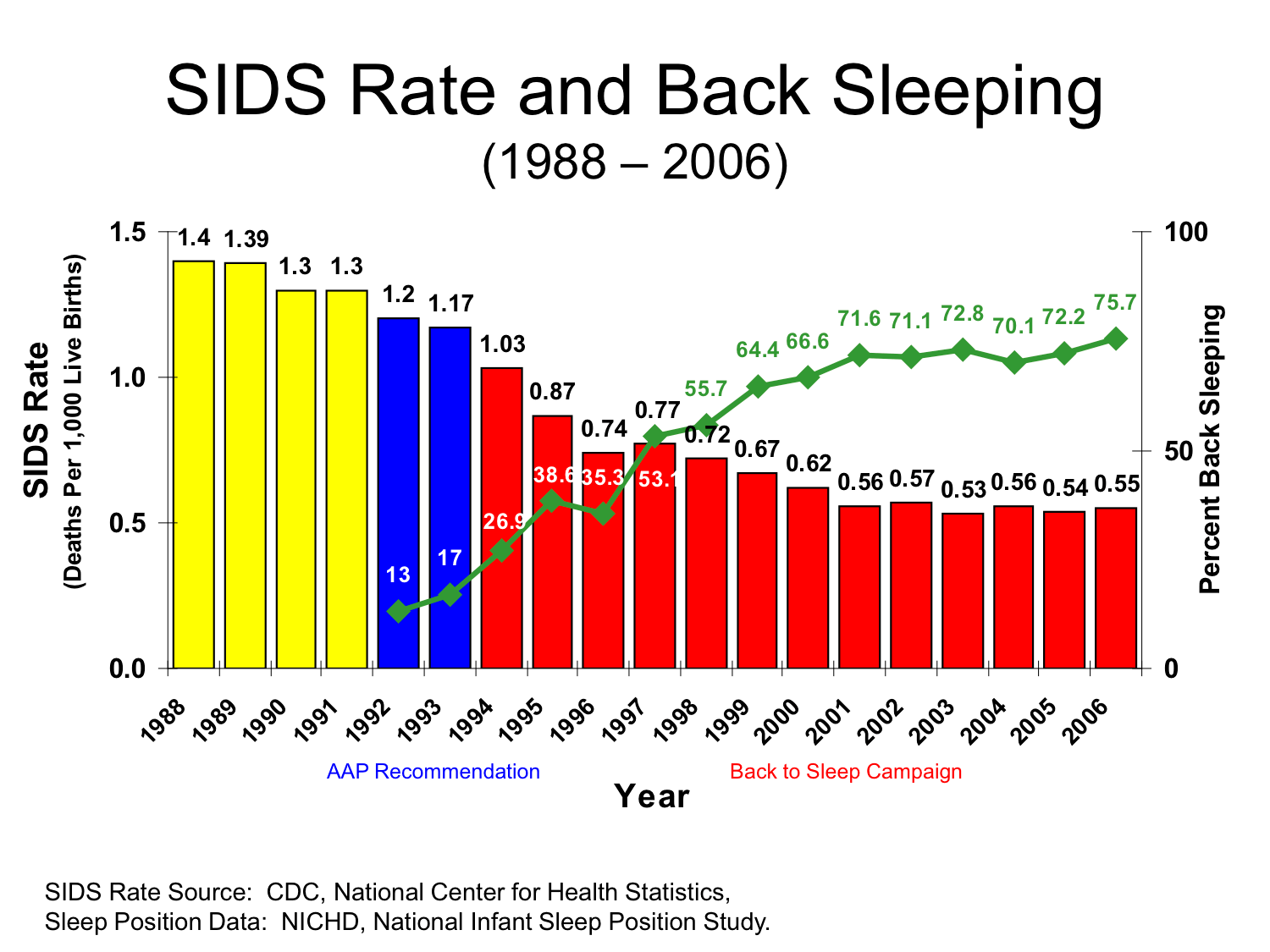
In 1992, the American Academy of Pediatrics recommended that babies sleep on their backs to prevent SIDS deaths. Then, in 1994, the US National Institute of Child Health and Human Development launched the Back to Sleep campaign, which is now called Safe to Sleep. On account of these efforts, SIDS rates dropped by 50 percent by the year 2000 and then plateaued.
It’s clear that even when all the precautions are taken, some infants continue to succumb to SIDS. This is what happened to Sarah Cormier’s four-month-old daughter, Quinn, on December 28, 2014. Quinn was sleeping on her back, alone in her crib, and no one in the house smoked; yet at some point between falling asleep and her next scheduled feeding an hour and a half later, she had passed away.
Many researchers are turning their attention to these infants — whose deaths seemed completely unpreventable — in an attempt to answer the question: What makes some infants who have perfectly safe sleeping conditions succumb to SIDS?
Many SIDS experts “theorize that babies who die suddenly and unexpectedly have underlying heart, brain, or other abnormalities that cause them to go to sleep and never wake up,” wrote Carly Weeks for The Globe and Mail. “In other words, while they may look, sound and act like healthy, normal babies, they have a condition that puts them at greater risk of sudden unexpected death.”
Mis- and disinformation are distorting science and public policy. Subscribe to our Daily and Weekly Digests for incisive coverage of ‘disruptive’ innovations in AI, agricultural biotechnology, food, chemicals, nuclear energy, vaccines, and other disruptive innovations.
A recent case-control study published in The Lancet and led by Roope Männikkö of the MRC Centre for Neuromuscular Diseases, UCL Institute of Neurology and National Hospital for Neurology and Neurosurgery, University College London, was the first of its kind to look at the failure of respiratory muscles due to skeletal muscle dysfunction in cases of SIDS.
The study built on previous research indicating that respiratory system dysfunction appears to contribute to several SIDS deaths.
The case-control study included two cohorts of 278 SIDS cases of European ancestry and 729 ethnically-matched adult controls who did not have a history of cardiovascular, respiratory, or neurological disease. The researchers compared the rate of rare variants in gene SCN4A between the two groups. The SCN4A gene codes for the sodium channel NaV1.4, which is crucial for the proper contraction of respiratory muscle.
1.4% of the SIDS cohort was found to have rare functionally disruptive SCN4A genetic variants, whereas none of the controls had them. These harmful variants may be responsible for some instances where an infant exhibits a failure to correct their breathing, catch their breath, or cough in response to circumstances that limit the intake of oxygen — such as cigarette smoke, getting caught in a blanket, or congestion from a minor illness.
“We showed that rare variants that alter NaV1.4 channel function in a similar fashion to known pathogenic SCN4A variants were over-represented in infants who had died of SIDS compared with ethnically matched controls,” the researchers said.
They also stated that more research is needed to understand the link between the harmful SCN4A gene variants and SIDS. If a clear link is established, the good news is that medical interventions could be used to prevent cases of SIDS where respiratory muscle function is impaired.
Kristen Hovet is a journalist and writer who specializes in psychology, health, science and the intersection of sociology and culture. Follow her on her website, Facebook or Twitter @kristenhovet.
A project known as Banana21 commenced in 2005 to alleviate micronutrient deficiencies in Uganda and surrounding countries through the generation of farmer- and consumer-acceptable edible bananas with significantly increased fruit levels of PVA and iron. A genetic modification approach was adopted since bananas are recalcitrant to conventional breeding.
…
From the outset in 2005, Banana21 has been on a trajectory to develop lines of EAHBs with levels of fruit PVACs that would provide 50% of the EAR of VA with consumption of only 300 g per person per day. Based on the significant progress thus far, it is highly likely that the transgenic lines developed under Banana21 will be released by 2021 and have a significant impact in alleviating VAD in a sustainable way, especially in rural Uganda where bananas are a fundamental part of the culture.
…
The importance of banana as a food security crop (perennial nature, year-round production, and ability to cope with long periods of drought) associated with a low cost, farmer-driven distribution strategy should ultimately see “Golden bananas” adopted as a widespread and efficient VAD alleviating strategy in the next decade.
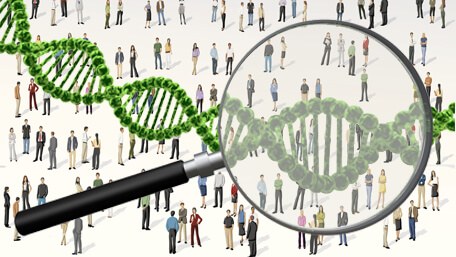
A DNA database led police to the Golden State Killer suspect through data his distant cousins had uploaded. Now, population genetics researchers have calculated the probability that your relatives have given their genetic information to a similar database.
According to their calculations, chances are most of us would have a handful of third cousins in a 1-million-person database, about a hundred if the database contains 5 million people, and over 200 in a 10-million-person database. At any of these sizes, chances are near 100 percent that the database would contain at least one person who is your fourth cousin or beyond.
…
There are important limitations to these numbers. They assume that the population in these databases is a random sample of the population at large, which it’s probably not. (I’d bet money that it skews white, wealthy, and Mormon.) They also assume no inbreeding and that people select their partners totally at random. And finally, they’re averages; it’s possible that just by chance you don’t have any relatives interested in genealogy, or on the flip side that your mom and sister are working on a family tree and have convinced all your close relatives to participate.
But the bottom line, these scientists say, is that that law enforcement finding a suspect’s family’s DNA in a public database was probably not a lucky find at all, but a totally expected one.
A team of mainly Chinese researchers [recently published] “The Genome of Artemisia annua Provides Insight into the Evolution of Asteraceae Family and Artemisinin Biosynthesis.”
…
Based on their genomic and transcriptomic analyses, they produced transgenic lines of A. annua producing high levels of artemisinin. While “conventional” plants produce between 0.1% and 1% artemisinin (based on dry matter) in their leaves, the researchers’ best line contains 3.2%.
…
Artemisinin is a component of the most recent and currently most effective antimalarial drugs.
…
This raises, once again, the question of the European – and particularly French – opposition to GMOs….
Will “NGOs” and other members of the protest and opposition to progress industry be campaigning against the cultivation of these new, very particular GMOs? Will this be “Golden Rice” all over again, with the opposition to a “Trojan horse for the pro-GMO lobby” or claims that “The rationale of the fight against [insert relevant disease] is only a marketing ploy to try to make GMOs acceptable”? Will over a hundred Nobel Prize winners (131 to date), mainly in science and medicine, have to strike up the refrain of “How many poor people in the world must die before we consider this a crime against humanity?” once more?
You can draw a straight line from the initial descriptions of many conditions – claustrophobia, for example, or vertigo – to their diagnostic criteria. Not so with autism. Its history has taken a less direct path with several detours, according to Jeffrey Baker, professor of pediatrics.
…
Here is how the “Diagnostic and Statistical Manual of Mental Disorders” (DSM), the diagnostic manual used in the United States, has reflected our evolving understanding of autism.
…
[T]he DSM-5 introduced the term ‘autism spectrum disorder.’ This diagnosis is characterized by two groups of features: “persistent impairment in reciprocal social communication and social interaction” and “restricted, repetitive patterns of behavior,” both present in early childhood. Each group includes specific behaviors, a certain number of which clinicians have to identify. The manual eliminated Asperger syndrome, PDD-NOS and classic autism.
…
Many were concerned that after their diagnosis disappeared from the book, they would lose services or insurance coverage. Those who identified themselves as having Asperger syndrome said the diagnosis gave them a sense of belonging and an explanation for their challenges; they feared that removing the diagnosis was synonymous to losing their identity.
…
Experts continue to view autism as a continuous spectrum of conditions. There are no planned revisions to the DSM for now, but the language in a draft of the ICD-11 — which is expected to debut in May 2018 — mirrors the DSM-5’s criteria.
The world’s most influential synthetic biologist is behind a new company that plans to rejuvenate dogs using gene therapy. If it works, he plans to try the same approach in people, and he might be one of the first volunteers.
The stealth startup Rejuvenate Bio, cofounded by George Church of Harvard Medical School, thinks dogs aren’t just man’s best friend but also the best way to bring age-defeating treatments to market.
The company, which has carried out preliminary tests on beagles, claims it will make animals “younger” by adding new DNA instructions to their bodies.
…
The team hit on the idea of treating pets because proving that it’s possible to increase longevity in humans would take too long. “You don’t want to go to the FDA and say we extend life by 20 years. They’d say, ‘Great, come back in 20 years with the data,’” Church said during the event in Boston.
Instead, Rejuvenate will first try to stop fatal heart ailments common in spaniels and Doberman pinschers.
…
[I]s it “age reversal” or merely a form of disease prevention? To Church, the answer lies in whether an old dog’s body can heal like that of a young one. In any case, he predicts, pet owners won’t worry about semantics “if the dog is jumping around wagging its tail.”
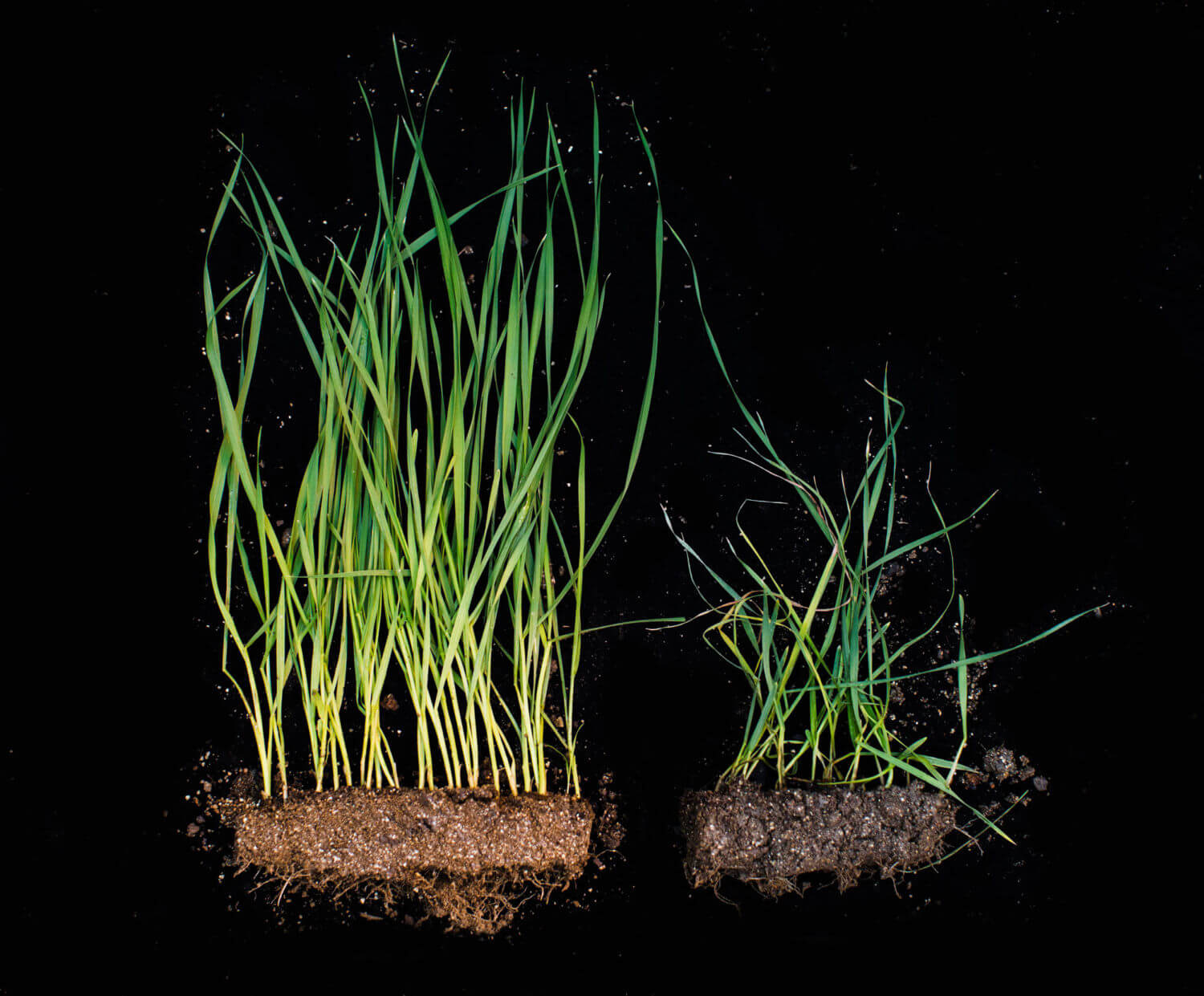
When a team of researchers set loose a buzzing horde of Hessian flies on 20,000 seedlings in a Kansas greenhouse, they made a discovery that continues to ripple from Midwestern wheat fields to the rolling hills that surround the battered Syrian city of Aleppo. The seeds once stored in a seed bank outside of that now largely destroyed city could end up saving United States wheat from the disruptions triggered by climate change — and look likely to, soon enough, make their way into the foods that Americans eat.
…
Rising temperatures are already leading to drops in Midwestern crop yields that could, under current medium and high emissions scenarios, lead to further drops of as much as 4 percent per year. In the heart of U.S. cereal and grain country, new pests and diseases are following the hot and dry conditions northward — and frequently overwhelming the ability of agricultural chemicals to battle them off. In response, scientists are seeking sources of natural resistance — and finding them in Syria, in the heart of the Fertile Crescent, the birthplace of domesticated agriculture.
Gene editing is the latest and sexiest DNA editing tool in the continuum of plant breeding innovations. With genetically modified organism (GMO) technology, scientists introduce “foreign” genes, i.e. genes from a different organism, into crops. With gene editing, scientists create additional genetic variation by making precise changes to the existing crop’s genome. It offers great opportunities, but also creates regulatory challenges.
…
Both North and South American countries paved the way for development of gene-edited crops by removing regulatory uncertainty. Time will tell whether the European Commission also grasps the opportunity to re-consider its over-cautious approach to biotech crops. The EU’s GMO directive has effectively regulated GM crops to death in Europe. Most big biotech companies have moved their R&D to the US and the cost of current regulatory approvals restricts them to the largest agribusinesses. Regulating gene-edited crops as GMOs will do nothing to support sustainable agriculture. It would simply make it too expensive for European academics, small companies and humanitarian projects to develop such products.
Especially in Europe, we need to learn from the GMO debate. Public concerns are important and the European Commission is well advised to listen to them. However, it is equally important not to let loud voices block the development of rational, evidence-based and non-discriminatory regulatory framework that provides legal certainty.
[Recently] the CEO of Pennsylvania health care provider Geisinger announced that its doctors will now offer patients DNA sequencing “as part of routine preventative care.” Right now, most doctors offer genetic screening only when they suspect something is wrong, but the move suggests that soon, DNA tests could become a normal part of our checkups.
…
There is a truly overwhelming number of genetic tests that doctors can order: 75,000 on the market, and 10 new ones entering the market every day, according to a recent study.
As major health care providers adopt routine genetic screening, they need to train their doctors to understand which tests to pick, how they work, and how to interpret the results. Otherwise, overwhelmed doctors may order the wrong test, or they may misinterpret the result — confusing patients and potentially leading to wrong diagnoses or false positives.
There’s a second part of training, too. It’s not enough that doctors understand the benefits of the different tests and feel confident sharing the information. They need to be trained to make sure patients understand the pros and cons of getting their DNA sequenced.
A top European Union court upheld on Thursday (17 May) the ban on three insecticides blamed for killing off bee populations, dismissing cases brought by chemicals giants Bayer and Syngenta.
“The General Court confirms the validity of the restrictions introduced at EU level in 2013 against the insecticides clothianidin, thiamethoxam and imidacloprid because of the risks those substances pose to bees,” a court statement said.
“Given the existence of new studies (…) the Commission was fully entitled to find that it was appropriate to review the approval of the substances in question,” it specified.
…
The crop industry said they respect the verdict of the court.
“We respect the verdict of the Court in all cases, even if we find it particularly unfortunate that in 2 of the 3 cases the Court decided to dismiss. There may be a cognitive ease to blaming pesticides for affecting bee health, but experts, including the Commission itself, have acknowledged that it can be influenced by multiple and complex factors,” Graeme Taylor from the European Crop Protection Association (ECPA) told Euractiv.
“We will continue our efforts as an industry to strengthen biodiversity and ensure honey bees and other pollinators can continue to play a vital role in agriculture,” he said.
One great hope – for vitamin fans and researchers alike – is that dietary supplements could prevent the worsening of Alzheimer’s disease. So far antioxidants, in particular vitamin E, have been disappointing but there has been hope for a supplement called Fortasyn Connect.
Designed to boost brain function, it contains a cocktail of omega 3 fatty acids, minerals and vitamins (specifically DHA, EPA, uridine monophosphate, choline, vitamins B12, B6, C, E, and folic acid, phospholipids and selenium). The concentrations of these nutrients in the blood and brains of patients with Alzheimer’s disease are lower than normal.
…
[T]he same factors that protect against heart disease – healthy food, keeping your weight down, exercise, lowering high blood pressure, avoiding diabetes and not smoking – protect against blood-vessel disease in the brain, which it is thought contributes to Alzheimer’s disease.
…
One of the strongest protective factors, though, is education. A 2014 study published in Lancet Neurology found the more education a person received early in life, the later they developed dementia, or not at all. That fits with the ‘cognitive reserve’ theory – the more educated you are, the denser your neural networks, so you have more brain capacity to start with.
While the evidence isn’t clear, you certainly can’t do any harm by learning a language or a musical instrument in mid-life.
Read full, original post: No easy fix for Alzheimer’s disease
When Charles Darwin first proposed natural selection as the mechanism of evolutionary change, he provided many different lines of reasoning. One of them was that he and other biologists had observed striking examples of suboptimal design in nature. If a creator-God was perfect and designed the world and everything in it according to His perfect plan, how could poor structure/function be explained?
…
My book documents scores of these “human errors,” but I would love to know what intelligent design supporters say about these.
…
Why are we designed with nonfunctional pseudogenes? In the human genome, there exist broken-down versions of once-functional genes. Formally called pseudogenes, these genetic elements have no function and are usually not expressed at all, but they bear striking resemblance to important and functional genes in other species.
…
Why are humans so inefficient with reproduction? The one thing that a species absolutely must be able to do is reproduce, so this is an area that humans must have mastered, right? Not even close. In fact, humans may be the least fertile of the apes. More than 10 percent of couples have trouble conceiving.
…
As far as I can tell, the only creationist response to human design flaws is, “That’s just the way it is.” This is not a scientific answer and offers no exploratory way forward.
Editor’s note: Nathan Lents is a professor of biology at City University of New York
Tim Hammerich sat down with journalist Marc Brazeau, founder and director the Food and Farm Discussion Lab for his Future of Agriculture Podcast. His question for Marc: “How should we be thinking about sustainability in agriculture?” This served as a precursor for their “Sustainability at Scale” podcast series.
…
Marc came to agriculture as a chef through his interest in the food movement.
…
Through his food movement influences, he kept hearing that organic food was better in every way. The yields were higher, organic practices more sustainable and organic farming was more profitable.
This made Marc wonder “why doesn’t every farmer use organic practices?”
He started doing his own research, and found alternative perspectives such as that of Steve Savage and Biofortified. These new perspectives caused him to question his opinions of the impacts of things like monocultures and GMOs.
With a background in research, Marc dug deeper. This evidence-based approach ultimately lead him to starting the Food and Farm Discussion Lab Blog, and fantastic Facebook Forum. These are must-reads for anyone interested in the future of agriculture.