‘The Farm Project’: Actress Zooey Deschanel’s advice on organic food, pesticides is short on science

frv
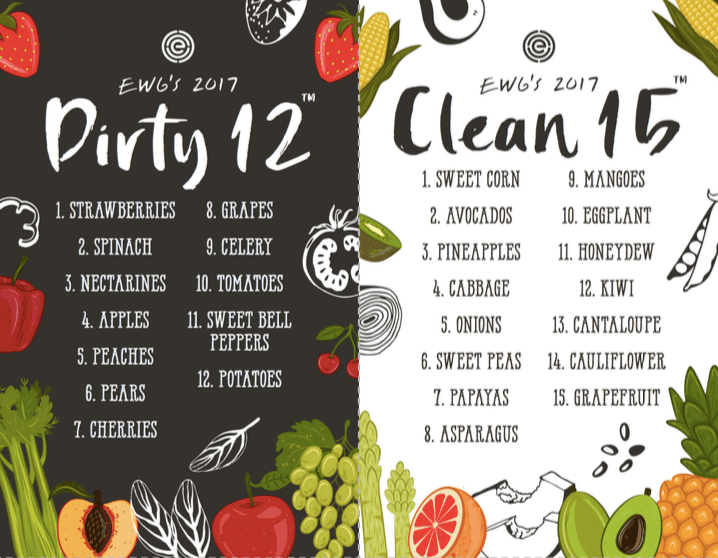
The actress and singer Zooey Deschanel has a message for Americans too poor to buy organic food: Stop eating apples, avoid fresh tomatoes, and give up on grapes, peppers, potatoes, and other items that appear among the so-called “Dirty Dozen,” a list of fruits and vegetables that, when farmed and harvested using standard industrial methods, tend to carry more pesticide residues.

“If you can’t afford to buy organic, avoid the dirty dozen and look for produce with lower pesticide levels, like asparagus, cauliflower, or mangoes,” Deschanel advises viewers of her new, viral Facebook video series, Your Food’s Roots.

The problem: While this appears to be a piece of safety advice, it’s hard to find any scientific support to back it up. And it’s not the only questionable claim that Deschanel shares in the series, which debuted two months ago on Facebook and quickly attracted millions of viewers. The videos do touch on serious issues, but they also illustrate how sloppy science, celebrity culture, and social media virality too often converge to generate market-driven fear-mongering and baseless health claims, rather than serious consumer education.
Screen Shot at PM
Environmental Working Group’s “Dirty Dozen” and “Clean 15” lists

It’s not entirely surprising to see Deschanel — a mid-2000s hipster icon perhaps best known for her role in the Fox sitcom “New Girl” — suddenly talking about food mileage and azodicarbonamide. As many celebrities have discovered, the combination of wellness culture, ethical consumerism, and Hollywood glamor can make for a potent — and profitable — media cocktail. Pioneers of the model include Gwyneth Paltrow’s Goop, a health and lifestyle brand, Jessica Alba’s Honest Company, and even Tom Brady’s TB12.

These startups have attracted big followings. But scientific rigor sometimes gets lost along the way. Goop, in particular, has repeatedly come under fire for its pseudoscientific claims and products — including “bio-frequency healing” stickers, and perhaps most famously, jade eggs designed to be inserted into the vagina to coax “spiritual detox.” Alba’s outfit was sued last year by consumers after The Wall Street Journal reported that a detergent the Honest Company was marketing as a safer and more environmentally friendly alternative to traditional soaps actually contained a harsh chemical it had pledged to avoid. (Alba’s team settled the suit last June, while denying any wrongdoing.)

Deschanel’s videos are a collaboration between the millennial news-and-issues advocacy site ATTN: (pronounced “attention”) and The Farm Project, a new startup founded by Deschanel and her husband, Jacob Pechenik, that “empowers initiatives that reconnect people with food.” In the videos, Deschanel talks about everything from overfishing to the evils of factory-produced bread. The most popular video in the series, alleging negligent FDA oversight of chemical additives, racked up more than 17 million views in its first month on Facebook. ATTN: paid the series’ production costs.

The videos give lucid overviews of some complex topics, such as the FDA’s controversial “Generally Recognized as Safe” designation for food chemicals. Often, though, the videos seem to favor fear over nuance. A brief bit about the preservative sodium nitrite, which Deschanel jokingly calls “science salt,” implies that the compound is an artificial concoction (it’s a naturally occurring chemical and a metabolic byproduct of digesting many common vegetables) and that it causes cancer in humans (the evidence is mixed).

More concerning is the organics episode in which Deschanel — a millionaire Hollywood star — urges poor Americans to avoid many common fruits and vegetables if they cannot afford to buy organic. Deschanel warns that these are fruits and vegetables that “you should strictly buy organic, due to the amount of pesticides on them.”

There are, of course, real reasons to be concerned about pesticide use, including the effect of chemicals on the environment and on the farmworkers who come into contact with high concentrations of toxic compounds.
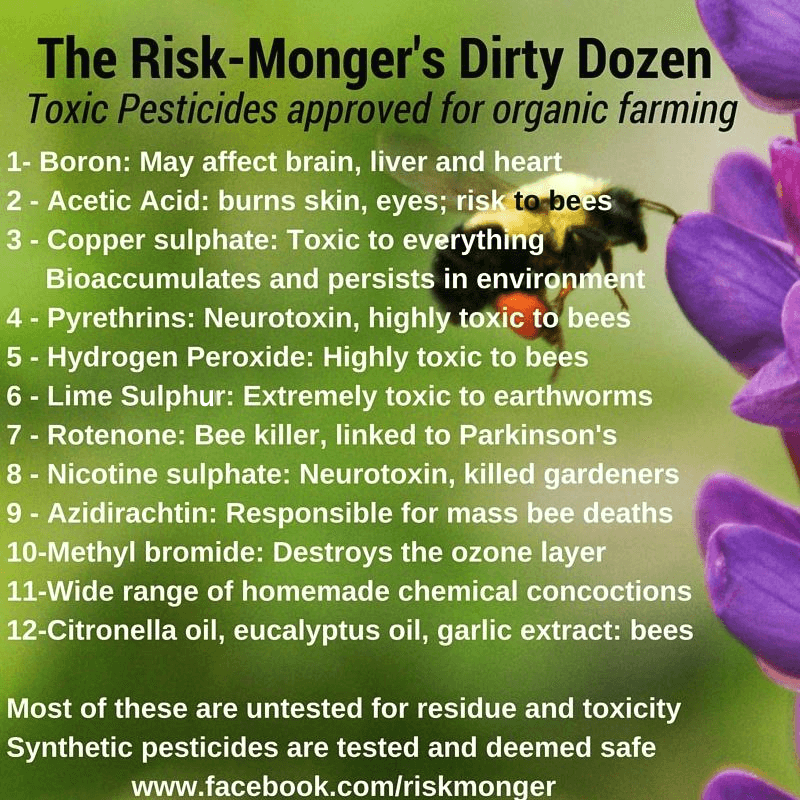
dirty dozenBut to date, there is little clear scientific support for the argument that organic produce is, by definition, healthier for consumers than conventional produce, or that conventional produce is actively dangerous because of pesticides. The Environmental Protection Agency sets stringent legal thresholds for pesticide residues on produce, pegged far below levels known to be toxic to people. And organic produce can still contain pesticide residues too — both from nearby conventional fields and from powerful but naturally-derived chemicals that can legally be used on organic crops. (Some synthetic pesticides are also approved for use in organic farming.)

Much more worrying than the prospect of pesticide residues, many experts say, is the prospect of driving consumers away from including fruits and vegetables in their diets altogether. “My work over the last 30 years has consistently suggested that the health risks are negligible for the consumption of conventional produce, and the biggest concern is making sure people eat fruits and vegetables,” said Carl Winter, a specialist in the Cooperative Extension at the University of California-Davis who has published extensively on pesticide residues, including an analysis of the Dirty Dozen. “If public concerns over pesticides — tiny, tiny levels of pesticides in the diet — make them more wary, the tendency can be to decrease their consumption of fruits and vegetables.”

Even the Environmental Working Group, the toxins-focused consumer advocacy organization that publishes the Dirty Dozen list Deschanel cites, emphasizes that “the health benefits of a diet rich in fruits and vegetables outweigh the risks of pesticide exposure. Eating conventionally grown produce is far better than skipping fruits and vegetables.”

Chloe Sacks, a marketing manager at ATTN:, rejected the suggestion that Deschanel was offering health or nutritional advice when she urged consumers to avoid many common fruits and vegetables. “When referencing the dirty dozen, we’re talking about a list of fruits and vegetables that people who strive for an all-natural diet should avoid if they cannot afford to purchase organic produce, since those are the ones found to have the highest level of synthetic pesticides,” Sacks wrote in an email to Undark. “We’re not talking about health risks.”

Mis- and disinformation are distorting science and public policy. Subscribe to our Daily and Weekly Digests for incisive coverage of ‘disruptive’ innovations in AI, agricultural biotechnology, food, chemicals, nuclear energy, vaccines, and other disruptive innovations.

Policy experts had mixed reactions to the series. I showed the video on the FDA and food regulation to Thomas Neltner, chemicals policy director at the Environmental Defense Fund. “It’s pretty good!” Neltner said after watching the video. “I don’t think people realize how dependent they are on the integrity of the companies that are selling them their food.”

crocker goop tease zczaw
Gwyneth Paltrow

On the other hand, Timothy Caulfield, a health policy scholar at the University of Alberta and the author of a book about Gwyneth Paltrow and celebrity health advice, was concerned about the series’ tone. “I think there’s a little bit of fear-mongering going on,” Caulfield told Undark. The problem with advice like Deschanel’s, he said, is that it “makes it more difficult to take those simple, evidence-based steps towards a healthy lifestyle. It makes it more complicated. It makes it more expensive. And if something is more complicated, if something is more expensive, it’s less likely that healthy behavior is going to be sustained.

“There’s some stuff in these videos, that are very nicely produced, that is kind of true, right?” Caulfield added. “But there’s always this underlying — this blanket of pseudoscience that permeates the entire show.”

For Deschanel, this may only be the beginning. On its website and Facebook page, The Farm Project speaks only in vague terms about its mission and work. The project does not list any staff or contact information on its website, and it would be easy to mistake the startup, with its mission-driven language and world-changing tone, for a nonprofit. The company also did not respond to messages sent to its Facebook page requesting comment on its vision, and Deschanel did not respond to a list of questions sent through her publicist.
n

But details posted on the startup hiring website AngelList suggest larger — and more corporate — ambitions, describing The Farm Project as “a public benefit corporation that is leveraging media and technology to drive a meaningful shift to sustainably produced food.” The company aims to provide sustainable farmers with “information, technology, and access to financial resources that they need to meet the challenges of managing a modern sustainable farm,” and it’s trying to hire a team of web developers and product managers.

On AngelList, The Farm Project’s founder is listed as Gregory Campbell, a longtime business partner of Pechenik. The two men are MIT graduates — Pechenik got a degree in chemical engineering — and they already collaborate on a business venture called YellowJacket, which provides software to derivatives traders on Wall Street. They now appear to be teaming up with Deschanel to market a vision of a more sustainable, local future — one that’s premised on a deep skepticism of corporations, if not on hard science.

Michael Schulson is a freelance writer who has contributed to numerous science and general media outlets.

This article was originally published at Undark as “When Celebrities Talk Science” and has been republished here with permission.

Sex in space? An awkward talk we will need to have

space
Since the 1960s, astronauts and NASA outreach people have not hesitated to explain how one goes to the bathroom in space, even to kindergartners, nor to outline the many ways that an astronaut could die on a space mission. But when considering one of the most natural human functions—sexual activity, what will happen as men and women venture on longer and longer space missions together—well that was not a matter for press conferences. The public had to wait for the movie and television industry to weigh in on the matter, even through the 1980s and 90s.

But as the prospect of Mars colonization grows on the public radar screen, sex talk is not as much of a taboo topic as it was in the early days. It’s mentioned in documentaries about space, it’s shown in science fiction movies and TV programs set in space, and the aspiring corporate space tourism industry is well aware that it will be an issue soon. And when it comes to government space agencies, well, they’re starting to talk about it. But it’s still awkward.

The 400 kilometer-high club?

Men and women have been flying together in space together since 1982, when cosmonaut Svetlana Savitskaya went into orbit, along with male colleagues. Since that time, and especially since the International Space Station (ISS) began operations in the early 2000s, the existence of 400 kilometer high club has been the subject of great speculation. But space agencies, including NASA, have broached the subject with the awkwardness of a reluctant father attempting to have “the talk” with his daughter before her first high school dance.

“There was a time when the closest consideration of ‘sex’ in the space industry was the engineering challenge of developing different gadgets for men and women astronauts to permit using the toilet effectively,” said social psychologist Sheryl Bishop Ph.D., a Professor at the University of Texas Medical Branch in Galveston, Texas. Over the past couple of decades, Bishop has researched human performance in team situations—including Antarctic bases, mountain climbing, desert survival, and other environments that are analogous to long-duration space flight.

Perhaps, this explains why the bathroom question was one of the top things asked of astronauts by people of all ages over the years. But Bishop has seen improvement on the sex issue over time. “Today, we have the first space gynecologist who I’m proud to claim as one of those I’ve mentored over the years,” she said.

1427604646139801
Nancy and Mark in space

But NASA’s willingness to broach the subject did not come all at once. The STS-147 space shuttle mission in 1992 included Nancy Jan Davis and Mark C. Lee—a newlywed couple. It was a “Space Lab” mission, so in the cargo bay the vehicle carried a specially-designed laboratory full of science experiments. These included investigations of human physiology and how weightlessness and space radiation affected the biology of chicken embryos, frog eggs, plant sees, and fruit flies. Consequently, there was a lot for the press to ask about, yet the media were most interested in whether any human reproductive experiments might be in progress. After all, by this time the image of James Bond floating weightless wrapped in a sheet with Dr. Holly Goodhead at the end of the 1979 film Moonraker was well ingrained in the minds of many people, so it was a natural question.

But to nagging reporters, NASA said, “It’s none of your business.”

Since 1992, things have evolved, but this raises the question of whether sex in a weightless environment would be worthwhile.

Dealing with Newton’s 3rd Law

There has been speculation as to whether the fact that every action produces an equal and opposite reaction would make intercourse physically extremely challenging in weightlessness—even to the point that one writer this year, discussing space sex in the online magazine Fusion Net, suggested the following:

But, as you’ll see, getting it on in space is still very much a case of ‘close but no cigar.’ And no space sex means no space babies, which will be a bummer for our plans to live on Mars–or anywhere else in outer space.

It should be pointed out that, while we’ll need research to be sure that a pregnancy on a Mars colony can be taken to term yielding a healthy infant, Mars colonists will not be weightless. The gravitational pull at the Martian surface is about 38 percent that at the Earth’s surface. Newton’s 3rd Law will not be a problem. You’ll merely be 38 percent your Earth weight and with the same amount of strength, and so amazingly agile. Sex on the Martian surface could actually be fantastic.

Proposed remedies

Newton’s 3rd Law is commonly cited as a potential hurdle for space sex, at least in a spacecraft that lacks artificial gravity: anything subjected to a push will move in the direction of the push and continue moving. As noted earlier, people didn’t hear about this being a potential problem in the early days of space exploration, when NASA was in its awkward, talking to adolescents stage. As for science fiction speculating about the issue, most sci-fi space setting tend to assume the use of artificial gravity. Thus, Captain Kirk of the original Star Trek series could have all the women he wanted, even while on board the Enterprise, with no explanations worked into the script. As for James Bond in a space shuttle, floating in a sheet in 1979, audiences may not have cared about Newton being ignored, but today, with the prospect of Mars colonization on the horizon, talking about space sex is not as taboo as it once was.

Recently, when one reporter asked about sexual contact during a current space mission, NASA’s public relations office gave a response quite evolved from the 1992 “none of your business” remark. This time, the answer was: “While we expect our employees to behave in a professional manner at all times, their personal lives are their own until it begins to directly affect their job performance.”

That’s from a government agency that has to be very careful to be diplomatic, but experts in space and physics from both science and industrial communities are still more candid.

Mis- and disinformation are distorting science and public policy. Subscribe to our Daily and Weekly Digests for incisive coverage of ‘disruptive’ innovations in AI, agricultural biotechnology, food, chemicals, nuclear energy, vaccines, and other disruptive innovations.

Neil deGrasse Tyson—an astrophysicist, science TV star, and avid admirer of Isaac Newton—has gone as far as to offer potential solutions solutions and one that would make Newton smile:

“You need things like straps” Tyson once remarked. “Bring a lot of leather belts. Keep things strapped down and you’ll be just fine,” Then, he added, “There are probably some people who are fully equipped with this anyway.”

Some more industrial-minded solutions have been dreamed up as well. The most famous was proposed by the late novelist and essayist, Vonna Bonta, who in the early 2000s designed the 2-suit. Essentially, each partner would wear a garment that could be unzipped, then zipped together with the counterpart garment of the other partner. Others have suggested specially-designed structures within space habitats, such as a conch shell-shaped tunnel, in which a couple could get gradually pushed closer together (added elastic walls to the design might increase the plausibility.

Fractional gravity

As humans spend longer periods of time in space, and as bases and colonies are built on the moon, Mars, and elsewhere, the issue may not be weightlessness so much as varied gravity environments. On the moon, one weighs about 16 percent of his or her Earth weight. On Mars, it’s 38 percent. There may also be rotating spacecraft and rotating space hotels at some point. By spinning, such as craft could create artificial gravity. The faster a craft spins, the higher the gravity, but if the radius of rotation is fairly short, faster spinning creates side-effects, such as vertigo and difficulty moving body parts. To reduce such effects, a space hotel or space vessel might be rotated at a speed just high enough to create partial gravity—such as Mars gravity, or lunar gravity—but not Earth gravity. People attempting sexual relations in such fractional G environments should not have any problem when it comes to Newton’s 3rd Law. But they could be more agile as they are on Earth, so—excuse the pun—perhaps they would get the best of both worlds.

A version of this article originally appeared on the GLP on September 1, 2016.

David Warmflash is an astrobiologist, physician and science writer. BIO. Follow him on Twitter @CosmicEvolution.


10 common misconceptions about the human brain

brain
[C]hances are you’ve heard a completely incorrect “fact” about the brain.

…

[Here are] the biggest and most widely believed misconceptions about the human brain, and why they’re wrong.

…

1. There are ‘left brain’ and ‘right brain’ people.

According to popular culture and quizzes on Facebook, logical, analytical people have a “left brain” while creative and artistic types think with their their “right brain.” But this isn’t true. No scientific studies have really ever been able to prove people are dominated by either side of the brain.

…

2. We only use 10% of our brain. 

It’s pretty compelling to think that the human brain has mostly untapped potential. But in reality, the idea we only use 10% of our brains is totally untrue.

…

6. There are only 5 senses. 

We are taught early on at school about the five senses: sight, hearing, taste, smell, and touch. But it’s actually more complicated than that, and we have a few more. Some neuroscientists list up to 21 slightly different ways of sensing things.

Editor’s note: Click the link below to view the full list

Read full, original post: There’s no such thing as being right or left-brained —  here are 10 misconceptions about the human brain we always get wrong

New GMO corn variety significantly increases yields by boosting photosynthesis

corn

The biotech firm Benson Hill Biosystems and the seed company Beck’s say their six-year-old partnership has yielded a trait that increases the efficiency of photosynthesis in hybrid corn.

The trait, a result of traditional genetic modification with noncorn DNA, has been tested in field trials for three years, the partners say. The trials show it significantly increases yields in a range of environments and in different corn hybrids.

…

“There has not been nearly the development dollars and research effort in traits around nondefensive traits compared to those for, say, insect resistance,” [Benson Hill CEO Matt Crisp] says. “There are a lot of targets that have not received attention: photosynthesis, sustainability, and nutrition. It’s a ripe area of opportunity to innovate.”

Crisp won’t disclose the organism that is the source of the hopped-up photosynthetic ability. But he says it makes the corn plant more efficient at fixing carbon from atmospheric CO2 and turning it into sugar. The ability results in a mid-single-digit or higher percentage increase in yield, partly because each cob contains more kernels.

Read full, original post: Seed partners unveil photosynthesis trait

DNA sequencing as standard preventative care. Are we there yet?

sequencing

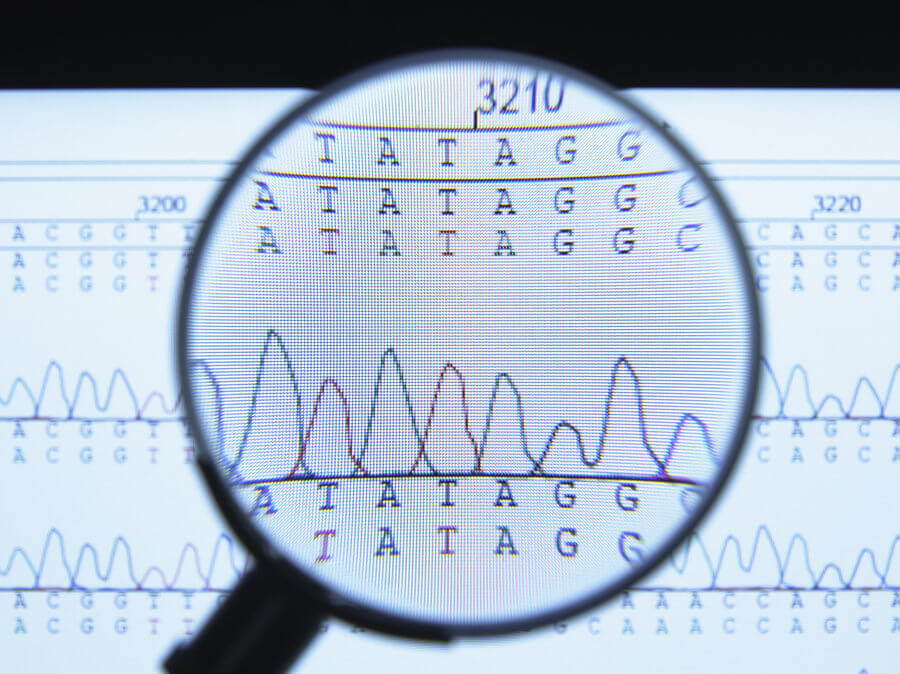
Geisinger doctors will soon start offering patients DNA sequencing as part of routine preventative care, the Danville, Pennsylvania-based health system’s president and CEO Dr. David Feinberg announced…at the HLTH Conference in Las Vegas.

…

Feinberg says they believe sequencing the exomes, the parts of the genome that give instructions for making proteins, at cost of $300-$500 per patient will be cost effective by catching disease earlier or eliminating disease altogether. He gave the example of familial hypercholesterolemia, a genetic condition that causes high cholesterol and an increased risk for cardiovascular disease, heart attack and stroke. One in 250 people have the condition, and guidelines say should it be treated starting at age 8, Feinberg says, but “nobody knows who has it because nobody is testing broadly besides us.”

Patients won’t pay for sequencing, even if they’re not on Geisinger insurance. The health system will foot the bill for sequencing with donor funding and funds from its insurance business as a quality initiative to see if the testing really is cost-effective. Any additional care the patient gets connected to test results will still be billed.

…

“We think by scaling it we’ll hopefully more quickly show the cost-effectiveness of it, and it will become pretty obvious that everybody should be getting this,” Feinberg said.

Read full, original post: Geisinger Says DNA Sequencing As Preventative Care Is Ready For The Clinic

Switzerland’s citizens to vote on complete ban of synthetic pesticides

jpg data

Swiss citizens will get the chance to vote on a complete ban on the use of synthetic pesticides after campaigners secured enough signatures to force a referendum.

More than 100,000 Swiss signed the call for a ban that would apply to all farmers, industries and imported foods.

If the vote is passed, Switzerland would become only the second country after Bhutan to implement a full ban.

But it could be at least three years before voters go to the poll.

…

The Swiss initiative would go much further than the handful of towns and regions around the world that have already banned all synthetic pesticides. It would also be of greater global significance than the ban imposed by Bhutan in 2013, as Switzerland is the home of the world’s biggest pesticide manufacturer, Syngenta.

…

If passed, all synthetic pesticides would be phased out over a period of 10 years.

…

The rules would also apply to imports which could have significant impacts on neighbouring countries as Switzerland imports almost 500kg of food per head of population, according to figures from the Federal Customs Administration.

Read full, original post: Switzerland to vote on pesticide ban ‘in 3 years’

Night shift workers are at greater risk for obesity, diabetes, cancer—but why?

night shift

Researchers have been studying night workers for years, trying to better understand what happens to our circadian rhythms and our bodies when we are up-and-at-it at the time we’re supposed to be asleep. The findings are stark — night shift workers have a higher risk for diseases like obesity, diabetes, and cancer.

But what’s happening inside us? Have the genes that control our internal body clocks (there are trillions of clocks at work all at once, said one researcher who spoke to STAT) gone haywire, ramping up or tamping down in weird ways? Or are those genes digging in their heels, refusing to give up their cyclic nature, making it harder for the bodies of night workers to adapt to their flipped schedules?

It’s complicated, and might be a little bit of both, said Laura Kervezee, a postdoctoral fellow at McGill University.

…

The findings do show a physiological disconnect — many of the genes associated with circadian cycles kept their rhythms, but seemed to fire at lower strength. Many genes couldn’t (or maybe wouldn’t?) adapt their expression to a flip-flopped sleep schedule. Gene expression related to metabolism, and the function of certain immune cells and potential cancer-causing signaling pathways were also altered.

“Very few genes adapt to this new night shift schedule,” Kervezee said.

Read full, original post: New research looks at how our bodies respond (or don’t) to night shift work

Blight-resistant GMO potatoes reduce pesticide use 80% in Ireland field trial

potato b

The environmental impact of potato production can be reduced by 95% by using a genetically modified (GM) blight-resistant potato in combination with a novel integrated pest management strategy.

AgriLand met Dr. Ewen Mullins, the head research officer involved in the four-year GM potato environmental trial carried out at Teagasc Oak Park, to hear all about the results of the AMIGA project – which have now been published – and to understand what the trial was all about.

“Our goal in the AMIGA project wasn’t to advocate the merits of one production system over another. We wanted to look at the agronomic and environmental impact of growing this specific GM potato relative to current systems,” Ewen explained.

…

“It is considered a GM potato, but really, with cisgenics all you’re doing is accelerating the breeding process, bringing in a single wild gene (here it was called VNT1).”

…

The trial allowed the cisgenic variety to be examined in Ireland for its resistance to blight strains in this country and to also investigate its environmental impact.

…

“What we saw is that you can reduce the need for fungicide inputs by 80-90% by using a single source of genetic resistance, which in this case was a gene taken from a wild potato species.

Read full, original post: Tillage focus: GM potato study – see the results here

Geneticist Pamela Ronald: Follow the facts—not your feelings—on GMOs

e c aa f cdf d x

What does the drug insulin have in common with cheese, Hawaiian papaya and a vegan burger? All were developed using genetic engineering, an approach established more than 40 years ago.

…

Every major scientific organization in the world has concluded the genetically engineered foods on the market are safe to eat. These are the same organizations that many of us trust when it comes to other important scientific issues such as climate change and the safety of vaccines.

Despite the record of safety and environmental benefits, the process of genetic engineering (often called “GMO”) still provokes controversy and sometimes, violent protests.

…

By the year 2100, the number of people on Earth is expected to increase to more than 11.2 billion people from the current 7.6 billion. If we don’t change eating habits or reduce food waste, we will need to produce more food in the next 50 years than we produced in the last 10,000 years. And we need to do this while minimizing environmental impacts.

According to David Ropeik, an expert on risk perception,  “If we want to make the smartest possible choices, we need to challenge ourselves to go beyond what instinctively feels right and try to blend our feelings with a careful, thoughtful consideration of what might actually do us the most good.”

Read full, original post: Organic farming genetics and the future of food

How is the gut linked to Parkinson’s disease?

parkinson
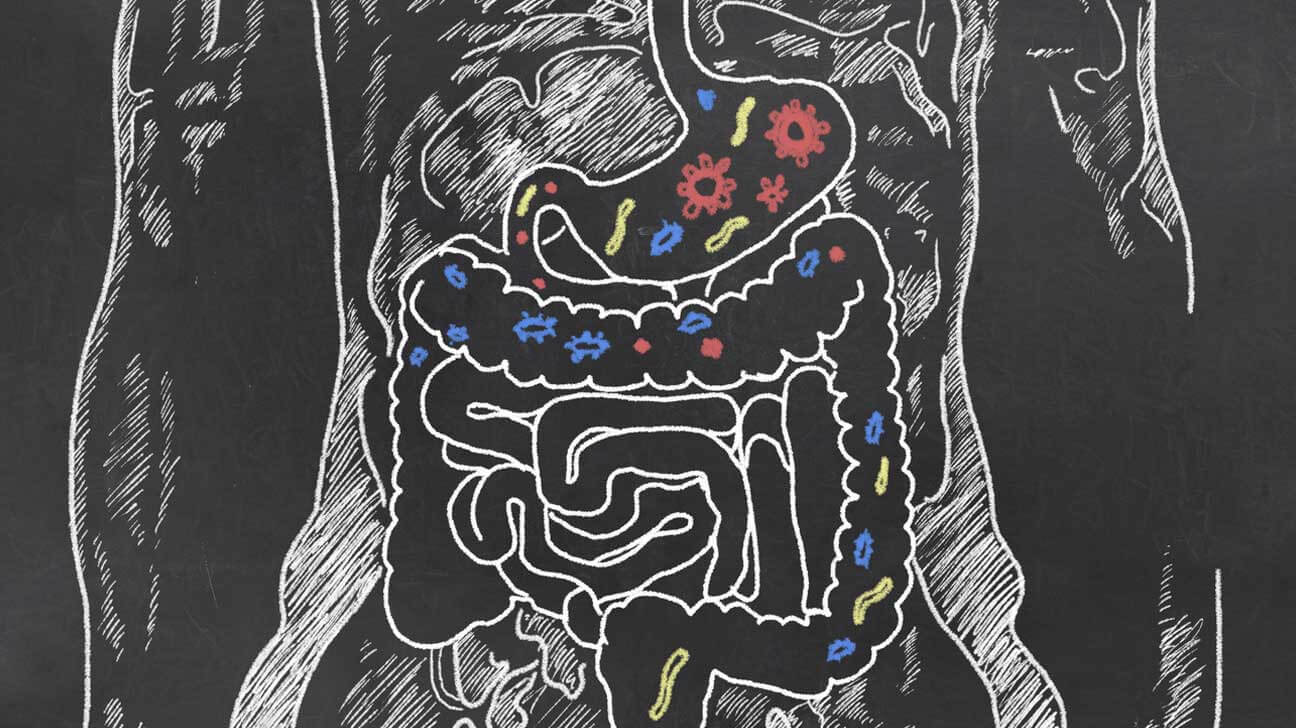
[P]hysicians have noted that constipation is one of the most common symptoms of Parkinson’s, appearing in around half the individuals diagnosed with the condition and often preceding the onset of movement-related impairments. Still, for many decades, the research into the disease has focused on the brain.

…

More recently, they have also focused on the aggregation of alpha synuclein, a protein that twists into an aberrant shape in Parkinson’s patients. A shift came in 2003, when Heiko Braak, a neuroanatomist at the University of Ulm in Germany, and his colleagues proposed that Parkinson’s may actually originate in the gut.

…

The vagus nerve, a bundle of fibers that originates in the brain stem and innervates major organs, including the gut, may be the primary route through which pathological triggers of Parkinson’s travel from the gastrointestinal tract to the brain.

…

If alpha-synuclein does travel from the intestines to the brain, the question still arises: why does the protein accumulate in the gut in the first place. One possibility is that alpha-synuclein produced in the gastrointestinal nervous system helps fight off pathogens.

…

“I think there’s likely multiple sites of origin for Parkinson’s disease,” says Viviane Labrie, a neuroscientist at the Van Andel Research Institute in Michigan. “For some individuals, it might be the gut, for others it might be the olfactory system—or it might just be something that occurs in the brain.”

Read full, original post: Does Parkinson’s Begin in the Gut?

Piglets could ‘fill an important gap’ in Huntington’s disease research

Scientists spreading virus that killed Piglets in China x

A newly established pig model of Huntington’s disease (HD) could provide researchers a more practical way of testing treatment for the inherited neurodegenerative disease.

…

Using CRISPR/Cas9 gene-editing technology, a team of Chinese scientists introduced a segment of a human gene that causes Huntington’s into pig fibroblast cells, the most common cells of connective tissue in animals. Researchers then used somatic cell nuclear transfer, a form of reproductive cloning, to produce pig embryos that carried the genetic alteration.

…

Delivery of treatments to affected nervous system tissues can be better tested in pigs, as they are closer in size to humans, compared with mice – which is often genetically modified to model neurodegenerative diseases. Pigs also offer advantages of faster breeding and larger litter sizes, the researchers said.

…

The genetically-altered pigs showed symptoms of movement problems, as well as respiratory difficulties that resemble those experienced by humans with HD and are not seen in mouse models of HD, according to the study.

In addition, the pigs show degeneration of the striatum, the region of the brain most affected by HD in humans, more than other regions of the brain. The striatum a critical component for voluntary motor control.

…

‘We think the pig model will fill an important gap,’ said co-author Li Shihua in a press release by Emory University.

Read full, original post: Can these cute piglets lead to a cure for Huntington’s? Scientists create cloned pigs to study devastating disease

Carnivorous waterwheel plant ten times faster than Venus flytrap

aldrovanda caught tadpole e

Scientists have characterised the movement of the Venus flytrap’s aquatic cousin in detail for the first time.

The carnivorous Aldrovanda vesiculosa, also known as the waterwheel plant, snaps its “trap” shut ten times faster than the flytrap.

As it is quite rare in the wild, the plant’s mechanism has not previously been studied in great detail.

It is thought that the waterwheel and the flytrap may share a common ancestor.

However there is no fossil evidence for what this ancestor might have looked like.

“This is one of the main questions in the carnivorous plant community,” says Dr Simon Poppinga, an author on the study.

“Snap traps evolved only once in plants. There are two different mechanisms. Which one was first?”

The study … found that the waterwheel doesn’t use quite the same method as the flytrap.

Editor’s note: Read the full study (behind paywall)

Read full, original post: Waterwheel: Ten times faster than a Venus flytrap

Can organic farms produce similar yields to conventional agriculture?

organic farming reduces fertilizer

In February [2018], scientists from Wageningen University & Research in the Netherlands and other institutes published an article [link (behind paywall)] about multi-year research performed at a field test location in Vredepeel in the Netherlands. They concluded that after 13 years of organic cultivation, organic agriculture was almost as productive as conventional agriculture, and with less nitrate leaching into the groundwater.

However, other scientists from Wageningen University & Research identified inconsistencies in the publication [link (behind paywall)] regarding the approach of the research and the interpretation of the results, and decided to reanalyse the setup and results. This showed that the crops cultivated were inconsistent over the 13 years: the early years involved more sugar beets while the later years saw more maize. This made it seem like the yield of the organic crops increased on average, although this was not the case for each crop.

In a comparison between the systems in later years (2011-2016), which saw the same crops being cultivated every year, the difference between organic and conventional agriculture in Vredepeel was a constant 20%. This percentage is in line with all recent meta-analyses, which examined the difference between organic and conventional agriculture based on a large number of studies.

Read full, original post: New analysis of research results: organic agriculture less productive than conventional agriculture

What a headache: Genetic adaptation to cold weather also gave us migraines

a be e b f

A human genetic variant in a gene involved in sensing cold temperatures became more common when early humans migrated out of Africa into colder climates between 20,000 and 30,000 years ago, a study published [May 3] in PLOS Genetics shows. The advantage conferred by this variant isn’t definitively known, but the researchers suspect that it influences the gene’s expression levels, which in turn affect the degree of cold sensation. The observed pattern of positive selection strongly indicates that the allele was beneficial, but that benefit had a tradeoff—bringing with it a higher risk of getting migraines.

…

Using models of population genetics, the researchers inferred that the cold-adapted allele had already existed in the ancestral African population, and that it became more common as people migrated northward.

…

To find out when selection on this variant occurred, the researchers looked for the SNP in the genomes from ancient remains of hunter gatherers or farmers that lived 3,000–8,000 years ago in Eurasia. It turned out that the allele was already common among these groups at least 3,000 years ago.

The connection between TRPM8 and migraine isn’t clear, other than the association. “Selection is optimizing fitness,” says anthropologist John Hawks of the University of Wisconsin-Madison who was not associated with the study. “It doesn’t optimize health, it doesn’t optimize happiness, so sometimes things are pushed by selection and they have negative side effects.”

Read full, original post: Genetic Adaptation to Cold Brought Migraines With It

Viewpoint: Here’s what’s wrong with study suggesting glyphosate damages our gut health

gut biome
Can glyphosate impact gut health? The Guardian reports on a team of scientists who claim to have demonstrated that it can.

One of the report’s authors, Daniele Mandrioli, at the Ramazzini Institute in Bologna, Italy, said significant and potentially detrimental effects from glyphosate had been detected in the gut bacteria of rat pups born to mothers, who appeared to have been unaffected themselves.

“It shouldn’t be happening and it is quite remarkable that it is,” Mandrioli said. “Disruption of the microbiome has been associated with a number of negative health outcomes, such as obsesity, diabetes and immunological problems.”

Beyond that, the reporting on the study is thin to non-existent. Instead, the article mostly consists of other out of context, misleading, and incorrect factoids about potentially unknown health effects related to glyphosate. It’s standard issue Guardian reportage on glyphosate, right down to the links to everything other than the actual paper they were reporting on (always a bad sign), which could be found with a few minutes of sleuthing [PDF].

A reading of the paper finds far less dramatic results and lots of problems, which we’ll get to. Here’s one thing the Guardian reporting left out, that seems worth mentioning:

No unexpected clinical signs or symptoms were observed in the experimental animals during the in vivo phase. In particular, no sign of changes in maternal behavior during lactation (nesting and nursing) were observed during the experiment. There was no clinical evidence of alterations in activity or behavior in pups.

glyphosate 5 16 18The basic story here is that they take a plausible sounding hypothesis – or at least plausible sounding to non-scientists – and conduct a statistical fishing trip through weak study design which is certain to produce “a result” which can be used as clickbait for unskilled health reporters and as agitprop by anti-biotech and anti-glyphosate activists. In this case, rather than the typical statistical fishing trip, instead, they mischaracterized and over-hyped an observation that is going to escape the notice of many health reporters.

The Ramazzini Institute has a reputation for being able to produce results that match their priors but not anyone else’s research. From Forbes contributor Trevor Butterworth:

“The problem hanging over the Splenda finding is that which hangs over the Ramazzini Institute in general: Quality control. No matter what substance the Institute tests for cancer, the results always seem to be positive, whereas other laboratories testing the same substances repeatedly fail to come up with the same findings.”

Dr. Landrigan isn’t known for his rigor of late either. Also worth noting that the Ramazzini Institute is flogging this paper prior to publication, rarely an indicator of well executed science. More often an indicator of agenda driven pseudoscience.

Mis- and disinformation are distorting science and public policy. Subscribe to our Daily and Weekly Digests for incisive coverage of ‘disruptive’ innovations in AI, agricultural biotechnology, food, chemicals, nuclear energy, vaccines, and other disruptive innovations.

The shikimate hypothesis

But is the hypothesis actually credible? Actually, not so much.

One of the reasons that glyphosate is considered to be relatively safe for humans and other mammals is that it targets a metabolic pathway in plants that mammals don’t have. The mode of action, the reason it is devastatingly toxic to plants is irrelevant to mammals. If it were toxic for mammals, it would be for a different reason than why it kills plants.

However, a new line of inquiry has popped up, that seems reasonable at first glance. That metabolic pathway – the shikimate pathway which allows plants to synthesize the aromatic amino acids phenylalanine, tyrosine and tryptophan – is also present in bacteria, including the bacteria that make up the gut flora, the microbiome that is crucial to our digestion, metabolism and other aspects of health. If residues from Roundup and other glyphosate based herbicides (GBH) are making their way into our digestive system, maybe they are inhibiting the shikimate pathway in our gut bacteria. This is what the paper aimed to test.

A number of studies have suggested that GBHs could act as antibiotics in the mammalian gut microbiome. Recent studies have raised concerns about the health effects of glyphosate on gut microbiota of farm animal when fed feed containing residues of glyphosate.

… exploring the effects of GBHs on the microbiota from early-life until adulthood in different windows of susceptibility, may give a more accurate portrayal of the microbial conditions that are involved in pathogenesis.

Possible alterations of the mammalian gut microbiota and its metabolites by environmental concentrations of GBHs in early development, starting from in utero, have never been explored in a controlled laboratory animal study. The present pilot study examines whether exposure to GBHs at doses of glyphosate considered to be “safe”, the US ADI of 1.75 mg/kg bw/day, defined as the chronic Reference Dose (cRfD) determined by the US EPA, affect the composition and diversity of the gut microbiome at early developmental stages in Sprague-Dawley rats.

Here’s the thing though, the shikimate pathway allows for the synthesis of aromatic amino acids, the digestive systems of humans – and rats – are chock full of aromatic amino acids. Gut bacteria have little to no need of producing their own. In fact, the shikimate hypothesis was given a much more robust workout in a paper published earlier this year. In that experiment, rats were fed doses of glyphosate or the commercial formulation Glyfonova®450 PLUS up to fifty times the established European Acceptable Daily Intake (ADI = 0.5 mg/kg body weight). They observed very small, short term effects of those very high doses suggesting that “sufficient intestinal levels of aromatic amino acids provided by the diet alleviates the need for bacterial synthesis of aromatic amino acids and thus prevents an antimicrobial effect of glyphosate in vivo.” (More here)

bacteria glyphosate

If you’d like to stop reading at this point, I wouldn’t blame you. For those soldiering on, we’ll look at some of the problems with the paper regardless of the fact that it wasn’t testing a credible hypothesis.

The EPA’s Acceptable Daily Intake is not the same as real world exposure levels

In the paper, they refer to the need to look at potential effects of GBH at “environmentally relevant doses”, but then end up testing the maximum levels considered to be safe. Whether the maximum exposure levels considered safe by the EPA are actually safe is a valid question to answer, but it’s not the same as testing environmentally relevant doses.

What are environmentally relevant doses?

Alison Bernstein, a Michigan State University neuroscientist studying the role in Parkinson’s disease of epigenetics and environmental exposures, including pesticides, writes:

If we look at the Farm Family Exposure Study data summary (part of the Agricultural Health Study), 60% of pesticide applicators in the study had detectable levels of glyphosate in their urine and the average urine level for was 3.2 parts per billion (ppb). Average urine levels for spouses and children of applicators was less than 1 part per billion with only 4% and 12%, respectively, of each group having detectable exposures.

Actual exposure levels were estimated from these urine levels in this peer reviewed paper. The average exposure of 3.2 ppb for applicators corresponds to a dose of 0.1% of the RfD. Even the highest urine level of 223 ppb reported in the Farm Family Exposure Study corresponds to be only 4% of the RfD. This is equivalent to 0.004 mg/kg/day rather than the RfD of 0.1 mg/kg/day for the most highly exposed individual who didn’t take appropriate safety precautions.

Other reports, such as this one, have measured urine levels in people whose only exposures are dietary, in an effort to gauge dietary exposure levels in non-pesticide applicators. The average urine levels in this study were 0.2 ppb, with a maximum level of 1.82 ppb. Despite methodological concerns and the fact that this report has not been published in a peer-reviewed scientific journal, the levels can be informative. Using the highest level detected, the estimated dietary exposure is only 0.1% of the EFSA RfD (equivalent to 0.5% of the EPA RfD).

Using even the highest estimates of exposures, pesticide applicators are exposed to levels of glyphosate that are a very small percentage of the safe limits. Consumers are exposed to much lower levels. Measures across other studies of agriculture and dietary exposures were consistent with these results.

So, environmentally relevant doses would be 1/1000th of the ADI rather than the full ADI.

Other issues

At this point, it’s probably a bit petty to nitpick the study design after demolishing the entire premise, but there are a few issues worth noting, because they are emblematic of activist research.

The paper is poorly written. Some important things were hard, if not impossible, to figure out. Like what size are the experimental groups? There were 108 pups at post natal days 31 and 57 and 60 at day 125, the end point. As best I can tell, they were divided into six groups. But we are never told the sizes of the groups. If “N= …” appears anywhere in the paper, I can’t find it. Any way you slice it, 108 divided by 6 gives us an average group size of 18 with a 2 to 1 ratio of experimental subjects to controls, this is not an experiment with a lot of statistical power.

Asked about this paper, Alison Bernstein had this to say:

They did a metagenomic analysis of the gut microbiome using standard techniques and calculated diversity indices – also standard. Then they compared those diversity measures. This is not a case of them testing 100s of things and picking only the one. They tested things, essentially found a small change that seems to self-correct. The methods though are not reported in adequate detail, in my opinion, and I find it difficult to figure out exactly what they did. Without seeing their scripts, it’s hard to assess the methods.

Those MDS plots in Figure 2 look more like they cluster by age than anything else – in a very gestalt view, all the figures look like that to me – and remind me of this XKCD panel.

Screen Shot at PM

The results of this are relevant to setting an appropriate NOAEL (No-Observed-Adverse-Effect-Level) to be used to set safe limits. But whether this observed effect is “adverse” is unknown. The authors own report (quoted above) suggests it is not causing adverse effects. In addition, given that we know that real world exposures in the groups with highest exposures levels are orders of magnitude lower than the NOAEL and the RfD, the relevance to actual effects in current real life exposures is limited. This distinction between setting safety limits and modeling real life exposures is lost in the Guardian’s reporting – which is an odd PR push ahead of actual publication.


Not a Get Out of Jail Free Card

One last thing that should be addressed. It is a true fact that the science of the microbiome is an emerging field, with what we don’t know looming larger than what we do know. It’s a field where we should approach this issues with real humility regarding what we don’t know and what we might find out. There are those however that have seized on the uncertainty of microbiome research to insist that implausible ideas should be taken seriously regardless of a lack of evidence or credible mechanisms. Likewise, those people will use the uncertainty of microbiome science to dismiss strong evidence and analysis with some hand waving and chin stroking about “We just don’t know.”

This is irresponsible and dishonest. In this case, we have a lot epidemiogical evidence on the health effects of glyphosate from the Agricultural Health Study. And we have a lot of observational animal feeding trials. And it’s pretty clear that gut flora have access to plenty of amino acids without having to synthesize them. Insisting that there is some health effect that is still eluding our detection with some invocation of what we don’t yet know about the microbiome is not rigorous skepticism, it’s granting yourself a license to believe whatever you want despite the evidence or lack there of. It’s all too often used as a Get Out of Jail Free Card when the thing you want to believe isn’t supported by the evidence. That’s not science, that’s a cheap debate tactic.

Marc Brazeau is the GLP’s senior contributing writer focusing on agricultural biotechnology.  He also is the editor of Food and Farm Discussion Lab. Follow him on Twitter @eatcookwrite.

Making sense of crowdfunding for unapproved stem cell treatments

stem
When FDA approval for a technology or treatment lags behind demand, crowdfunding steps in. Desperate patients or their families launch such campaigns when insurance won’t help. And that goes for potential uses of stem cells.

The diversity of medical conditions in crowdfunding campaigns for stem cell treatments reflects the perception that stem cells can cure anything. Indications range from the common – stroke, autism, multiple sclerosis, to Parkinson’s disease – to genetic diseases, injuries, degenerative conditions, and even infections. Yet some people seek stem cell support for “a fresh lease on life” or “rejuvenation.” More common, though, are tragic narratives of a “last option” or “a few months left.” They’re hard to read.

The issue of unapproved treatments was thrust into the public’s eye with the recent announcement by the FDA that it is seeking to stop a pair of clinics — one in Florida and another in California — from selling stem cell therapies after patients were blinded. At the heart of the issue are FDA regulations that dictate which types of stem cell interventions are not illegal to provide, even if they are not specifically agency-approved for marketing. So it’s complicated. The case of the blinded-by-stem-cells patients was extreme in that it transferred stem cells cultured from their abdominal fat (removed by liposuction) into their eyes — a highly unnatural intervention that goes against the regulations.

Companies can consult FDA regulations to determine which applications of stem cells do not require the agency’s approval for marketing.

A stem cell can divide to yield another stem cell (“self-renewal”) and a cell that can differentiate (specialize). The self-renewal is critical to not using up the precious cells. Stem cells might heal by giving rise to differentiated cell types like neurons, or by secreting growth factors or other proteins. They may replace ravaged cells and perhaps sooth others. Bone marrow is a rich source of stem cells.

web
Map of US clinics that offer stem cell procedures that have not been FDA-approved for marketing. Blue stars indicate “hot spot” cities. Image credit: Leigh Turner and Paul Knoepfler

Crowdfunding campaigns may be short on technical details yet overstate efficacy, based on information from direct-to-consumer stem cell company websites. Jeremy Snyder, PhD, and Valorie A. Crooks, PhD of Simon Fraser University in British Columbia, and Leigh Turner, PhD, from the University of Minnesota, recently published “Crowdfunding for Unproven Stem Cell–Based Interventions” in the Journal of the American Medical Association. They found 50 campaigns on YouCaring and 358 on GoFundMe, searching with the names of 351 companies identified in a 2016 study, “Selling Stem Cells in the USA: Assessing the Direct-to-Consumer Industry” published in Cell Stem Cell.

The 408 crowdfunding campaigns overall sought $7,439,308, with $1,450,011 contributed from 13,050 donors, and 111,044 social media shares. The investigators rated the degree of confidence in efficacy of the sought-after treatment. Of the 408 campaigns, 43.6% (178) made “definitive or certain” statements about efficacy, 30.4% (124) were “optimistic or hopeful,” 15.4% (63) “definitive and optimistic,” but only 10.5% (43) didn’t claim efficacy.

Only 36 of the campaigns mentioned risks, but that’s understandable, said Dr. Turner. “Individuals who have created these campaigns are hoping to obtain donations for procedures they believe will help them. They’re focused on creating compelling narratives that will convince friends, neighbors, and strangers to donate to them, and on the therapeutic benefits that they hope will result from the stem cell interventions.”

Cases

The new paper is only a page and doesn’t mention specific crowdfunding campaigns, but they’re easy enough to find.

The case of a guitarist for the band Snot is classic. He suffered two heart attacks at an age young enough to suggest a strong genetic predisposition, which he acknowledges, and then states that heart disease is “absolutely preventable through diet and lifestyle,” which presumably the rockstar lifestyle failed to provide. He says he has done research that convinced him that mesenchymal stem cells (MSCs) are the way to go. His page cites this article as evidence of efficacy. It reviews studies demonstrating how MSCs can fight heart disease — but nearly all of them are in mice.

Another case: Ron. He posted in 2015, when he was seeking $21,600 to be part of the Stem Cell Ophthalmology Treatment Study (SCOTS), a clinical trial offered by MD Stem Cells to stop or reverse a number of eye conditions, including his Stargardt’s disease, which causes blindness from macular degeneration.

SCOTS also enrolls people with retinitis pigmentosa, age-related macular degeneration, Ushers syndrome, glaucoma, ischemic optic neuropathy, Lebers hereditary optic neuropathy, and a variety of optic atrophies (degenerating eyes) from injury, inflammation, toxins, or autoimmunity. “We’re interested in optic nerve or retinal disease that is on a cellular basis. Macro changes such as a retinal detachment aren’t eligible,” said Steven Levy, MD, study director at MD Stem Cells. The stem cells, from the patient’s own (autologous) bone marrow, are injected behind the eyeball and also given intravenously. These stem cells naturally home to the circulation and the brain.

Ron would be part of Arm 3 of the clinical trial, which is seeking 500 participants. The trial is open-label and non-randomized – that is, no controls, such as an untreated group. But that’s common for clinical trials for rare diseases, in which treated patients are compared to natural history studies that track the course of an untreated illness.

Patients must travel to the Fort Lauderdale area for a 3-day stay, after clearance by their primary care physician.

Bone marrow stem cell x
Bone marrow contains hematopoietic stem cells (HSCs) and mesenchymal stem cells (MSCs). Both are FDA-approved to treat certain blood conditions.

Bone marrow retrieval isn’t cheap. The $19,600 “includes preoperative examination and testing, examination and testing for 6 months postoperatively, four MDs involved in various stages of the study, all surgery center fees including anesthesia, and the FDA-approved machines and disposable packs used to separate out the stem cells,” said Dr. Levy. Travel costs are extra.

Ron’s GoFundMe page quotes from Dr. Levy: “There are three groups of treatments or arms of the study which may be reviewed on the NIH website.” And the company’s website refers to “NIH registered studies.”

Might a patient infer that the NIH has sanctioned the trial, rather than just it’s listing at ClinicalTrials.gov? I can sell a spittoon on Craig’s List without being a professional antiques dealer.

Typically the NIH, a pharmaceutical company, or a not-for-profit such as a parent-run foundation funds a clinical trial. “In most clinical trials, study subjects are not charged fees to participate. In contrast, individuals enrolled in what are often called ‘pay-to-participate’ studies are charged thousands or tens of thousands of dollars. … some businesses are using the ClinicalTrials.gov registry to promote stem cell interventions that study subjects are charged to receive,” wrote Dr. Turner in Regenerative Medicine in September 2017.

web
An HSC leaving the bone marrow. Image credit: Dr. Kate Patterson, Garvan Inst. of Med. Research, NSW

Evidence of efficacy

MD Stem Cells’ website says that the company “provides the only stem cell treatments in ophthalmology with medical journal published, statistically significant results.” The studies are indeed in peer-reviewed journals, but claims of statistical significance seem to refer to the measures of improved vision, and not (yet) to the numbers of patients. The investigations are small.

A study from 2017 of 10 patients, 8 of whom did well, for non-arteritic ischemic optic neuropathy, lead to the company’s claim that “In our report there was statistically significant visual improvement for a sizable majority (80%) of patients, with over 73% of individual eyes benefitting from the treatment.” Percentages on a sample size of 10 patients/20 eyes seems odd.

In a case report from 2015, a young woman who lost her vision over a few weeks due to an undiagnosed form of optic neuritis dramatically improved after stem cell treatment, from 20/800 in the right eye and 20/4000 in the left, to 20/100 in the right and 20/40 in the left. A second case report was published in 2015 too, and another in 2016. Findings on 5 patients with Leber’s hereditary optic neuropathy were also published in 2016.

A soon-to-be-published study will add 17 patients (33 eyes) treated for retinitis pigmentosa, said Dr. Levy. Eleven patients had improved binocular vision while 6 remained the same.

That’s a total of 35 patients followed in the reports, but hundreds have been treated, according to the company website. I wonder how many have been treated and disappointed. A controlled clinical trial that proceeds through phase 3 would provide that type of information.

Despite the small samples, the findings are promising. But the company is careful. On the opening webpage, beneath the mention of statistical significance in good journals and “scientifically proven results” is, just a click away, a DISCLAIMER: “The stem cell studies available through MD Stem Cells are Institutional Review Board (IRB) approved and FDA compliant. They are open label, non-randomized efficacy studies and no guarantees of specific results or improvements to participating patients are being made.”

So all is transparent if a potential patient reads the disclaimer and understands the workings of ClinicalTrials.gov and the FDA. Delving into the actual FDA regulations reveals that companies can indeed provide certain types of stem cell procedures. And changes afoot at the agency may encourage small stem cell companies to pool data, perhaps finally building the numbers to get FDA approval and insurance companies on board for more treatments.

regenerative medicineView From the FDA

In March 2018, Peter Marks, MD, PhD and FDA Commissioner Scott Gottlieb, MD, published in The New England Journal of Medicine “Balancing Safety and Innovation for Cell-Based Regenerative Medicine.” Their goal: to ease the identification of stem cell treatments that work.

The FDA considers stem cells part of regenerative medicine. The Public Health Service Act includes them among the “HCT/Ps” – “human cells, tissues, and cellular and tissue-based products.” Sections 351 and 361 then divvy up stem cells into two groups.

Section 351 lists specific products that FDA regulates: a “virus, therapeutic serum, toxin, antitoxin, vaccine, blood, blood component or derivative, allergenic product, or analogous product, … applicable to the prevention, treatment, or cure of a disease or condition of human beings.”

Section 361 doesn’t mention cell types, but says FDA can regulate a product for ability to spread infection. So if a variety of stem cell doesn’t fall under 351, then all it has to be is infection-free to inject it into a patient.

But in 2005 came a critical change. The Code of Federal Regulations part 1271 of Title 21 fleshed out description of cells under section 361, affecting the offerings of stem cell companies. Cells should be:

  • minimally manipulated
  • have the same function in the body (so no tummy fat injected into the eyes)
  • free of another drug or biologic
  • have a localized (not systemic) effect
  • not require metabolism to activate them

The fat-to-eye transfers in the Florida clinic violated the first two criteria: the cells were manipulated and did not end up where they would in a healthy human body. But according to part 1271, things like skin, amniotic membrane, sperm, tendons, heart valves, and corneas just need to be listed with the FDA. There’s no requirement for an investigational new drug or biologics license application following clinical trials. Gene therapies, targeted cancer drugs, cultured nerve and cartilage cells, stem cells from non-relatives — all must traverse the FDA labyrinth to market approval. But not some stem cells, like those from a patient’s own body that go to a place they normally would.

Mis- and disinformation are distorting science and public policy. Subscribe to our Daily and Weekly Digests for incisive coverage of ‘disruptive’ innovations in AI, agricultural biotechnology, food, chemicals, nuclear energy, vaccines, and other disruptive innovations.

More recently, the FDA announced a regenerative medicine advanced therapy (RMAT) designation to catalyze investigations if preliminary clinical evidence indicates targeting an unmet medical need for a serious or life-threatening condition. Plus, the RMAT can include “traditional studies as well as the submission of patient registries or other sources of real-world evidence,” Drs. Marks and Gottleib write. So the patients who pay for their treatments may ultimately speed the FDA approval that insurers seek.

In November 2017, the FDA released a comprehensive framework for oversight of regenerative medicine to help companies distinguish which stem cell applications require pre-market approval. Part of the framework is to encourage small groups of physicians to develop clinical trial protocols to test treatments, manufacturing their own products and delivering them, then pooling data. If the treatment is safe and efficacious, then FDA would provide a biologics license to each group, providing incentive and lessening the need to seek funding from pharma or from crowdfunding.

Sums up Dr. Turner:

From a regulatory perspective crowdfunding sites could serve as an investigative gold mine. But then one reason hundreds of U.S. businesses are selling unproven and unlicensed stem cell interventions is that the FDA has paid insufficient attention to this marketplace. The FDA’s commissioner, Scott Gottlieb, has made some encouraging remarks about increased enforcement efforts but to date I haven’t noticed a reduction in the number of businesses, misleading advertising claims, or crowdfunding campaigns established by individuals targeted by these clinics.

In the meantime, patients who turn to crowdfunding may find hope, perhaps tempering the feeling of helplessness that builds as symptoms worsen. Although Dr. Turner is critical of companies that oversell their stem cell products and finds the crowdfunding pitches disturbing, he understands the desperation. “We’re all an illness or accident away from joining their ranks, assuming we’re not already among them.”

Ricki Lewis is the GLP’s senior contributing writer focusing on gene therapy and gene editing. She has a PhD in genetics and is a genetic counselor, science writer and author of The Forever Fix: Gene Therapy and the Boy Who Saved It, the only popular book about gene therapy. BIO. Follow her at her website or Twitter @rickilewis.

Consumer DNA tests: Answering questions ‘we didn’t even know we had’

tristam dna

23andMe is among a crop of new services that have arrived to help us mine our genetic material for answers to questions we didn’t even know we had. These services’ ancestral algorithms are based on estimates and probabilities, not certainties, but they nevertheless claim to distill the self into a series of appealingly specific data points onto which personal narratives can be written.

…

And as DNA test results are shared publicly — spawning their own YouTube genre (“Am I REALLY Hispanic? DNA Test Results!”) and Twitter memes — they transform into a tool for talking not just about ourselves, but about race, often in ways that obscure its realities.

It’s probably not a coincidence that these mechanisms of biological self-discovery are on the rise now, amid seething tensions over racism, immigration and what constitutes a “real American.” White supremacists are drawn to DNA testing to prove their racial purity.

…

But progressive white people seem to be using these services in a different way: as methods for performing racial harmony and assuaging white guilt.

…

[M]any white users perform delight at any hint of non-European origins in their results. In “Irish People Take a DNA Test,” one woman rejoices when she learns that she is 4.2 percent Jewish. “I knew there was a bit of Jew in me!” she exclaims. “I’m glad that I have other bits in me.”

Read full, original post: The Racial Spectacle of DNA Test Result Videos

Early feedback on USDA’s GMO labeling proposal reveals ‘significant disagreement’

webimage DE BB F B BA B EFBF FFCA

If the first wave of comments to its proposed rule on GMO labeling is anything to go by, USDA’s agricultural marketing service faces a daunting task as it seeks to nail down its national bioengineered food disclosure standard, with early feedback revealing significant disagreement over every issue from the interpretation of ‘bioengineered,’ to the merits of the term itself.

Unsurprisingly, perhaps, given how polarized this debate has become, the early comments (mostly from consumers and academics as industry stakeholders and other organizations are likely to submit comments closer to the July 3 deadline) reveal sharp divisions over the term ‘bioengineered,’ a word which many argue is confusing to consumers more familiar with terms such as ‘GMO.’

Many commentators also dislike the green and yellow ’BE’ logos suggested by USDA in its proposed rule, which one commentator blasted as ‘wildly misleading,’ and another claimed might be confused for the ‘bio’ organic food symbol deployed in Germany.

Commentators on both sides of the debate, meanwhile, expressed concerns about potential exemptions to the rule, which plant scientist Professor Kevin Folta argued only “make the useless rules even more useless.”

Read full, original post: First wave of stakeholders weighs in on ‘bioengineered’ labels: ‘Exemptions make the useless rule even more useless…”

European Seeds Association: Foods made with new breeding techniques shouldn’t be labeled

S JWNGBJVZEPZJAQUBITNSO LU

Labelling products that result from the so-called new plant breeding techniques would provide little new information and would therefore make no sense for consumers, Garlich von Essen, secretary-general of the European Seeds Association (ESA), told EURACTIV.com.

New plant breeding techniques (NPBTs) focus on developing new seed traits within a given species through genetic engineering. The European Court of Justice (ECJ) is expected soon to decide on whether these techniques would fall under the GM legislation or not.

“Product labelling makes sense only where it gives additional information on the quality or specific characteristics of products. But where products resulting from the latest breeding methods are the same as products resulting from conventional breeding, i.e. are identical as regards their qualities and specific characteristics, such a label would not provide any substantial additional information,” von Essen said.

The biotech industry says no foreign DNA is present in the genes of seeds obtained through NPBT and thus they should not be considered GMOs. On the other hand, environmental NGOs call these techniques “hidden GMOs” and say they should be labelled as such.

Read full, original post: EU seeds industry: No sense to label products from new breeding techniques