[W]ith the help of improving DNA analysis techniques, researchers are seeing what they can learn from particularly old waste: that found in ancient latrines. Their study used DNA analysis to identify parasite eggs from latrines at archaeological sites in Bahrain, Jordan, Denmark, the Netherlands, and Lithuania.
…
By identifying parasites associated with different animals, the research offers a glimpse into what people in these particular places and times ate, as well as which animals they shared their living spaces with. We spoke with study author Martin Søe to learn more about his findings and the techniques that made them possible.
…
Søe: Perhaps most straightforwardly, people used latrines for much more than their own feces. The presence of parasite eggs from pig tapeworm, horse roundworm, mouse whipworm, and sheep and goat tapeworm clearly shows that feces from these animals were also thrown into the latrines. This indicates that the animals lived in the close proximity to the sampled locations. The identification of fish and pig tapeworms shows that people ate raw or undercooked meat.
…
Our findings are basically two-fold. First, that the remains of parasite, animal, and plant DNA can paint a picture of how humans lived in a given place and time. Second, by using shotgun sequencing, we obtained a broad sampling of the DNA remaining in the samples.
Read full, original post: Ancient latrines contain DNA clues about past diets, hunting, and animal domestication
In a new book called The Great Rift: Literacy, Numeracy, and the Religion-Science Divide, Michael E. Hobart offers a new twist on a huge old metanarrative: the death of God. Something or other happened in Renaissance Europe, the story goes, and it eventually distanced scientists from religion. Hobart locates this great shift in the field of mathematics.
…
Because this form of knowledge went beyond ordinary language, which previously was the primary means of conveying information, people slowly began to conceive of a world contingent on “natural” laws rather than the word of God.
…
Of the sixteenth century, Hobart writes that mathematical analysis, with its “abstract and functional thinking about natural processes,” would ultimately rid science of any lingering religious beliefs. As a result, “a new mindset, the analytical temper, was in the making.” Really? Large claims about the interiority of human beings from a different time are not so easily proven. Hobart makes them in lumpen sweeps.
…
In each scientific analysis, Hobart goes from step to step judiciously. But each time he returns to the arc of his book-length argument, he rests passively on the extant metanarrative.
…
Although it is impossible to fault the passion with which he has ventured into historical mathematics’ every daunting nook and baffling cranny, the speed and the sweep of Hobart’s argument makes it hard for a reader suspicious of metanarrative to remain unsuspicious of his book.
Monsanto Co has appealed to India’s Supreme Court against a ruling by the Delhi High Court which decreed [in April] that the world’s biggest seed maker cannot claim patents on its GM cotton seeds, a company spokesman said on [May 4].
The Delhi High Court [in April] concurred with Indian seed company Nuziveedu Seeds Ltd (NSL), which argued that India’s Patent Act does not allow Monsanto any patent cover for its genetically modified (GM) cotton seeds.
Monsanto has appealed to the Supreme Court, said a Monsanto India spokesman.
“In the Supreme Court, we’ll maintain our stand that agricultural products, including seeds, cannot be patented in India,” said Narne Murali Krishna, a company secretary for NSL. “The judgement of the Delhi High Court has already vindicated our stand.”
New Delhi approved Monsanto’s GM cotton seed trait, the only lab-altered crop allowed in India, in 2003 and an upgraded variety in 2006, helping transform the country into the world’s top producer and second-largest exporter of the fiber.
Monsanto’s GM cotton seed technology went on to dominate 90 percent of India’s cotton acreage.
[Neuroscientist Michael Heneka] and his team had eliminated a key inflammation gene from a strain of mouse that usually develops symptoms of Alzheimer’s disease. The modified mice seemed perfectly healthy. They sailed through memory tests and showed barely a sign of the sticky protein plaques that are a hallmark of the disease.
…
Since then, numerous studies have bolstered the link between dementia and the brain’s immune system, highlighting the cells and signals involved. But none has managed to fully pin it down.
…
Microglia have turned out to be central to the link between inflammation and neurodegeneration (see ‘Help or hinder’). The cells have two major functions. They take care of the general health of neurons and their synapses — the junctions between neurons where they communicate with one another. And they patrol the brain, searching for threats and problems.
…
How might microglia, which evolved to keep the brain in good order, become a force for the bad in Alzheimer’s? Last year, Heneka and his colleagues published evidence suggesting a plausible mechanism for the switch, at least in their mice. They found that activated microglia discard the remnants of inflammasomes in tiny clumps called specks, and that these specks go on to seed new amyloid-β clusters, spreading the disease across the brain. “A perfect storm,” says Heneka. “Toxic amyloid-β promotes inflammation, which promotes more toxic amyloid-β.”
Genome engineering using CRISPR–Cas9 technology has come a long way in a very short time. … Now, CRISPR–Cas9 has passed another milestone with the decision by the United States Department of Agriculture (USDA) to clear a crop developed using CRISPR for commercial growth without regulation as a genetically modified organism (GMO).
[Editor’s note: The post is part of an editorial by the journal Nature Plants]
…
The United States takes an essentially functional view of GMOs, not concerning itself with the technologies that created the animals or plants but rather what the effects of the manipulations have been.
…
[Michel Bobek, Advocate General of the Court of Justice of the European Union, recently reached] the opinion that “an organism obtained by mutagenesis can be a GMO” if it is altered in a way that does not occur naturally by mating and/or natural recombination.
…
This will not be the end of the debate. Bobek was asked to address the question in the first place at the behest of nine French, non-governmental organizations opposed to GMOs who presumably hoped to restrict the mutagenesis exemption to pre-2001 technologies. However, with the USDA decision and Bobek’s opinion it seems that legislatures on both sides of the Atlantic may be edging towards a more consistent and rational approach to modern genomic engineering.
Precision medicine is not really new. Doctors have always wanted to deliver increasingly personalized care. The current term describes a goal of delivering the right treatment to the right patient at the right time, based on the patient’s medical history, genome sequence, and even on information, gathered from wearable devices, about lifestyle, behaviors, or environmental exposures: healthcare delivered in an empiric way. When deployed at scale, this would, for example, allow doctors to compare their patient’s symptoms to the histories of similar patients who have been successfully treated in the past. Treatments can thus be tailored to particular subpopulations of patients. To get a sense of the promise of precision medicine—tantalizingly miraculous at times, yet still far from effective implementation—the best example may be cancer.
…
The development of resistance is less a reflection of the efficacy of targeted therapeutics than of the cancer’s ability to evolve. Cancer cells proliferate through division, and mutate rapidly. If a single cancer cell among millions happens to be resistant to a particular therapy, that cell and its progeny eventually become dominant drivers of the patient’s disease.
…
The reality is that for most patients, advanced lung cancer remains fatal. Leading-edge therapies such as targeted medicine have helped only a subset of the population. “Cancer medicine is the furthest ahead” in the use of genomic analysis to guide therapy, [Deborah] Schrag says, “but it still has a long way to go.”
While GMOs typically make a disproportionate splash in the media, the reality is that there are very few different types of GMO crops grown today in the U.S.
This is partly because of the massive time and expense that goes into researching, developing, and testing the kinds of food items that the public typically considers to be a GMO. We’re talking roughly five years and over $100 million, in many cases. That doesn’t even take into account the approval process of the government entities that are involved, which can add five to seven years onto getting the product to market.
C.A.P.S. is a common mnemonic device used to help people remember what high-tech genetically engineered products are currently available:
Canola
Cotton
Corn (field and sweet)
Alfalfa
Arctic apple
Papaya
Potato (Ranger Russet, Russet Burbank, and Atlantic potatoes, among others)
Soybean
Squash (Yellow Crookneck squash and some zucchini)
Though Uganda’s scientists, working with international partners, have now developed better staple crops, their hands have been tied by the success of an anti-GMO fear-mongering campaign run by the powerful Non-Government Organisation (NGO) lobby in Kampala.
Several promising innovations have been caught in the political logjam.
…
WEMA maize and the disease-resistant cassava, banana and potato crops will stay behind fences for the foreseeable future, because Uganda’s political situation has become more anti-science due to pressure from activist groups based in the capital.
These NGOs have fought long and hard to block these improved crops, spreading utterly false scary stories that “GMOs cause cancer and infertility,”’ and persuading politicians — including the country’s president — that better crops will somehow magically threaten or eliminate traditional and indigenous varieties.
…
The deteriorating political situation is already having predictable knock-on effects with food insecurity, environmental destruction and higher use of chemicals.
Uganda is a country with much promise, but banning science and innovation is surely not the way to make the most of it.
Coral reefs have been devastated in recent decades by “bleaching” events caused by overheating oceans and other factors that kill off populations of coral. [We have now] learned that perhaps half of Australia’s Great Barrier Reef has died.
But some researchers are hoping new gene-editing tools like CRISPR – Cas9 may provide new insights and perhaps even the means to save corals from becoming the wreckage of a warming world.
A new study led by researchers at the Stanford University School of Medicine suggests CRISPR could be used to modify some some coral genes. But the goal is not to genetically engineer a tough and resilient super-coral designed with climate change and other challenges in mind.
Stanford postdoctoral scholar and lead author Phillip Cleves says engineering a bulletproof coral of sorts is currently implausible and raises major ethical quandries.
“Right now, what we really want to do is figure out the basic mechanisms of how coral works and use that to inform conservation efforts in the future,” he said.
…
“This is an all-hands-on-deck moment,” he said. “If we can start classifying what genes are important, then we can get an idea of what we can do to help conservation, or even just to predict what going to happen in the future.”
Scientists think they’ve stumbled upon a newly discovered mechanism that could explain why some people’s hair turns gray and others become afflicted with patches of unpigmented skin, a rare, stigmatized condition called vitiligo. Their research, published Thursday [May 3] in PLOS Biology, suggests a gene that regulates the natural pigment melanin also keeps our immune system from turning on itself.
Our skin, eyes, and hair get their color from melanin, which is produced by melanocytes, cells found throughout our skin and various other body parts. Melanocytes also happen to be one of the first things to go as we get older, making it an important cell for scientists in the field of aging to study.
…
In mice bred to become prematurely gray, the team had noticed, their production of MITF was unusually high, likely leading them to exhaust their supply of melanocytes. They predicted that breeding these mice to make less MITF would slow down the process. But to their surprise, it didn’t…
In their latest work, they believe they’ve answered the question of why.
MITF not only seems to supervise the production of melanin within melanocytes, but also controls genes responsible for releasing interferons, immune proteins that help fight off viral infection…
Without enough MITF, the breeding experiments revealed, the mouse melanocytes produced too many interferons, which then goads the immune system into attacking the melanocytes. The process was different, but the result was the same: gray fur.
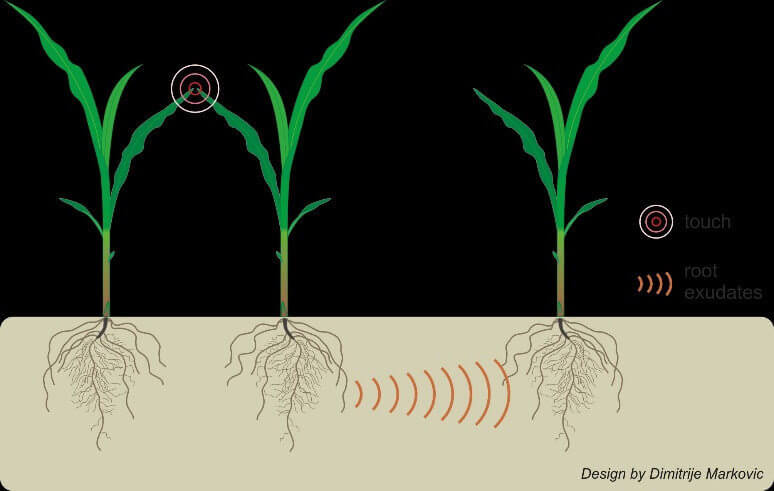
Plants are more sensitive than they might seem. Although they stay in one spot, they are monitoring and reacting to the world around them; in some cases, they even remember the stresses and stimuli of the past. They’re also aware of the community of plants around them, and in a new paper, published in PLOS ONE, a team of scientists shows how plants monitor underground signals and react to the stresses their neighbors experience, too. How do plants react, they wondered, when they know a nearby plant has been touched?
…
You could think of it sort of like gossip: One plant warns the others that it’s been touched and that there’s competition over in its direction. But [ lead author Velemir Ninkovic, a senior lecturer at the Swedish University of Agricultural Sciences] says he tends to think the right analogy is listening.
…
When Ninkovic first started working in this field, he says, he was skeptical of the idea of plant-plant communication. But over the past several years, a growing body of evidence has shown that plants are paying much more attention, in their particular plant way, to the world around them than we ever realized.
It started as a tremor in his left hand and arm. It seemed harmless, but it surprised him. He was a gardener in his 50s and had no history of rheumatism or seizures or any other significant pain. He brushed it off at first, chalking it up to the exhausting daily work. But it wouldn’t go away. Writing and reading became difficult. He could not direct his fork to his mouth, and had to be fed.
It was the early 1800s, and a surgeon in London had started to collect notes — not just on the gardener but on a number of patients with similar symptoms. Their hands simply failed “to answer with exactness to the dictates of the will.”
The years dragged on; the disease spread to the gardener’s legs, and his trunk started to bow significantly. People couldn’t understand him when he spoke. He passed urine without knowing. The tremors became more and more violent, waking him at night. Nobody understood what he was suffering from.
Finally, in 1817, Dr. James Parkinson published an essay on this shaking palsy. He apologized for his speculative approach, writing that “analogy is the substitute for anatomical examination, the only sure foundation for pathological knowledge.”
Two centuries later, the disease named for Parkinson is still a puzzle. It is now known that the telltale external symptoms — rigidity, slow movement, a resting tremor — result from a loss of dopamine-rich neurons in a region of the brain called the substantia nigra. But the complete network of steps leading to this cell death is still vague, and the underlying causes remain one of medicine’s great mysteries.
Rudi Balling, director of the Luxembourg Center for Systems Biomedicine. Image credit: ScienceRelations / LCSB
“It’s like a Russian doll,” Rudi Balling, director of the Luxembourg Center for Systems Biomedicine (LCSB), says of this network. “Within each molecule, there are so many functions.”
Now his group’s collaborative and freely accessible project is trying to unpack the disease.
For more than nine years, LCSB, with initial assistance from the Systems Biology Institute in Tokyo, has been developing a Parkinson’s disease (PD) map to build a “sketch” of the disease and the trail it leaves behind in the body. There are very few such disease maps. This is the first of its kind for Parkinson’s and perhaps one of the most detailed visual representations of any disease.
Today, after piecing together elements of the disease, the mapmakers feel they have reached the point where they can claim solidly grounded content. They present the PD map as a sandbox where researchers can annotate the connections further and analyze experimental data.
The map opened to the public in 2013, populated with almost 1,000 reactions from about 400 articles. It has since grown threefold, constantly updated with input from the research community. The team, which started out with 10 people curating the first 2013 release, has been building the map, picking out clues from more than 1,300 research papers. (While it started as a collaboration with the Systems Biology Institute, LCSB now curates and develops the map on its own, anchored by a molecular biologist, and two computer scientists.)
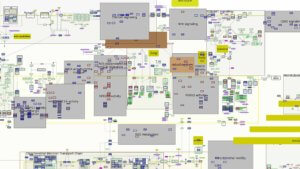
A detail from the Parkinson’s disease map. Image credit: Luxembourg Center for Systems Biomedicine
Over the last six years, the mapmakers have assembled thousands of clues to the disease at every level — genes, cells, molecules, symptoms, metabolic changes — linking each element and its interactions and building a visual network of all that is known about the molecular mechanisms of Parkinson’s disease.
The current version of the map calls to mind one of those TV drama investigative scenes, with detectives poring over the crazy wall of clues and connections. Gather all the known parts in one place and one might find new links to solving the puzzle, and open up new questions and avenues for research.
In a way, it seemed like the obvious thing to do — a space where all that is known about the disease is collected, sorted and contextualized. Cataloging molecular pathways isn’t new: Commercial tools like Ingenuity Pathway Analysis and MetaCore analyze pathways and gene maps. But the PD map distinguishes itself by being a fully open visual interface drawn from published research, showing all biological elements specific to the disease and connected to one another.
The map was a merger of two ideas. In the 2000s, Balling, a geneticist by training, was the scientific director of the German Research Center for Biotechnology (now known as the Helmholtz Center for Infection Research), and steered it toward research on infections. Through the same period, a group at the Systems Biology Institute in Tokyo, led by Hiroaki Kitano, had been developing visualization techniques and biological map models.
Mis- and disinformation are distorting science and public policy. Subscribe to our Daily and Weekly Digests for incisive coverage of ‘disruptive’ innovations in AI, agricultural biotechnology, food, chemicals, nuclear energy, vaccines, and other disruptive innovations.
In 2009, Balling became the director of the newly founded LCSB. He was convinced that for a variety of diseases, there were many mechanisms that interacted with each other, and scientists “needed to disentangle those” to get a feel for the disease. Building on the Systems Biology Institute’s map work, Balling brought in the idea of curating an open-access disease map, a way to chart out the networks around a specific disease and filtering out everything else.
The map has drawn praise from other experts. “I think it’s great work,” said Douglas Kell, a professor of bioanalytical sciences at the University of Manchester, who is not involved with the Luxembourg research. “These people know what they are doing.”
An open map was a strategic move. This was a time when the LCSB was a new entity in the research community. Unlike other research groups, they were not invested in any specific research path — or disease, for that matter. At the same time, they needed to establish themselves quickly and make their presence felt. Creating an open-access linked repository of everything Parkinson’s was a first step.
The map is also open to private players like pharmaceutical companies, who use it to research drug-discovery tools. Balling says he is not overly concerned that some players will use the data to turn a profit. “You can go overboard with being greedy,” he said. “It fires back.”
His intuition is that there will be a move away from a “single disease” approach and toward an effort to find the links among diseases like diabetes, various types of cancer, Parkinson’s, and Alzheimer’s. In a couple of decades, there may no longer be a need to have a separate Parkinson’s disease map. “It will be a victim of its own success,” he predicted.
Decades of probing brain cells have thrown up a smorgasbord of correlations with Parkinson’s disease: malfunctions in connections between neurons, in calcium regulation, and in mitochondria, the cell’s energy centers; a condition called oxidative stress, which is toxic to neurons; microbial imbalance in the gut; metabolism of iron gone awry, leading to inflammatory changes; and proteins clumping together to form structures called Lewy bodies. Only a small fraction of Parkinson’s cases — about 5 to 10 percent — can be attributed to genetic mutations. The overwhelming majority of cases have no such deterministic path.
Individually, the molecular pathways are flag posts on a road map for the disease, faint under the fog of uncertainty. Parkinson’s appears to run on two parallel roads — the slow progression of the disease in a patient and the still slower unmasking by researchers of the network of events that leads to the first cell death.
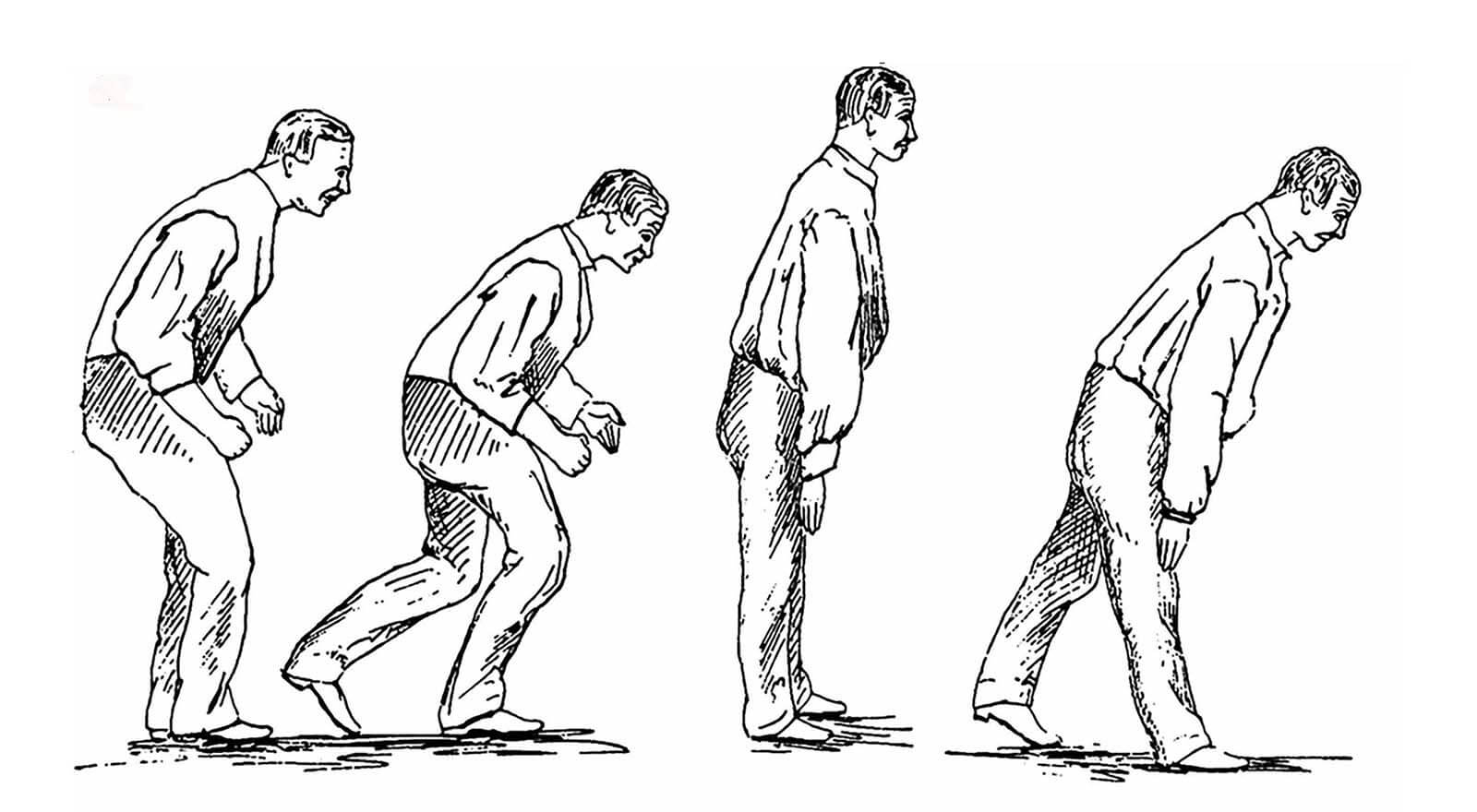
Drawings from 1888 by the French neurologist Jean-Martin Charcot, contrasting two types of Parkinson’s disease. Image credit: Cold Spring Harbor Laboratory Press
The disease map might be a space where the two roads cross. But building it has proved something of a thankless job — a lot of clue gathering with no significant finding yet. The effort is not far from what James Parkinson was doing over two centuries ago, but with one important difference. Parkinson was jotting down patient symptoms, which were a result of neuron death. It was useful, but too late to prevent further damage. Even today, motor disorders are only visible in a patient when half of the neurons in the substantia nigra are dead. By gathering early clues, the mapmakers hope to reconstruct the pathways that lead to the death of neurons.
At every new iteration of the map, they improve upon the model with more connections drawn from the literature. Experts in specific pathological pathways guide them at curation workshops through the delicate dance of what to include and what to leave out.
The map starts out with a global overview of Parkinson’s pathways. As you zoom in, specific molecular interactions become visible, like the close-ups of city streets and buildings on Google Earth. In a searchable literature index, each paper has annotated links to show its place in the bigger picture of the disease. Take, for instance, a search on the degradation of defective mitochondria by a process called mitophagy. The latest search hit, a 2016 paper in the journal Cell Stem Cell, leads to four elements on the PD map.
The paper showed how mutations in a gene, LRRK2, triggered a set of roadblocks that made cells unable to shed faulty mitochondria. Instead of being safely broken down, the deteriorating mitochondria dump reactive chemicals that are toxic to the cell. The gene’s link to Parkinson’s has been known for many years. But this research hinted at a specific way in which mutations in the gene set the ball rolling for the death of neurons and the spread of the disease. This finding is visually represented on the PD map. Deep within the map, you see the finding depicted as a set of links between mutating genes and their effects. As you zoom out, you see it in the context of everything else known about the neighboring interactions. The new links are like bridges that pop up across existing buildings. Thus it goes for every interaction extracted from every research paper — each relationship between molecule and process is fit within the map.
Despite this attempt to capture the bigger picture, the mapmakers’ work remains frustratingly obscure. Academic publications on Parkinson’s hardly mention using the PD map. When they opened it to the world, the LCSB team had hoped for more interaction with other scientists. It has not quite turned out that way. It’s not widely known even within the Parkinson’s community.
One reason is a lack of communication among different Parkinson’s researchers. “People are rather siloed,” said Kell, the Manchester bioanalytical sciences professor. “Different people work on their favorite gene.”
A single researcher investigating one strand of the disease can hardly be expected to keep up with the whole field. If the map is a tree of links between different molecules, each paper could be thought of as a branch of molecules. Xinnan Wang, an assistant professor at Stanford University and the principal investigator of the LRRK2 paper, had not heard of the PD map when I interviewed her in October 2016. (The paper was not yet on the PD map at the time.) The map was a useful tool to understand the field and see what others have discovered, she said. But everything still needed to be validated with an experiment. “You look at other people’s work, you get excited,” said Wang. “But in the end, you have to still do the work.”
The other groups that need to be involved are clinicians and patients. The map is a long way from making that explicit connection between what doctors see in their patients and what scientists might see in a cell in a petri dish. Understanding the disease is necessary, since most treatment is palliative and based on empirical knowledge. But for the map to be meaningful, it needs to also be relevant to clinicians who deal with patients and who are looking for the “tremor within the map,” said Stephan Gebel, curator and coordinator of the PD map.
A French medical text from 1892 shows a woman and a man with Parkinson’s. Image credit: National Library of Medicine
Today, researchers come to the map more frequently to understand the disease better. But the LCSB team is hard pressed to articulate the map’s impact in the field because people haven’t yet used it as an integral tool for analyzing their experimental data. In June 2016, the LCSB team presented the map’s potential by showing how a protein called alpha-synuclein might have an earlier role in the progression of Parkinson’s (at least in mice) than had been known. It was the first use of the PD map as it was intended, Gebel said —not just as a knowledge repository, but as “a new way to evaluate data.” The mapmakers are beginning to progress from mere curation of data to making sense of it.
It may well be a few years before this can lead to new questions. The PD map is backed not by a hypothesis, but by a guiding philosophy that complex living systems are more than the sum of their parts. This approach only echoes what has been uttered across the centuries, from Kant to Goethe to Schrödinger, that an overly hypothesis-driven approach could cloud our judgment and prevent us from seeing phenomena in relation to one another and to ourselves.
But while the PD map sheds light on the bigger picture, it will remain incomplete if other researchers don’t step in. The LCSB team worries that it will lose its value if it doesn’t make itself a useful tool for Parkinson’s researchers. The sentiment is not very different from that of James Parkinson in his 1817 essay. He apologized for his opinions on shaking palsy “in their present state of immaturity and imperfection.” He felt he had shed light on a bigger picture. But he hoped that it would motivate other surgeons to investigate further, or the work would never be complete.
Venkat Srinivasan is a writer based in Bangalore, India. Follow him on Twitter @vns2.
There was a brief moment in 2015 where organic farming researchers were having an open discussion on adopting certain innovative plant breeding techniques (commonly referred to as NPBTs or NBTs). Then, just as fast, the radical end of the organic lobby (from International Federation of Organic Agriculture Movements (IFOAM) to the Organic Consumers Association (OCA)) shut down the discussion with an emphatic rejection, calling them: “GMOs through the backdoor”.
With the label “New GM” or “GMO 2.0”, the activists (intentionally) failed to understand how the new technologies worked. Certain plant breeding techniques like CRISPR/Cas9 gene editing, cisgenesis or site-specific mutagenesis are not necessarily adding any foreign DNA into the organism. This blanket activist rejection was a monumental misstep, dealing perhaps a fatal blow to the hopes that organic farmers would ever be able to compete with conventional agriculture.
Why on earth did they shoot their farmers in the foot?
Zealots to the front
The organic food lobby is a big tent, but the anti-industry, labeling faction has the strongest voice (and deepest pockets). A 2016 Corporate Europe Observatory (CEO) report, “Biotech lobby’s push for new GMOs to escape regulation”, encapsulated the madness of Radical Organic’s rejection of the innovative breeding techniques, putting it down to:
Big Biotech. They see the development of the new technologies as further big industry dominance on farmers and consumers. Organic is perceived as small and traditional so the idea of Big Biotech patents on organic farmers runs against their marketing grain. The activists seem to have missed the low cost of these new technologies and how African researchers are using them to solve serious problems on their own.
Non-transparent. Activists are afraid some plant innovations could be introduced without regulatory authorizations or may go easily undetected. The demand to have them treated in Europe as GMOs is to ensure new seed developments get lost in the tall grass of the endless EU approval minefield.
Non-natural. It does not matter if a newly-bred plant has the same DNA as traditional plants. Campaigners will reject what does not come from a “natural” seed, or bred through conventional (natural?) processes. Now this may sound absurd (frankly, it is), but the activist cult believes that anything man (science) does will eventually end badly.
Mis- and disinformation are distorting science and public policy. Subscribe to our Daily and Weekly Digests for incisive coverage of ‘disruptive’ innovations in AI, agricultural biotechnology, food, chemicals, nuclear energy, vaccines, and other disruptive innovations.
The CEO report and the 2015 IFOAM NBT position paper were quite helpful in understanding the activist strategy. First, all innovative plant breeding technologies have been grouped together under the same label as NBTs, so if one breeding technique involves a foreign genetic modification, all are then categorized as “GMO 2.0”. Once that link is made, they then insist that the European Union considers all seed registrations based on innovative breeding technologies under the GMO regulatory regime, assessing them not on the basis of the product but the process. Add the tired but effective uncertainty communication campaigns and the activists can go home assured that the EU will be seed-technology-free for at least two more decades.
The longer the EU lets them play this game, the easier the scaremongering campaigns will be. There are two curious elements added to the organic lobby strategy: consider these plant breeding innovations as an American threat (recycling the anti-TTIP rhetoric) while preparing the ground for lawsuits should the European Commission take a “pro-science” perspective.
My advice for plant researchers
Until now, the research community’s response and the NBT Platform’s advocacy have had little effect or clear strategy. I would advise the following:
Scrap the NBT label. The European Commission should not be pushed by NGOs to make a decision on whether the seven “new” techniques are GMO equivalents because, simply put, the seven are all distinct forms of plant breeding. Not grouping them in a single basket, some techniques then could work very well for organic seed development (whether the zealot fringe like it or not).
Engage the food chain. The downstream food manufacturers will need to be woken up and encouraged to (finally) participate in this debate. The potential benefits of these innovative forms of plant breeding to the food chain are enormous – food producers cannot continue to stay silent and let the fear-mongers dictate their food strategies.
Wake organic farmers up. Once again, the hardliners leading the organic industry lobby are taking farmers down the dead-end path of lower productivity and poorer quality seeds. Organic farmers need to clean out the radical gardeners from their movement.
Stress the wonders and benefits of advances in genetic research. We are curious and positive toward genome developments in healthcare and would be equally open to these same innovations on seed technologies provided the following elements were widely understood:
That the benefits are clear, welcomed and solve critical problems (particularly in developing countries)
That the technologies are cheap, accessible and much of the research is done in universities
That the researchers are individuals striving to discover, enhance and improve agriculture.
The window may not stay open much longer to tell these stories to an open and curious public.
Indeed, small organizations or academics breeding beneficial plants similar to traditional strains that reduce pesticides and improve agriculture is a story that activists in the organic lobby don’t want told to the general public.
Perhaps that is the main reason the activists are opposing the new plant breeding generation.
David Zaruk has been an EU risk and science communications specialist since 2000, active in EU policy events from REACH and SCALE to the Pesticides Directive, from Science in Society questions to the use of the Precautionary Principle. Follow him on Twitter @zaruk.
USDA’s Agricultural Marketing Service has issued a proposed rule to implement the landmark legislation requiring some form of disclosure of biotech ingredients on food packaging.
…
USDA’s proposal maintains the bioengineered food definition set by the 2016 law: A food “that contains genetic material that has been modified” and “for which the modification could not otherwise be obtained through conventional breeding or found in nature.”
…
In an effort to ensure compliance with the Vermont law and other potential pieces of legislation, many food companies started to voluntarily disclose the presence of bioengineered products, typically through language such as “partially produced with genetic engineering.” USDA, however, suggests using “bioengineered food” or “bioengineered food ingredient.”
…
The proposed rule also creates symbols that can be used for disclosure. The symbols (pictured above) use the letters “BE” to denote the presence of bioengineered products.
…
AMS sets January 1, 2020, as the date for compliance for large food companies, and a year later for small companies, defined as those with less than $10 million in annual receipts.
Most of our antibiotics have come from microbes that live in the soil. These organisms naturally make antibiotics for their own survival, to compete against other bacteria. We’ve mined this resource for ourselves, but now the soil is coming up dry.
…
Finding new antibiotics in these remote environmental sources has proved to be a challenge. But deep in the caves, [microbiologist Hazel] Barton has found something different—microbes that have already developed antibiotic resistance.
…
[I]n Lechuguilla Cave in Carlsbad Caverns National Park, [b]etween 2008 and 2011, Barton went into areas of the cave that had been almost completely isolated for millions of years. In a region known as “Deep Secrets,” more than 1,300 feet from the surface, Barton found microbes that were resistant to multiple antibiotics we use in medical care.
…
Barton says,“[t]he continued notion that resistance just emerged in the last 60 to 80 years is a bit silly. Antibiotic resistance probably evolved with the evolution of antibiotics themselves.”
…
[I]f we know all the ways bacteria can become resistant, we’ll be better equipped to interfere. Barton calls it “inhibiting the inhibitor.” Some microbes evolve the ability to produce specific molecules to block antibiotics. According to Barton, if we can figure out what those are, we can, in turn, block them, allowing the antibiotic to be effective again.
Sunday, April 22nd, marked nearly 50 years since millions of people gathered for the first Earth Day. Their celebration raised awareness in the US and across the globe of modern environmental threats, including those posed by agriculture.
…
The solutions, according to many advocates, lie in cutting back on modern indulgences and supporting alternatives to the conventional food system. These include buying food from local farmers, shopping organic, eating less meat or at least eating free-range meat, and avoiding processed foods.
…
While these recommendations have merit, and certainly intuitive appeal for many, the reality of sustainability is far more complicated.
…
Recent research into sustainable agriculture has given rise to a new paradigm. I call it Ecomodern Eating. Ecomodern Eating challenges many widespread assumptions, highlighting the importance of agricultural productivity and innovation in building an eco-friendly and delicious food future.
…
For chefs and others willing to challenge the status quo, there are many ways to embrace Ecomodern Eating. One approach is to recognize the existing benefits of highly productive and efficient farms. Another is to support innovative agricultural practices and foods. Buying plant-based meats, for instance, helps this nascent industry keep developing products that replace conventional meats. And embracing the new wave of genetically engineered foods can have large environmental benefits. For example, non-browning apples and potatoes, which only recently hit the market, can reduce food waste.
Read full, original post: Eating Environmentally Requires Embracing Technology and Industry
By transplanting blood stem cells that had been gene-edited to resist HIV infection, scientists at Fred Hutchinson Cancer Research Center were able to shrink the size of dormant viral “reservoirs” in infected animals, according to research results published [recently] in PLOS Pathogens. Reducing or eliminating these persistent reservoirs is a key step toward curing HIV or, to use a term borrowed from cancer, driving the virus into remission so that daily antiretroviral drugs aren’t needed. “The number of latently infected cells, which we call the viral reservoir, was reduced,” said lead author Dr. Chris Peterson.
…
The edited cells made up about 4 percent of total white blood cells — not yet enough to induce remission, Peterson said. The next step will be to tweak editing techniques so that more of the gene-altered cells “take,” or engraft, and multiply after transplantation, driving up the percentage and further driving down the reservoir.
Shrinking the reservoir is key because HIV integrates itself into the DNA of some of the longest-lived cells in the body, where it goes into a dormant state but can wake up at any time and produce new virus.
…
Peterson used a gene-editing technique called zinc-finger nucleases, or ZFNs, to disrupt a receptor used as a doorway by most forms of HIV.
…
The modified stem cells were then returned to repopulate the immune system.
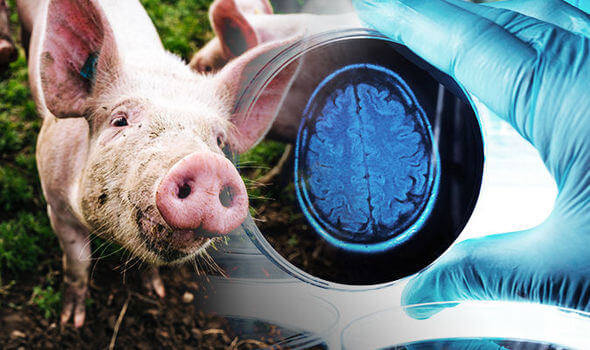
Researchers at Yale University have restored circulation to the brains of decapitated pigs, and kept the organs alive for several hours. Their aim is to develop a way of studying intact human brains in the lab for medical research. Although there is no evidence that the animals were aware, there is concern that some degree of consciousness might have remained.
…
Prof [Nenad] Sestan is among the first to raise potential ethical concerns. These include whether such brains have any consciousness and if so deserve special protection, or whether their technique could or should be used by individuals to extend their lifespans – by transplanting their brains when their bodies wear out. In a commentary published [recently] in the Journal Nature… Prof Sestan and 15 other leading US neuroscientists called for clear regulation to guide them in their work.
…
“This question might seem outlandish. Certainly, today’s experimental models are far from having such capabilities. But various models are now being developed to better understand the human brain, including miniaturised, simplified versions of brain tissue grown in a dish from stem cells. And advances keep being made,” [said the authors]. The researchers say that ways of measuring consciousness need to be developed and strict limits set for them to be able to continue their work with the public’s support.
You’ve probably heard the news that genetically engineered (GE) Atlantic salmon is on the way.
…
Here are six other genetically engineered animals that never made it as far downstream as the AquAdvantage salmon:
Mastitis-resistant livestock
The very first genetically modified cow bred for human food was named Annie. She was born in March of 2000….
At the time, scientists were trying to breed a cow that would be genetically resistant to mastitis, a staph infection that develops in milk ducts during breastfeeding.
…
“It’s not very often that you get to say you cured a disease,” Kevin Wells, an ARS geneticist, and one of the project’s lead scientists, later told Harvest Public Media. “But because of the fear of public perception, those animals, no one’s even attempted to take them to market.”
…
Enviropig
In 1999, the first pig genetically modified for food was created by scientists at the University of Guelph, outside Toronto. The enviropiglet had genetic material, attached to mouse DNA, which produced an enzyme that worked on digesting phosphorus and secreting less of it in his poop. If this little mouse-pig had gone to market, it would’ve been tremendously attractive to hog farmers trying to minimize pollution, like toxic algal blooms, caused by their runoff.
Editor’s note: Click the link below to view the full list


















 Zealots to the front