A new age is dawning in Europe, one that offers an opportunity to fully realize the power of biotechnology to benefit both people and planet.
…
What will tomorrow bring? From curing diseases, like cancer and cystic fibrosis, to tackling plastic waste in our oceans and addressing food security, innovation in biotechnology offers limitless opportunities. Grasping them requires legal certainty and, ultimately, public engagement. The public should be engaged on the global importance of biotechnology to people and the planet; they need to see how we approach culturally important or sensitive sectors like healthcare, food, and farming. Fortunately, the opportunities for communication and better harnessing the many different applications of biotechnology in Europe are growing.
…
[I]t is time for science-based decision-making and an end to scientifically unjustified biases against GMOs, which have been held in regulatory roadblocks for years. … The non-factual demonization of any tool that can and does deliver benefits is an affront to science and should not form the foundations for any legitimate discussion about our food system. It is time to usher in a new age of biotechnology for Europe and the world
Editor’s note: John Brennan is the secretary general of EuropaBio, Europe’s largest biotech industry group
For every 100 people in the world, only one or two will have red hair.
And when you meet a red head with blue eyes, you are looking at the rarest colour combination of all for human beings.
Around 17 percent of people have blue eyes, and when combined with 1-2 percent having red hair, the odds of having both traits are around 0.17 percent. That’s 13 million people, out of the 7.6 billion on Earth.
So with numbers this low, could redheads with blue eyes actually go extinct?
The reason these looks are so unusual is because they are the result of two different sets of DNA instructions, or mutations, happening in the same person, explains Professor Mark Elgar, an evolutionary biologist from the University of Melbourne.
“The mutations occurred tens of thousands of years ago, and have now become established as different versions or variants of the genes that help determine our skin and eye colour.
“Red hair and blue eyes are both recessive traits which means a person needs to inherit both of the genes for red hair and blue eyes, from both parents. In contrast, brown hair and brown eyes are dominant traits, which is why they are much more prevalent.”
In some regions of the world, red heads are more common, making up 10-30 percent of the population in Scotland and Ireland for example. Blue-eyed people are also more common in the Baltic regions of Northern Europe.
“There are a number of ways rare traits can be lost from a population,” says Professor Elgar.
“A common misconception is that when a trait is rare, it could be lost through a dilution effect – the few individuals that carry the gene don’t reproduce, and so it is lost to future generations.
“But although it is recessive, red hair is unlikely to suffer from this effect. Even when we can’t always see red hair, many people still carry the genes.
“Another case is where a gene reduces an individual’s chance of reproducing, perhaps by increasing the risk of early mortality, and again, these genes would become rarer over successive generations,” he explains.
The origins of red hair
Red hair originates from mutations in a gene involved in skin and hair pigmentation, called melanocortin 1 receptor (MC1R) on chromosome 16.
MC1R is like a control point for the pigment melanin. The ‘red hair’ mutations in this gene results in a person producing more of the red pigment phaeomelanin, present in our lips and nipples, and less of the eumelanin pigment that results in brown skin and hair and tanning of skin.
The flow-on effect of the mutation is not only pale skin, but red hair and often freckles too.
Professor Elgar notes that MCR1 is also ‘quantitative trait’ which means that depending on which version of the mutation a person carries, there is variation in the appearance of those who carry the gene.
“This is why redheads can range from strawberry blonde, brownish auburn hair or flaming red tresses.”
Mis- and disinformation are distorting science and public policy. Subscribe to our Daily and Weekly Digests for incisive coverage of ‘disruptive’ innovations in AI, agricultural biotechnology, food, chemicals, nuclear energy, vaccines, and other disruptive innovations.
There may also be other genes involved in the red hair colour, such as on chromosome 4, but changes in MC1R are a common factor.
Several studies have revealed a surprising, non-visible effect of the MC1R mutation. They found that redheads have a different response to pain than people with other hair colours.
One study found that people with red hair are more sensitive to thermal pain while other researchers concluded that redheads are less sensitive to electrically induced pain.
Studies also show that surgeons need to use 19 percent more anaesthetic on redheaded women than brown-haired women to sedate them.
The theory behind the red hair and pain relationship is that the MCR1 protein has two roles. It acts as a receptor or ‘receiver’ for pigment-driving hormones as well as the pain-relieving hormones known as endorphins.
The origins of blue eyes
In 2008, researchers discovered a genetic mutation that took place 6,000-10,000 years ago and is thought to be the original genetic source of all blue-eyed humans alive on the planet today. The mutation is also in a gene responsible for the pigment melanin, this time in the iris of the eyes.
Scientists originally thought eye colour was determined by a single gene and followed a simple inheritance pattern in which brown eyes were dominant to blue eyes. However, later studies showed this model was too simplistic and there are multiple genes involved in eye colour.
The main genes responsible are OCA2 and HERC2, located on chromosome 15. Several common variations in the OCA2 gene result in less melanin in the iris, leading to blue eyes instead of brown in people that carry the variation.
A region of the nearby HERC2 gene also controls the activity (expression) of the OCA2 gene, turning it on or off as needed. So, although it is uncommon, parents with blue eyes can have children with brown eyes.
The good news for the recessive traits of both red hair and blue eyes is that many more people carry the genes than we can see.
“Recessive genes can stay hidden for a long time, which is why brown-eyed parents can have blue eyed child, just as brown-haired parents can have a redheaded baby,” says Professor Elgar.
“If both parents carry the MC1R gene, there is a one in four chance their baby will have red hair, a two in four chance they will be a carrier of the gene and only a one in four chance of not passing on the gene at all.
“So happily, it does not look like the traits will disappear due to dilution of either the redhead or the blue-eyed genes from the human population.”
Redheads in the sun
But the MC1R mutation can affect the health of redheads.
A recent study found 42 percent more sun-associated DNA mutations in melanomas from people carrying just one copy of the ‘red hair’ MC1R gene variant. These are people with one copy of the mutation who don’t always have red hair and pale skin – redheads have two copies of the mutation.
Researchers predict that because the MC1R mutation results in higher levels of the reddish pigment phaeomelanin, this results in greater susceptibility to UV damage to DNA.
The higher DNA mutations are estimated to be equivalent to two decades more sun exposure than other skin types.
Professor Elgar points out that the mutation for paler skin may actually have been an advantage as humans moved out of Africa into northern latitudes, where sunlight is less intense.
“Because lighter skin improves the absorption of sunlight, it would have enhanced the production of vitamin D by the body in these countries.
“Conversely, redheads now living in regions with intense sunlight, like Australia, are at a disadvantage because they lack the pigment eumelanin in their skin. This pigment makes the skin darker and act as a natural sunscreen. The high amounts of melanin in the iris of brown eyes also provides sun protection, which blue eyes do not.”
The mechanisms that result in melanoma are complex, and the effects of MC1R are just one piece of the puzzle because people with only one copy of the MC1R mutation have increased risk, and melanomas also occur in areas of skin that are not exposed to sunlight.
Cancer Council Victoria’s SunSmart Manager Heather Walker says the good news is sun protection can reduce the risk of skin cancer risk at any age.
While redheads may be at higher risk of skin cancer than other Australians, we are all susceptible to the disease. So all of us need to protect our skin when we’re outdoors during sun protection times (when the UV level is 3 or higher).
“In summer, most Victorians need just a few minutes of sun exposure mid-morning or mid-afternoon for vitamin D levels. The body only absorbs a limited amount of vitamin D at a time, so spending extra time in the sun won’t increase vitamin D levels, but will increase your risk of skin cancer.
The Cancer Council also advise monitoring skin for new spots or spots that change in shape, size or colour and to see your doctor as soon as possible to get checked out.
Professor Elgar adds that with respect to cancer and other life-threatening conditions, ultimately and sometimes unfortunately, the survival of particular attributes of our species only comes down to whether individuals living long enough to pass on their genes to offspring.
“Female, redheaded humans usually reproduce long before the average onset age of skin cancer, around 60 years (but it can occur as young as 30 especially in women). So we wouldn’t expect the gene for red hair to die out due to the negative effects of the MC1R gene.”
It seems the future looks bright for blue-eyed redheads, because enough people carry the genes to keep these traits appearing in the human population.
So as long as redheads look after their pale skin in the sun, they should have a healthy life with their glorious locks.
Nerissa Hannink is a senior media advisor at the University of Melbourne.
Cassava is a major staple food for millions of people in the tropical regions of the world.
In Uganda it is a major food crop for people in East and Northern Uganda. But it is particularly important for people in the West Nile region, with families preparing it as a main course, accompanied by dry fish or smoked beef. It’s prepared with peanut butter, fried beans, green vegetable stew and other sauces.
However, production of cassava is significantly hampered by Cassava Brown Streak Virus (CBSV) and Ugandan cassava brown streak virus (UCBSV), which have devasted yields in the East African region. And farmers are eagerly awaiting new varieties – including the potential for GMO versions – with stronger defenses.
Early this year I traveled to the West Nile region to speak with farmers engaged in growing the crop as commercial venture. A number of them expressed disappointment since most traditional cassava varieties they have been growing have succumbed to the viruses.
Making matters worse is the fact that the hybrid Nase14, once recommended for its ability to stave off CBSV, is losing its effectiveness.
Farmers’ perspective
Abdallah Drasiku is a farmer growing hybrid cassava varieties Nase19, Naro Cas1 and Naro Cas2 on the family’s land in Olali village in Arua District. The 80-acre tract is used for mixed farming – with sections dedicated to maize, tobacco and cassava.
He started growing cassava in 2012 when he planted TME14 on a 12-acre section, but it was severely damaged by the virus. The following year, he planted Naro Cas varieties on a 20-acre tract and he was able to supply over 800 bags of cassava stalk to the National Agricultural Advisory Service. He later milled the processed tuber and obtained 200 bags, each weighing 100kg.
Cassava damaged by Brown Streak Virus. Image credit: Lominda Afedraru
But the following year, his efforts were again hurt by the virus, destroying his dream of another bumper harvest.
Drasiku is a university graduate who has since embarked on farming as a business and is not thinking of looking for employment. He hopes now that the scientists at the National Agricultural Research Organization will be able to release new GMO cassava varieties to commercial farmers. Said Drasiku:
“I am aware that our scientists have been breeding GMO cassava variety which has shown resistance to CBSV. However I do not understand the reason why such a crop with viability to increase our income must be released when there is a law regulating it. Is there a way scientists can come up with an option of releasing GMO crops to farmers minus an existing law?”
There is still considerable uncertainty, however, regarding Uganda and GMO crops. The nation’s parliament on October 4, 2017, passed the long-awaited Biosafety Act of 2017. However, the president questioned some sections of the law. It was returned to parliament and the committee responsible for the bill to make amendments. The law is again awaiting the president’s signature.
Farmers in West Nile no longer look upon cassava as simply a subsistence crop. They see it as a viable commercial crop. The demand is increasing in refugee camps in the region and neighboring countries, Democratic Republic of Congo and South Sudan.
He is ready to embrace new hybrid crops developed by NARO scientists – including GMO varieties.
“At the moment my major source of income is from selling cassava stalk and cassava flour processed from hybrid varieties. I am sure the GMO variety has the potential of giving maximum yield since it is resistant to CBSV.”
He is aware of applied science in breeding hybrid cassava varieties which farmers have planted and people have consumed it and this applies to GMO cassava and other GMO crops. To him, what is important to note is that farmers will have the option to choose whether to grow GMO crops, hybrid or the traditional varieties.
Mis- and disinformation are distorting science and public policy. Subscribe to our Daily and Weekly Digests for incisive coverage of ‘disruptive’ innovations in AI, agricultural biotechnology, food, chemicals, nuclear energy, vaccines, and other disruptive innovations.
Robert Cwinya Ai is another farmer, who has benefited from hybrid cassava varieties.
He planted Nase14 and Naro Cas1 on 6 acre land in 2015 and so far he has sold cassava stalk worth 350 bags to NGO’s distributing to refugees settled in the district.
But he argues that the harvest from these hybrids is not sufficient, since some plants tend to succumb to CBSV:
“I have been in touch with agronomists from Abi Zonal Agricultural Research and Development Institute (AbiZard) in Arua because they advise farmers about cassava disease management. When we spot whitefly which spreads the virus, we try to spray them with chemicals which are costly. We need an appropriate solution and that is release of GMO cassava variety.”
Scientists from NARO have educated the farmers about the importance of growing cassava with readily available market in brewing industries.
In Uganda, ethanol is being used to make alcoholic drinks, fuel and solvent. Ethanol produced from cassava is a better alternative for gasoline, promises cleaner combustion, promotes a healthier environment and is economically viable.
The starch from cassava is also used in the industrial sector to make glue, animal feeds, paper, plywood and textiles. To Cwinya Ai growing GMO cassava would help farmers meet the demand from those industries.
Legislator’s perspective
One of the area legislators, Denis Lee Oguzu, who seems opposed to the GMO bill notes that “the innovations by NARO scientists including application of modern biotechnology are good because farmers are able to grow crop varieties on commercial basis. My only concern is that let NARO scientists take the lead in sensitizing farmers about this technology,”
He notes that amendments must be done for the law to address concerns regarding industrial biotechnology, environment and pharmaceuticals.
Image credit: Lominda Afedraru
Breeding of GMO cassava
The need to stay ahead of various viruses that threatened cassava has been an ongoing endeavor throughout the region. East Africa CBSV, which leads to rotting of cassava tubers, was first reported in Tanzania in 1936, followed by Kenya in 1950 and Uganda in 2004, said Dr. Titus Alicai, head of root crops at the National Crop Resources Research Institute (NaCRRI).
Farmers also have faced Cassava Mosaic Virus, which causes yellowing and wrinkling of cassava leaves thereby affecting growth of the tuber.
Developing a GMO variety has been an ongoing effort since 2006, through a regional established partnership with the Virus Resistant Cassava for Africa (VIRCA).
VIRCA is a collaborative research and development program established by the Donald Danforth Plant Science Center in the US, the National Crops Resources Research Institute (NaCRRI) Uganda and the Kenya Agricultural and Livestock Research Organisation (KALRO).
Breeding work is ongoing both in Kenya and Mubuku Irrigation Scheme in Kasese where scientists are selecting varieties resistant to both CBSV and CMV for distribution to farmers in the near future.
Dr Andrew Kigundu, project manager of VIRCA said the breeding effort obtained genes from cassava variety called TME204 with resistant genes which have were introduced to Nase14 and 19 varieties. Scientists planted the transgenic variety in Kasese at the field trial site alongside Nase 14, 19 and 3 which has resistance to CMV.
Breeders pick up flowers from the resistant varieties and rub against flowers of other varieties. The seed was left to grow and later harvested for processing.
Cassava plantlets have been grown from the generated seed in greenhouses and transplanted in fields. It has shown promising results with resistance to both diseases.
Lominda Afedraru is a freelance science journalist in Uganda who specializes in agriculture, health, environment, climate change and marine science. Follow her on the Daily Monitor web site www.monitor.co.ug, Facebook or Twitter @lominda25
The problem of farmer suicides in India is very real, and has been for some time. Suicides are driven by indebtedness, and there are many reasons that farmers find themselves in financially challenging times. In the context of the biotech debates, some of seized on this tragedy and exploit it for political gain, blaming biotech crops for accrued debt. Vaishnavi Tripuraneni is a Ph.D. candidate at the University of Wisconsin. She is from India, and used the opportunity to study the question of farmer debt for her dissertation. She discusses the central drivers of debt from her research.
In keeping with our era of ideological boycotts, I will no longer be purchasing Kind bars. Or Barilla pasta. Or Triscuit crackers. Or Del Monte diced tomatoes. Or Nutro dog food.
A one-person boycott, of course, is really just a change in your shopping list. But the companies that produce these brands are guilty of crimes against rationality. All advertise on their packaging, in one way or another, that they don’t contain GMOs — genetically modified organisms. Walking down the aisle of my supermarket, I could have picked many other examples. Some food companies seem to be saying that GMO ingredients are not even fit for your dog.
My boycott is rooted in the fact that there is no reputable scientific evidence that direct genetic modification — instead of slower genetic modification through selective breeding — has any health effects of any kind. None.
…
There is more than a hint of cultural imperialism when Westerners — grown fat on the success of modern farming — lecture subsistence farmers on the benefits of heirloom breeds and organic methods.
…
As with the anti-vaccination movement, a contempt for science can have a human cost. The risks are very real when societies become detached from reality.
The anti-GMO movement is best described as a religious belief.
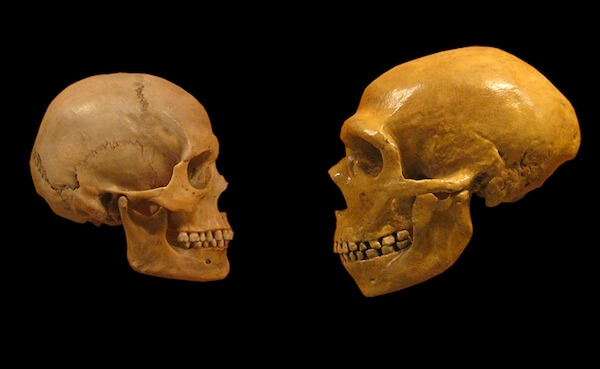
Using computers and MRI scans, researchers have created the most detailed reconstruction of a Neanderthal brain to date, offering new insights into the social and cognitive abilities of these extinct humans. But as to whether these characteristics were responsible for their ultimate demise remains an open question.
New research published [April 26] in Scientific Reports suggests important differences in cognitive and neural function between Homo sapiens and Neanderthals led to differences in behavior that may have resulted in the conditions under which anatomically modern humans succeeded and Neanderthals failed some 45,000 years ago.
…
[T]he researchers uncovered “significant” differences in brain morphology. Even though Neanderthals had larger skulls, and thus larger brain volume overall, H. sapiens had a proportionately larger cerebellum, the part of brain involved in movement, balance, vision, learning, language, and mood.
…
Looking at these differences, the researchers inferred such abilities as cognitive flexibility (i.e. learning, adaptability, and out-of-the-box thinking), attention, language processing, and short-term and long-term memory. Homo sapiens, the researchers concluded, had better cognitive and social abilities than Neanderthals, and a greater capacity for long-term memory and language processing.
…
[A]bility to adapt to changing environment by creating innovation may have been limited in [Neanderthals] and this difference possibly affected their chance of survival and drove the replacement process.
The poll of more than 1,600 18 to 30-year-olds [was] carried out for the Agricultural Biotechnology Council (ABC)….
…
Proposals put forward by Michael Gove, the Environment Secretary, which are currently under public consultation recognise that developing the next generation of food and farming technology could reduce the impact of pests and diseases and improve the UK’s competitiveness.
The ABC has called on the Government to use Brexit and the reset of agricultural policy to take advantage of ground-breaking technologies that have previously been blocked at EU level.
It said the use of gene editing and GM technology in the UK, post Brexit, could help British farming flourish.
Some children with autism carry rare mutations in DNA segments that flank genes and control their expression—and they tend to inherit these mutations from their unaffected fathers, according to a study published [April 19] in Science. The finding is unexpected because most studies implicate mutations inherited from mothers in autism risk. For this reason, some experts are skeptical of the results. The study is the largest yet to explore how mutations outside of genes contribute to autism: It is based on an analysis of 9,274 whole genomes. And it focuses on ‘structural variants’—deletions or duplications in DNA—in these noncoding regions.
…
[Researcher Jonathan Sebat] found that children with autism inherit about twice as many rare variants from their fathers as would be expected by chance. By contrast, rare variants inherited from mothers make a minimal contribution.
…
The results are also at odds with a prevailing theory of autism, the ‘female protective effect.’ According to this theory, women are somehow protected from mutations that might trigger autism, but sometimes pass the mutations down to their sons.
…
Sebat says the findings are not inconsistent with this theory. He says autism could stem from a combination of a powerful coding mutation inherited from the mother and a less powerful noncoding mutation inherited from the father.
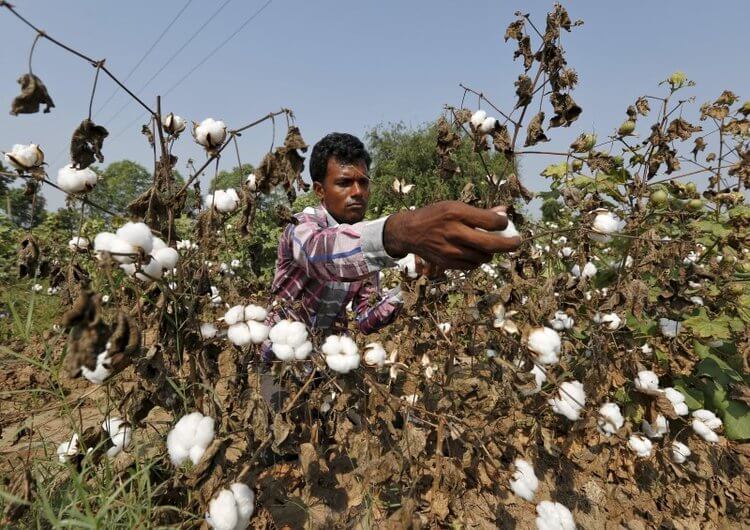
The Supreme Court on Monday [May 7] refused to stay the order of the Delhi high court holding that plant varieties and seeds cannot be patented under Indian law by companies like Monsanto Inc., and any royalties on genetically modified (GM) technology would be decided by a specialized agency of the agriculture ministry.
As a result, the patent held by Monsanto, through its Indian arm Mahyco-Monsanto Biotech Ltd (MMBL) over its Bollgard-II Bt cotton seed technology, a genetically modified variant which resists the bollworm pest, was decreed to be unenforceable in India.
Monsanto’s appeal challenging the Delhi high court’s order of 2 May was brought before a bench headed by Justice Rohinton F. Nariman who sought the response of seed companies over the issue.
…
The court also directed Monsanto to continue with its obligations under the sub-license agreements and allowed “the suit to proceed with respect to the claim for damages and other reliefs”, in the light of the sub-license termination notices issued by Monsanto.”
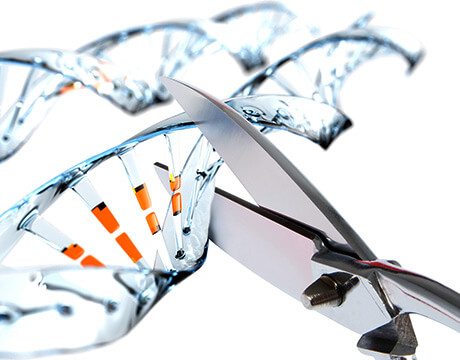
If you’re asking, “what’s Crispr?” the short answer is that it’s a revolutionary new class of molecular tools that scientists can use to precisely target and cut any kind of genetic material. Crispr systems are the fastest, easiest, and cheapest methods scientists have ever had to manipulate the code of life in any organism on Earth, humans included.
The long answer is that Crispr stands for Clustered Regularly Interspaced Palindromic Repeats. Crispr systems consist of a protein with sequence-snipping capabilities and a genetic GPS guide. Such systems naturally evolved across the bacterial kingdom as a way to remember and defend against invading viruses.
For now, Crispr is still a biologist’s buzzword. But just as computers evolved from a nerdy, niche tool for math geeks to a ubiquitous, invisible extension of our own bodies, so Crispr will one day weave seamlessly into the fabric of our physical reality. It will simply be the way to solve a problem, if that problem is remotely biological in nature.
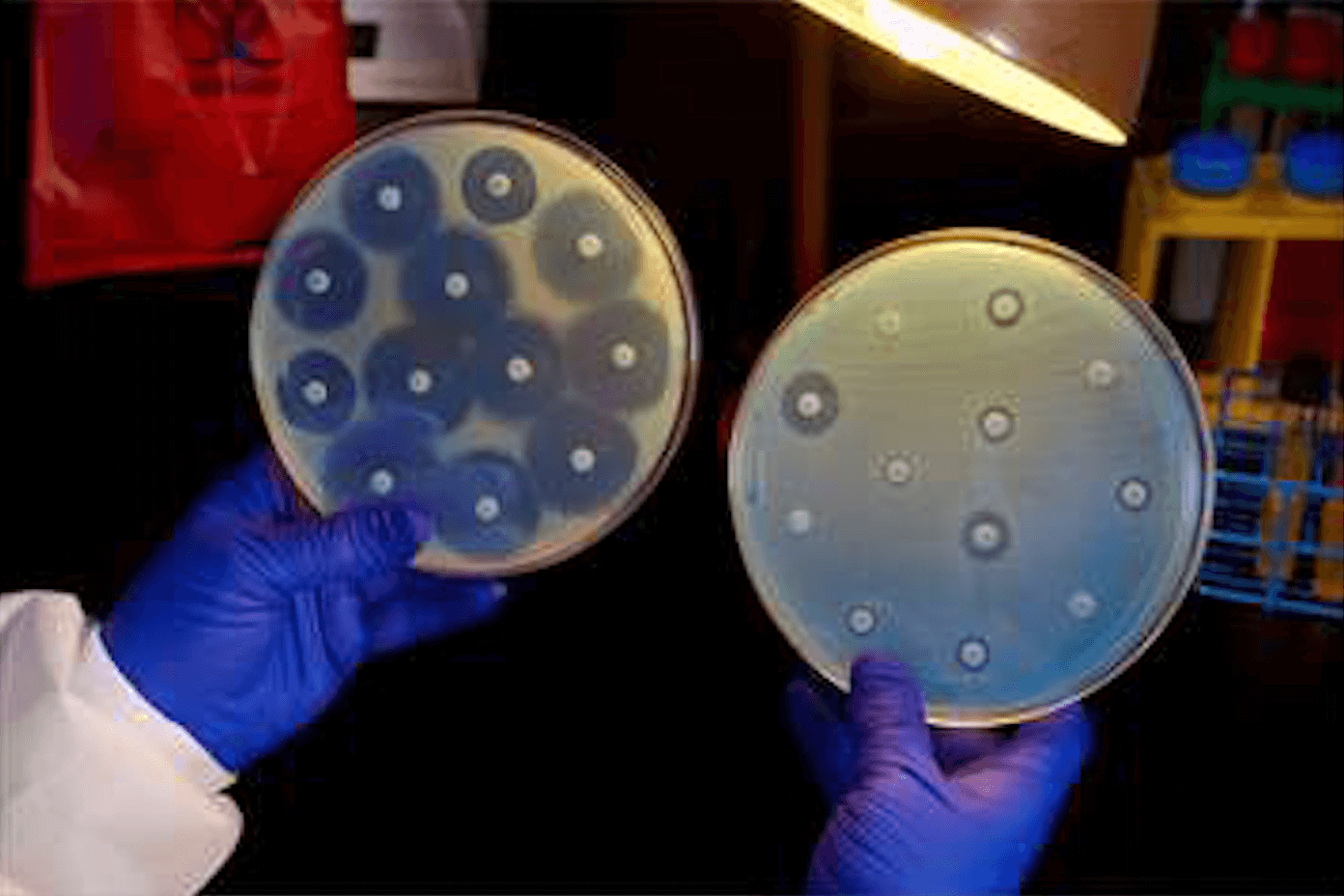
Some bacteria take antibiotic resistance a step further: they chow down on the very compounds designed to kill microbes and use them as fuel. Researchers detail [April 30] in Nature Chemical Biology how some bacteria accomplish this feat, including the genes and enzymes involved in digesting penicillin.
…
Guatam Dantas, a microbiologist at Washington University in St. Louis, stumbled across the phenomenon of antibiotic-eating bacteria during an earlier study looking for bacteria that can break down toxins, he explains. In that study, his group chose some antibiotics as controls to measure microbes’ responses to compounds they couldn’t eat—or so the researchers thought. Instead, Dantas was surprised to find that some of the bacteria could, in fact, eat the drugs, and he began asking colleagues to send him soil samples from different places so his team could test for the presence of such microbes. As it turned out, they were everywhere.
…
[T]he genes could be used to specially engineer microbes to break down antibiotic pollutants—for example, in waste from farms where the drugs have been used in livestock or in effluent from hospitals.
…
Microbiologist Xiaohui Zhou of the University of Connecticut sees promise in putting the enzymes to work making new antibiotics, because they cut existing compounds in predictable places, and the resulting pieces could be mixed and matched to create semi-synthetic drugs.
On its surface, the rule is intended to reduce the consumer confusion that abounds when it comes to GMOs. But guess what? As currently written, it may actually make things worse.
…
The National Bioengineered Food Disclosure Standard, as the proposed rule is known, aims to fundamentally shift the way American food is labelled—starting with the very language we use to talk about GMOs. The standard would omit the commonly used phrases “genetically modified” or “genetically engineered” in favor of a less familiar one: “bioengineered food,” or BE for short.
GMO and BE aren’t synonomous. BE will only refer to those foods that have been created by splicing foreign genes from one species into another, a process known as transgenesis. Some critics say that, in the era of gene-editing tools like CRISPR, that definition is too limiting. Activist groups like the Non-GMO Project consider foods that have been gene-edited in any way, with or without transplanted genes, to be genetically modified. In other words, current GMO-free certifications cover more ground than the narrowly defined BE label that’s been proposed.
…
The proposed rule also contains a provision that GMO critics have called a cop-out: The option to label BE ingredients via scannable QR code, among other options.
What’s 5.41 years, or 65 months, or 1,950 days? That’s how long it takes to get all the requirements before genetically modified (GM) products can be released in the market.
Perhaps not many know it, but that’s what is happening in the Philippines.
And it means lost opportunities for the country in terms of exports, lost opportunities for farmers and lost opportunities as well for scientists and researchers.
Advocates of modern biotechnology (biotech), or genetically modified organism (GMO), want to hasten the process to help the government “ensure the health and well-being of Filipinos, promote competitiveness, help reduce hunger and poverty and help mitigate the effects of climate change.”
This was according to the Explanatory Note of a draft legislation, titled “An Act to Support Modern Biotechnology for Sustainable Rural Development in the Republic of the Philippines and Appropriating Funds Thereof.”
…
Hopefully, help is on the way for the Philippines’s initiatives to raise farmers’ economic status and put more food on as many Filipinos’ table as possible, and compete in the global market for GM products, as well.
But to achieve the goal there is a long process ahead, which will depend on the two chambers of Congress—the House of Representatives and the Senate.
A wave of new [DNA] tests claim to make all sorts of personalized lifestyle recommendations—from what skin-care products you should use to what kind of diet is best for you. But buyer beware: in many cases these tests amount to little more than a way to hawk a product. The science underpinning them is often flimsy, if it exists at all.
…
[W]e’ve noticed a few tests that stand out as particularly spurious. They should be approached with more than a little skepticism.
Nutria The pitch: Lean Cuisine, the well-known purveyor of frozen meals, is trying out a new meal-planning service that involves a DNA test. It claims that its “genetic markers help determine your customized nutrient intake.”
…
Vinome The pitch: Promoted by Helix, a sort of app store for DNA products, this company says it will curate wines for you on the basis of your DNA.
…
SpareRoom The pitch: The company makes a mobile app that helps you find a roommate. But it’s piloting a new service that uses a DNA sample and an online personality test to match you to a compatible one.
…
The problem with these tests and their ilk, experts say, is that they amount to genetic astrology. We just don’t know enough about the complex interactions of our genes yet to make these kinds of personalized recommendations.
[I]n agriculture we continue to use terms such as GMO, GE, GM, transgenic, CRISPR, TALEN, genome/gene editing and biotech crops. No wonder there is apprehension and confusion.
…
GMO is now a widely recognized, often misused and misunderstood term. It’s used extensively by media and marketers alike. We can’t abandon it, but we can shift to clearer, all-encompassing terminology which covers all the latest advances.
No matter the type of plant breeding used over the last 10,000 years, the goal has always been the same – genetic improvement. Make the plants better – disease and insect resistant, improved qualities and yields. With newer technologies now available, the process has become extremely precise and efficient. “Precision plant breeding” covers it all in clear, concise and understandable language.
The term is a welcoming, open door to further the conversation as to the benefits on our farms, to the environment, the consumer and those in developing countries.
…
Clearer language is a positive step forward in taking down fences of fear and building bridges of understanding.
Read full, original post: Opinion: Clarifying ‘What’s in a name?’
Biomedical engineers at Duke University have used a CRISPR/Cas9 genetic engineering technique to turn off a gene that regulates cholesterol levels in adult mice, leading to reduced blood cholesterol levels and gene repression lasting for six months after a single treatment. This marks the first time researchers have delivered CRISPR/Cas9 repressors for targeted therapeutic gene silencing in adult animal models.
…
Charles Gersbach, the Rooney Family Associate Professor of Biomedical Engineering at Duke, and members of his laboratory developed an approach to efficiently package and deliver the CRISPR/Cas9 repressor system to mice. They tested their delivery system by silencing Pcsk9, a gene that regulates cholesterol levels. While several drugs have been developed to treat high cholesterol and cardiovascular disease by blocking the activity of Pcsk9, this new approach would prevent Pcsk9 from being made.
…
As researchers develop new ways to use the CRISPR/Cas9 for therapy and research, more information is emerging on how the immune system of living organisms responds to delivery of CRISPR/Cas9 system. Because the Cas9 enzyme is derived from bacteria, the immune system may recognize it as a foreign protein from an invading organism and mount a response.
…
As they continue the research, Gersbach and his collaborators hope to gather more information to better understand the immune response against Cas9 and stability of epigenetic modulation.
On March 20, 2015, the International Agency for Research on Cancer (IARC) announced that it had classified glyphosate, the active substance of an herbicide best known as Monsanto‘s Roundup, as “probably carcinogenic to humans,” essentially on the basis of “limited evidence of carcinogenicity in humans for non-Hodgkin lymphoma” and “sufficient evidence of carcinogenicity in experimental animals”.
Probably carcinogenic = possible bounty by the millions for predatory law firms
A few days thereafter, some bounty-hunting law firms started to recruit potential litigants, people who had been struck by a non-Hodgkin lymphoma (or their successors in title) and could claim to have used glyphosate.
On March 29, 2015 — nine days after the IARC announcement — two of them also hired (p. 71 – contract here) Christopher Portier, who had been an “invited specialist” at the IARC working group,as expert consultant to assist them in the forthcoming litigation. Portier was already working for one of them on another case which also involved an IARC classification (p. 78), a conflict of interests that was not reported to IARC and would never had come to light were it not for the glyphosate litigation.
The complaints were centralized with the District Court for the Northern District of California. The US Right to Know got involved to publicize elements of the files that would stir up public opinion against glyphosate and Monsanto, no doubt to create the “right” atmosphere for a successful outcome of the litigation. But Reuters‘ Kate Kelland reported on some other pieces, telling inconvenient truths about the IARC process, causing the USRTK to post all or almost all declassified documents.
Those documents added much fuel to the debate surrounding the validity and honesty of IARC’s classification and unveiled some very disturbing facts.
It would be quite a job to list all criticisms of and concerns with IARC‘s decision which, on the basis of the weight of evidence, is fundamentally flawed in terms of both substance and procedure.
Agricultural Health Study (AHS) results concealed
Much has been written on a fact revealed by the deposition of Aaron Blair, a retiree of the (US) National Cancer Institutes who had acted as the chair of the IARC working group: the working group did not consider the latest results of the Agricultural Health Study (AHS), a large cohort of 89,000 farmers and spouses from Iowa and North Carolina. Why? Because they had not been published and IARC would not consider, as per its rules, unpublished data.
And on account of those rules, Blair, so he said, did not report on them (and even less suggest that the classification process be stalled). Was he alone in the know? Doubts are not unwarranted as regards both other working group experts and some IARC staffers who by necessity maintain close contacts with the former.
Yet, during his deposition, Blair admitted that those results would likely have changed the classification to a lower category had they been taken into account “given that IARC – your meta-analysis – was just barely statistically significant at 1.03 in the lower bound” (p. 183 – these are the words of Monsanto‘s lawyer).
But why were those data not published?
A scientific paper, “Non-hodgkin lymphoma risk and insecticide, fungicide and fumigant use in the agricultural health study,” had been published in October 2014 by Alavanja et al. It is conspicuous from the title that it does not include herbicides. Aaron Blair was one of the co-authors. Asked for the reason of their exclusion, he gave a flabbergasting answer (at p. 200): “you couldn’t put it all into one paper.”
At the current time IARC is making plans for a new monograph on pesticides. Considering IARCs timetable for selecting candidate pesticide for the monograph, it would be irresponsible if we didn’t seek publication of our NHL manuscript in time to influence IARCs decision. Since all authors and every federal agencies involved has signed off on the current content of the paper, we should be ready to submit very shortly and we should change the current manuscript as little as possible, if at all.
Fact is, IARC launched the evaluation process for four organophosphate insecticides (diazinon, malathion, parathion and tetrachlorvinphos) and the herbicide glyphosate on March 12, 2014. Yet, the draft was not updated and hence did not go further. IARC thus drew its conclusion on the basis (in part) of the previous set of AHS data (“Cancer incidence among glyphosate-exposed pesticide applicators in the Agricultural Health Study,” De Roos et al.).
The updated data were eventually published in “Glyphosate Use and Cancer Incidence in the Agricultural Health Study” (Andreotti et al.) on… November 9, 2017. No doubt an upshot of the glyphosate litigation and the activism deployed against the renewal of the marketing authorization for glyphosate. But the question arises why it did take so long. Would it be that, at the National Institutes of Health…?
The discovery procedure also revealed a strange NIH E-mail dated September 16, 2016, to Blair. It was interpreted by Monsanto‘s lawyer during Blair’s hearing that there was resistance within the NIH to sharing the AHS updated data with Monsanto (page 213 of the transcript).
The emerging picture: A conspiracy
Putting various elements together leads to a picture of conspiracy to scupper the renewal of the marketing and use authorization for glyphosate, both in the United States of America and in Europe.
Mis- and disinformation are distorting science and public policy. Subscribe to our Daily and Weekly Digests for incisive coverage of ‘disruptive’ innovations in AI, agricultural biotechnology, food, chemicals, nuclear energy, vaccines, and other disruptive innovations.
For it to be successful, the publication of scientific and regulatory assessments in favor of glyphosate had to be delayed. In the USA, the EPA assessment suffered a series of delays which warrant a story by themselves. Let us simply recall that the U.S. House of Representatives Science, Space & Technology Committee has raised serious concerns about the delays and some odd events.
And an unfavorable assessment had to come “right on time”. Why should IARC have decided to launch a process for an odd combination (four insecticides, one herbicide) on March 12, 2014, when an Advisory Group to Recommend Priorities… had been lined up for April 7 to 9, 2014, less than a month later? A group that had glyphosate on its agenda and, surprisingly, ended up giving a medium priority to a glyphosate monograph…
The group was chaired by the now famous Christopher Portier who, the week before, was still a Senior Visiting Scientist in his capacity as Senior Collaborating Scientist, Environmental Defense Fund. So there is not only the issue of a perk offered to an environmental activist (to our knowledge, he is the only one to have enjoyed this privilege), but also that of his conflict of interests as Chair of the group. Surprisingly for outsiders — but people with experience know it was out of necessity — Portier appears on the list of participants as a retiree from the Centers for Disease Control and Prevention.
Christopher Portier
Among the many other issues raised by the whole process, let us mention some further ones:
On the last but one day of the working group meeting, the assessments were not sufficient for a “probably carcinogenic” for glyphosate and the rating for carcinogenicity in animals was beefed up (deposition of Matthew Ross, pp. 132 et seq.).
The outcome of the working group was announced — on March 20, 2015 — whilst the monograph was far from being ready… but on time to interfere with the European authorization renewal process.
Reuters found 10 significant changes that were made between the draft chapter on animal studies and the published version of IARC’s glyphosate assessment. In each case, a negative conclusion about glyphosate leading to tumours was either deleted or replaced with a neutral or positive one.
IARC has systematically refused to explain the meaning of its assessment (of a hazard, not a risk) and to put it into the right perspective (for instance by underlining that its findings on humans are based upon applicators, not consumers, or those on animals upon doses that are unrealistic in real life); worse, it has fuelled the controversies, for instance with the now well kown statement by Kathryn (Kate) Guyton that the “The IARC is more independent and transparent then the EFSA.”
Portier’s E-mail correspondence reveals a web of unholy alliances between IARC staff, some IARC working group members, and activists. An example is ARC‘s Kurt Straif’s E-mail, dated May 12, 2016, to Portier and Hedwig Emerig, focal point of the German Green Party for biotechnology and bioethics (easy access to the mail here): he shared a reference to an article by USRTK‘s Carey Gillam, clearly to provide ammunition against the finding of the FAO/WHO Joint Meeting on Pesticide Residues that “ glyphosate is unlikely to pose a carcinogenic risk to humans from exposure through the diet” and that there was “absence of carcinogenic potential in rodents at human-relevant doses”.
Led by Christopher Portier, half the members of the IARC working group signed, with others, a letter, dated November 27, 2015, to the European Commissioner for Health and Food Safety Vytenis Andriukaitis to urge him to disregard the positive assessment of glyphosate from the European Food Safety Authority (EFSA).
How to better illustrate in retrospect the conflicts of interests which presided over the IARC classification? Perhaps also, for Portier – an “invited specialist” to the working group – and also Charles Jameson (this fact is less known) to act as experts and consultants for the predatory law firms (as does Dennis Weisenburger, a scientist involved in the AHS studies). Or for Portier to lobby against the reauthorization of glyphosate in Europe, in part on behalf of NGOs, with the European Commission and the European and German Parliaments, but also Ivan Rusyn at the German Parliament (this fact is less known). Jameson and Rusyn were more than IARC working group members: they chaired the subgroups on cancer in experimental animals, and mechanisms, respectively.
North American Pooled Project (NAPP) results concealed…
Another project was ongoing and, in fact, well advanced when this whole story began: the North American Pooled Project. The objective was to amalgamate the results of case-control studies from Canadian Provinces, Iowa/Minnesota, Kansas and Nebraska. A number of them played a key role in IARC‘s determination of “limited evidence of carcinogenicity in humans.”
In this case also, somebody – Shelley Harris, Cancer Care Ontario – rang the bell to have a paper published on time for IARC‘s consideration. She did so as early as October 2014 according to Blair’s deposition. And the paper was not published… And Blair was aware of the results but kept silent at the working group meeting…
A detailed Powerpoint presentation was given on June 3, 2015, a mere two and a half months after the IARC classification, at Mississauga (Ontario), at the annual conference of the Canadian Society for Epidémiology and Biostatistic.
There are two important findings:
After adjustment for the usual factors and, in particular, the use of three other pesticides (2,4-D, dicamba and malathion), the odds ratio was not significant for NHL (1.22 with a confidence interval of 0.91 – 1.63, which includes 1).
And when retaining only respondents, without the data from survivors of deceased users (proxies), it sunk to 1.04 (CI 0.75 – 1.45). In other words, a “null” result.
Let us incidentally note that this exercise illustrates a weakness of case-control studies accruing from the difficulty of obtaining reliable information.
What also matters here is that Aaron Blair is mentioned in this presentation as one of the investigators on the US side, as is another member of the IARC working group, John McLaughlin, from the University of Toronto.
So what to conclude? Not published, thus not reported to the IARC working group, thus not taken into account, thus IARC maintained its course to final wreckage.
...and later distorted…
But that’s not all!
We shall refer here to two events in reverse order to keep the suspense intolerable.
IARC‘s 50th anniversary, June 2016
The NAPP study was also presented at IARC‘s 50th anniversary, celebrated from June 7 to 10, 2016, (A detailed assessment of glyphosate use and the risks of non-Hodgkin lymphoma overall and by major histological sub-types: findings from the North American Pooled Project, Manisha Pahwa et al.). Incidentally, this was a large-scale celebration, but with zero invitee from industry… a testimony to the anti-industry hysteria prevailing at Lyons.
The abstract was published by IARC but, conspicuously, there is no PDF when all other speakers of the relevant session provided one. Remember: the Mississauga presentation could have been recycled, but… an inconvenient truth would have become obvious.
It had to be concealed! Here is an extract from the abstract:
Results: Unadjusted for other pesticides, subjects who ever used glyphosate (N=133) had a significantly elevated NHL risk (OR=1.43, 95% CI: 1.11, 1.83). […] Except for SLL [small lymphocytic lymphoma], risks attenuated when adjusted for other pesticides.
Conclusions: This analysis suggested that glyphosate use was associated with increased NHL risk. Risk differences by histological sub-type were not consistent across glyphosate use metrics and may have been chance findings. Nevertheless, the NAPP’s large sample size yielded more precise results than previously possible.
How should we take this?
Giving figures that are not adjusted for all confounding factors does not meet the canons of the scientific approach.
The snag did not escape one of the co-authors, Kenneth Cantor, US National Cancer Institute. In a January 2016 E-mail, referred to in Blair’s deposition, he diplomatically noted the deficiency (pp. 247 et seq. – the quote is the statement of Monsanto’s lawyer):
“Dr. Cantor states that the findings with respect to glyphosate and NHL, quote, are less than convincing given that control for other pesticides resulted in attenuated OR, which aren’t in the abstract.”
He nevertheless signed on the paper (perhaps because he obtained the addition of “risks attenuated when adjusted for other pesticides”, a casual admission that the results are less “beautiful” than presented.
Mis- and disinformation are distorting science and public policy. Subscribe to our Daily and Weekly Digests for incisive coverage of ‘disruptive’ innovations in AI, agricultural biotechnology, food, chemicals, nuclear energy, vaccines, and other disruptive innovations.
Among the authors there were IARC working group members Blair and McLaughlin, and also expert witness for a predatory law firm Weisenburger.
The question arises whether IARC has been complacent, closing their eyes to something which amounts to plain crookery and fraud. Complacent or worse, defending beyond all reason its previous “probably carcinogenic” classification, moreover at a time when emotions were running high in Brussels and European capitals, and major agricultural and economic interests were at stake.
There are good reasons to answer: “worse.”
27th Conference of the International Society for Environmental Epidemiology, August-September 2015
A communication was also made at the 27th Conference of the International Society for Environmental Epidemiology, which took place in São Paulo from August 30 to September 3, 2015. The abstract again referred to the figures unadjusted for the use of other pesticides, but without the caveat subsequently included in the IARC abstract.
Blair’s deposition is also enlightening in this respect.
There was an E-mail exchange between Manisha Pahwa, Cancer Care Ontario, and Blair in the second half of August 2015 (pp. 239 et seq. of the transcript). Pahwa shared her slide deck for that presentation with the co-authors in advance, “given the sensitivity of the topic”. You may interpret: given that there is something to conceal or at least downplay.
Taking it from the lawyer’s mouth (the E-mails have not been posted on the Internet), Blair responded in his E-mail that “Dr. Pahwa will need to be prepared for questions after the presentation and that the question is going to be: ‘do these data indicate that the IARC evaluation was wrong?‘ ”
He also suggested alerting IARC in advance of the meeting. The lawyer adds: “in fact, you were concerned that Monsanto might be, quote, scanning programs of meetings like ISEE and might find out about the NAPP findings.” The concerns were alleviated when Pahwa announced that the abstract of the NAPP findings for glyphosate and non-Hodgkin lymphoma did “not appear on the ISEE website or in the conference program.” Blair nevertheless insisted that IARC be notified and that talking points be prepared, just in case
What to conclude? Clearly, the scientists were aware of the factual weakness of IARC‘s classification and at least some of them were determined to obstruct the manifestation of the truth.
It is also hardly conceivable that some IARC staff have not been alerted to the “dangers” arising from that event and, more particularly, to the results of the NAPP.
…and in the end not published
An article was in the making and was at an advance stage in September 2015. Again, it did not state the adjusted OR in the summary. Given that many readers would not go beyond the abstract – should the article not be behind a paywall – this amounts, once again, to a deliberate attempt to mislead.
The “results part” states:
Overall, 113/1690 cases (6.69%) and 244/5131 (4.76%) controls reported that they had used glyphosate at any point in their lifetime. There was a significant association between glyphosate use and the risk of NHL overall (ORa=1.43, 95% CI: 1.11, 1.83) (Table 2). […] Associations were attenuated and no longer statistically significant when the model represented by ORa was further adjusted for ever use of 2,4-D, dicamba, and malathion (ORb). The odds of SLL did not change even after adjusting risk estimates for these three pesticides.
The fully adjusted odds ratio was only referred to, casually, in the… discussion part (note that it is fairly lower than the Mississauga 1.22 figure):
“Further adjusting ORa for the pesticides 2,4-D, dicamba, and malathion resulted in an attenuated risk of NHL overall in the NAPP (ORb=1.13, 95% CI: 0.84, 1.51).”
And the article was never published.
And Weisenburger enters the merry-go-round! Already serving as an expert witness for litigators on the plaintiffs’ side, he wrote an E-mail in August 2016 to Portier and then turned to Blair to say: “It seems important to get our U.S.-Canadian paper on this submitted soon so it can be considered in this [the European] review” (pp. 256-257 of Blair’s deposition). Why would Weisenburger be keen to advance the European process to a result fatal to glyphosate? Obviously to advance the cases of his employer.
Indeed, the draft article contains the following statement:
“From an epidemiological perspective, our results were supportive of the IARC evaluation of glyphosate as a probable (group 2A) carcinogen for NHL.”
Beyond the fate of glyphosate, the Integrity of science and due process
Public perception has it that science produced by industry or sponsored by them is unreliable, essentially as profit-driven and unattentive to social and environmental welfare. The misgivings are of course carefully nurtured by anti-business and anti-technology activists and their accomplices and fools in the media and social networks. And, confronted with well-publicized cases of fraud, one would have a hard time explaining that serious profit-driven enterprises have good reasons to produce good science in support of their activities. In contrast, it is taken for granted that non-sponsored public research is excellent and deserves our full confidence (even Andrew Wakefield still has his fan-club…).
The IARC glyphosate saga delivers another picture. One where science has been flouted and society betrayed on a large scale.
The U.S. House of Representatives Science, Space & Technology Committee has launched an inquiry into IARC for compelling reasons. It appears that there is an even greater need to look into the workings of some national institutions in the United States (and Canada) dealing with socially debated and emotionally charged issues. The IARC glyphosate saga seems to be just the tip of the iceberg. What the glyphosate litigation has already achieved is documenting an underground world of alternative science.
André Heitz is an agronomist by training and former United Nations system civil servant (International Union for the Protection of New Varieties of Plants – UPOV – and World Intellectual Property Organization – WIPO). He blogs in French at http://seppi.over-blog.com/.
Synthetic biology has become the new frontier of genetic engineering, promising to radically change the way we make clothes, fragrances, flavors, biofuels and plastics. Utilizing yeast, algae, microbes and bacteria as tiny manufacturing plants, it may help us produce meatless meat, non-animal leather and even clean up oil spills. We could find our way to greater sustainability by replacing plastics, metals and wood through fungi and bacteria.
And while the subject may sound arcane, many of us already have come face-to-face with what this technology has to offer. Consider all the attention given to one of the darlings of synthetic biology: the meatless Impossible Burger that’s been popping up at restaurants across the land. (More on this later)
The promise and potential was covered by Newsweek last summer:
Cells could be engineered to make meat in a lab, eliminating the need for environmentally intensive and often cruel factory farms. Bacteria could be manipulated to secrete oil, providing a truly renewable source of liquid fuel. Yeast could be designed to produce artemisinin, a vital antimalarial drug that in its natural form must be made from limited supplies of the sweet wormwood plant.
“What is at stake here is finding a way to make everything humans need without trashing our civilization. We can transition from living on Earth to living with Earth,” said Drew Endy, a Stanford synthetic biologist, told the magazine.
This is perhaps why synthetic biology has captured the attention of investors and venture capitalists, who have been pouring money into a plethora of start-ups. Leading the way is Ginkgo Bioworks, which has raised $429 million in capital since its founding in 2008, including $275 million in December 2017. Among its investors in December was Cascade Investment, the private investment vehicle for Bill Gates. Ginkgo has achieved unicorn status – a private company valued at over $1 billion.
Ginkgo’s researchers are developing yeast and microorganisms that can create fragrances, sweeteners for beverages, cosmetics and industrial enzymes used in laundry detergents. The company has formed several partnerships to help it develop its product line.
In September 2017, for example, Bayer and Ginkgo signed an agreement in which Bayer will provide $100 million to assist in Ginkgo’s development of microbes for improved nitrogen fixation. The goal is to lower the cost and the environmental impact of farming and decrease reliance on nitrogen fertilizers. Also in 2017, the firm partnered with Swissaustral, a leader in the development of enzymatic products and processes, to design microorganisms that will produce industrial enzymes. Gingko also has agreements with Cargill and Archer Daniels Midland to create nutrients that will be added to animal feed.
Mis- and disinformation are distorting science and public policy. Subscribe to our Daily and Weekly Digests for incisive coverage of ‘disruptive’ innovations in AI, agricultural biotechnology, food, chemicals, nuclear energy, vaccines, and other disruptive innovations.
Gingko also is producing a rose scent for the French fragrance company Robertet.
Producing the scent via genetic engineering is cheaper and less time consuming than the traditional method, which involves squeezing oils from flower petals.
“Ginkgo is essentially this automated platform for designing and printing DNA and using that to edit the genes of microbes to make them do new things,” said Jason Kelly, the CEO and co-founder of Gingko. He also predicted that “synthetic biology will soon be disrupting every industry that deals with physical materials.”
Mis- and disinformation are distorting science and public policy. Subscribe to our Daily and Weekly Digests for incisive coverage of ‘disruptive’ innovations in AI, agricultural biotechnology, food, chemicals, nuclear energy, vaccines, and other disruptive innovations.
Among the other firms drawing the attention of investors – and in the latter case, the public – are Bolt Threads and Impossible Foods, with its meatless burger.
Bolt Threads is working on yeast that can produce spiderweb-like fibers for fabric and garments. Since its founding in 2009, it has raised $213 million including $123 million at the end of 2017. Among its investors are Fidelity Management Research Company, Allen and Company and Temasek (one of Singapore’s sovereign wealth funds). Already the company is marketing a synthetic spider silk tie. The material is produced through genetically modifying yeast, water and sugar and then turning it into silk through fermentation. It has also partnered with designer Stella McCartney to create pants and bodysuits from its spider silk.
Impossible Foods has raised $275 million in financing, pulling in money from an investment group that includes Temasek, Cascade Investment and UBS. The company has designed a meatless hamburger through genetically engineered yeast, capturing headlines across the mainstream media, with the Washington Post asking: Is this the beginning of the end of meat?
According to the company’s website, it produces a burger using 95 percent less land, 74 percent less water and 87 percent less greenhouse gas emissions than using a cow. The company is selling its burgers at hundreds of US restaurants and has announced plans to enter the Asian market this year.
Here’s a brief rundown of other firms that are active in this space:
Genomatica is a bioengineering firm that develops and licenses bio-based manufacturing processes, including engineered bacteria that helps convert garbage into plastics. In November 2017, the firm announced the creation of bio-based technology to make a naturally sourced 1,3-butylene glycol, used in cosmetics. Butylene glycol is made with fossil fuel-derived acetaldehyde – a toxin and a carcinogen. Genomatica’s bio-based butylene glycol is made via fermentation, using natural plant-based ingredients.
Modern Meadow is working on a non-animal based leather, produced via a process that involves engineering yeast to make a protein identical to bovine collagen, which is the main protein in cattle.
Synthetic Genomics is working on biological systems to address sustainability problems. One of the founders of the company is John Craig Venterwho was involved in mapping the human genome. The company has entered into a number of partnerships. With ExxonMobil it is involved to develop algae that can produce sustainable biofuels and it has an agreement with Novartis to “accelerate the production of the influenza seed strains required for vaccine manufacturing.”
BioAmber is a sustainable chemicals company combining industrial biotechnology and chemical catalysts to convert renewable feedstock into chemicals for use in a variety of products such as plastics, resins, food additives and personal care products.
Among the pioneers of the field is Dr. Richard Kitney of the Imperial College of London. He sees a sort of unlimited potential, when consider the possibility of using living things to make other things – some of which, don’t even exist at present.
“Synthetic biology has all the potential to produce a new major industrial revolution,” Kitney said.
Steven E. Cerier is a freelance international economist and a frequent contributor to the Genetic Literacy Project.
The U.S. Department of Agriculture (USDA) has published a long-awaited proposed rule to establish GMO labeling standards (the National Bioengineered Food Disclosure Standard), but still leaves most of the key questions – including how to interpret its definition of ‘bioengineered’ – unanswered.
Given that the deadline for submitting public comments is July 3, USDA will not meet the Congressionally mandated deadline to finalize the rule by July 29, 2018, acknowledged agriculture secretary Sonny Perdue, who said the final rule would be issued “later this year.”
[T]he proposed rule] … provides some clarity on exemptions, but leaves two key questions – on definitions and thresholds – unresolved, leaving many manufacturers unclear on whether their products will be subject to GMO labeling or not.
…
The amended Agriculture Marketing Act defines ‘bioengineering’ with respect to a food, as food ‘(A) that contains genetic material that has been modified through in vitro recombinant deoxyribonucleic acid (DNA) techniques; and (B) for which the modification could not otherwise be obtained through conventional breeding or found in nature.”
…
The proposed rule makes no mention of whether ingredients from crops produced via other GE techniques such as gene-editing meet the definition of ‘bioengineered.’