What can we learn from bacteria that eat antibiotics for fuel?

Screen Shot at AM
Image source: James Gathany/CDC

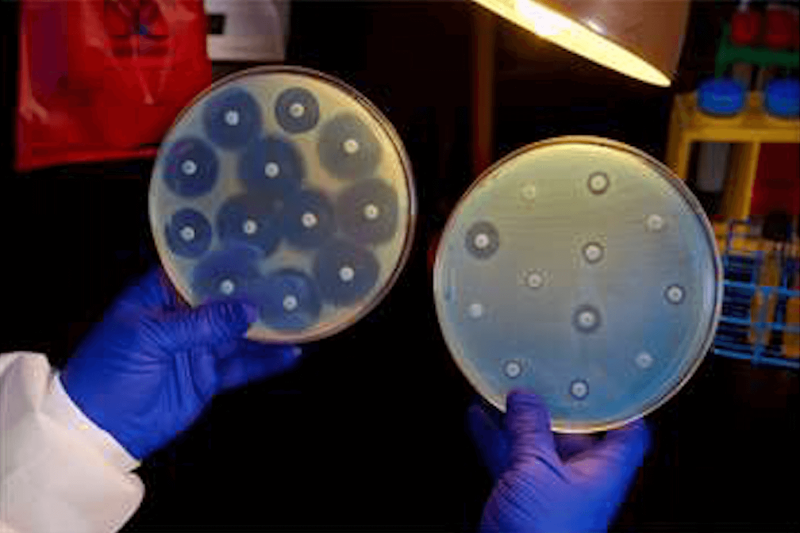
Some bacteria take antibiotic resistance a step further: they chow down on the very compounds designed to kill microbes and use them as fuel. Researchers detail [April 30] in Nature Chemical Biology how some bacteria accomplish this feat, including the genes and enzymes involved in digesting penicillin.

Guatam Dantas, a microbiologist at Washington University in St. Louis, stumbled across the phenomenon of antibiotic-eating bacteria during an earlier study looking for bacteria that can break down toxins, he explains. In that study, his group chose some antibiotics as controls to measure microbes’ responses to compounds they couldn’t eat—or so the researchers thought. Instead, Dantas was surprised to find that some of the bacteria could, in fact, eat the drugs, and he began asking colleagues to send him soil samples from different places so his team could test for the presence of such microbes. As it turned out, they were everywhere.

[T]he genes could be used to specially engineer microbes to break down antibiotic pollutants—for example, in waste from farms where the drugs have been used in livestock or in effluent from hospitals.

Microbiologist Xiaohui Zhou of the University of Connecticut sees promise in putting the enzymes to work making new antibiotics, because they cut existing compounds in predictable places, and the resulting pieces could be mixed and matched to create semi-synthetic drugs.

Read full, original post: How Bacteria Eat Penicillin

{{ reviewsTotal }}{{ options.labels.singularReviewCountLabel }}
{{ reviewsTotal }}{{ options.labels.pluralReviewCountLabel }}
{{ options.labels.newReviewButton }}
{{ userData.canReview.message }}

Related Articles

Infographic: Global regulatory and health research agencies on whether glyphosate causes cancer

Infographic: Global regulatory and health research agencies on whether glyphosate causes cancer

Does glyphosate—the world's most heavily-used herbicide—pose serious harm to humans? Is it carcinogenic? Those issues are of both legal and ...

Most Popular

ChatGPT-Image-Jul-8-2026-12_32_48-PM
Viewpoint: SCOTUS strikes a blow against junk science in Bayer glyphosate case. Will it deter mass tort litigators?

ChatGPT-Image-Jul-7-2026-01_57_55-PM
Viewpoint: Europe’s rejection of air conditioning is the poster child for misunderstanding how to mitigate the impact of climate change
ChatGPT-Image-Mar-10-2026-01_39_01-PM
Viewpoint—“Miracle molecule” debunked: Why acemannan supplements don’t work
Screenshot-2026-07-08-at-2.14.27-PM
Belief in unproven dietary regimes, vitamins, and crank therapies is putting patients’ health in danger and increasing the risk of getting cancer
Screen-Shot-at-PM-pe-vra-kipgaprbdo-vd-ms-jpule-n-jqqaxf-l-e
Viewpoint: Will new breeding techniques help make European agriculture more competitive?
Screenshot-2026-07-08-at-11.25.14-AM
AI being mobilized to target misinformation about vaccines–on AI
ChatGPT-Image-Jul-10-2026-09_12_58-AM
X rolls out direct messages to users who interact with misinformation
ChatGPT-Image-Jun-25-2026-12_23_17-PM
No, Bill Gates did not secretly engineer ticks to promote veganism
ChatGPT-Image-Jul-1-2026-12_37_08-PM
Viewpoint: Trump poised to politicize all U.S.-supported science research
ChatGPT-Image-Jul-1-2026-03_33_49-PM
‘Alternative’ cancer treatments that could kill you
ChatGPT-Image-Jul-7-2026-12_01_35-PM
Viewpoint: 21 worthless wellness trends inspired by RFK, Jr.’s ill-informed MAHA followers that can harm or even kill you.
DtAieAIkCZy-uchn-oqg
Viewpoint: In the science misinformed grifter game plan, the organic-food-is-healthier myth might be the worst.
ChatGPT-Image-Jun-30-2026-10_27_31-AM
Viewpoint: Europe clears the way for gene-edited crops — but fear-driven restrictions still slow their full potential
glp menu logo outlined

Get news on human & agricultural genetics and biotechnology delivered to your inbox.