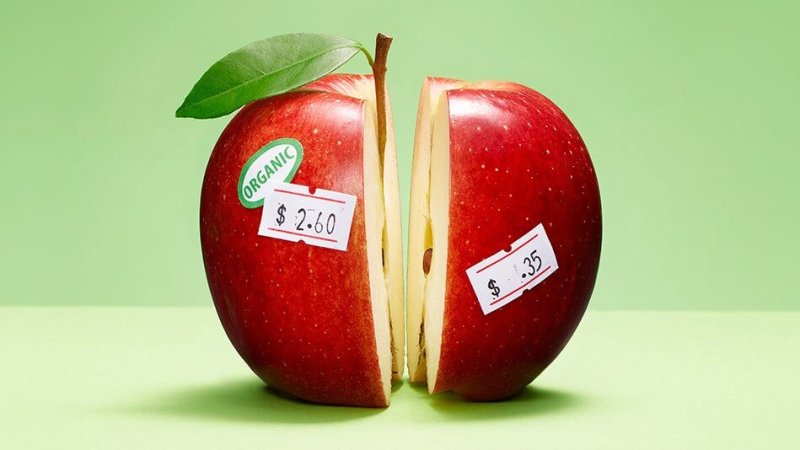
Organic food marketing, vaccine denialism, cancer pseudoscience, climate denial, wellness culture, and conspiracy theories may look different, but they’re all built on the same strategy. More importantly, they’re supported by the same organizations, influencers, and commercial interests that profit from spreading disinformation.
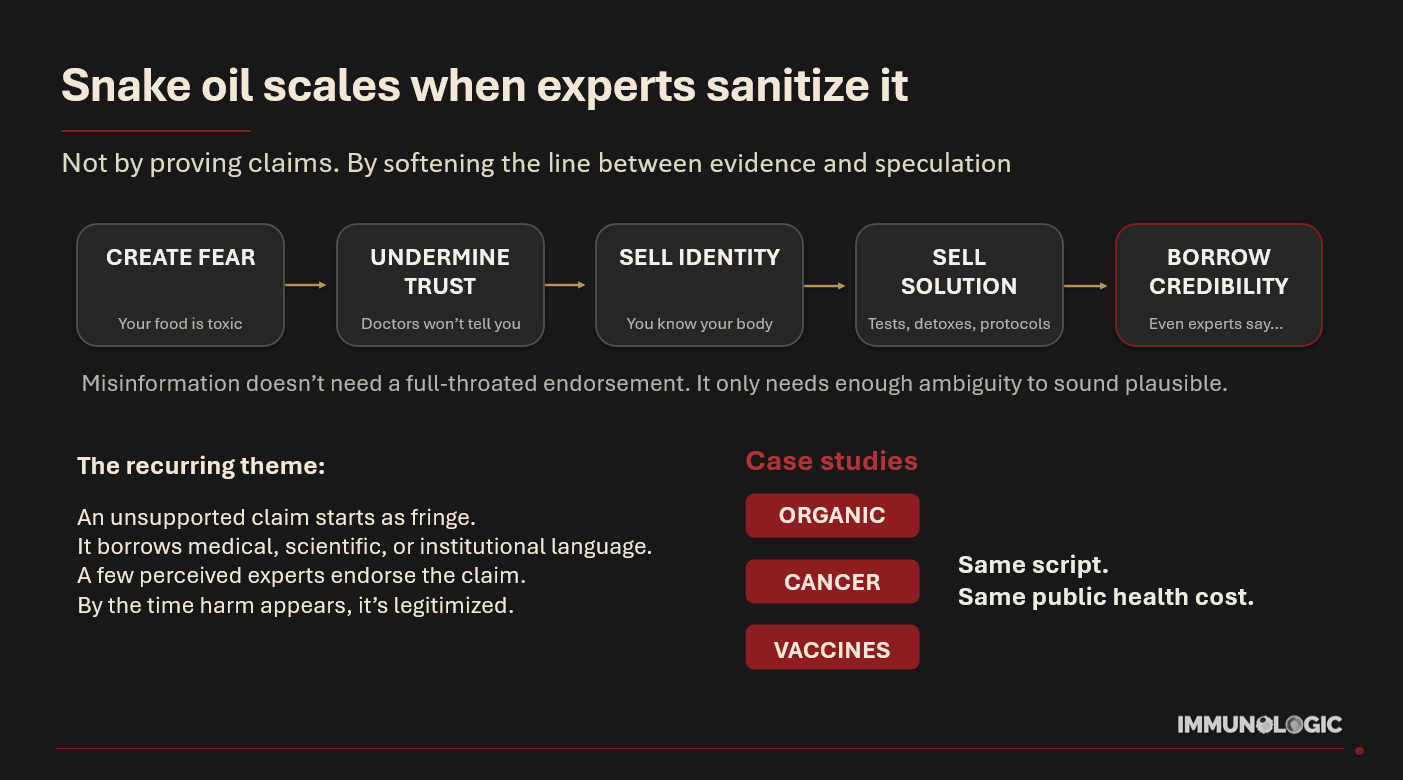
I used three case studies to illustrate the central theme of my talk: that anti-science and health misinformation follows the same playbook.

First, create fear.
Your food is toxic.
Chemotherapy is poison.
Vaccines contain toxins.
Then undermine trust.
Doctors won’t tell you.
Scientists are captured.
Regulators are compromised.
Next, sell an identity.
You’re asking questions.
You know your body.
You’ve discovered what “they” don’t want you to know.
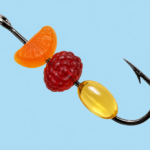
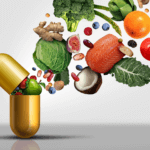
Then, sell the product.
The supplement.
The detox protocol.
The organic food.
The expensive health test.
The alternative cancer ‘treatment’.
Finally, borrow credibility from perceived experts and trusted institutions. The final step is the least often challenged, but arguably the most damaging, because this is where fringe ideas stop looking fringe and become normalized.
At the center of this is what I call institutional laundering. It’s when medical professional organizations repeat, endorse, and amplify the false marketing premises of anti-science movements. Those ideas gain legitimacy they never earned—not because the evidence changed, but because these messengers give them credibility. The consequence is that institutions whose primary responsibility is to protect public health inadvertently become vehicles for misinformation.
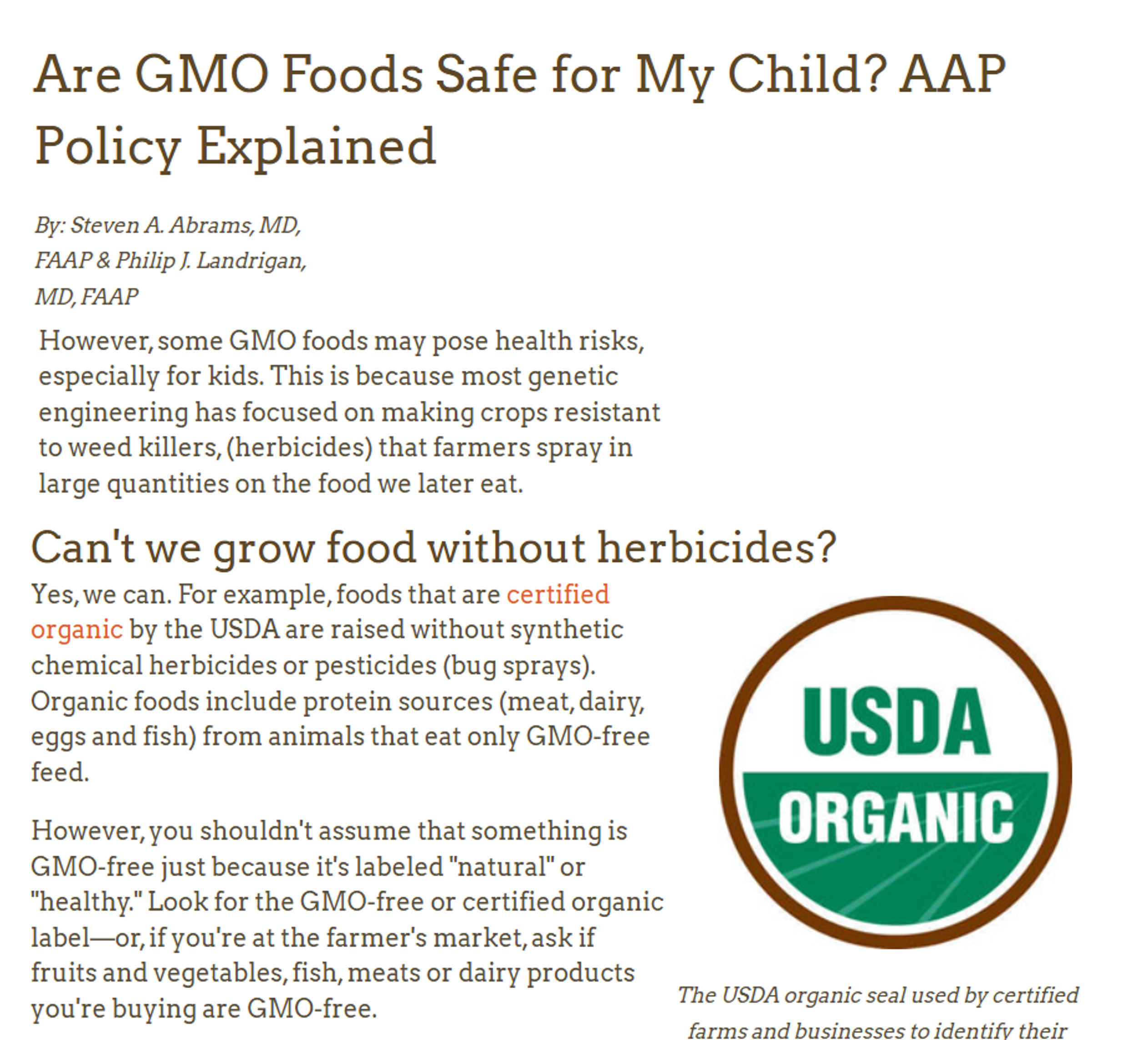
One of the more egregious examples is the American Academy of Pediatrics amplifying anti-GMO and organic product misinformation through its official policies and patient-facing guidance.
The AAP’s policy acknowledges that organic foods don’t provide any clinically meaningful health benefits, yet encourages parents to choose organic foods to “reduce pesticide exposure.” This reinforces the organic industry’s central marketing narrative: that pesticide residues on conventionally grown produce pose a meaningful health risk. They do not. That claim is not supported by toxicology, exposure science, or clinical evidence.
The organic farming and food industry is based on clean-food ideology, chemophobia, and the fantasy that “natural” is a scientific argument. It is born from the same wellness industry that sells detoxes, “clean” eating, supplements, and anti-chemical fearmongering, wrapped in conspiracy-lined distrust of scientific institutions and regulation.
Instead of encouraging the roughly 90% of Americans who don’t eat enough fruits and vegetables to eat more produce—regardless of how it’s grown—the AAP reinforces unfounded fears about pesticide residues. The result is backward: we discourage consumption of safe, affordable produce instead of addressing the real public health problem: that people aren’t eating enough fruits and vegetables.
More concerning is the AAP’s patient-facing information about foods containing genetically engineered (GMO) ingredients. Despite overwhelming scientific consensus and the positions of the FDA, EPA, USDA, the National Academies, the World Health Organization, and virtually every scientific body that has evaluated the evidence, the AAP tells parents that “some GMO foods may pose health risks.” It doesn’t say they do. It says they may. That single sentence manufactures uncertainty where the scientific evidence provides none.
Let me be unequivocal: there is no credible evidence that foods containing ingredients from approved genetically engineered crops pose a health risk to consumers. None. Suggesting otherwise creates uncertainty where the evidence doesn’t support it. Genetically engineered crops have enabled farming practices that reduce pesticide use while improving crop productivity.
And yet, the leading pediatric medical professional organization in the US has decided to ignore the scientific consensus (pediatricians are not experts in agriculture, molecular biology, toxicology, etc) and foment fear among parents.

The factual, science-based message should be: Organic is a marketing designation, not a health claim. It reinforces health inequity and chemophobia. It doesn’t improve health outcomes, is not pesticide-free, and is not a badge of scientific literacy. We should be encouraging people to eat more produce, not scaring them away from more affordable (and absolutely safe) options.
The multi-billion dollar organic product industry doesn’t simply encourage people to buy a different kind of produce. It tells the public that natural is inherently safer than synthetic and that modern agricultural science cannot be trusted. When organizations like the Environmental Working Group (EWG), Moms Across America, and Children’s Health Defense convince trusted messengers to repeat their marketing narratives, misinformation becomes far easier to normalize.
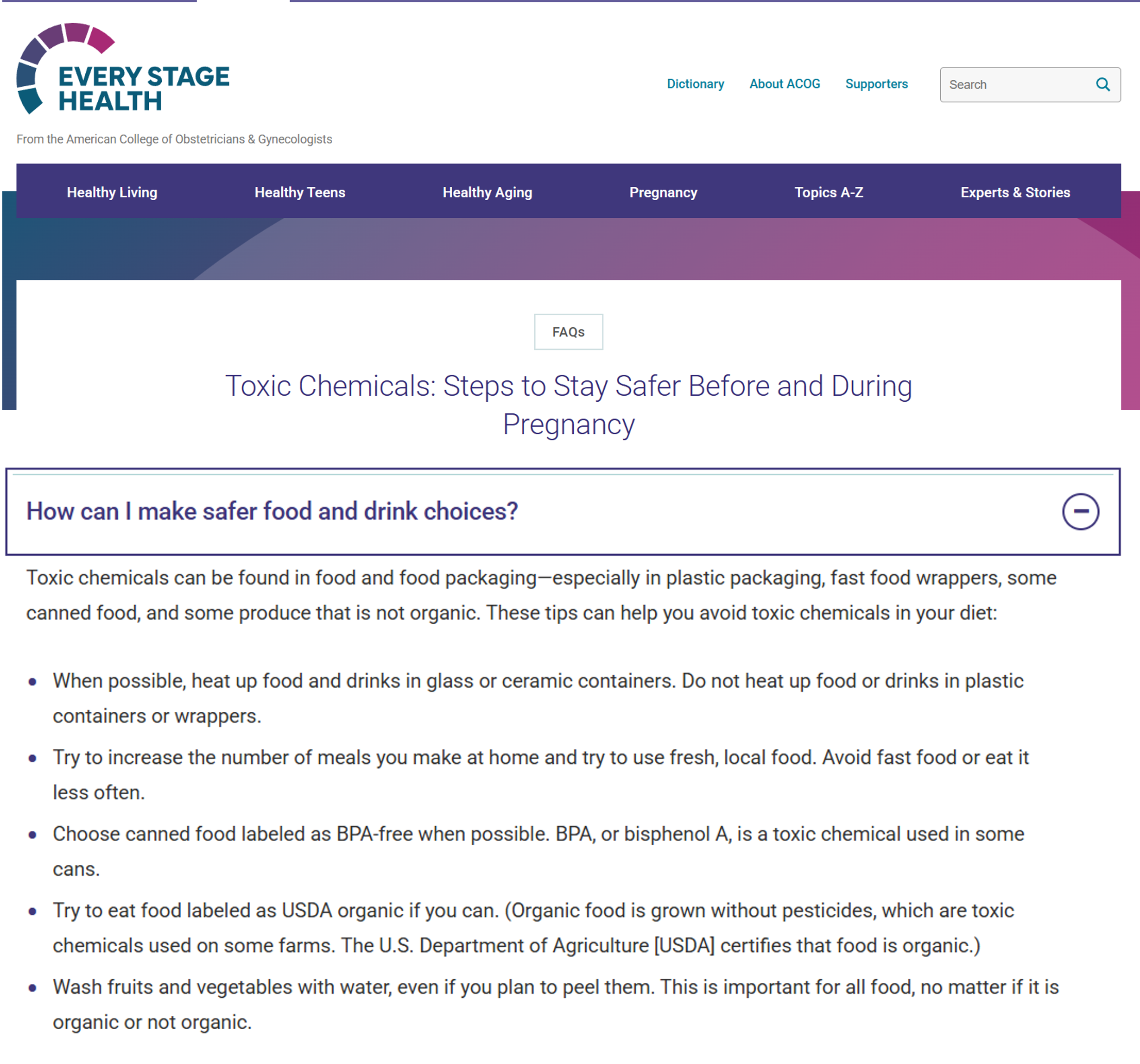
The pattern doesn’t stop with the AAP. The American College of Obstetricians and Gynecologists (ACOG) has directed patients to Environmental Working Group resources and described organic food as being “grown without pesticides”—a statement that is simply false. It also promotes chemophobic messaging about “reducing toxic exposures” during pregnancy—a population the wellness industry aggressively targets. ACOG has an opportunity to educate patients about real risk during pregnancy. Instead, it reinforces narratives that ignore the basic principles of toxicology and risk assessment.
These organizations aren’t fringe. They’re leading medical professional organizations that create clinical treatment guidelines and should be educating the public. That’s why this matters.
Pseudoscience doesn’t become mainstream because evidence to support it improves. It becomes mainstream because respected institutions repeat, soften, or legitimize marketing narratives without applying the same evidentiary standards they do in other areas of science and medicine. Once that happens, the public doesn’t perceive those ideas as marketing or advocacy. They view them as medical guidance.
When a wellness influencer questions GMOs, most people recognize they’re hearing an opinion. When one of the most trusted pediatric organizations in the world suggests that genetically engineered foods “may pose health risks,” that statement carries institutional weight. It doesn’t reflect uncertainty—it creates it.
More importantly, scientists become less able to recommend these organizations as trusted sources of health information. This is one of the reasons institutional laundering is so harmful. When organizations like the AAP get vaccines right—and they overwhelmingly do—but simultaneously promote unsupported narratives about organic food or genetically engineered crops, they undermine their own credibility. We shouldn’t have to tell the public, “Trust the AAP on vaccines, but ignore what they say about GMOs.” Credibility doesn’t work that way.
This is how unsupported ideas become respectable. Not because the evidence changed. Because the messenger did.
But this is also the step too many scientists, health professionals, science communicators, and journalists overlook. Misinformation becomes mainstream when trusted institutions soften the distinction between evidence and speculation:
“Buy organic if you can afford it.”
“There’s no harm in trying.”
“More research is needed.”
“Everyone should decide for themselves.”
These statements might come from a place of empathy, diplomacy, or a desire to respect autonomy. But communication research shows us that when experts present unequal evidence as though both sides deserve equal weight, the public doesn’t hear nuance. They hear uncertainty. And uncertainty is where pseudoscience propagates.
Dr. Andrea Love, a microbiologist and immunologist, provides the facts (and the data!) on science and health topics. Follow Andrea on X @dr_andrealove
A version of this article was posted at Immunologic and has been reposted here with permission. Any reposting should credit the original author and provide links to both the GLP and the original article.