How the genetics revolution is upending our concept of disease—and how that could improve healthcare

jimmy lin genetics davide bonazzi
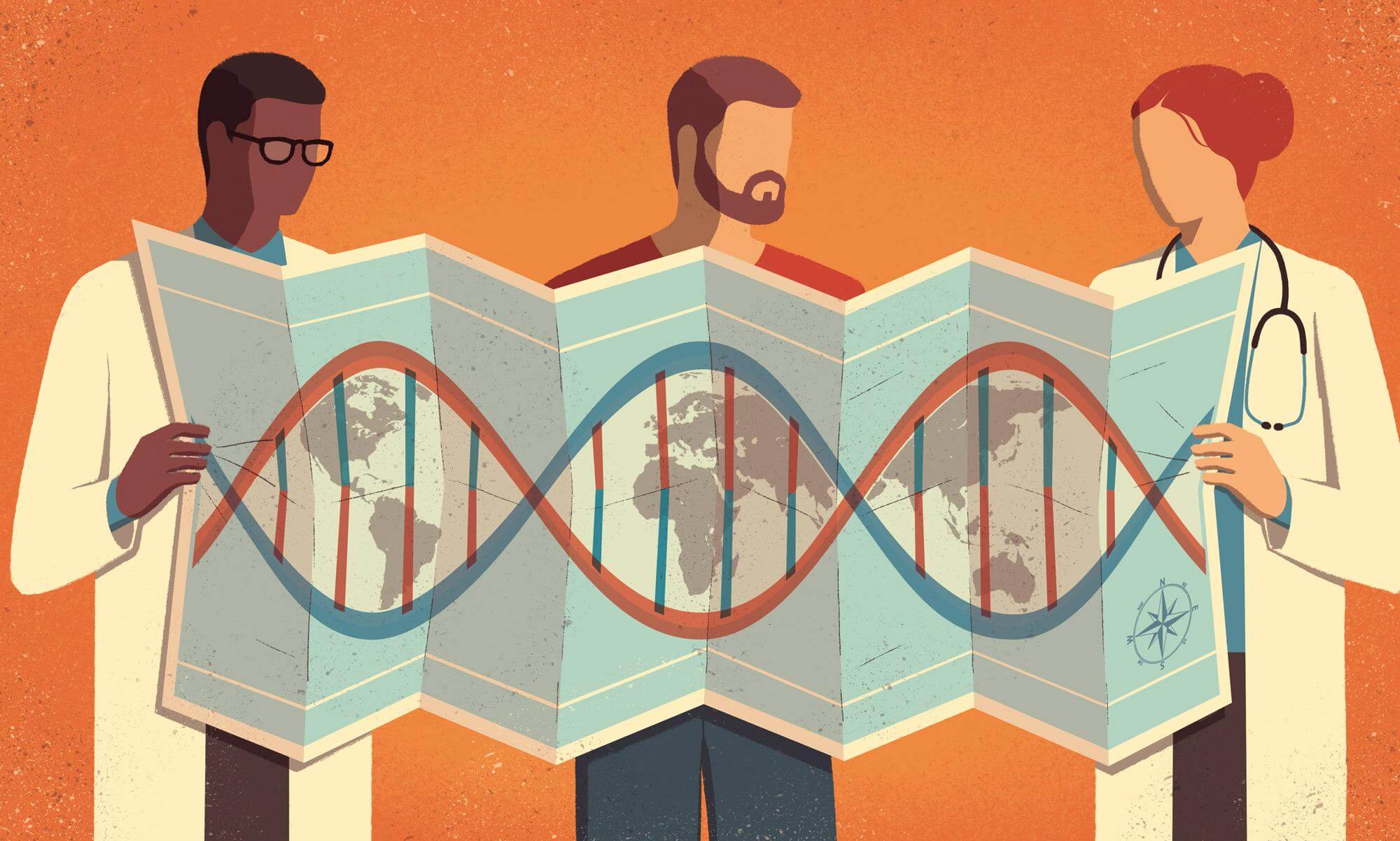
What is a disease? This seemingly abstract and theoretical question is actually among the most practical questions in all of biomedicine. How patients are diagnosed, treated, managed and excused from various social and moral obligations hinges on the answer that is given. So do issues of how research is done and health care paid for. The question is also becoming one of the most problematic issues that those in health care will face in the next decade.

That is because the current conception of disease is undergoing a revolutionary change, fueled by progress in genetics and molecular biology. The consequences of this shift in the definition of disease promise to be as impactful as any other advance in biomedicine has ever been, which is admittedly saying a lot for what is in essence a conceptual change rather than one based on an empirical scientific advance.

For a long time, disease was defined by patient reports of feeling sick. It was not until the twentieth century that a shift occurred away from subjective reports of clusters of symptoms to defining diseases in terms of physiological states. Doctors began to realize that not all symptoms of fever represented the presence of the same disease. Flu got distinguished from malaria. Diseases such as hypertension, osteoporosis, cancer, lipidemia, silent myocardial infarction, retinopathy, blood clots and many others were recognized as not producing any or slight symptoms until suddenly the patient had a stroke or died.
disease 2 27 18 3.pngThe ability to assess both biology and biochemistry and to predict the consequences of subclinical pathological processes caused a distinction to be made between illness—what a person experiences—and disease—an underlying pathological process with a predictable course. Some conditions, such as Gulf War Syndrome, PTSD, many mental illnesses and fibromyalgia, remain controversial because no underlying pathological process has been found that correlates with them—a landmark criterion for diagnosing disease throughout most of the last century.

The revolution in our understanding of the human genome, molecular biology, and genetics is creating a huge–if little acknowledged–shift in the understanding of what a disease is. A better understanding of the genetic and molecular roots of pathophysiology is leading to the reclassification of many familiar diseases. The test of disease is now not the pathophysiology but the presence of a gene, set of genes or molecular pathway that causes pathophysiology. Just as fever was differentiated into a multitude of diseases in the last century, cancer, cognitive impairment, addiction and many other diseases are being broken or split into many subkinds. And other diseases for which no relationship had ever been posited are being lumped together due to common biochemical causal pathways or the presence of similar dangerous biochemical products that are amenable to the same curative intervention, no matter how disparate the patients’ symptoms or organic pathologies might appear.

We used to differentiate ovarian and breast cancers. Now we are thinking of them as outcomes of the same mutations in certain genes in the BRCA regions. They may eventually lump together as BRCA disease.

Other diseases such as familial amyloid polyneuropathy (FAP) which causes polyneuropathy and autonomic dysfunction are being split apart into new types or kinds. The disease is the product of mutations in the transthyretin gene. It was thought to be an autosomal dominant disease with symptomatic onset between 20-40 years of age. However, as genetic testing has improved, it has become clear that FAP’s traditional clinical presentation represents a relatively small portion of those with FAP. Many patients with mutations in transthyretin — even mutations commonly seen in traditional FAP patients — do not fit the common clinical presentation. As the mutations begin to be understood, some people that were previously thought to have other polyneuropathies, such as chronic inflammatory demyelinating neuropathy, are now being rediagnosed with newly discovered variants of FAP.

Genome-wide association studies are beginning to find many links between diseases not thought to have any connection or association. For example some forms of diabetes, rheumatoid arthritis and thyroid disease may be the products of a small family of genetic mutations.

So why is this shift toward a genetic and molecular diagnostics likely to shake up medicine? One obvious way is that research projects may propose to recruit subjects not according to current standards of disease but on the basis of common genetic mutations or similar errors in biochemical pathways. It won’t matter in a future study if subjects in a trial have what today might be termed nicotine addiction or Parkinsonism.  If the molecular pathways producing the pathology are the same, then both groups might well wind up in the same trial of a drug.
medicine 2 27 18 2In addition, what today look like common maladies—pancreatic cancer, severe depression, or acne, for example, could wind up being subdivided into so many highly differentiated versions of these conditions that each must be treated as what we now classify as a rare or ultra-rare disease. Unique biochemical markers or genetic messages may see many diseases broken into a huge number of distinct individual disease entities.

Patients may find that common genetic pathways or multiple effects from a single gene may create new alliances for fund-raising and advocacy. Groups fighting to cure mental and physical illnesses may wind up forgetting about their outward differences in the effort to alter genes or attack common protein markers.

Disease classification appears stable to us—until it isn’t. And we are at the start of a major conceptual shift in how we organize the world of disease, and for that matter, health promotion. Classic reductionism, the view that all observable biological phenomena can be explained in terms of underlying chemical and physical principles, may turn out not to be true. But the molecular and genetic revolutions churning through medicine are illustrating that reductionism is going to have an enormous influence on disease classification. That is not a bad thing, but it is something that is going to take a lot to get used to.

Dr. Arthur Caplan is the Drs. William F and Virginia Connolly Mitty Professor and founding head of the Division of Medical Ethics at NYU School of Medicine in New York City.  He is the author or editor of thirty-five books and over 725 papers in peer-reviewed journals. His most recent books are The Ethics of Sport (Oxford University Press, 2016 with Brendan Parent), and Vaccination Ethics and Policy (MIT Press, 2017 with Jason Schwartz). Follow him on Twitter @ArthurCaplan.

This article originally appeared at LeapsMag as “This Revolutionary Medical Breakthrough Is Not a Treatment or a Cure” and has been republished here with permission.


Consumer genetics first: 23andMe gets OK to sell limited DNA test for cancer risk

cancer

The U.S. Food and Drug Administration has cleared 23andMe to sell directly to customers a DNA test for gene mutations linked to breast cancer, making it the first consumer DNA testing company to win the agency’s approval for a cancer risk screening.

The new test will analyze DNA for three specific BRCA1 and BRCA2 breast cancer gene mutations. Though there are more than 1,000 known BRCA mutations, the 23andMe test will focus on three mutations most common in people of Ashkenazi Jewish descent. The variants are far less common in other populations.

Studies suggest that some 1 in 40 people of Ashkenazi descent has one of these three variants, [said Shirley Wu, 23andMe’s director of product science], and women with one of the variants have a 45 percent to 85 percent chance of developing breast cancer by age 70…

Eric Topol, a geneticist at the Scripps Institute, was more tempered in his enthusiasm.

“This is very limited information on three mutations that are known to be pathogenic for BRCA,” he told Gizmodo.

He said that more comprehensive but still inexpensive tests by companies like Color offer a more complete picture of risk. The difference, though, is that Color’s tests must be ordered by a physician.


The FDA, in its announcement of the news, also noted that most cases of cancer are not caused by hereditary gene mutations.

Read full, original post: 23andMe Gets FDA Green Light to Sell First Consumer DNA Test for Cancer Risk

How Russia tried to turn America against GMOs and agricultural biotechnology and sow ideological discord

page

How serious was secret Russian interventionism when it comes to creating public discord over US farming and agricultural trade policy?

We may never know for sure, but a stream of recent revelations provide some context as to how Russia is trying to benefit from its recent rejection of Western biotechnology and embrace of organic farming.

For the modest sum of 45,000 rubles a month (about $800), an office in St. Petersburg, Russia in 2013 offered writers a unique opportunity: assume false identities and conduct social media posts to widen social and political fissures in the United States and Europe. Much of the work focused on the 2016 election. But another very big fissure was genetic engineering in food.

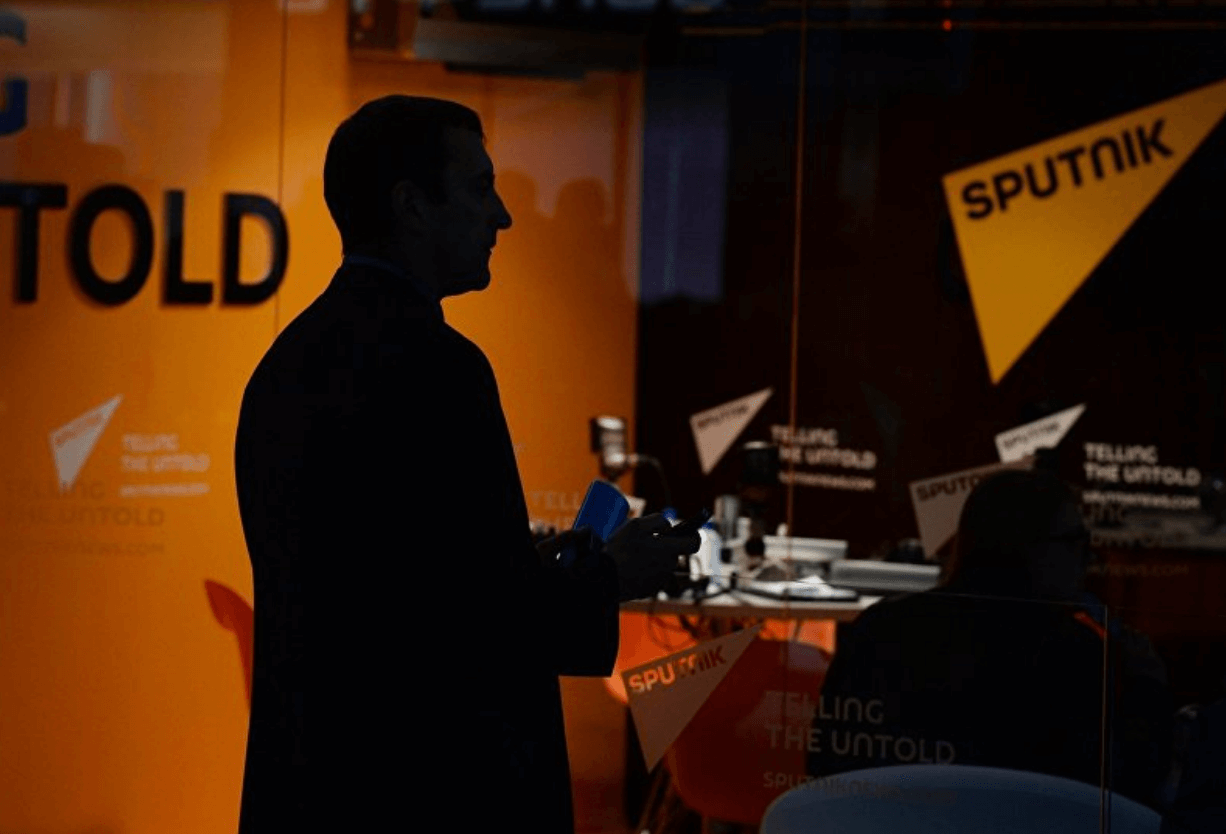
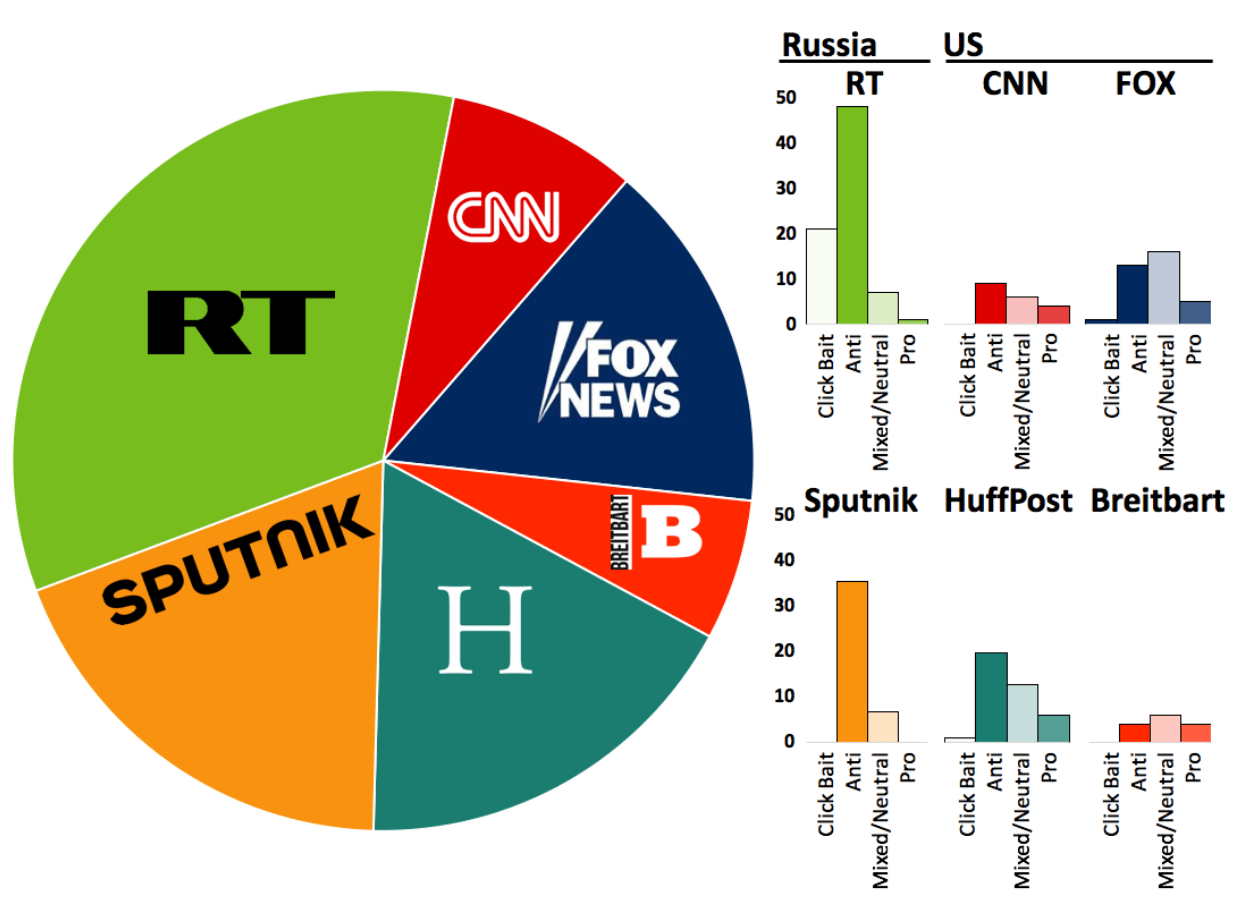
The details are embedded in a variety of documents including findings recently presented by two researchers at Iowa State University showing that Russian state news organizations, mainly Russia Today (RT) and Sputnik, were the sources of more than half of all 2016 stories using the term “GMO,” with RT producing 34 percent of articles and Sputnik 19 percent. Among US news organizations, the Huffington Post GMO stories amounted to 18 percent of the total, followed by Fox News at 15 percent down to Breitbart and CNN in single digits, and MSNBC at below 1 percent.

Screen Shot at AMRT and Sputnik stories were nearly always negative on GMOs, and touched on concerns often expressed in reader comments of US news outlets: “opposition to multinational firms, skepticism of elected officials and regulatory agencies,” as well as “environmental concerns (cross-pollination, species loss, chemical pollution), health risks (a cause of cancer, Zika), nutritional deficiencies, political corruption, negative consequences for developing countries (suicide of Indian farmers), corporate malfeasance (manipulation of facts by Monsanto), and corruption.”

The researchers also noted that these stories “reflect a deep understanding of the psychological antecedents of public distrust in bioengineering and an intent to more firmly link these antecedents in public consciousness.”

Screen Shot at PMGetting anti-social with social media

Their efforts, of course, did not stop with RT and Sputnik (and continue to this day). The misinformation-generating office in St. Petersburg, headquarters of the Internet Research Agency, a massive troll farm that was the subject of an indictment by special counsel Robert Mueller against 13 Russians for their alleged efforts to conduct deliberate misinformation campaigns on a number of issues.

Mixed among the politically charged social media messages that came out of this agency came a few that addressed GMOs. One Russian character was “Jenna Abrams,” who has issued thousands of tweets and other social media missives, sometimes about GMOs, according to the details in the Mueller indictment.

Except that “Jenna Abrams” isn’t a real person. “She” is a Russian bot, fabricated by the Internet Research Agency, and a cover for issuing a wide range of messages on social media, all designed to exacerbate divisions among Americans based on a number of issues, including GMOs. Her fake persona was apparently started in 2014, according to The Daily Beast, and originally included social media posts both for and against GMOs in an apparent attempt to stir up controversy.

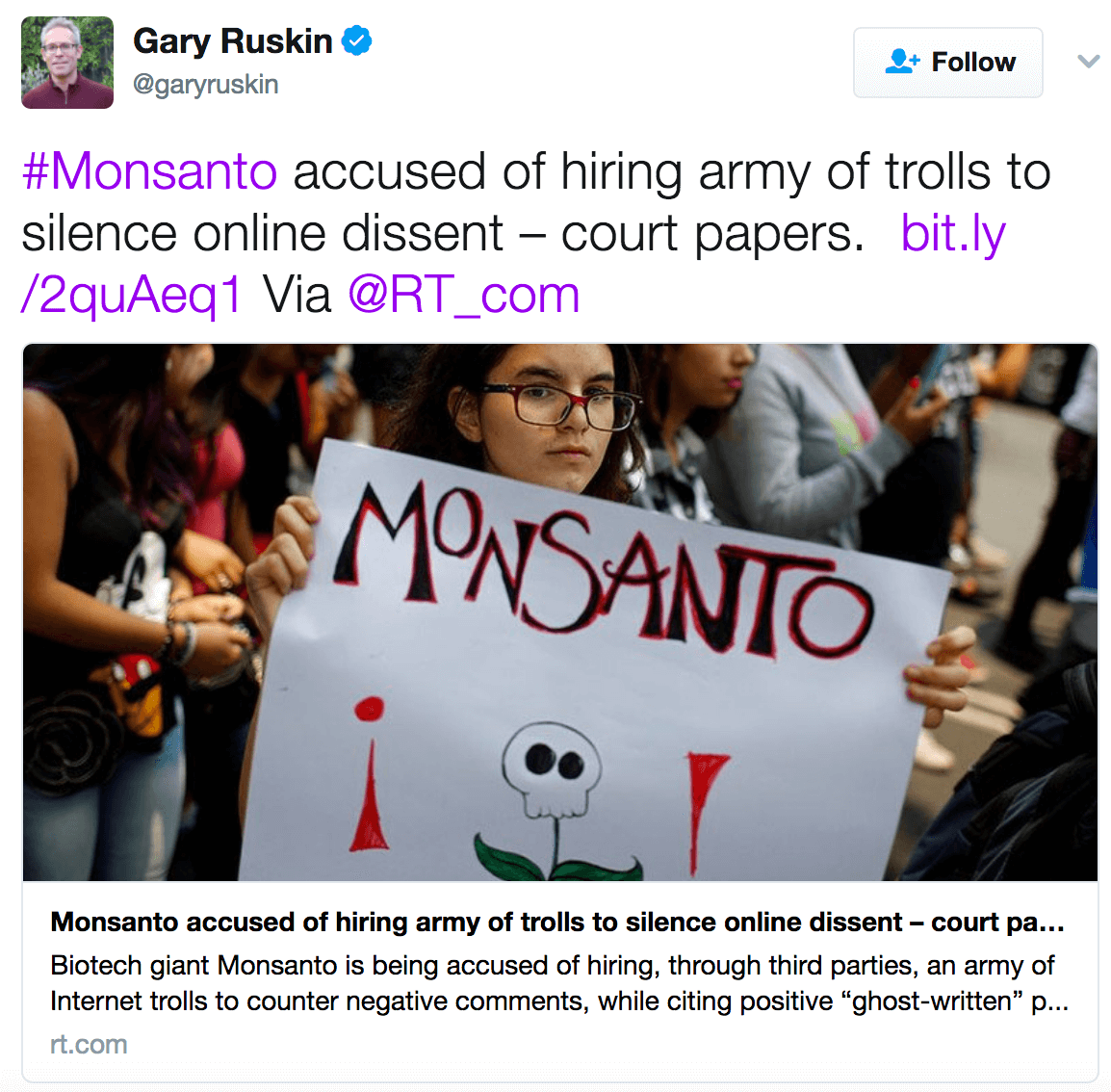
Meanwhile, anti-GMO activists in the US, such as US Right to Know’s Gary Ruskin, often share anti-GMO articles from Russia Today and Sputnik News on social media to promote their agenda. In addition, Organic Consumers Association head Ronnie Cummins has appeared on RT to spread his anti-GMO message.

A missive, not missile, crisis

Why are the Russians invading our computers, and what’s their problem with GMOs?

Money and populist politics, mostly.

In 2014, the US and Western European countries enacted sanctions on Russia in reaction to its military actions in Crimea.

In response, Russia banned agricultural and food imports from the US and EU in 2014. At the same time, oil prices worldwide began falling, which hit Russia hard because its export earnings came largely from energy exports. The ruble dropped, making imported goods even more expensive. By 2015, Russia was in a recession.

b e c b aa e

Recessions are not good for incumbent politicians, even ones who, like Vladimir Putin, prefer to run unopposed. Russia’s strategy then became a mix of populism and defenses against deepening economic woes.

In this context, Mr. Putin signed a law in 2016 that outlawed the import of GMO foods, and banned GMO crop development within Russian territory. This was a politically popular decision, since most GMOs are perceived (somewhat correctly) as produced by the United States. They are also very unpopular in Russia—about 80 percent of the Russian people are opposed to genetic engineering in food.

According to the US Foreign Agriculture Service,

These amendments prohibit cultivation of genetically engineered plants and breeding of genetically engineered animals on the territory of the Russian Federation, except for cultivation and breeding of plants and animals required for scientific expertise or research.

That last line, “except for cultivation and breeding of plants and animals required for scientific expertise or research,” is important. According to Pavel Volchkov, Head of Laboratory at the Moscow Institute of Physics and Technology, in a 2016 interview with the Genetic Literacy Project, scientific research on GMOs is very important to Russia:

It’s very important to do research and development related to GMO in Russia. There are not restrictions on research and development. It’s even fully supported. Government supports this work with funds, grants, and some venture capital.

So, why not have a research and development pipeline to produce Russian-only GMOs? Because Russia doesn’t have a scientific agency that’s the equivalent of the US Food and Drug Administration or European Medicines Agency, said Volchkov:

In general, it’s better to create better registration guidelines with a pipeline rather than to prohibit it. If you can’t create an FDA, it’s really difficult. So, it’s easier to prohibit. You don’t have to create an agency.

Screen Shot at PM

Not just an ag superpower, an organic superpower

But there’s yet another reason for Russia’s antagonism toward GMOs that extends beyond antagonism for its traditional western enemies, and need for harder currency. It’s now a major agricultural power, and wants more. Putin and his countrymen (and a few women) believe that large-scale organic farming might provide them economic advantages in trade with Europe and other countries where GMO food (but not GMO animal feed) is banned.

Russia has one-sixth of the world’s arable land. After the fall of the USSR, Russia, Kazakhstan and Ukraine switched from being major grain importers to, today, replacing the United States as the largest wheat exporter on the planet. It still, however, imports high-value crops like meat, fruit, vegetables and processed foods, which puts a serious dent in its overall exporter status.

Partly because of its land mass, but largely because of its self-imposed (but popular) import standoff, Russia is increasing agricultural production. And not just any kind. The country is investing in all kinds of agricultural technology in attempts to modernize farming practices that still bear the signs of a Soviet, centralized management. President Putin also claimed that Russia could “go organic,” and become the world’s largest supplier of “healthy, ecologically clean, high-quality food,” and become self-sufficient by 2020.

Screen Shot at PM

Organic farming, which rejects all forms of genetic engineering and many aspects of conventional western farming, is seen as supportive of this goal. As in many countries that restrict GMO imports, sensational news coverage and rabidly anti-science social media have soured a large portion of the public against biotechnology. Recent polls show more than 80 percent of Russians believe GMOs are harmful in some way.

And Russia still has a romanticized view of farming. In an article in the Financial Times, Daniel Tolstoy, grand-grandson of famed novelist Leo Tolstoy, envisioned what he called Russia’s first “true” organic farm. And he’s thinking big: much larger than typical European or American organic acreage. He’s not the only one—82 Russian producers were recognized as organic by foreign certifiers, and the Russian government is encouraging large-scale farms through financing schemes. Russian conversion to organic farms doubled in 2014 and grew 57 percent in 2015. However, there is no Russian authority certifying and regulating organic agriculture, so there is really no way to know what techniques these farms are using.

While Russia’s import prohibition has encouraged this growth, its propaganda programs serve as a way to bolster domestic support for the country’s policies, and–more importantly–drive serious cracks and fissures into US and European support of conventional agriculture, especially that which relies heavily on genetic engineering or extensively uses synthetic herbicides or fertilizers.

And state-run media outlets have fertile ground to sow with social media, click-bait and other outlets of communication that are uninhibited by editors. According to Steven Novella, Yale University neurologist and author of Neurologica blog, this is the scary part:

Specifically it removes the traditional mechanisms of quality control and fact-checking from information outlets. There is also the problem of algorithm-based curation of information that leads to progressively more isolated echo chambers and greater polarization and extremism. Additionally there is the click-bait problem, which is really a new manifestation of an old problem – market forces will tend to favor catering to the lowest common denominator. Sensational news will tend to predominate over sober but high-quality news.

And Henry Miller, Robert Wesson Fellow in Scientific Philosophy and Public Policy at Stanford University’s Hoover Institution, and founding director of the Office of Biotechnology at the FDA, said this all fits neatly into Russia’s anti-GMO syllogism (which is also in tune with US and European anti-GMO activism):

  • The United States is by far the world’s leader in both the development and cultivation of genetically engineered plants.
  • Genetic engineering applied to agriculture is the most rapidly adopted agricultural technology in history.
  • Organic agriculture strictly bans GE plants, but only those produced with the most precise and predictable molecular techniques.
  • Recent advances in GE plants–higher yields, pest- and disease resistance, drought- and flood-tolerance, improvements in sustainability, traits with appeal to consumers, etc.–are making conventional (i.e., non-organic) agriculture ever-more efficient and superior to organic’s pathetic performance.
  • There is virtually no development or cultivation of genetically engineered plants in Russia, therefore, genetic engineering must be prevented from expanding and succeeding elsewhere.

Russian disinformation campaigns are not new. In fact, the very word comes from Russian, “Dezinformatsiya,” which was adopted in the early 1960s, and supposedly invented by Josef Stalin just after World War II. Russia has always been involved in this particular manipulation of innovative technologies. The famous “Potemkin Village,” an alleged cardboard village erected in the 1700s to impress the Empress Catherine the Great, probably never happened, making the story a falsehood based upon a falsehood.

Modern communications has come a long way from Catherine’s time. But, like many things Russian, there are often layers of hidden truth inside the Russian babushka.

Andrew Porterfield is a writer and editor, and has worked with numerous academic institutions, companies and non-profits in the life sciences. BIO. Follow him on Twitter @AMPorterfield.

First GMO sugarcane planted in Brazil

scientistsex

Brazilian sugar mills looking to grow the world’s first variety of genetically modified (GM) sugarcane have planted an initial area of 400 hectares (988 acres), according to the research firm behind the project.

Developed by Centro de Tecnologia Canavieira (CTC) with Bt (Bacillus thuringiensis) genes that make it resistant to the cane borer, around 100 mills are working with the GM cane, company Chief Executive Gustavo Leite told Reuters.

The cane borer is a widespread insect that costs Brazilian mills around 5 billion reais ($1.5 billion) per year in losses and insecticide expense.

Development of new sugarcane varieties is seen by experts as key to improving agricultural yields, reducing production costs, and increasing profit margins in an industry struggling with low global sugar prices.

Last year, Brazil approved the commercial use of CTC’s GM sugarcane, the first time such permission had been granted anywhere in the world.

Leite, a former Monsanto executive, said the company’s objective was to rapidly increase planting of the new variety in the next three years, targeting around 1.5 million hectares.

He also said that CTC has new GM products in the pipeline.

Read full, original post: Brazil sugar mills start genetically-modified cane plantation

Ecological vanishing act: African rainforests disappeared, then bounced back

rain

Three thousand years ago, dense old-growth rainforests covered most of central Africa. But around 2,600 years ago, an event that ecologists call the Late Holocene Rainforest Crisis occurred, and the forests suddenly gave way to savannas dotted with islands of trees. Six hundred years later, the forests grew back almost as swiftly as they had vanished. But for the last 20 years, paleoecologists have debated what caused the Rainforest Crisis.

The currently accepted version among paleoecologists is that warming sea-surface temperatures in the Gulf of Guinea caused a shift in the region’s monsoon cycle, leading to a longer, drier dry season, so people migrated south to farm millet on the open grasslands. But University of Potsdam paleoecologist Yannick Garcin and his colleagues, who just published a new study on the Rainforest Crisis, argue that it happened the other way around: people moved south into the rainforest and cleared land to plant millet. And when their population crashed 600 years later, the rainforest rebounded.

One thing scientists on all sides agree on is that it’s important to understand the cause of past events like this, because reconstructing past climate events can help predict how humans, climate, and vulnerable ecosystems might interact in the future. And in some ways, the Rainforest Crisis is an encouraging story, because it means the rainforest can bounce back from deforestation.

Read full, original post: African rainforests vanished for 600 years, then bounced back—why?

Viewpoint: China’s push to export its traditional medicine threatens to pump up ‘pseudoscience’

Chinese Medicine
[T]raditional Chinese medicine is thoroughly institutionalized: Every major city has a traditional medicine hospital and university. A special government department exists to administer it, and the traditional Chinese medicine industry is a massive business.

At best, traditional Chinese therapies might trigger a placebo effect; at worst, they can cause severe side effects, despite a widespread belief in China that traditional medicine is inherently harmless. And yet, Chinese President Xi Jinping wants to share these placebos with the world.

One may be tempted to believe that if patients are still given modern medicine, traditional medicine is simply a harmless “add-on” — like a stuffed animal or bouquet of flowers — that might make people feel better. But that is a dangerous conclusion. Traditional Chinese medicine thrives, in part, because charlatans encourage the public to be suspicious of modern medicine.

[T]he world can ill afford to turn its back on modern medicine. If China wishes to play a leading role in biomedical science, it should be embracing modern medicine, not fanning the flames of suspicion against it. Real Chinese doctors already face public hostility and suspicion, especially over vaccines; by pumping up pseudoscience, the government is only hurting its efforts to persuade the public to put its trust in the state’s own health programs.

Read full, original post: Is China the World Leader in Biomedical Fraud?

Lawsuits against Monsanto alleging glyphosate-cancer connection face court scrutiny

roundup monsanto bayer merger

U.S. District Judge Vince Chhabria will spend a week hearing from experts to help decide whether there is valid scientific evidence to support the lawsuits’ claim that exposure to Roundup can cause non-Hodgkin’s lymphoma.

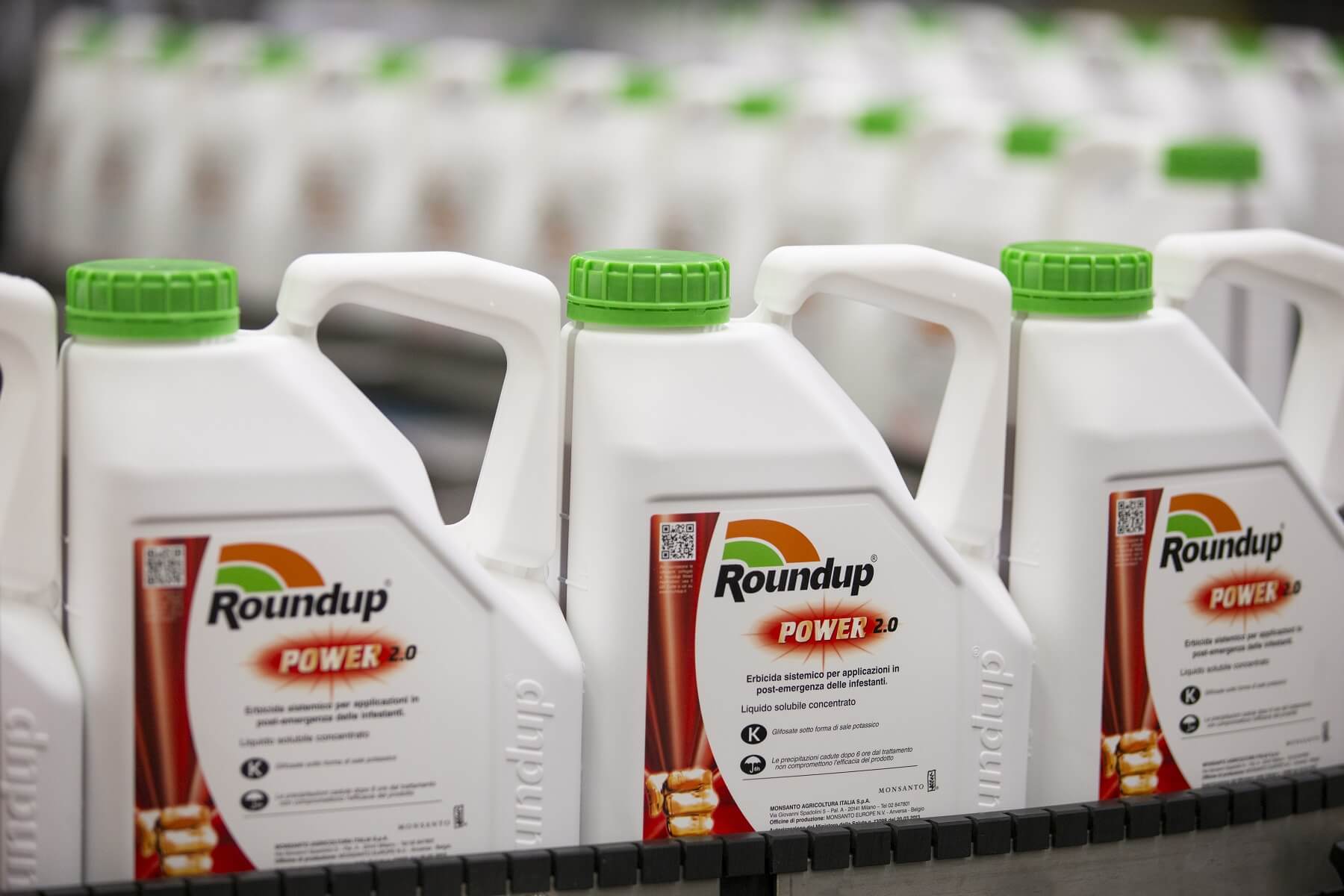
Chhabria is presiding over more than 300 lawsuits against Monsanto Co. by cancer victims and their families who say the company long knew about Roundup’s cancer risk but failed to warn them.

The plaintiffs must first persuade Chhabria, however, that he should allow their epidemiologists and other doctors to testify to a jury that Roundup can cause cancer. Many regulators have rejected the link, and Monsanto vehemently denies it and says hundreds of studies have found glyphosate — Roundup’s active ingredient — is safe.

Chhabria will not determine if the cancer connection exists, but whether the claim has been tested, reviewed and published and is widely accepted in the scientific community.

“It’s game over for the plaintiffs if they can’t get over this hurdle,” said David Levine, an expert in federal court procedure at the University of California, Hastings College of the Law.

Read full, original post: Judge weighs science behind Monsanto Roundup cancer claim

Nitrogen-fixing GMO crops could reduce synthetic fertilizer use, benefit environment

urea fertilizr

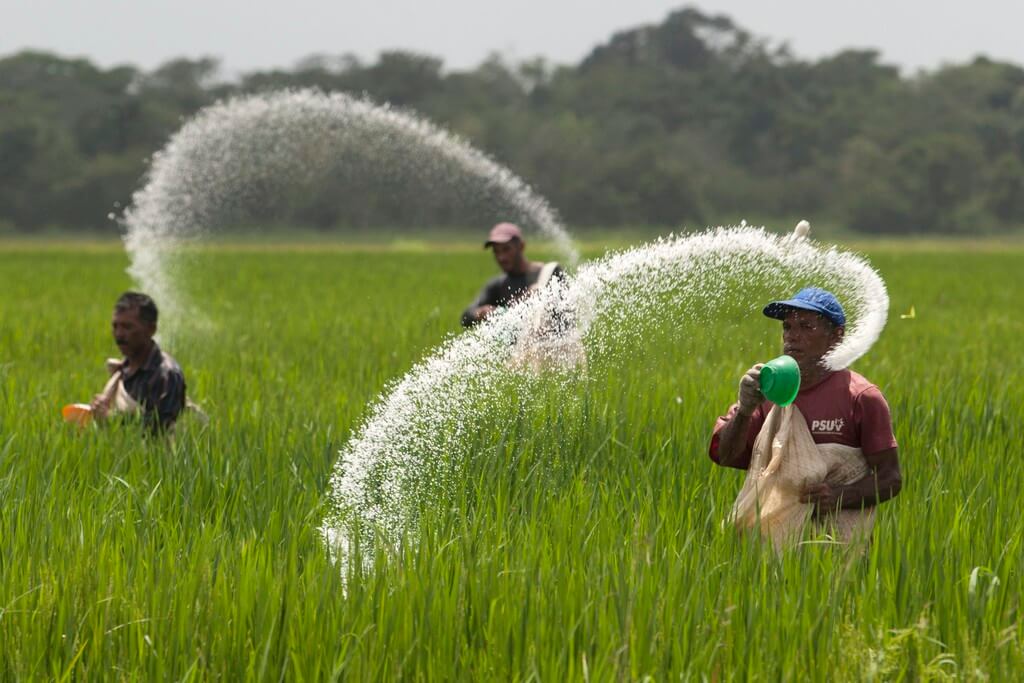
Nitrogen is the main nutrient that limits crop yield. Biologically reactive nitrogen is therefore routinely supplied to crops as synthetic nitrogen fertilizer. In the developed world, the extensive use of synthetic fertilizer in agriculture has substantial financial and environmental costs. By contrast, in the developing world, the lack of fertilizer causes low crop yields, resulting in hunger and malnutrition. Many of these problems could be avoided if plants could be engineered to fix nitrogen directly from air.

The economic benefits of biological nitrogen fixation by plants could be substantial. Globally, over $100 billion per year is spent on fertilizers, and the environmental costs are even greater.

With adequate funding, it should be possible within the next decade or so to create a transgenic plant that can fix nitrogen at biologically significant rates. However, the real challenge will be to demonstrate that a plant can fix significant amounts of nitrogen, consistently, in the field. Given the present understanding of the biochemical basis of nitrogen fixation and its genetic determinants, as well as technical advances in plant transformation and organellar targeting, and a concerted research effort, the dream of a nitrogen-fixing crop plant in the field could be achieved within the next several decades.

Editor’s note: Allen Good is a professor in the Department of Biological Sciences at the University of Alberta

Read full, original post: Toward nitrogen-fixing plants (behind paywall)

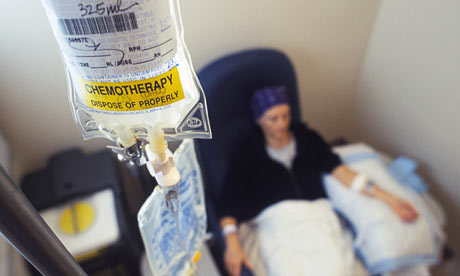
Immunotherapy mystery: Drugs treat ovarian cancer ‘when they should not have’

Cancer chemotherapy
[Four women with rare ovarian cancer], strangers to one another living in different countries, asked their doctors to try new immunotherapy drugs that had revolutionised treatment of cancer. At first, they were told the drugs were out of the question – they would not work against ovarian cancer.

Now it looks as if the doctors were wrong. The women managed to get immunotherapy, and their cancers went into remission. They returned to work; their lives returned to normalcy. The tale has befuddled scientists, who are struggling to understand why the drugs worked when they should not have.

Immunotherapy drugs pierce that protective shield, allowing the immune system to recognise and demolish tumour cells. But the new drugs do not work against many common cancers. Those cancers are supported by fewer genetic mutations, and experts believe that the tumour cells just do not look threatening enough to the body to spur a response. So the immune system leaves them alone.

The idea that [immunotherapy] drugs might work against something like hypercalcemic ovarian cancer, which is fuelled by just one genetic mutation, just made no sense.

One explanation, [oncologist Douglas Levine] and [researcher Eliezer] Van Allen say, is that the immune system may recognise that cells in which genes are erratically turning on and off are dangerous and should be destroyed.

Read full, original post: Cured unexpectedly of cancer

How Nobel Laureate scientist Sir Richard Roberts became one of the world’s foremost advocates for GMOs

CC roberts x

You’re a prominent voice on another issue: in the movement to allow access to genetically modified organisms, or GMOs, in developing countries. In 2016, you launched an initiative urging the NGO Greenpeace to stop its campaign against GMOs. Why take up this fight?

[Sir Richard Roberts:] I spent a day in Ghent [Belgium] at a meeting listening, for the most part, to plant scientists talk about, not just the work they were doing, but also the difficulties that they’d had in Europe because of Greenpeace and the anti-GMO people who really made it very difficult for them to do their work. … So, I thought maybe the Nobel Laureates could do something there.

The day after this meeting, I was invited to go and talk to the European Commission in Brussels. I was scheduled to talk to them about the future of healthcare.

I decided that I would take the opportunity to talk to them about GMOs and the future of food. I would make the case that food was medicine. If you are hungry, food is medicine.

I gave a talk about GMOs that was based on that premise, and I got a very good reaction to it. An Italian senator came up to me after and said that she’d changed her mind completely on the GMO issue.

Read full, original post: Sir Richard Roberts: Molecular Biologist, Nobel Laureate, Knight

Piecing together the puzzle of human evolution through genomic data

evolve

Researchers have developed a new method for sifting through genomic data in search of genetic variants that have helped populations adapt to their environments.

The technique, dubbed SWIF(r), could be helpful in piecing together the evolutionary history of people around the world, and in shedding light on the evolutionary roots of certain diseases and medical conditions.

SWIF(r) brings several different statistical tests together into a single machine-learning framework. That framework can then be used to scan genomic data from multiple individuals and compute the probabilities that individual mutations or regions of a genome are adaptive.

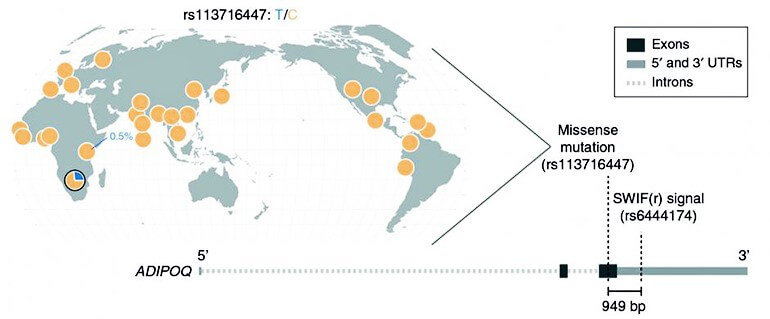
SWIF(r) identified several adaptive mutations in a set of genes responsible for energy and fat storage. That’s interesting from the perspective of what’s known as the “thrifty gene” hypothesis, the researchers say.

The hypothesis suggests that because hunter-gatherers often experience an inconsistent food supply, they’re likely to have a genetic predisposition to storing energy in the form of fat. However, those genes could be a liability in agricultural societies where food supply tends to be more consistent, potentially contributing to obesity and complications like type 2 diabetes. A deeper dive into the functions of the adaptive genes identified by SWIF(r) may be helpful in further exploring the thrifty gene idea.

3-1-2018 evolution
Using the new machine learning approach, researchers found adaptive mutations in metabolic genes in a group of African hunter-gatherers. One mutation the software found is closely linked to a protein-altering mutation that is virtually absent in populations around the world, but has a frequency of 27 percent in the hunter-gatherer genome data. (Credit: Ramachandran lab/Brown)

Editor’s note: Read full study

Read full, original post: How big data could piece together our evolution

Safer silicon breast implants made with bioengineered silk coating

implants

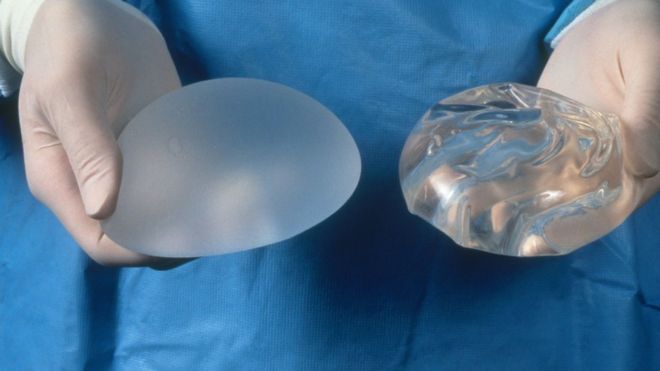
Around 46% of women with silicone implants undergo re-operation within three years; 25% have their implants removed due to irritation, or the body “rejecting” the implant. The human body is extremely adept at recognizing foreign objects and non-natural materials; because silicone is highly synthetic, it often fails to cooperate with the surrounding natural tissues, leading to irritation and infection.

For years, scientists have attempted to develop a solution to this issue in the form of a coating that would support the implant’s incorporation into the body. The German biotech company AMSilk thinks it has finally succeeded.

“Our body sees the silk protein and says, ‘Okay, I’m a protein, this is another protein, I like proteins,’ and therefore the body is much less likely to react negatively to this coating than other substances like silica or polypropylene,” [co-founder Lin] Roemer adds.

Eventually, AMSilk aims to scale up the use of this silk coating beyond breast implants to all other medical and cosmetic implants, like sensors and birth control implants (they chose the silicone molds because of their relative ubiquity and simple shape).

The AMSilk coating, Roemer says, allows the body enough time to adjust to the foreign objects, and then will dissolve in a matter of few months, leaving the implant comfortably in place, reducing the need for subsequent surgeries to correct or remove it.

Read full, original post: This Bioengineered Silk Coating Makes Medical Implants Safer

4 CRISPR gene-edited foods coming soon to a grocery store near you

banana extinction

Genetic researchers working with gene editing, along with farmers and growers, are excited about the potential for CRISPR technology to expedite solutions to a wide array of pressing concerns including climate change, malnutrition and population growth. Existing food crops can be modified to increase yields and drought and pest resistance, and improve nutrient proles.

ANTIBROWNING MUSHROOMS
Scientists from Penn State University used CRISPR-Cas9 gene editing to disable an enzyme that causes white mushrooms to brown, thereby extending shelf-life. The mushroom has been cleared by the USDA for commercial cultivation.

DISEASE-RESISTANT CITRUS
Genetic scientists hope CRISPR-Cas9 technology may provide a solution to the “citrus greening” disease that is decimating Florida orange groves by editing the genome of the trees to make them more resistant to the pathogen that causes the disease.

FUNGUS-RESISTANT BANANAS
The global banana crop is currently under threat from a widespread fungal disease. Australian scientists already have succeeded in introducing resistance via transgenic modification. Now, they hope to use CRISPR-Cas9 techniques to produce disease-resistant bananas without introducing any foreign DNA.

REDUCED-GLUTEN WHEAT
Scientists in Spain have successfully used CRISPR-Cas9 techniques to modify the genome of wheat, producing strains that are significantly lower in gluten.

Read full, original post: Meet GenED: The Next Generation of Biotechnology

Male birth control: Still no pill despite 50 years of contraceptive research

male

Today, there are 17 female-controlled forms of contraception approved by the FDA, including the birth control pill. Yet condoms and vasectomies are all that is available to men and couples who would prefer that men shoulder some of the contraceptive burden. You would think that, today, with so few male contraception options, the case for a male pill would be clear.

When you recognize there is a collective desire for a male contraceptive breakthrough, it makes the failure of science to deliver one to date even more baffling. Interestingly, the problem is rarely with the drugs themselves, as recent developments have been shown to have contraceptive efficacy. Instead, it’s barriers to bringing a male pill to market that remain myriad and complex.

Vasalgel is a polymer that is injected into the vas deferens, which transports sperm to the ejaculatory ducts. This stops the sperm leaving the penis on ejaculation similar to a vasectomy, but it is much more reversible.

The results of successful animal trials were published in February 2017, and it is hoped human trials will start soon.

though a new form of male-controlled contraception won’t be arriving tomorrow and may be some way off, this is not the time to be getting disheartened, urges [Male Contraceptive Initiative executive director Aaron] Hamlin.

Read full, original post: More than half a century later, where’s the male pill?

Lifting Sri Lanka’s glyphosate herbicide ban welcomed by tea industry

e a ec e d a cb a c f

Editor’s note: The following is part of an editorial by The Island, a daily English-language newspaper in Sri Lanka

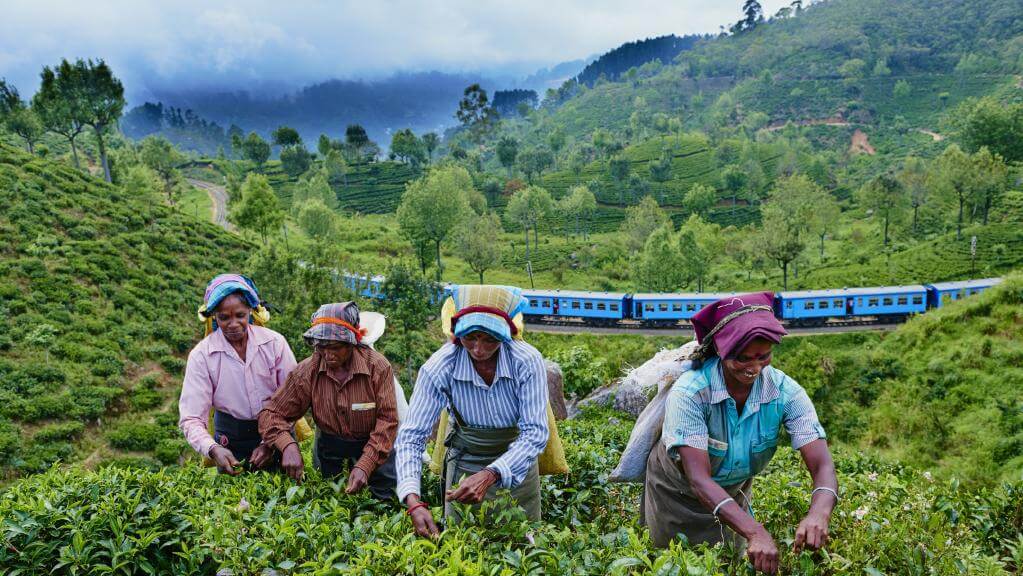
The reported decision of [Sri Lanka’s] National Economic Council (NEC) to lift the ban on glyphosate, a weedicide that was widely used in this country previously, though not yet officially communicated to those concerned nor formally gazetted will no doubt be widely welcomed, mostly by the tea industry. Plantation Industries Minister Navin Dissanayake went on record when the ill-advised ban was first imposed several months ago that he hoped to have it lifted. But he did not succeed in his endavour and the tea industry, beset by labour shortages that made expensive manual weeding near impossible, had to suffer production losses resulting in weed-choked fields. Given that tea prices were high in recent months, the national economy took a blow as a result.

[T]he most recent risk assessment for glyphosate conducted by the US Environmental Protection Agency (EPA) in December last year had found that the chemical was not harmful to human health.

Additionally the agency had performed a similar review of the glyphosate cancer database, including data from the epidemiological, animal carcinogenicity and gentoxicity studies and found no conclusive links to any ill effects.

Read full, original post: Lifting the glyphosate ban

Exploring the alternate reality of Natural News’ Mike Adams’ online ’empire of misinformation’

Health Ranger EPA nationwide water testing heavy metals
If there is a Wonderland filled with health scares, monsters, and miraculous concoctions, Mike Adams is building it. And its looking-glass is the Internet.

Much has been written recently about online “echo chambers”: the idea that we are catered to on the Internet with sites and recommendations that reinforce our preexisting beliefs. If you watch a lot of science videos on YouTube, follow many scientists on Twitter, and regularly search for scientific questions on Google, your online experience will shift away from neutrality, as search results, post sorting, and recommendations will be tailored to your pro-science stance. This is an echo chamber because, in due time, you only hear your beliefs repeated back at you and stop seeing what’s happening on the other side.

Echo chambers for the pseudoscience crowd exist as well, though Mike Adams’ online bubble is so vast and self-sufficient, it warrants the term “ecosystem”.

Mike Adams, also known as The Health Ranger, is a fierce advocate of alternative medicine. He is anti-vaccination, anti-GMO, anti-medicine.

[Editor’s note: Read the GLP’s profile on Mike Adams]

You may know him as the owner of NaturalNews.com. According to the website, its 20 writers and researchers produce up to 15 articles a day. If this massive undertaking already sounds impressive, you may want to know that NaturalNews.com is only the prominent tip of a very large iceberg.

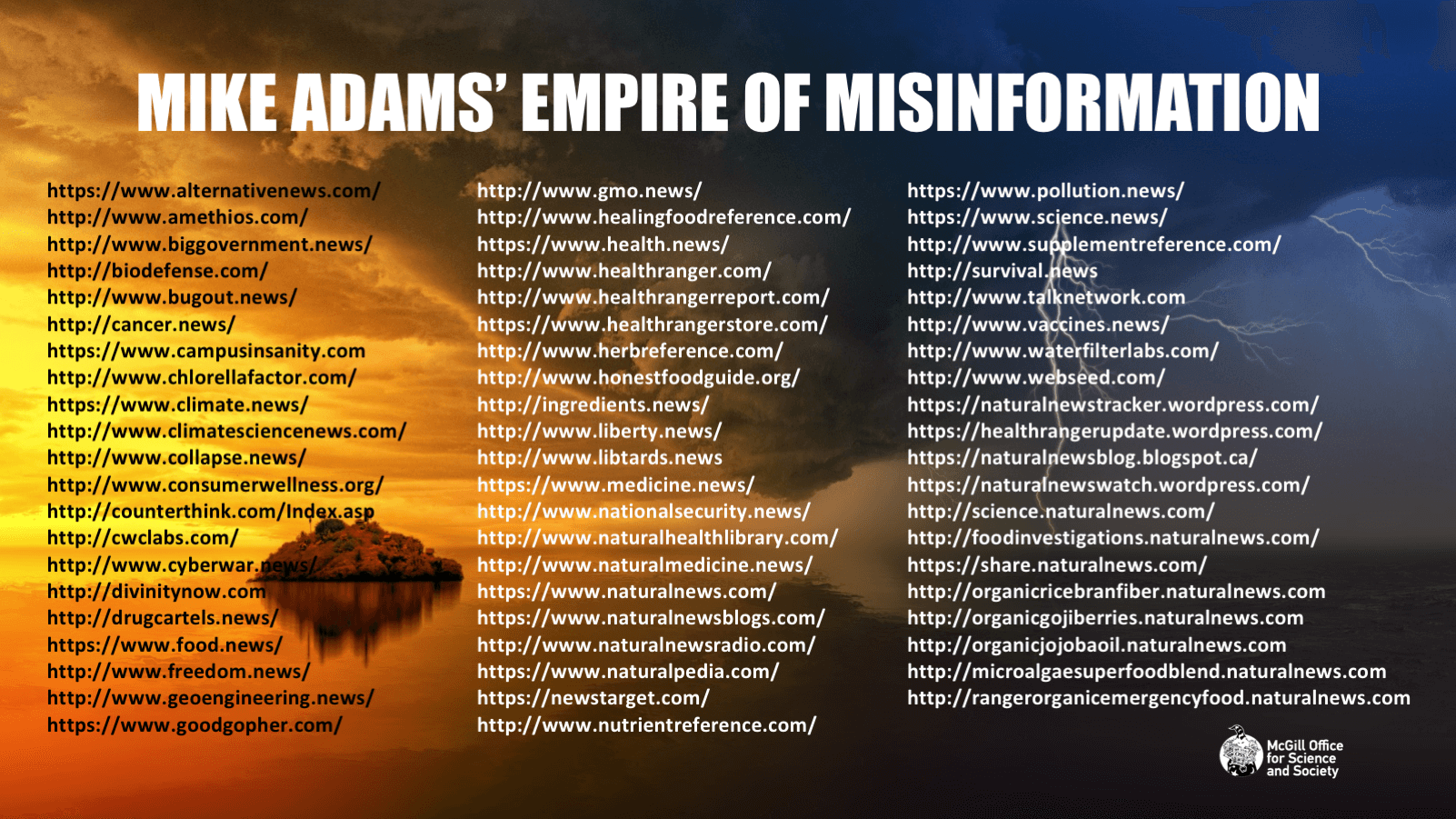
A bit of online sleuthing revealed that Mike Adams owns over 50 websites. The topics they cover go beyond alternative medicine and help shape an entire worldview: fear of medicine and science (gmo.news, medicine.news, vaccines.news), anti-Left and pro-freedom hype (campusinsanity.com, libtards.news, freedom.news), and doomsday prep advice (survival.news, collapse.news).

adams 2 20 18 2

On biodefense.com, you will be able to listen to a 45-minute audio clip of Mike Adams instructing you on building an emergency Ebola isolation room at home “after the hospitals are overrun” (never mind that Ebola does not spread easily and that few cases ever made it to North America).

On chlorellafactor.com—a webpage dedicated to an algae sold as a superfood—you will be scared into thinking every seller of chlorella wants to kill you… except for Adams who, of course, wants you to know that his store offers Clean Chlorella “even if it means less profit than retailing cheaper, lower-quality chlorella”. While Adams trots out this food source as a defence against cancer, the evidence isn’t there.

On consumerwellness.org, you will find a legit-looking portal for a nonprofit that funds educational programs. Press releases on the website claim the Center annually hands out educational grants to aid schoolchildren, expectant mothers, school nutritional programs, and low-income families. Under “Board of Directors”, a single person is named: Mike Adams. There is an invitation to “join our advisory board” but no members are listed. The website was last updated in 2016, though the organization was granted tax-exempt status in 1995.

To help bring you back within the confines of this online ecosystem, Mike Adams offers you a toolbar for web browsers so that, regardless of which website you visit, NaturalNews.com is never more than a click away. If you were thinking of searching Wikipedia for a particular food or nutrient, stop. Mike Adams owns NaturalPedia, which offers biased health information such as his page on naturopathy. On it, you will “learn” that it can treat irritable bowel syndrome and ulcers. At the bottom of the page, you will see ads for iodine, magnesium, and colloidal silver because, like the denouement you predict halfway through watching a bad movie, you will have inferred by now that Adams has a store.

Digging a bit deeper reveals a weirder complexity to Adams’ ecosystem.

Mike Adams has a search engine. If you’re looking for a replacement to Google that “filters out corporate propaganda and government disinformation”, Adams suggests you use Good Gopher. Searching for “Washington Post”, for example, I was not shown the actual website of the Washington Post; instead, I was sent to TruthWiki, RealInvestigations.News, Disinfo.news, and a whole alternate reality in which the newspaper churns out fake news and is beholden to Monsanto. Some of the “independent news websites” that Good Gopher sticks to and that aren’t owned by Mike Adams include far-right website Breitbart.com and Alex Jones’ conspiracy epicentre Infowars.com.

adams 2 20 18 3Like Google, Adams’ Good Gopher—whose animal mascot, seen holding a magnifying glass, is rendered in reassuring cartoon form—is not just a search engine. It is tied to Gopher Mail, an email service that promises to be “100% uncensored”, whatever that means. Paralleling Facebook, Adams trots out his own social network at https://share.naturalnews.com, hosted by Diaspora (a social network platform created by people who are wary of online service providers accumulating and selling your personal information to advertisers). I joined Natural News’ “online social world where you are in control” using a pseudonym and was instantly met with an article telling me to eat more olives to ward off cancer. Also, ginger is “monumentally superior” to chemotherapy, I was told.

Perhaps the most puzzling space of this alternate ecosystem is Adams’ portal to search health topics in the scientific literature. You are invited to enter a disease name, a symptom, a food, herb, nutrient, or therapy of any kind, and you are then shown a list of scientific articles on this topic. The search results, however, belong to PubMed, the search engine maintained by the National Institutes of Health of the United States and widely used by biomedical researchers everywhere. The URL for these search results even includes the PubMed ID number given to every paper it lists. So why not simply provide a link to PubMed for people to search the literature this way? Suspecting a biased, filtering-out of results, a friend searched for the last 300 additions to PubMed on Adams’ portal: they were all there. No evidence of foul play makes this addition to his ecosystem an open-ended question.

adams 2 20 18 4Raising awareness of this “alternate reality” online is important since the world of alternative medicine can seem, to the casual observer, quite benign. Behind the curtain of empathy and so-called holistic care, however, often lies a darker notion: that modern medicine cannot be trusted. Few alternative medicine proponents reach the near-operatic heights of Mike Adams, but his empire of misinformation has major ramifications. In the age of the digital echo chamber, his voice can be heard even if you don’t go searching for it.

His Twitter account boasts 124,000 followers. On the day I write this, he has tweeted about reducing your risk of stroke by drinking full-fat milk; about the chemical bisphenol-A causing gender confusion; and about a woman who cured her cancer with cannabis oil. These tweets lead to his websites, which can be searched via his Good Gopher engine and accessed through his social media platform.

Mike Adams’ dark, conspiratorial Wonderland is vast and the rabbit hole is frightening in depth. “Down, down down. Would the fall never come to an end?”

[Thanks to Geoff Brown for the investigative legwork.]

Jonathan Jarry is a biological scientist who focuses on critical science communication. Follow him at the blog/podcast The Body of Evidence or on Twitter @crackedscience.

This article originally appeared at the McGill Office for Science and Society as Mike Adams Is Building an Alternate Reality Online and has been republished here with permission.
Precision upgrade? Modified enzyme could boost CRISPR gene editing

crispr

You wouldn’t know it from the excitement generated by the revolutionary genome editing method known as CRISPR, but as practiced now, it is far from perfect. Its standard components can find and cut DNA in only a limited fraction of the genome, and its molecular scissors are wobbly, leading to “off-target” mutations. Many groups are trying to do better, and now, a team led by chemist David Liu at Harvard University has engineered a version of CRISPR that potentially is both more dexterous and more precise.

The new work, reported online in the 28 February issue of Nature, modifies the Cas9 enzyme, creating at least four times as many potential docking sites. In theory, this could allow researchers to, say, cripple or replace many parts of genes associated with human disease that CRISPR currently cannot touch.

Liu’s lab began by engineering a large variety of slightly altered spCas9s. The group then selected for ones that could use a broader range of the 64 possible, three-base landing pads—technically referred to as protospacer adjacent motifs, or PAMs. They’ve dubbed their new enzymes xCas9s, and the best one works with NGN, a sequence that occurs in one-fourth of the genome.

“I’m not 100% sure xCas9 is going to be flat out better than spCas9,” Liu says. “I want everyone to test it because I want to know the answer.”

Read full, original post: Upgrade makes genome editor CRISPR more muscular, precise

Genetic mutation can triple sorghum grain yields—and could boost rice, corn and wheat too

Lead pic x

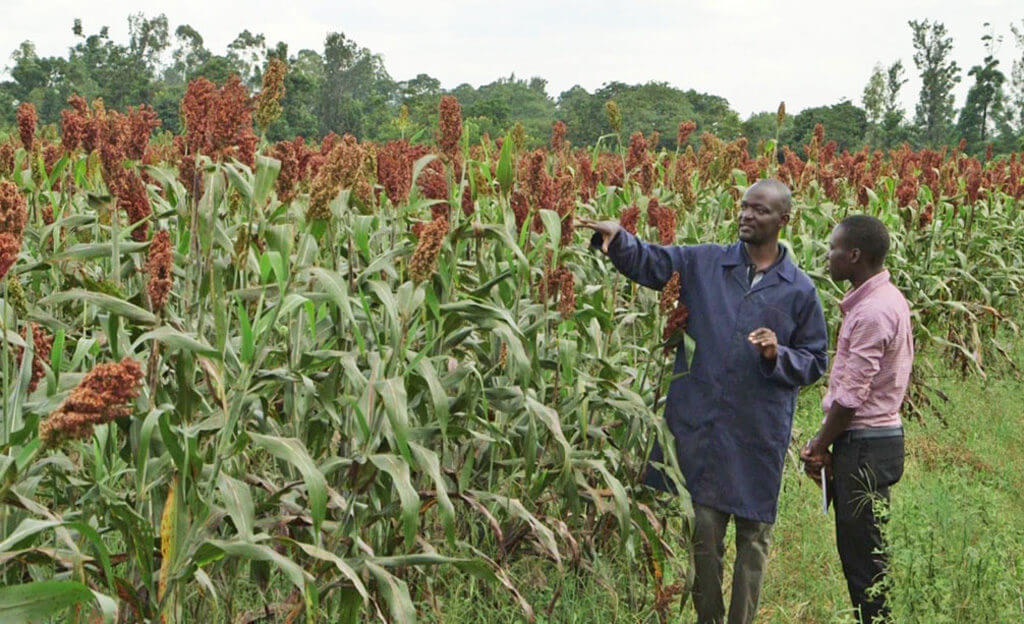
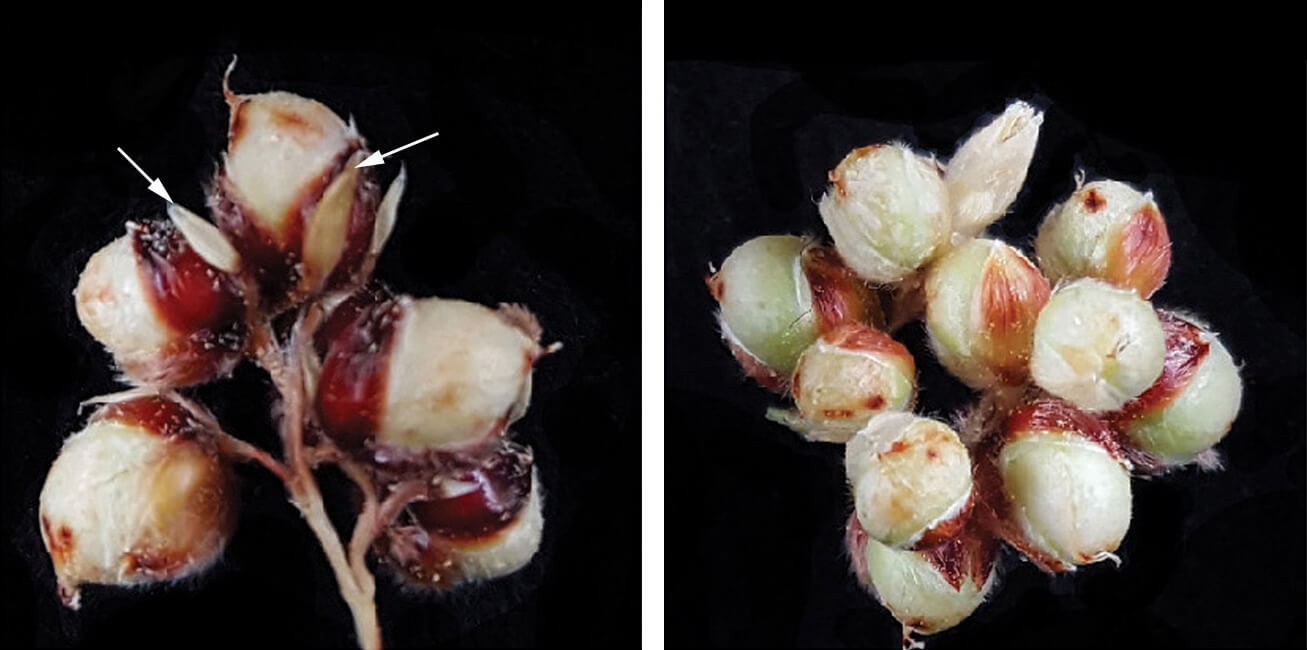
A simple genetic modification can triple the grain number of sorghum, a drought-tolerant plant that is an important source of food, animal feed, and biofuel in many parts of the world. In new research reported today in Nature Communications, scientists at Cold Spring Harbor Laboratory (CSHL) have figured out how that genetic change boosts the plant’s yield: by lowering the level of a key hormone, generating more flowers and more seeds. Their discovery points toward a strategy for significantly increasing the yield of other grain crops.

An unknown genetic mutation introduced by chemical mutagenesis—a method used for many decades by breeders and researchers to induce genetic variations in plants—resulted in an increase in the number of grains, i.e., seeds contained within fruits, that each plant produced.

Now that the team has uncovered the biological changes that triple sorghum’s grain production, they hope to apply the same strategy to increase grain production in related plants that are vital in the global food supply, such as rice, corn, and wheat. The knowledge will help guide crop improvement through traditional breeding practices as well as approaches that take advantage of genome editing technologies….

sorghum seed spikelets

Editor’s note: Read full study

Read full, original post: The secret to tripling the number of grains in sorghum and perhaps other staple crops

Saturn’s frigid moon Enceladus boasts ‘chemical buffet’ needed for life

Enceladus

Life as we know it needs three things: energy, water and chemistry. Saturn’s icy moon Enceladus has them all, as NASA spacecraft Cassini confirmed in the final years of its mission to that planet.

While Cassini explored the Saturnian neighborhood, its sensors detected gas geysers that spewed from Enceladus’s southern poles. Within those plumes exists a chemical buffet of carbon dioxide, ammonia and organic compounds such as methane. Crucially, the jets also contained molecular hydrogen — two hydrogen atoms bound as one unit. This is a coin of the microbial realm that Earth organisms can harness for energy. Beneath Enceladus’s ice shell is a liquid ocean.

As harsh as the moon’s conditions are, a recent experiment suggests that Enceladus could support organisms like those that thrive on Earth. Tiny colonies of microbes that dwell near our planet’s hydrothermal vents can tolerate a simulated Enceladus habitat, according to a new report by a team of researchers in Austria and Germany. “We tried to reproduce the putative Enceladus-like conditions in the lab,” said [researcher] Simon Rittmann.

One species tested, an archaeon called Methanothermococcus okinawensi, fared the best on faux Enceladus.

M. okinawensi uses carbon dioxide as a carbon source and molecular hydrogen for energy, as a suspected Enceladus microbe might.

Read full, original post: Alien life could thrive in a place like Saturn’s icy moon Enceladus, experiment shows