Cervical cancer could be effectively eliminated in Australia within the next four decades, medical experts say, after new data revealed infection rates had plummeted to just 1 per cent in young women. Research published by the International Papillomavirus Society, lead by doctors in Melbourne, showed a dramatic decline in the rate of Human Papillomavirus (HPV) in women aged up to 24.
…
Researchers said the decline was due to the roll-out of the national immunisation program for boys and girls, which began in 2007. Professor Suzanne Garland, the director of the Centre for Women’s Infectious Diseases at the Royal Women’s Hospital, said she expected the number of cases each year would drop from about 1,000, to just a few, thanks to the vaccination and the new DNA screening test.
…
Cervical cancer is caused by HPV infection, which can lead to the growth of abnormal cells in the lining of the cervix. About eight in 10 women are infected with HPV at some point in their lives, but most will not go on to develop cancer.
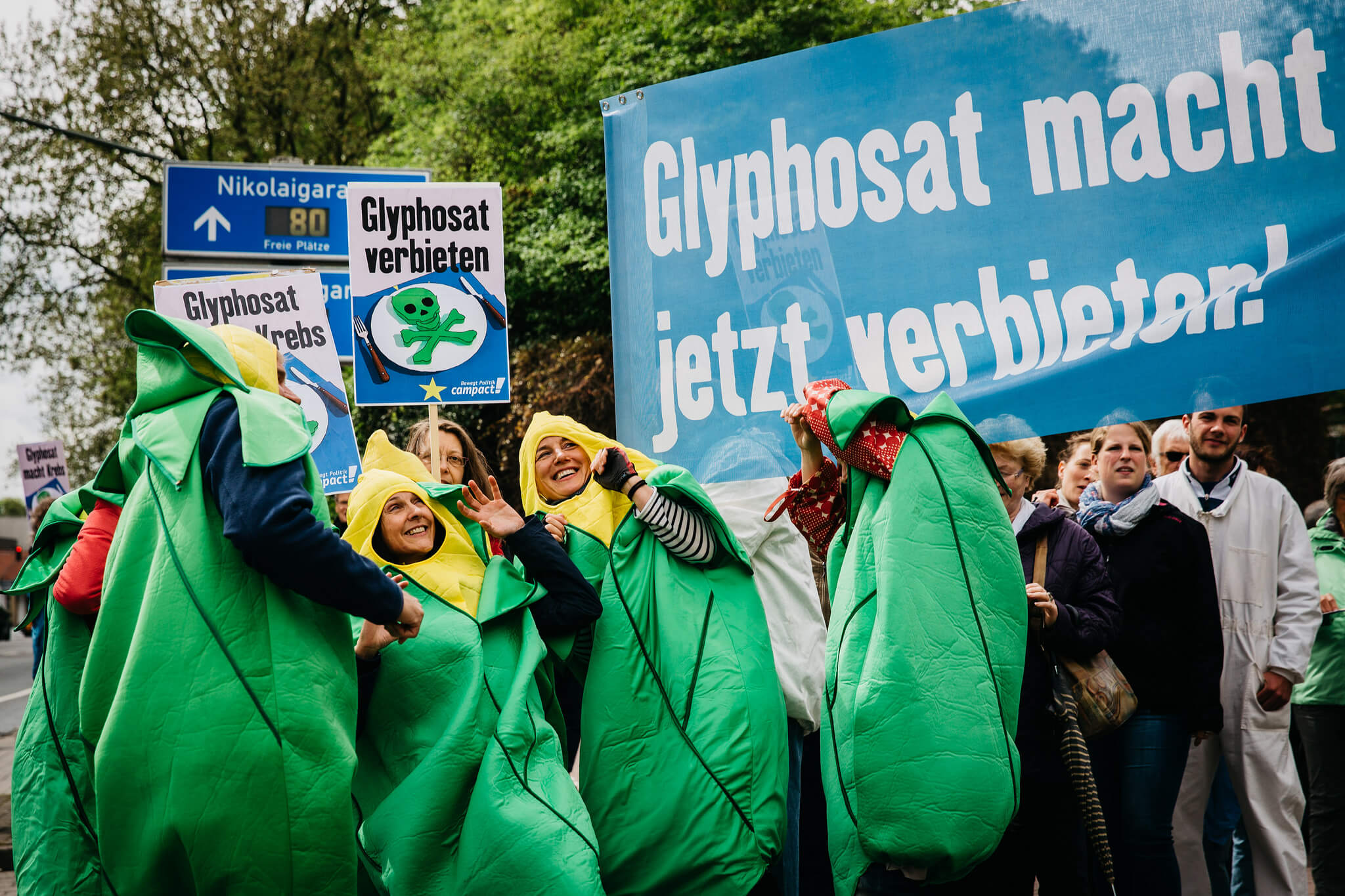
Perhaps as a sign of how unstable Germany’s political landscape has become, a weed killer has become an unlikely bargaining chip in the country’s political power-brokering. The Social Democratic Party (SPD) has mandated the discontinuation of glyphosate a prerequisite for another grand coalition to go ahead with Angela Merkel’s Christian Democratic Union (CDU). Despite facing stiff opposition to outlawing the widely used herbicide from its unruly Bavarian sister party, Merkel ultimately succeeded in getting the CSU to approve the grand coalition plan.
…
Even though the draft coalition treaty remains (no doubt deliberately) vague on a deadline, the EU’s most powerful country is now a proponent of organic agriculture, restricting the use of chemicals and broadly against glyphosate. The reasons for this latest decision may be grounded in domestic politics. The reverberations, however, will be felt across the EU.
…
[T]he fact that the CSU remains so steadfastly opposed to glyphosate – despite the weight of evidence in glyphosate’s favour – is not particularly surprising. Its stance is informed by populist considerations. The party has effectively bent to a public that has become increasingly hostile to pesticides and GMOs, thanks to the revival of green activists gathering strength across the country. Germany’s changing tack on agricultural policy and glyphosate will strengthen activists the EU over, no matter how shaky the basis for their misgivings about the chemical.
Read full, original post: Germany’s grand coalition is bad news for #glyphosate
The almond industry contributes an estimated $21 billion annually to California’s economy and it is completely dependent on honeybees for its existence. For eight years the Wonderful Company, the world’s largest almond grower, had been funding a large research project to breed another commercial pollinator—Osmialignaria, aka the blue orchard bee, or BOB—to help the beleaguered honeybee in their vast orchards. Researchers and growers worldwide were keeping a close eye on the program’s progress. But in February 2018, right when a new generation of BOBs was to fly into the orchards, Wonderful canceled the program.
…
One of the key problems inhibiting their widespread use has been the inability of breeders to propagate large numbers of them.
…
[W]hen asked why the company decided to discontinue the program right as the BOB season was about to begin, Mark Carmel, director of corporate communications, replied in a written statement, “We’ve determined that continuation of the program is not financially feasible. In addition, we were unable to consistently achieve the level of female replication needed to make the program successful.”
The Greek ministry of agriculture officially approved on Tuesday (6 March) the re-authorisation of the world’s most commonly used weedkiller, Monsanto’s Roundup, which contains controversial chemical substance glyphosate.
According to the decision, the authorisation to place the product on the market is granted from 6 March 2018 until 15 December 2023.
Greece was among the nine member states that opposed the EU’s plan to re-authorise glyphosate during a crucial vote last year. The reapproval was ultimately endorsed by a qualified majority thanks to Germany, which had previously abstained.
…
EURACTIV has learned that [France] is willing to conduct a scientific research on glyphosate’s alternatives as well as provide additional data confirming that glyphosate’s use should come to an end at the end of the 5-year re-extension.
It is not yet clear whether these countries have asked for EU funding to do this research.
Sources explained that the reservations about glyphosate are not only limited to the health and environment aspects but also to its actual effectiveness, as in Greece, for instance, the chemical substance is not suitable for the rocky soil morphology and other chemical substances are needed.
Yaniv Erlich has been a white-hathacker and a geneticist at Columbia University, and now he works for a genealogy company. This unusual career trajectory has led, most recently, to a 13-million-person family tree unveiled [March 1] in Science.
The massive trove of data comes from public profiles on the crowdsourced genealogy website Geni.com, and it sheds light on human longevity and dispersal over time.
…
Zhang: Your study is published now, but it seems like this is a beginning rather than an end. I’d imagine what you’re really interested in is overlaying genetic data on top of the family tree.
Erlich: Exactly. At MyHeritage, we started to offer DNA tests to users in November 2016. Since then we’ve collected 1.2 million DNA profiles of users.
…
We’re asking, did you have a heart attack? Are your parents suffering from Alzheimer’s?
…
What we show is you can ask users to ask about their first-degree relatives [parents, siblings, and children] and since you share half of their genome you lose half of the signal but you get so many people to answer the question that you get back to the power needed to implicate genetic variants.
…
[P]eople didn’t understand why I did this study. I got many questions: “Why even do something like that?” And then now, we’ve matured into this data-intensive world, it became very clear this is the right research to do.
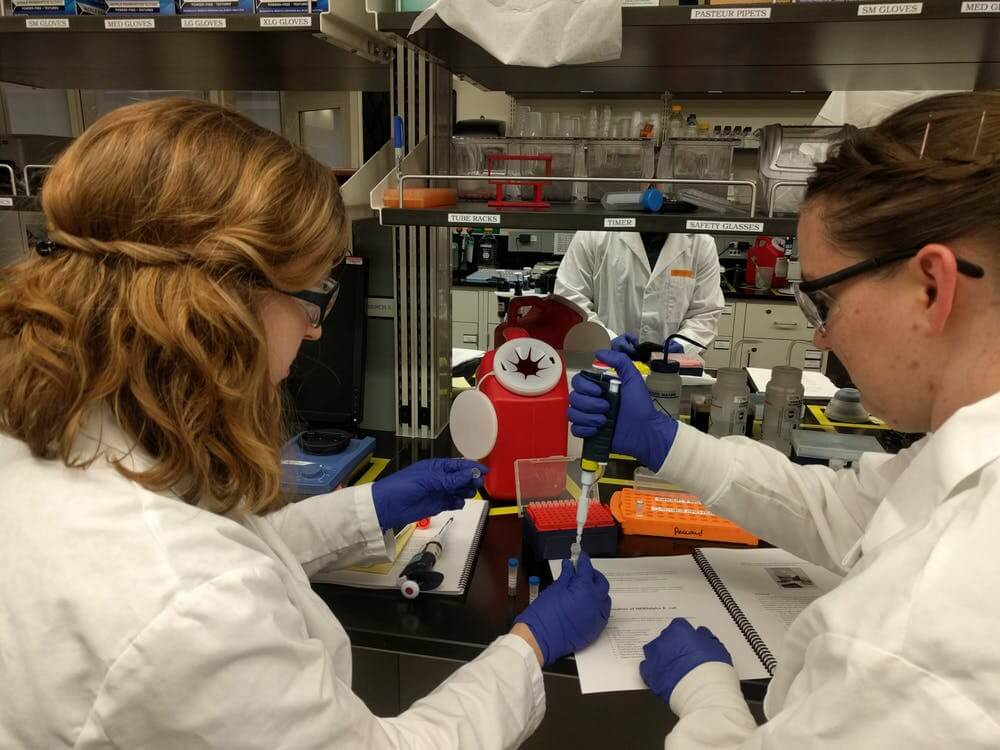
Biology is becoming increasingly digitized. Researchers like us use computers to analyze DNA, operate lab equipment and store genetic information. But new capabilities also mean new risks – and biologists remain largely unaware of the potential vulnerabilities that come with digitizing biotechnology.
The emerging field of cyberbiosecurity explores the whole new category of risks that come with the increased use of computers in the life sciences.
University scientists, industry stakeholders and government agents have begun gathering to discuss these threats. We’ve even hosted FBI agents from the Weapons of Mass Destruction Directorate here at Colorado State University and previously at Virginia Tech for crash courses on synthetic biology and the associated cyberbiosecurity risks. A year ago, we participated in a U.S. Department of Defense-funded project to assess the security of biotechnology infrastructures. The results are classified, but we disclose some of the lessons learned in our new Trends in Biotechnology paper.
Along with co-authors from Virginia Tech and the University of Nebraska-Lincoln, we discuss two major kinds of threats: sabotaging the machines biologists rely on and creating dangerous biological materials.
Computer viruses affecting the physical world
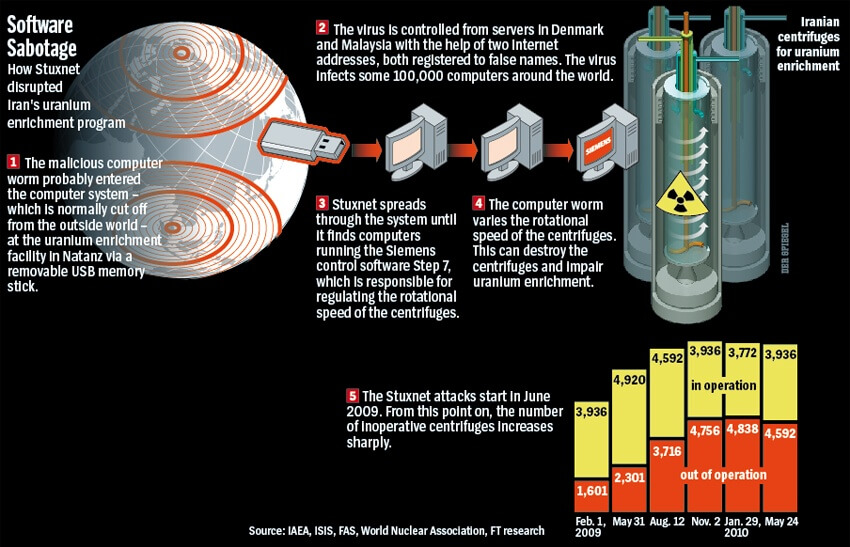
In 2010, a nuclear plant in Iran experienced mysterious equipment failures. Months later, a security firm was called in to troubleshoot an apparently unrelated problem. They found a malicious computer virus. The virus, called Stuxnet, was telling the equipment to vibrate. The malfunction shut down a third of the plant’s equipment, stunting development of the Iranian nuclear program.
Unlike most viruses, Stuxnet didn’t target only computers. It attacked equipment controlled by computers.
The marriage of computer science and biology has opened the door for amazing discoveries. With the help of computers, we’re decoding the human genome, creating organisms with new capabilities, automating drug development and revolutionizing food safety.
Stuxnet demonstrated that cybersecurity breaches can cause physical damages. What if those damages had biological consequences? Could bioterrorists target government laboratories studying infectious diseases? What about pharmaceutical companies producing lifesaving drugs? As life scientists become more reliant on digital workflows, the chances are likely rising.
Messing with DNA
The ease of accessing genetic information online has democratized science, enabling amateur scientists in community laboratories to tackle challenges like developing affordable insulin.
But the line between physical DNA sequences and their digital representation is becoming increasingly blurry. Digital information, including malware, can now be stored and transmitted via DNA. The J. Craig Venter Institute even created an entire synthetic genome watermarked with encoded links and hidden messages.
Twenty years ago, genetic engineers could only create new DNA molecules by stitching together natural DNA molecules. Today scientists can use chemical processes to produce synthetic DNA.
That means that access to specific physical samples is no longer necessary to create new biological samples. To say that all you need to create a dangerous human pathogen is internet access would be an overstatement – but only a slight one. For instance, in 2006, a journalist used publicly available data to order a fragment of smallpox DNA in the mail. The year before, the Centers for Disease Control used published DNA sequences as a blueprint to reconstruct the virus responsible for the Spanish flu, one of the deadliest pandemics of all time.
With the help of computers, editing and writing DNA sequences is almost as easy as manipulating text documents. And it can be done with malicious intent.
Participants in CSU’s workshop for the FBI got hands-on training in the techniques of biotechnology. Anne Manning, CC BY-ND
First: Recognize the threat
The conversations around cyberbiosecurity so far have largely focused on doomsday scenarios. The threats are bidirectional.
On the one hand, computer viruses like Stuxnet could be used to hack into digitally controlled machinery in biology labs. DNA could even be used to deliver the attack by encoding malware that is unlocked when the DNA sequences are translated into digital files by a sequencing computer.
On the other hand, bad actors could use software and digital databases to design or reconstruct pathogens. If nefarious agents hacked into sequence databases or digitally designed novel DNA molecules with the intent to cause harm, the results could be catastrophic.
And not all cyberbiosecurity threats are premeditated or criminal. Unintentional errors that occur while translating between a physical DNA molecule and its digital reference are common. These errors might not compromise national security, but they could cause costly delays or product recalls.
Despite these risks, it is not unusual for researchers to order samples from a collaborator or a company and never bother to confirm that the physical sample they receive matches the digital sequence they were expecting.
Infrastructure changes and new technologies could help increase the security of life science workflows. For instance, voluntary screening guidelines are already in place to help DNA synthesis companies screen orders for known pathogens. Universities could institute similar mandatory guidelines for any outgoing DNA synthesis orders.
There is also currently no simple, affordable way to confirm DNA samples by whole genome sequencing. Simplified protocols and user-friendly software could be developed, so that screening by sequencing becomes routine.
The ability to manipulate DNA was once the privilege of the select few and very limited in scope and application. Today, life scientists rely on a global supply chain and a network of computers that manipulate DNA in unprecedented ways. The time to start thinking about the security of the digital/DNA interface is now, not after a new Stuxnet-like cyberbiosecurity breach.
Jenna Gallegos is a Posdoctoral Researcher in Chemical and Biological Engineering at Colarado State University. Jenna got her PhD in plant biotechnology at UC Davis where she studied gene expression in plants.
Jean Peccoud is a Professor in Synthetic Biology at Colorado State University. Dr. Peccoud’s research program focuses on synthetic biology informatics. His group combines computational and experimental efforts to develop predictive models of behaviors encoded in synthetic DNA sequences. He is the founding Editor-in-Chief of the journal Synthetic Biology published by Oxford University Press.
The cost of current biotech industry regulations might not be obvious to consumers, but it’s clear to researchers.
“We’ve got nothing on the market for animals. Zero. Twenty years of zero. That’s the cost of regulation. That’s my entire career,” said Alison Van Eenennaam, a geneticist with the University of California-Davis. “I very much understand the opportunity costs of tying breeders’ hands behind their backs because we have developed these disease-resistant animals, we have developed animals that more efficiently digest their feed and reduced environmental impact per pound of gain, and they haven’t come to market.”
Van Eenennaam said many genetically engineered animals have not been commercialized because regulatory costs are prohibitive. And it’s unlikely to change unless regulations for gene-edited products avoid the regulatory environment that has kept smaller companies and some academics from using transgenic processes to produce innovative agricultural products. Transgenic breeding involves the moving of genetic material between unrelated plant or animal species. These types of crosses have been used to create many of the crops, including corn, soybeans and cotton, that dominate farms in the US and other nations where GMOs are allowed to be grown.
Alison Van Eenennaam
According to a 2011 CropLife survey, it costs an average of $136 million and takes 13 years to bring a GMO crop to market. That’s a price that can only be paid by the largest of companies. Said Van Eenennaam:
So yeah, the environmental implications of slowing down or excluding access of breeders to innovation is draconian, especially in animal production. I see that lost opportunity, perhaps the public doesn’t, but breeders do.
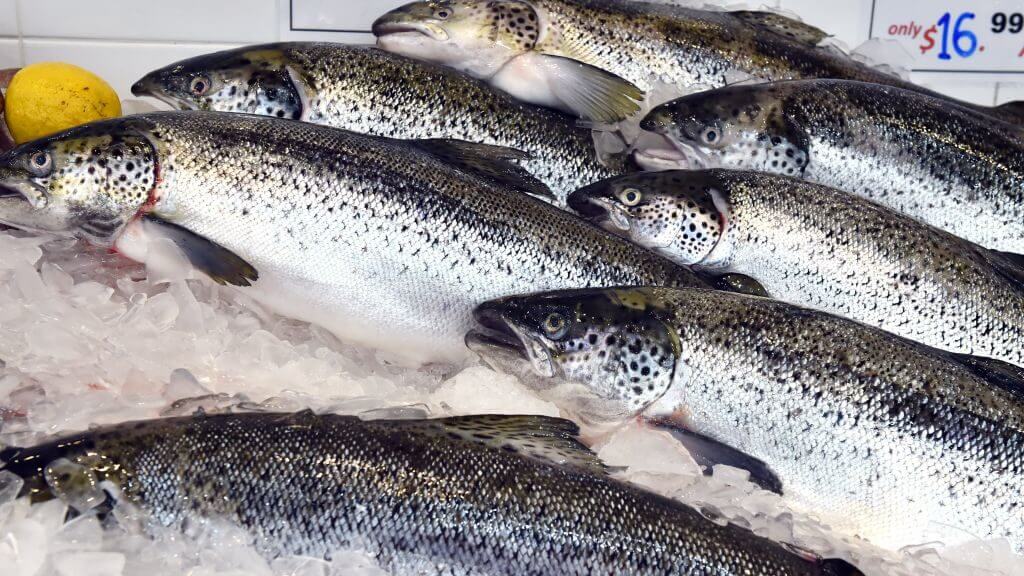
Ironically, GMO opponents often point out that only large companies benefit from biotechnology while lobbying to make it more difficult and costly to produce GMOs. As a result, few small companies have successfully navigated the regulatory maze to commercialize transgenic products. One of the few success stories is that of Aquabounty and its genetically engineered salmon.
Most-studied food
AquaBounty’s CEO and president Ron Stotish says the GE salmon is probably the world’s most studied food.
“We have a 25-year pedigree on that fish and we know everything about it, including the DNA sequence,” Stotish said.
It took about 20 years to commercialize the product from the time AquaBounty completed developing the salmon. Stotish pointed out there was no regulatory pathway back then, and agencies were trying to decide how to deal with GE animals. The FDA finally approved commercialization in 2015 and Health Canada approved it the following year.
AquaBounty, with 39 employees, is one of the few small companies that have undertaken the Herculean task of commercializing a transgenic food.
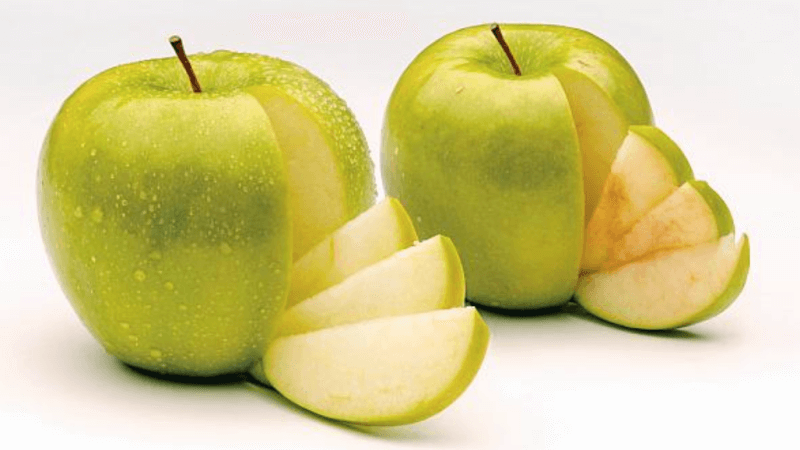
Another small company, Okanagan Specialty Fruits also used genetic engineering to create the Arctic apple varieties, which don’t turn brown after being cut. Neal Carter, president of Okanagan, said it took about 15 years — five years of development, five years of data collection, and five years of regulatory oversight — to get the product to market in late 2017. Said Carter:
From 1996 to 2015, we existed by having 45 shareholders who were very patient, running a business that was very frugal. There were some days when you wake up wondering whether it’s going to happen or not.
In 2015, Intrexon purchased Okanagan, and Carter said the buyout gave the company “more staying power,” and less need to worry about financing. Intrexon also became majority stockholder of AquaBounty in 2012.
From his perspective, the prospect of a small company developing a transgenic product is “doable, but it’s very hard.”
That’s one reason scientists are excited about the advent of gene editing. Biotech advocates hope that because gene editing isn’t necessarily transgenic, the products produced will be less heavily regulated — or not regulated at all. That could open things up for innovation at smaller companies and for university research as well.
Gene editing as a drug
The US Department of Agriculture and the Food and Drug Administration recently agreed to work together to update biotech regulations, including a review on gene-editing regulations. Currently, the agencies are taking opposite approaches to the issue.
For instance, the USDA’s Animal and Plant Health Inspection Service (APHIS) has ruled that gene-edited products such as the non-browning mushroom fall outside its regulatory authority because they do not contain foreign DNA from ‘plant pests’ such as viruses or bacteria.
But the FDA in January 2017 proposed regulations that would treat gene-edited animals as they would a new drug — just as the agency treated transgenic animals. The argument was that edits to DNA changed the body’s function, as with a drug. The proposal came in the Obama administration’s last days, and the Trump administration is viewed as friendlier towards agricultural innovation. The FDA took comments on the proposed regulations, but the agency has not yet come forward with new proposals.
Van Eenennaam said the FDA’s proposed regulations made no sense from a scientific perspective: “By definition, DNA alters the form or function of our bodies — that’s the purpose of our genome.”
Van Eenennaam collaborates with a company, Recombinetics, that has used Talen, a new breeding technique, to develop hornless dairy cows, which earned praise from several animal welfare groups. The goal was too eliminate the de-horning process, which is painful and traumatic for the cows. She’s also using CRISPR to develop a bull that would sire only male offspring. She estimates it would make raising beef cattle about 15 percent more efficient.
She argued that, in many cases, gene-edited products don’t need regulation.
“Many of the applications don’t introduce novelty in DNA sequences or novel traits,” she said. “So, you can move an allele from one breed to another and it mimics what you can do naturally by breeding them conventionally, but it brings across precisely only the alleles you want and not the rest of the genome of that animal. If you bring in a protein from a different gene or a different species, then it’s novel, and it’s never been in our food supply before, well that’s a potential hazard. That should be regulated.”
Inserting a jellyfish gene into a cow would be analogous to genetic engineering and may require regulation, she said. But if it’s a sequence from within the same breed or species, you can get that through conventional breeding. There’s no reason to regulate it.
Jack Bobo, chief communications officer for Intrexon, a health and agricultural biotech company, said part of the problem is that FDA took an approach that made regulation mandatory for genetic engineering. It tied transgenesis to the regulatory process, creating confusion in the marketplace, he said. Said Bobo:
It’s useful to understand that the only way the FDA was able to create a mandatory (regulatory) process for genetic engineering in animals was by calling it a new animal drug. From a regulatory standpoint, they’ve got this challenge of either everything is fine or nothing is fine. That puts them in a challenging position because while people would say gene editing is very precise and less likely to create any risk in terms of a product, it doesn’t mean that one couldn’t create something that could be problematic.
Bobo and Van Eenennaam maintain regulations should be based on the product based on the risk that product presents and not the method used to produce it.
Should non-regulation be the goal?
Bobo cautioned that while non-regulation — as the USDA has proposed — might seem appealing, it might not be the best thing for the biotech industry.
“There’s a danger if you’re pushing for no regulation that some people will perceive it as trying to get around regulation, and that might undermine confidence in these products. I think all industry should be focused not on how to keep FDA from regulating these products, but should be focused on how regulation is modified to reflect actual risk,” he said.
It also would push innovation down a very specific path: away from transgenic breeding and towards gene editing, he said.
“The main thing is this is an opportunity to reconsider the regulatory landscape generally, and while it’s important to focus on how new products should be regulated, we shouldn’t forget there’s still a large body of research out there that could be lost if everything goes down this road. Because there’s things you’ll never be able to do with gene editing that you can do with genetic engineering,” he said. “If it becomes a question of cost, then we might give up on doing things like drought-tolerance or nitrogen fixation.”
For instance, although Okanagan has a program researching gene editing for its apples, Carter noted it’s challenging to work with fruit trees due to the genome’s complexity.
But the Arctic apple varieties use only genes from other apple varieties. If the product rather than the process is evaluated, it might receive speedier approval or might not fall under regulatory authority at all.
Carter, from Okanagan, said there seems to be an appetite to change the regulatory policy:
As agencies get more familiarity with the products, and you see more different technologies and platform technologies like the CRISPR-Cas9, the combination of more simple tools and no integrated DNA, this transient approach means there’s less concerns about what you might have done with the plant. And then there’s familiarities with biotechnology in general among these agencies. I hate to refer to it as a reduced regulatory burden, but the hope is that we’ll see more of a tiered approach. The effort will be put more into things that are new and different and have never been seen before, whereas the other ones will go through a more fast-tracked and efficient process. That’s everybody’s hope.
Joe Scott is a freelance agricultural writer. He was an editor with Patch.com and wrote for St. Louis Suburban Journals for 10 years, where he was, for a time, editor of the Warrenton Journal, where he wrote on agriculture among other topics. Follow him on Twitter @joescott44.
The US Cattlemen’s Association is making a pre-emptive strike against potentially misleading marketing for the next wave of meat alternatives. According to USA Today:
The association launched what could be the first salvo in a long battle against plant-based foods. Earlier this month, the association filed a 15-page petition with the U.S. Department of Agriculture calling for an official definition for the term “beef,” and more broadly, “meat.”
“While at this time alternative protein sources are not a direct threat to the beef industry, we do see improper labeling of these products as misleading,” said Lia Biondo, the association’s policy and outreach director. “Our goal is to head off the problem before it becomes a larger issue.”
Reading the petition, it’s not clear what the issue is, other than the fact that they’re facing growing competition from meat alternatives and they don’t like it. The brief and accompanying exhibits point to a lot of reporting that shows growing investment and growing interest in meat alternatives in general and beef alternatives in particular.
The main line of objection seems to be that products marketed explicitly as alternatives to beef might be confused for beef. They seem particularly dismayed at characterizations that some of the new plant meats bleed just like beef. This is an odd objection, because neither your ribeye or medium rare hamburger actually bleed. The liquid that spills out of a juicy burger is mainly water and heme, whether the burger is made of cow flesh or yellow peas and beet juice.
From the USCA’s petition.Collective Exhibit 5
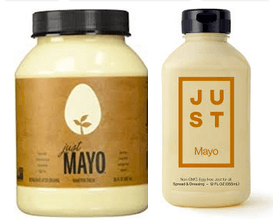
In some particulars they have a slender point of entry that might stick. The packaging on Beyond Meat’s Beefy Crumbles features an outline of a steer colored in with plant leaves. That could reasonably be prohibited, just as the egg outline on the original packaging of Hampton Creek’s Just Mayo was. But ranchers are really fighting a rear guard action that just seems petty. Beefy crumbles are sold in the vegetarian/organic freezer section with all the other meat substitutes. What the USCA is really objecting to here is the idea of the purveyors of meat alternatives signalling which meats they are an alternative to. That’s going to bump up against First Amendment issues pretty easily. And speaking from experience, if some carnivore accidentally pays an arm and a leg for 10 ounces of frozen Beefy Crumbles, they won’t be confused for long. They suck. What the USCA is afraid of is that the day is coming when they won’t suck, and they won’t cost as much as steak.
Along with 2015’s industry attempts to define Just Mayo out of existence to 2016’s attempt to block plant based milks from being labeled as milks to the 2017 move by Wisconsin to block the sale of Kerrygold butter in the state, this can be chalked up to the typical Big Ag refusal to take no for an answer under any circumstances. If they can avoid competition or accountability by legal injunction or political clout, they will — under just about any circumstances. But what’s really interesting here is that their legal argument is at odds with the general thrust of Big Ag’s defense of itself over the last decade and the way it undercuts the philosophical case for the biotech regulatory reform that the industry (and agromodernists like myself) wants.
In addition to seeking to block competition from a new generation of plant and insect-based meats, the existential threat they hope to stop in this petition is the so-called Clean Meat industry, that is, in vitro or vat meat.
We just went through a decade of the industry attempting to educate consumers about the wonders and necessities of modern food and livestock production. Consumers were told, and I’m in absolute agreement, that they are too sentimental in their expectations and conceptions of what good agriculture is. They worry too much about and don’t understand the leaps in genetics and the benefits of faster-growing animals, the need for judicious use of antibiotics, the environmental gains in using growth hormones in cattle, the need for farrowing crates in hog production and on and on.
Now the worry is that some consumers are going to be insufficiently sentimental about whether they are eating beef or “beef”. But this cuts beyond irony and hypocrisy. This undercuts the philosophical underpinnings of the industrial food sector’s approach to biotech regulatory reform.
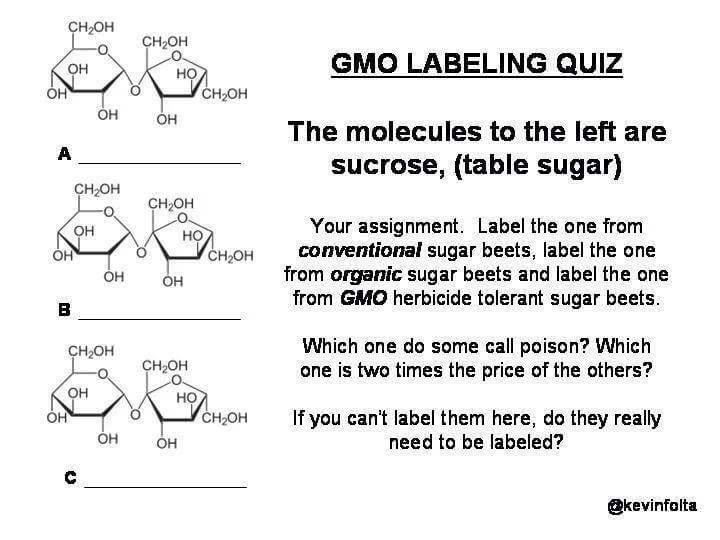
How many advocates for biotech in ag have pointed out that biotech sugar or canola oil are indistinguishable in every way from their conventional counterparts? The current regulatory regime in the US and elsewhere runs on the idea of substantial equivalence — that is, the properties of the novel product fall within the normal variation found among a crop or animal that the trait or traits have been added to.
More crucially, this underpins where both the industry and the scientific community would like to see regulatory reform go — regulate novel products by their traits, properties and potential risks rather than by method. A non-browning biotech apple should face almost no regulatory hurdles, while a new traditionally bred herbicide tolerant canola should be submitted to rigorous environmental study and testing to make sure that it pairs correctly with the herbicide, and potential resistance issues are well characterized prior to commercial release.
That conception of product over process doesn’t play well with the distinction that the UCSA wants to make between beef produced through the legacy technology of harnessing the biology of a cow to synthesize inputs into beef and the emerging production processes of synthesizing inputs into beef through cell tissue culture. By any scientifically coherent definition, the end products are both beef, substantially equivalent, if not identical in composition and in properties.
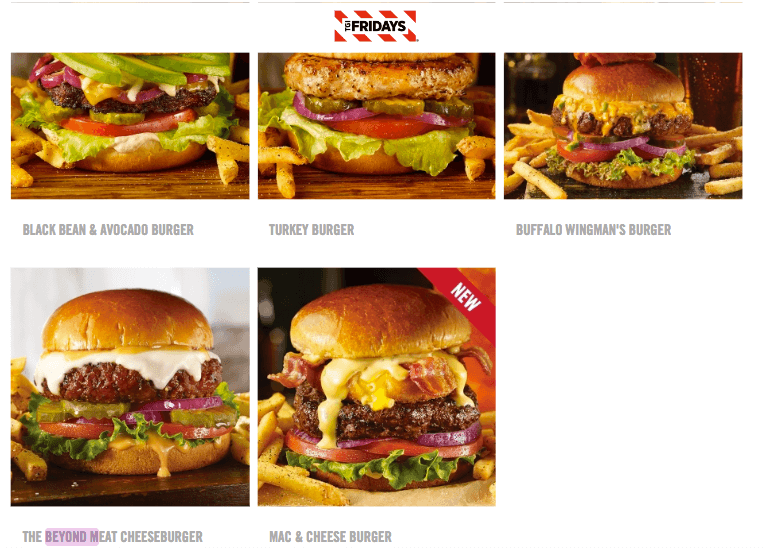
But that opens up an interesting question. What is meat? Once we admit or concede that in vitro meat is … meat, then we are in a taxonomy of properties and not processes. Anyone who has ever chewed on the fairly old school meat substitute textured vegetable protein (TVP) as well as well done beef in a taco or both at the same time in a Taco Bell taco can attest that the properties are more or less identical. I haven’t had the Impossible Burger yet, but I have had the Beyond Burger and property-wise, it’s somewhere between a beef burger and turkey burger, substantially equivalent to the range of ground meat burgers.
It’s not clear to me that being sourced from a living animal is going to be what distinguishes meat from not-meat for much longer. What words mean is ultimately decided by culture, not the courts and certainly not the USDA, and words change and evolve in the culture all the time. Nobody is confused about whether peanut butter comes from peanuts or cows. Likewise the ship sailed a long time ago as to whether plant milks are milks (any white liquid people pour on breakfast cereal could reasonably be considered milk at this point. Is this milk? –> Is it white? –> Yes –> Can you pour it on cereal? Yes –> This is milk.) Vegan breakfast sausage is already indistinguishable from animal breakfast sausage. Vegan cheese made through synthetic biology with the exact same proteins and fats as dairy cheese is on the way. Just Mayo is richer and more flavorful than Hellman’s even without the eggs or the egg logo. The Beyond Burger is as meaty or more so than most of the hockey pucks served by fast food joints all over the country. The Impossible Burger is by all accounts a really good hamburger. The day is coming soon when the source isn’t going to define what consumers consider meat and cheese.
No petition or injunction or bill from Congress is going to change that. But it could become the basis of a lawsuit and lobbying campaign to stymie attempts to regulate biotech and non-biotech equally by properties and risks rather than by process. That would be a damn shame. Don’t let the beef industry tell you aren’t being sentimental enough. There’s is too much sentimentality getting in the way of progress in the food system as it is already.
Let me just say something, while I’ve got your attention on the plant milk issue. While the ship has sailed a long time ago as to whether plant milks are a type of milk, they do carry a serious confusion for consumers that won’t be settled by banning the use of the word “milk” but should be addressed through standards. That is, plant based milks are nutritionally inferior to cow’s milk. Rather than a rearguard action to ban the use of the word ‘milk’ that alienated potential allies, the dairy industry could have proposed minimum nutritional guidelines for the use of the milk label, forcing plant milks to further supplement their products. This is an approach that could have been made in coalition with public health advocates, especially for children’s health because parents do rely on milk for kid’s nutrition much more than adults lean on milk to deliver full nutrition. Many parents do not realize that plant milks are deficient compared to cow’s milk. This would have required Big Ag to embrace regulatory standards and reach out to new coalition partners, something that doesn’t come naturally.
Marc Brazeau is the editor of Food and Farm Discussion Lab. Follow him on Twitter @eatcookwrite.
The difference between hazard and risk is a critical distinction.
Hazard and risk describe two different but related concepts. The difference may sound like an unimportant jargon-filled distinction, but this difference is critical to understanding reports of hazards and risks.
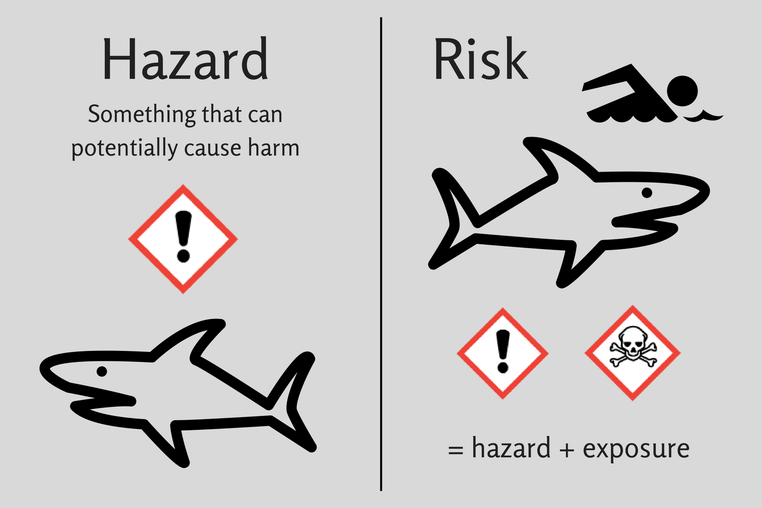
A hazard is an agent that has the potential to cause harm.
Risk measures the likelihood of harm from a hazard.
Hazards only become risks when there is exposure. Sharks are a hazard. But if I never go near the ocean, I have no exposure to sharks and face no risk of a shark attack.
…
One area where this confusion between hazard and risk is very visible is in the classification of carcinogens. Hazard identification is the first step of risk assessment, but is not in and of itself a risk assessment. However, we consistently see reports of hazard identification presented as evidence of actual risk.
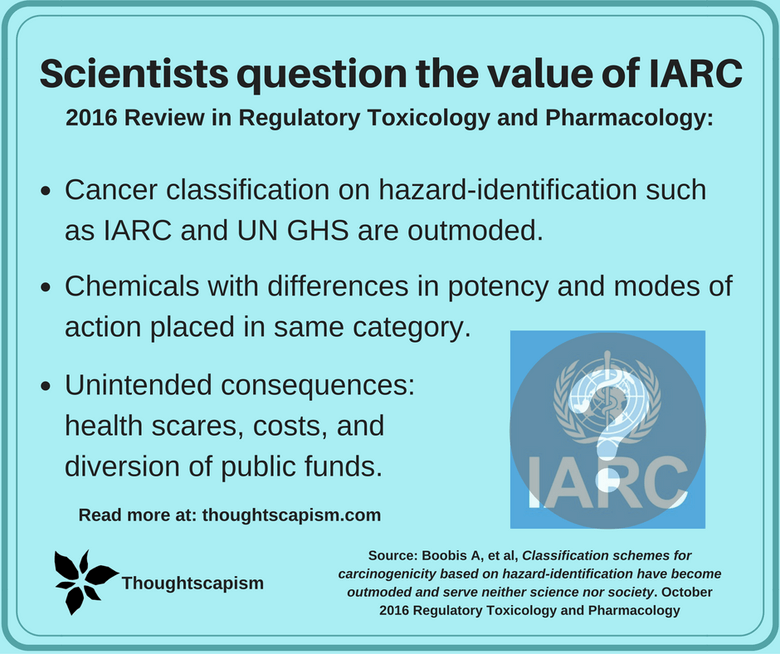
These problems are particularly prominent in connection to the reports by the International Agency on Cancer Research (IARC). IARC has come under fire by scientists for not being clear about its communication of hazard vs risk.
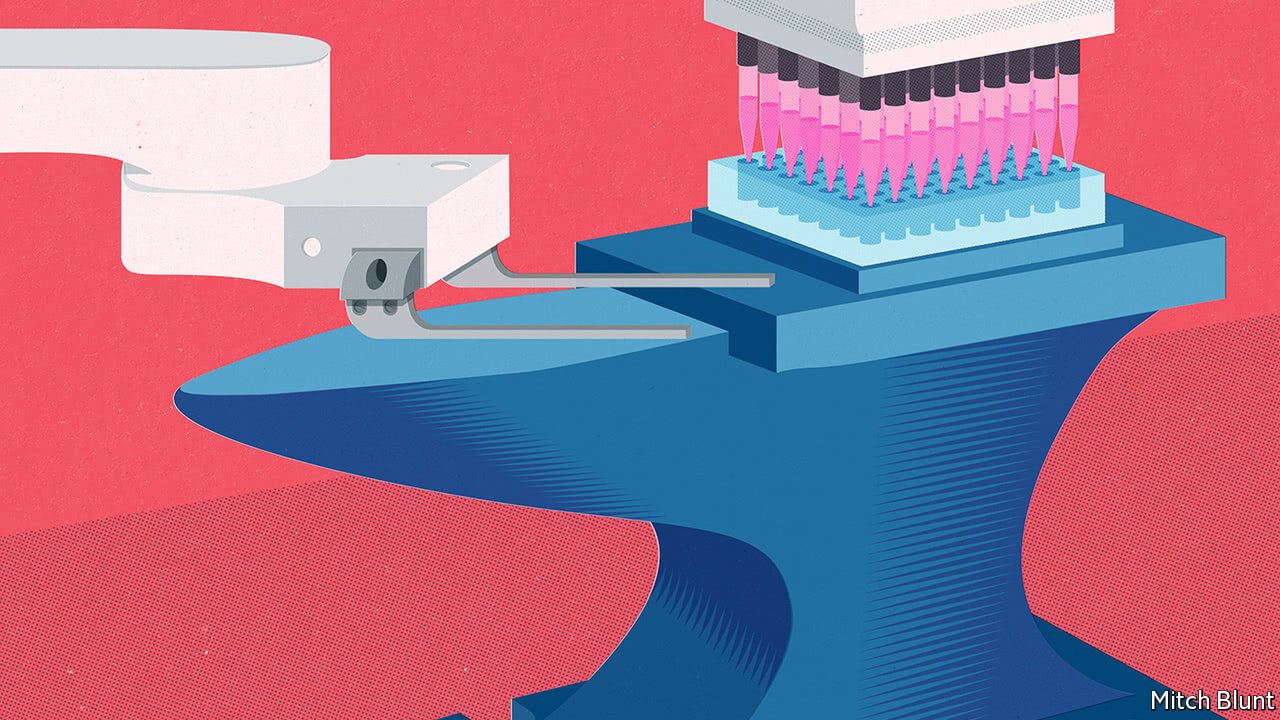
In the basement of Imperial College sits the London DNA Foundry.
…
This foundry is, however, determinedly modern. Liquid is indeed being moved around and poured. But it is in minuscule quantities, and it is not metal. Instead, it is an aqueous suspension of the genetic codes of life.
…
Similar biofoundries are being set up around the world, from the Broad Institute in Cambridge, Massachusetts, via Silicon Valley, to the National University of Singapore. All offer ways of centralising the donkey work of genetic-engineering research….
London DNA Foundry’s operations room is filled with boxy devices, each designed to do one particular operation, such as pipetting, repeatedly and quickly. A robotic arm shuttles small plastic dishes between the machines…Using this arrangement, the foundry can mix, in the precise concentrations required, 150,000 samples of DNA in a morning.
…
True to its name, the foundry is set up to build and test DNA plasmids only. Some other biofoundries, however, offer a wider range of services.
…
[T]he process of designing new synthetic lifeforms [could] be scaled up from the bespoke boutique business it is now to something more like a global industry. That day is not yet here. But if there is demand, then biofoundries will surely play their part in the next phase of the Industrial Revolution.
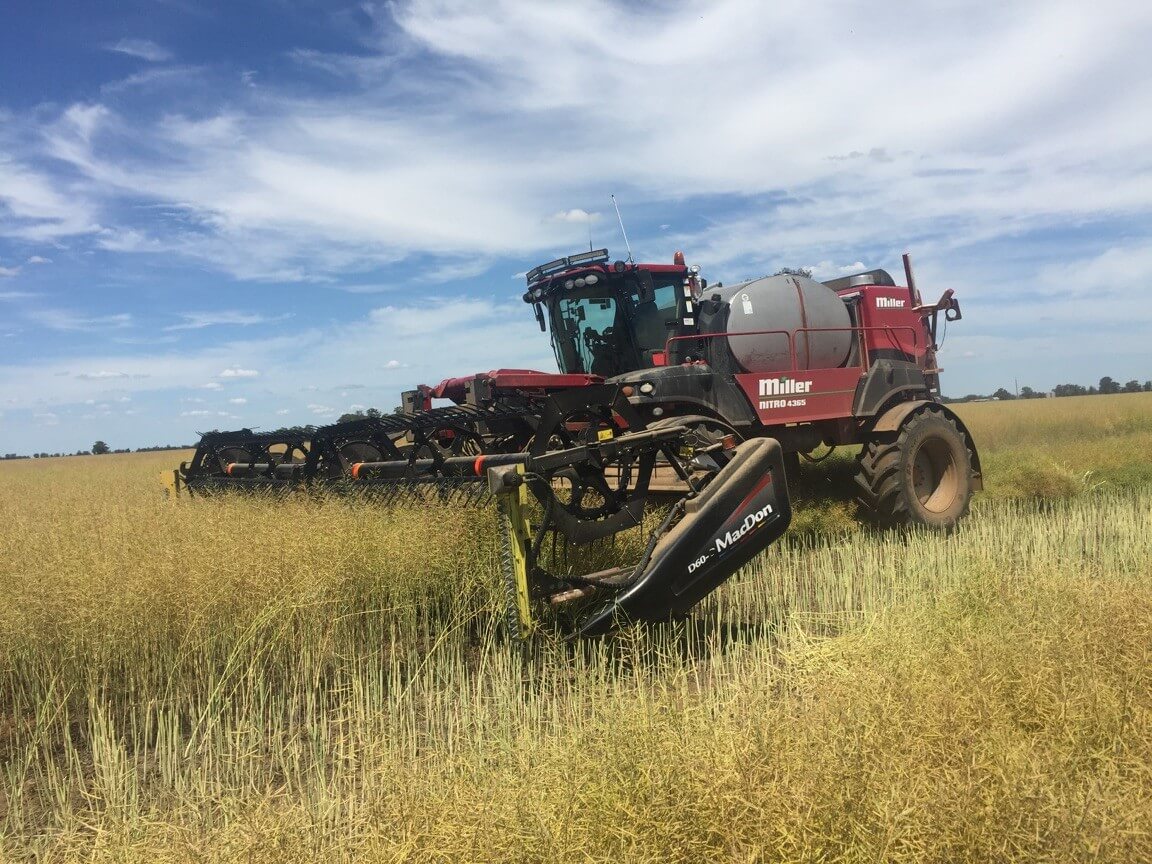
[South Australia] farmers are receiving no premiums for growing non-genetically-modified crops, according to a report by market analysis group Mecardo.
…
Research into a variety of agricultural commodities conducted during a period of multiple years, investigated wheat, barley, canola, wine grapes, wool, cattle, sheep, lamb and pork.
…
Late last year, Greens’ MLC Mark Parnell tabled a bill to extend the GM moratorium until 2025, which was passed by the SA parliament.
Grain Producers SA chairman Wade Dabinett said the research indicated the reasons behind the moratorium extension were blurred.
As a result of Mecardo’s report, he said a comprehensive review into SA’s GM-free status must be conducted within 12 months of the state election.
“The present moratorium on cultivation of GM crops was continued until 2025 based on anecdotal evidence of a premium and inaccurate method of comparison of prices between two states,” he said.
“But this independent and rigorous analysis across six to 20 years of pricing shows there are no premiums for the majority in being GM-free.”
Emails from its own scientists show the International Agency for Research on Cancer failed to comprehensively review evidence on human exposure to the cancer-causing chemical benzene. The agency has not remedied matters, despite its findings being used in U.S. court cases and relied upon around the world.
…
[Chemical engineer Melvyn] Kopstein claims IARC did not consider important evidence that exposure to the chemical is higher than IARC suggests: In other words, he argues, the agency may have underplayed potential cancer risks.
The disclosures are significant because they give rare insight into IARC’s methods. The agency does not publish details of how it makes its assessments and forbids observers invited to its meetings from talking publicly about the proceedings.
…
Millions of workers around the world – from car mechanics to cabinet makers to shoemakers, print workers and painters – use benzene-containing products such as adhesives, solvents and cleaning agents, sometimes in poorly-ventilated factories or workshops. In the United States, some workers are pursuing personal injury lawsuits claiming serious harm from benzene.
…
IARC’s monographs – scientific reviews that classify human carcinogenic hazards – are cited by governments, courts and regulators worldwide as the reference “bible” of what causes, probably causes, and possibly causes cancer in people.
…
IARC told Reuters it and its working group members “stand fully behind the scientific integrity of the process and the evaluations” of the 2017 benzene review.
New work shows [that] changes in treated crops are substantial enough to change both their nutritional value and flavour.
[The researchers] ran an extensive series of trials on large fields growing sweetcorn, a widely eaten vegetable.
The team worked with the four commonly used herbicides: mesotrione, topramezone, nicosulfuron and atrazine.
…
The results, just published in the Journal of Agricultural and Food Chemistry, revealed that applying herbicides increased the amount of protein that the plants stored in their kernels by as little as 4% and as much as 12% when nicosulfuron was combined with the safener. The amounts of mineral taken up by the plants increased as well, with levels of phosphorous, magnesium and manganese going up by between 14% and 51% and iron content rising by 67% in plants exposed to the nicosulfuron/safener combination. The balance of sugars found in the tissues of the sweetcorn changed as well. Fructose concentrations shot up by 48% upon exposure to nicosulfuron; 63% to topramezone and 68% to the nicosulfuron/safener combination. Glucose concentrations increased by 19% with mesotrione, 40% with topramezone and 43% with the nicosulfuron/safener combination. In contrast, sucrose levels in the corn dropped.
Editor’s note: Read the full study (behind paywall)
Schizophrenia affects only about 1% of the US population. The condition is typified by confused thoughts and speech, delusions and hallucinations. Symptoms start off gradual and become more severe over time.
…
Experts predict we will find a cure for schizophrenia in about 10 years. As a result of our growing understanding, neuroscientists suspect that they also know why it developed in the first place. Those who suffer from it may be paying the price for humankind’s advanced cognitive capabilities.
A new Australian study lends credence to this view. Scientists found a specific genetic pathway comprised of 97 genes, linked to genetic changes in the brain region associated with schizophrenia. This supports the theory that the psychiatric condition may be an unwanted side effect of our brain’s evolution.
…
In this most recent study, researchers’ examined the brains of 15 people (postmortem) who had schizophrenia and 15 who didn’t. Scientists have speculated for decades that quick evolutionary changes in the frontal pole of the brain, may have helped us evolve greater intellectual capacity, as a result of alterations in the brain’s metabolism.
…
[co-author Brain Dean said] “There is the argument that schizophrenia is an unwanted side effect of developing a complex human brain and our findings seem to support that argument.”
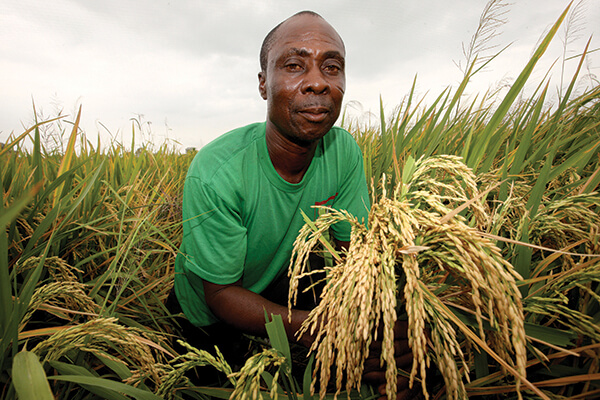
Crops produced using Genetically Modified Organisms (GMO) technology are safer than conventionally produced ones, a Research Scientist at [Ghana’s] Crop Research Institute of the Council for Scientific and Industrial Research (CSIR) has said.
Charles Afriyie Debrah said GMOs go through very rigorous tests and processes over many years before they are released onto the market which does not happen with crops produced using conventional technologies.
“GMO is safer, it is cheaper, it is a better technology, it ensures less waste, uses less energy, is more environmentally friend, and more sustainable,” the Biosafety Officer at Institute noted.
…
“There is no evidence GMOs have been responsible for diseases anywhere….this has been done for many years and there is no evidence to back that claim,” Mr Afriyie Debrah noted.
Parliament in 2011 passed the Biosafety Act to allow for the production and commercialization of GMOs in the country. The CSIR is currently undertaking field trials for GMO rice and cowpea which is expected on the market soon.
Mr Afriyie-Debrah said GMO technology is one of the several available options to help improve agricultural production and farmers deserve the opportunity to apply it to food production.
Now, new research published in the open-access journal PLOS Biology has shown that chimps and bonobos may be able to understand each other’s body gestures. This suggests that great apes, including humans, might share a universal system of communication that could have first evolved in a common ancestor, millions of years ago.
…
[Researchers] examined videos of wild bonobos in Uganda to understand more about the meanings behind their gestures and compare them to those made by chimps.
…
[A] bonobo might present an arm to a second bonobo—who responds by climbing on the first’s back, causing the first bonobo to stop gesturing. The researchers would infer from this exchange that the first bonobo was “satisfied” with the outcome and therefore that the meaning of the gesture is “climb on me.”
…
When they compared the meanings of both the chimp and bonobo gestures, they found there was a substantial overlap.
…
“And we’ve also just finished an online experiment seeing if humans understand any of the great ape gestures, by showing people videos of chimp and bonobo gestures and asking what they think the gestures mean. We haven’t yet finished analysis, but we’re hoping to be able to say which of the great ape gestures humans still seem to understand,” [said researcher Kirsty Graham].
A recent article in the Independent is, in my opinion, a good example of how ideology can overwhelm evidence and logic. The article is basically an advertisement for a book, Dead Zone by ornithologist Philip Lymbery….
Lymbery’s thesis is that bird and other animal populations are steadily declining due to modern farming. If we want to stabilize the environment, and stop or reverse this trend, we need to make major changes to how we grow our food. He then advocates for organic farming and a return to older farming practices. He blames the situation on the attempt to maximize food production.
I think that Lymbery has correctly identified a real problem – an alarming decline in wild species over the last century. However, his proposed solution would actually make the problem worse. It is a classic example of narrative or ideology getting in the way of evidence-based solutions.
…
The primary difference between Lymbery’s approach and reality, it seems to me, is on the relative contribution of habitat loss vs industrial farming practices. Lymbery’s proposes solution (shifting to organic farming) would decrease the use of some pesticides in farming, but would not eliminate them. It would actually just cause a shift to more toxic and less effective (but “natural” pesticides). This would be a disaster.
Monika Gulia-Nuss, assistant professor in the Department of Biochemistry and Molecular Biology at the University of Nevada, Reno, is working on generating transgenic ticks in her lab, the first of their kind, in order to explore new targets for vector control. Vector control is any strategic method used to limit organisms that spread disease pathogens, such as Lyme disease.
…
Transgenic in this sense means deleting or over-expressing a gene in an organism – in this case the tick. Generating transgenic ticks will not only help the Gulia-Nuss lab explore new areas for vector control, but also help in understanding genes involved in tick-pathogen interactions.
…
The major hypothesis behind the lab’s research lies in disrupting insulin signaling in ticks so as to affect parasite development.
…
“Nutrients are important for a parasite developing inside an organism because the parasite requires all of their nutrients from the host,” Gulia-Nuss said. “To get those nutrients, the insulin signaling of the host should be in perfect order, but if we disturb the insulin signaling in the host, that might affect parasite development.”
Affecting parasite development will help the lab to better understand pathogen interactions in ticks, as well as vector control targets for diseases such as Lyme disease.
An Italian member of the European Parliament has had a motion to ban certain free-from claims on the grounds they are misleading to consumers rejected.
The amendment, penned by Italian MEP Fulvio Martusciello in an annual report last month, was rejected by MEPs. It did not mention specific ingredients but was understood to refer to palm oil or genetically modified ingredients, and said it was intended to protect consumers against misleading or suggestive advertising, it says.
The amendment called on the Commission “to oblige advertisers to declare or list only the characteristics of the ingredients actually present in the product and exclude those that are not contained therein unless the presence or absence of certain ingredients is related to congenital diseases”.
This would allow the use of gluten-free or lactose-free claims. The MEP made the request to the Commission in an amendment to the annual report on competition.
On Martusciello’s website, he wrote: “The events of recent years related to some food products have made it clear that now the large commercial chains tend to promote products by advertising not the ingredients they contain, but those that do not contain.”