Alaska Senator Lisa Murkowski continues crusade against genetically engineered salmon in US

CphtX DUEAA QD

Controversial genetically engineered (GE) salmon pioneer AquaBounty Technologies could be cleared to begin US salmon sales if a continued prohibition against its imports isn’t inserted into the next federal budget, the company says.

However, an Alaskan senator who was crucial in tweaking a 2016 budget bill that led to the import ban says that she will continue to fight for the company’s salmon to be labeled as genetically engineered ahead of any US sales.

When contacted, Karina Petersen, a spokeswoman for the office of Alaska Senator Lisa Murkowski, who fought for the import ban, told Undercurrent News that efforts to continue blocking AquaBounty’s efforts to get the fish to market in the US are ongoing.

“Senator Murkowski is working to ensure that production will not happen until labeling guidelines are in place and there is a proper review of the process by which GE salmon and future GE animals for human consumption are approved,” Petersen said. “Omnibus spending bill negotiations are currently underway.”

Murkowski has been a leader in the legislature militating against GE salmon sales in the US. After the FDA granted its approval to the company in 2015, the senator has switched her focus to requiring labeling for GE animals.

Read full, original post: One hurdle for AquaBounty could go, but others remain

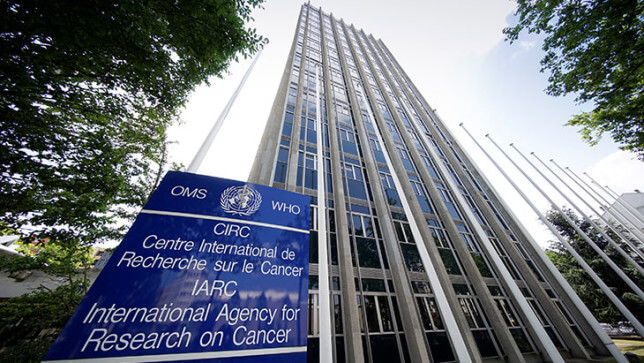
Viewpoint: US funding for IARC cancer agency should be frozen until changes are made

IARC x

Question: When is a carcinogen not necessarily a carcinogen?

Answer: When the labelling is done by the World Health Organization’s International Agency for Research on Cancer (IARC), a French-based institution that is having a big and unjustified impact on American law and our economy.

That’s the majority view from an investigation by the U.S. House Committee on Science, Space, and Technology, which is trying to understand how IARC classified the most commonly used herbicide in the world as a probable carcinogen, while nearly every government agency which evaluated the chemical, including our own EPA, reached the opposite conclusion.

The fact is that IARC badly needs to be reformed, and some fundamental changes need to be made.

For starters, the U.N. agency should acknowledge that its reports have been repeatedly misused, more effectively communicate that its findings are not relevant to risk, and should not be used for inappropriate warnings, such as for California’s Proposition 65.

Better yet, IARC  should do actual risk-assessments, which would result in far fewer needless headline-grabbing carcinogen classifications.  And it should operate transparently; allowing for outside peer-review, public engagement, and, yes, oversight from its donors.

U.S. taxpayers should let their representatives know that because Americans support responsible global public health programs, evidence-based science, and transparent government, IARC funding should be frozen until it institutes these changes.

Read full, original post: This flawed UN health agency threatens America’s food supply. It’s time for badly needed reform

‘Spreading depression’: The silencing of electrical activity in dying brains

brain

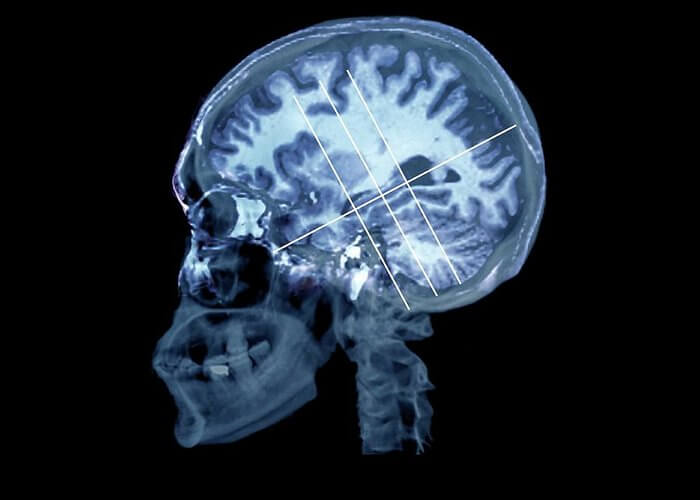
Harvard biologist Aristides Leão described finding a sudden silencing of electrical activity in the exposed brains of his unconscious experimental animals after subjecting them to injuries.

The “spreading depression,” as he termed it, began at the injured spot within 5 minutes of the injury, before eclipsing more distant parts of the brain. Seven decades later, a paper published Feb. 15 in the journal Annals of Neurology reveals just how this process occurs in the dying brain cells of humans.

With consent from next of kin and other legal representatives, they reported results from nine patients who died with electrodes implanted in their brains, recording how their neurons behaved in their last minutes.

As much as possible, the neurons go silent, instead using their remaining energy stores to maintain their internal charges, waiting for the return of a blood flow that will never come.

To researchers observing with electrodes, this first wave of darkness doesn’t seem to spread. Instead, they wrote, it happens everywhere at once, as neurons all over the brain react to the sudden drought. The final, spreading wave comes minutes later, as cells run out of their limited chemical stores, and their stored ions leach into the surrounding tissue — and millions of batteries suddenly lose their charge. This marks, for dying patients, the final moments of brain function, the authors wrote.

Read full, original post: Dying Brains Silence Themselves in a Dark Wave of ‘Spreading Depression’

Targeted evolution: Why are we so afraid of CRISPR gene editing?

duchennemusculardystrophy

Here’s the paradox: modern gene technology is far less genetically invasive – and much better understood – than the time-worn practice of selective breeding, and yet so many of us live in fear of genetically modified organisms. Instead of adding, removing, or reshuffling thousands of unknown genes in order to breed traits in or out of organisms, we’re now able to act on just one well-characterised gene with precision.

The potential applications of CRISPR are enormous. It’s the closest we’ve ever come to a cure for cancer. We’ve already been able to cure HIV infection in animal models, and even in human cell cultures, by removing the viral genes that insert themselves into our DNA. Incurable genetic diseases, like Duchenne’s muscular dystrophy, could soon be a thing of the past. CRISPR has already been used to cure the disease in rats. But some are not so convinced. Couldn’t this technology be used to create a dystopia where only the rich can afford genetic enhancements to make themselves better, faster, stronger? The short and long answer is no. There are limits to gene technology.

We’re getting there. But for some, the technology could not come soon enough. CRISPR will save lives.

Editor’s note: Fahad Ali is a geneticist and member of the Sydney Nano Institute and the Sydney Institute of Agriculture. He works in developing novel delivery methods for the CRISPR mechanism in plant cells.

Read full, original post: CRISPR will save lives – and technology can’t come soon enough

Ugandan farmer: Politicians should listen to country’s farmers, give us access to GMO crops

slide e

Genetically Modified Organisms, also known as GMOs, remain one of the most hotly debated topics in agriculture both locally and internationally.

In Uganda, this method has been used by scientists at National Agricultural Research Organization (Naro) to develop crops such as bananas that are resistant to banana bacterial wilt, and maize tolerant to drought conditions.

[B]ecause actual farmers are too busy on their farms to be part of these debates, arm-chair farmers and NGOs claiming to represent farmers have jumped on this activism.

As a farmer … all I look for in any given technology is whether it can solve current challenges I am facing or suiting the needs of the market I am targeting. If a GMO has a certain characteristic that can solve a challenge on my farm, I will gladly embrace it.

I am deeply concerned that the current discussion in Parliament on GMOs might result into a restrictive law, which might make it hard for farmers to have access to them. This is not fair to farmers.

All I would like to see as a farmer is a law that allows me access to different farming technologies. This is my kind request to Parliament of Uganda.

Editor’s note: Emma Naluyima is smallholder farmer and veterinarian in Uganda

Read full, original post: GMOs: Give farmers a chance to speak out

Adding 24 new mutations to breast cancer risk calculations

Peripheral Neuropathy is Common After Breast Cancer Treatment x

Twenty-four previously unknown mutations that raise a woman’s risk of developing breast cancer have been identified by scientists. The ‘ground-breaking’ findings [February 28] provide an answer to thousands of victims of whom the disease runs in their family.

Cancer Research UK states that fewer than three per cent of cancers are caused by an inherited faulty gene. It says there are four known genes that can raise the risk of breast cancer, including the BRCA gene – famously carried by by Angelina Jolie.

But the new discovery, led by Professor Melissa Southey, could potentially extend that to 28, if further research confirms the findings. She said: ‘For the majority of women who undergo genetic testing, there is no explanation for their breast cancer predisposition.

‘This ground-breaking work is not only helpful for women from families with many cases of breast cancer. ‘It will improve breast cancer risk prediction for all women, and pave the way for the development of epigenetic therapeutics for breast cancer.’

They discovered the epigenetic changes can be passed down through generations without changing the DNA that makes the genes.

The study is one of the first to scan the genome for places where DNA methylation is heritable, and is the first to apply this to familial breast cancer.

Editor’s note: Read the full study

Read full, original post: Twenty-four previously unknown mutations that raise a woman’s risk of breast cancer have been identified following ground-breaking research

Big breakthrough? Man’s penis injected with stem cells at controversial clinic

ben greenfield

Ben Greenfield is a cult figure among fitness fanatics, a guru to the sort of nerds who devote themselves to meticulously monitoring their own biometric data for insight into their personal health.

Now he may become known for something else entirely: Injecting himself with stem cells in hopes that it will make his dick bigger.

In November, Greenfield visited U.S. Stem Cell, a controversial clinic in Florida, to have his penis injected with his own stem cells. If the name of the clinic seems familiar, that’s because it’s the same Florida clinic that last year unintentionally blinded three patients in a clinical trial of an unproven stem cell therapy.

Greenfield had U.S. Stem Cell isolate stem cells from his body’s fat cells. Then, said Greenfield, those stem cells were injected into the “meat of the tissue” of his penis.

Three or four days after the procedure, he said, it was “almost like it grew.” His erections were also bigger, his penis got harder, and his orgasms were better, he said. The better orgasms, he said, might be a placebo effect, but the anatomical changes in size “cannot be denied.”

“There is still a risk,” he said. “But the payoff in terms of health is very big. You can’t always wait for things to be thoroughly studied.”

Read full, original post: This Guy Injected His Dick With Stem Cells to Try to Make It Bigger

European farm groups defend neonicotinoids as environmental NGOs calls for total ban to protect bees

Field of oilseed rape with bees e

[Editor’s note: On Feb. 28, the European Food Safety Authority issued a report concluding that neonicotinoid insecticides pose risks to wild bees and honeybees.]

EU farming lobby Copa-Cogeca said [the European Food Safety Authority’s] report confirmed there was no justification for a total ban on the use of neonicotinoid seed treatments on all crops.

The [UK’s National Farmers’ Union] said Efsa’s assessment “failed to take proper account of what is happening to bees in real field situations”.

“The reality is that there is a balance between environmental protection and food production that has to be considered and the impacts of a ‘no neonicotinoid’ scenario on pollinators also need to be fully assessed,” said NFU senior regulatory affairs adviser Chris Hartfield.

The Crop Protection Association (CPA) said singling out neonics for a decline in bee health is wrong, as a number of factors are at play.

“Bee health is known to be affected by a range of factors including habitat loss, climate change, intensive farming and the varroa mite,” said CPA chief executive Sarah Mukherjee.

“Simply banning neonicotinoids without addressing the other factors of bee decline will do little to improve the viability of bee populations.”

But the Pesticide Action Network (PAN) Europe called for a permanent ban on neonics.

“Pollinators are facing a dramatic decline and neonics have now clearly been shown to be one of the major causes,” said Martin Dermine, PAN Europe’s pollinators expert.

Read full, original post: ‘No justification’ for total ban on neonics, say farm leaders

Transforming modern medicine doesn’t have to be high tech or expensive

low tech
Much of the progress in medicine since I was a medical student has involved expensive, high-tech diagnostic tests and therapies — a trend that has accelerated recently and worries health economists and politicians alike because it boosts healthcare costs.

That’s why we mustn’t forget that there is an important role as well for ingenious, low-tech, less expensive approaches.

The most recent cancer breakthrough, a treatment for advanced lymphoma called “CAR-T” approved by the FDA in October, is an utterly astonishing tour de force.

In a complex, multi-step process, it involves removing immune system cells known as T cells from each patient and sending them to a highly specialized manufacturing center where they are genetically altered to include a new gene that directs the T cells to target and kill the cancer cells. The modified cells are then infused back into the patient.

This is the second such approved treatment: a different CAR-T therapy for a form of acute lymphoblastic leukemia was given the green light by regulators in August. This approach is the epitome of personalized medicine.

Animal experiments suggest that CAR-T therapy could transform the treatment of other kinds of cancers as well, but the Brave New World of high-tech medicine won’t come cheap. The cost: a staggering $373,000 per patient for the lymphoma treatment and $475,000 for leukemia. (That is not a misprint.)

low tech 2 6 18 2Another remarkable genetic engineering feat was reported in the journal Nature in November. An experimental gene therapy procedure used to transform and grow sheets of healthy skin saved the life of a 7-year-old boy who suffered from a genetic disease, junctional epidermolysis bullosa, that had blistered and destroyed most of his skin.

He was on the verge of death, but two years after the treatment with genetically engineered cells produced by a multinational team, he has healthy skin and leads a normal life. That is another treatment whose cost will be well into six digits, if it is ever commercialized.

FDA just approved for marketing a clever combination product, the first “digital” drug. It combines a tiny chip comprised of minerals like silicon, magnesium and copper inside tablets of Abilify, a drug used to treat schizophrenia, bipolar disorder and other mental illnesses.

In the stomach, it transmits a signal to an adhesive patch worn on a patient’s torso, which records the dosage and time of ingestion and relays that information to a smartphone app. That provides a record of the patient’s adherence to his medication schedule. The price hasn’t yet been announced, but it’s certain to be steep.

Another similar product can measure and provide real-time data on the concentration of gases in the human gastrointestinal tract.

A revolutionary high-tech medical innovation almost ready for the clinic is xenotransplantation, the transplanting of animal organs into humans. Improved immunosuppressant drug regimens and increasing numbers of pig lines that have been gene-edited to eliminate antigens that would cause rejection by the human recipient are a potential game-changer.

The experiments in which porcine organs have been transplanted into monkeys are very promising. Like CAR-T therapy, xenotransplantation will be hugely expensive, given the development costs and liability considerations.

A variation on the theme of transplantable – or more accurately, implantable organs is “bioprinting,” of tissues and organs, using sophisticated 3D printers.

It has been known for more than a decade that living cells can be sprayed through the nozzles of inkjet printers and remain viable, and various research groups are now using multiple print heads to spit out different cell types accompanied by chemicals that help to maintain the correct structure, such that layer of cells are bound together and grow into functional, living tissue.
low tech 2 6 18 3 Possibilities include kidney and liver tissue, skin, bones and cartilage, as well as the networks of blood vessels. R&D in this sector is remarkably advanced and progressing rapidly. According to an article in The Economist in January:

They have implanted printed ears, bones and muscles into animals, and watched these integrate properly with their hosts. Last year a group at Northwestern University, in Chicago, even printed working prosthetic ovaries for mice. The recipients were able to conceive and give birth with the aid of these artificial organs.

Some academic physicians are touting high-tech variations of “telemedicine,” including real-time personal monitoring and reporting of data to healthcare providers.

Dr. Eric Topol, a cardiologist at the Scripps Research Institute in La Jolla, California, wrote recently that “real progress in containing costs and improving care will require transforming the practice of medicine itself . . . to move much more aggressively into the era of smart medicine, using high-tech tools to tailor more precise and economical care for individual patients.”

The most advanced radiation therapy machines are hugely expensive. The one that went online at the Hampton University Proton Therapy Institute in 2010 cost a cool $244 million.

However, high-cost, high-tech “innovation” isn’t always an improvement. A recently completed, multi-year study of almost 24,000 patients with kidney cancer by researchers at the Stanford University School of Medicine found that robot-assisted laparoscopic surgeries are associated with increases in operating times and cost compared with traditional (non-robot-assisted) laparoscopic surgeries. There was no statistical difference in clinical outcomes for patients or length of hospital stay.

There are plenty of variations on high-tech medicine that are inexpensive and highly cost-effective. An example is an intervention used regularly at Stanford’s Lucile Packard Children’s Hospital: the use of virtual reality (VR) goggles to allay pain and anxiety in children undergoing painful or threatening medical procedures. The kids can be “whisked away to swim under the sea, zap flying cheeseburgers in outer space, catch basketballs using their heads and fly on paper airplanes through the sky.”

Presumably, the goggles could also be used on kids (or even adults for that matter) who come to the emergency room for anything that induces anxiety – which, especially in a young child, could be almost anything from an asthma attack or appendicitis to a broken arm.

low tech 2 6 18 4Another example is illustrated by a recent article in the American Journal of Medicinethat describes how a single blood test can ascertain that a patient in the emergency room is not having a heart attack and so can forego the inconvenience and expense of additional invasive tests or unnecessary hospitalization.

The highly sensitive blood test measures levels of cardiac troponin, a protein involved in muscle contraction; if the level was below the limit of detection of the test, there was greater than 99  percent likelihood that the patient was not experiencing a heart attack and was at very low risk of other cardiac adverse events for at least 30 days.

That innovative approach, made possible by the new high-sensitivity blood test, is advantageous to patients and helps to reduce healthcare costs.

There are other innovative, inexpensive low-tech or mid-tech approaches that can markedly improve Americans’ health. A colleague recently told me about specialized flooring in a home for seniors in Denmark.

Not only was the flooring “cushioned,” but it also contained electronic sensors every few inches, so that an attendant sitting at a central console could tell if there was any sudden change in distribution of weight – for example, going from standing on two legs to weight distributed evenly over a broad area of floor. If a senior fell in his unit with the door closed, an attendant could detect the fall and be in the room in a matter of seconds.

To measure the potential benefits of a low-tech version of this sort of approach in a rigorous way, a research group in New Zealand compared rates of falling and injuries from falls on low-impact flooring (LIF) compared with standard vinyl flooring on an “older persons health ward.”

Falls were prospectively monitored with written reports of all incidents, noting the location and consequences of each fall. The frequency of falls and injuries on LIF and those occurring on standard vinyl flooring (controls) were compared.

The investigators found that over the 31 months of the study, there were 278 falls (among 178 persons who fell). The rate of falls was indistinguishable in the two groups, but “fall-related injuries were significantly less frequent when they occurred on LIFs (22  percent of falls versus 34  percent of falls on control flooring).” And many of those averted injuries were serious: “Fractures occurred in 0.7  percent of falls in the LIF cohort versus 2.3  percent in the control cohort.”

Falls are both a cause and effect of declining health in the elderly. They are the leading cause of injury-related visits to emergency rooms and the primary cause of accidental deaths in Americans over the age of 65. Thus, the New Zealand study provides a compelling rationale for adding low-impact flooring to housing for seniors, along with other modifications.

low tech 2 6 18 5A recent article in the New England Journal of Medicine illustrates how low-tech, low-cost nutritional supplementation might reduce the likelihood of a genetic predisposition to preterm birth, at a time when highly sophisticated gene therapy approaches are impractical and premature (no pun intended).

Preterm birth (defined as birth before 37 weeks of gestation) affects almost 10 percent of pregnancies in the United States and is the leading cause of death in neonates and children under the age of five years.

The study, in 43,568 women of European ancestry, found that “six maternal genomic loci that were robustly associated with gestational duration and that contained genes in which the established functions are consistent with a role in the timing of birth. Three of these loci were also associated with preterm birth.”

Because of the multiple genes involved and the fact that the results show only anassociation with preterm birth, not causation , gene therapy is beyond scientists’ capabilities.

However, the study did suggest a simple, low-tech, low-cost solution – selenium supplements during pregnancy. The rationale is that one of the genes identified is involved in the incorporation of the element selenium into proteins that serve a critical role in the body and have been linked to birth and preterm birth.

In addition, as noted by the authors, “Malawi, the country with the highest global risk of preterm birth, has a high prevalence of selenium deficiency.” Thus, the monitoring of selenium levels and selenium supplementation in pregnancy should certainly be studied.

The high-tech miracles of modern medicine will continue to garner headlines, but to advance American healthcare, simpler and relatively inexpensive innovation is also essential.

Henry I. Miller, a physician and molecular biologist, is the Robert Wesson Fellow in Scientific Philosophy and Public Policy at Stanford University’s Hoover Institution. He was the founding director of the Office of Biotechnology at the FDA. Follow him on Twitter @henryimiller.

A version of this article was originally published on Newsweek’s website asThe low tech revolution that’s transforming medicineand has been republished here with permission from the author.

Viewpoint: Regulatory overreach looms as obstacle for New Breeding Techniques (NBTs) in agriculture

nbt
The fast-moving world of plant breeding — fueled by advances in CRISPR and other techniques has tossed a wrench into the world’s regulatory machinery, leaving nations scrambling to keep up.

Collectively referred to as New Breeding Techniques, or NBTs, these methods have resulted in uncertainty and confusion as authorities try to figure out how to apply rules designed to regulate GMOs — and if those old rules even matter when it comes to this new technology.

The confusion arises because the regulations concerning the application of biotechnology to agriculture were initiated to deal with the controversy surrounding foods that are genetically modified through transgenesis, which involves transferring genes from one species to another.

The plethora of regulations in countries where GM crops are grown has greatly increased the costs of bringing them to market and has stymied food innovation. A 2011 study by Phillips McDougall Ltd, for example, estimated that “world-wide regulatory approval for traditional biotech crops can take 13 years and cost $136 million.”

Many scientists and companies engaged in developing crops via New Breeding Techniques (NBTs) are increasingly concerned that heavy-handed regulations and the stigmatization associated with such regulations will stifle the development of a technology that holds great promise in helping to feed the world’s growing population. They argue that because these new techniques do not involve the transfer of genes between species, a much lighter regulatory footprint is required.

nbt 2 26 18 3Those who are wary of NBTs, however, argue that stringent regulation is required to ensure their safe use and to assure the public they do not damage human health and the environment.

The opposition to GMOs has spilled over into NBTs, with many anti-GMO groups vigorously opposed. Greenpeace, for example, has said:

Given that these techniques are new, it is not yet possible to fully evaluate the potential for adverse effects. The different techniques can also be used in combination and several times over in a single organism. This means that although each change may be small, large changes to the genome can result. The potential for negative effects (such as unintended changes to the genome) increases with each edit. As yet, there has been no or little assessment of the biosafety implications of combining gene-editing techniques.

The US has so far taken a largely hands-off approach to regulating NBTs. In 2016, the Department of Agriculture decided that a non-browning mushroom developed by a plant pathologist at Pennsylvania State University using CRISPR technology will not be regulated since it does not involve the transfer of genes from one species to another. The mushroom was one of several genetically engineered crops that was able to sidestep the regulatory process because it involved gene-editing techniques that are not covered by GMO regulations.

Other crops that have been approved are a GE version of camelina, an oilseed crop that has been engineered to produce enhanced omega-3-oil, and a drought-tolerant soybean. The US government also granted relatively quick approval to genetically engineered non-browning apples and potatoes because they were created with gene silencing and did not involve the transfer of genetic material between species.

The USDA has explained its approach to regulating NBTs by saying it would focus on regulating the products of biotechnology, rather than the process used to create them. So, “products of new genome-editing techniques would be regulated…only if they pose plant or pest or noxious weed risk.”

In November, 2017, the USDA indicated it was withdrawing a proposed rule submitted by the Obama administration to revise regulations regarding GE crops which many plant scientists had objected to because of concerns it could potentially inhibit research and development of NBTs.

In withdrawing the rule, Michael C. Gregoire, the Acting Administrator of the Animal and Plant Health Inspector Service wrote:

Many commenters objected to the scope of the proposed rule. Some thought that our criteria for designating GE organisms as regulated organisms were too expansive, potentially resulting in our regulating a wider range of GE organisms than necessary and thereby increasing, rather than reducing, the regulatory burden for the biotechnology industry.

Commenting on the withdrawal of the new regulation, Wayne Parrott, a professor at the University of Georgia’s Center for Applied Technologies, said the new regulation lacked key details. “It maintained an unscientific basis for regulation and could have made the system more dysfunctional than it already is,” he said.

Many scientists involved in GE research have been urging a “product-based” regulatory framework be imposed instead of a “process-based framework” that has been used to regulate GM crops. Product-based regulations mean that regulators evaluate whether the product itself represents a risk to consumers, regardless of how it was created. Process based approaches regulate all products, regardless of what they are, simple because they were created via a certain process.

nbt 2 26 18 4The decision to withdraw the new regulation effectively means that gene-edited plants will be treated in a similar manner to those created by conventional breeding techniques.

Greg Jaffe, biotechnology director for the Center for Science in the Public Interest, has pushed for rules that would focus on the results of a particular breeding program. “Things that are potentially more risky should get more scrutiny, and things that are potentially less risky should have less scrutiny,” he said.

But as the GMO debate has demonstrated, any genetic engineering of crops draws the attention of critics, even if the scientific evidence indicates there is no reason for safety concerns. That raises the potential for food grown via NBTs to also receive some form of regulation. It seems likely that some countries will be more receptive to the new breeding techniques while others will be less so.

What is unquestionable though is that NBTs hold great promise in producing disease-, drought- and pest-resistant crop. There also is significant potential to enhance their nutritional content, boost yields and enable plants to grow in challenging environments. If that promise is not realized because they are entangled in the regulatory maze and controversy that has surrounded GMOs, we all stand to lose.

How is the rest of the world regulating NBTs?

Outside of the US, there’s been a lot of attention paid to what’s happening in Europe, where GMOs face considerable public and political opposition. This despite the fact that the European Union is a major importer of GM corn and soybeans for animal feed.

Most EU nations do not grow GMO crops for either human or animal consumption. As of 2016, only Spain, Portugal, Slovakia and the Czech Republic grew modest amounts of GM corn.

The European Academies Science Advisory Council has come out in favor of utilizing new gene-editing techniques to grow crops.  But in 2015, the European Commission asked member states not to approve any CRISPR technology for crop cultivation until it had conducted a systematic review of the issue. The review, though, has been delayed.

Germany, in particular, has expressed considerable opposition toward GMOs, and now also plants developed via NBTs. In November 2016, for instance, German junior environment minister Jochen Flasbarth said:

The European Union should apply strict approval standards to new generations of gene-edited crops similar to those for genetically modified organisms…There is concern that without a strict approval process, plants with environmentally-dangerous properties could be allowed to spread without hindrance, hitting conventional farmers.

nbt 2 26 18 2Some EU nations, however, appear to be more receptive to the growing of gene-edited crops. Sweden, in 2015, decided they did not have to be regulated, though the government indicated it would reverse its position if the EU disagreed. Finland has adopted a similar position, though unlike Sweden it has not conducted any gene-edited crop field trials. In September 2017, the Dutch government indicated that NBTs should not come under existing GMO legislation.

The best hope for NBTs in Europe may be in the UK, as it completes its departure from the EU. Some observers believe the island nation will be more tolerant of commercializing the technology. Among the groups already at work in the field is the John Innes Centre, which is developing a strain of barley that can make its own ammonium fertilizer from nitrogen in the soil. Professor Michael Bevan, a researcher at the John Innes Center, has warned about over-regulation of NBTs:

The EU Food Standards Agency has already be making pronouncements that they are going to classify anything that is not natural as GM. If they go ahead with such a decision, they will cut off many approaches for creating new foods and crops.

Here’s a look at how other nations are handling NBTs: 

  • Canada has adopted a similar approach to NBTs as the US. An article published in Agriculture and the Food Chain entitled “Canadian Regulatory Perspectives on Genome Engineered Crops in Biotechnology” noted: “To date, Canadian regulators have assessed and approved ten different NBTs developed products, approving all of them for commercial production…Clearly Canada has established a science-based regulatory system that is flexible and capable of responding to new innovative products and technologies, without having to completely cease production approvals, such as is the case within the European Union.”
  • China has invested heavily in gene-editing technology and has conducted extensive research. Chinese scientists, for example, have developed a variety of disease-resistant wheat and yield-boosting rice. The government, however, has not sanctioned the cultivation of gene-edited crops or animals. Given the enormous amount of money China has allocated for biotechnology research, it seems likely that commercialization will follow at some point.
  •  Russia has adopted a policy of banning the importation and production of GMOs except those used for scientific purposes. In light of this stance, it seems highly unlikely it would sanction the cultivation of any crop developed via NBT.
  • In March 2017, the Israeli National Committee for Transgenic Plants ruled that plants grown using CRISPR technology will not be regulated. It should be noted, however, that Israel has conducted research on GMO plants but does not grow any GMO crops.
  • In South America, Argentina plans to review crops on a case-by-case basis, while Brazil is conducting a review of NBT methods.  It has allowed gene editing that resulted in cattle with larger muscle mass. It has also released gene edited mosquitos to combat the spread of the Zika virus and Dengue fever.
  • In January 2018, Australia announced plans to reconsider how it regulates NBTs, with a goal of reducing regulations for gene-editing technology.  Under the reforms, newer gene-editing technologies would not automatically be considered genetic modification and thus would not be reviewed under the strict GMO guidelines. In neighboring New Zealand, any plant produced via NBTs is considered to be a GMO and regulated as such.
  • The Japanese government has sanctioned field trials for gene-edited rice that is expected to increase yields. But it has not decided whether crops developed through gene-editing will be subject to the law that restricts the cultivation of GM crops.
  • The Indian government does not view plants developed via NBTs as automatically being GMOs. Instead, it has a policy of a case-by-case review. But given the strong domestic opposition to GMOs and the failure to approve the cultivation of GM brinjal (eggplant) and mustard seed, it seems likely that crops produced through NBTs will encounter the same difficulties.

Steven E. Cerier is an international economist and a frequent contributor to the Genetic Literacy Project.


‘Living paints’: GMO bacteria could be used to make biodegradable paints

specialties

Now here’s a bright idea.

Researchers in Europe have developed a technique for growing genetically modified bacteria that can be used as brightly colored “living paints” in manufacturing and art.

The colors generated by the bacteria, shiny and metallic, are actually generated by the same optical process that makes peacock feathers and butterfly wings so visually striking. The color comes not from organic pigments, but rather the very molecular structure of the bacterial colony.

[R]esearchers developed the unique process by genetically modifying colonies of flavobacteria, a kind of bacteria that produces colors as a byproduct of its own internal structure. Depending on how the genetics are manipulated, the bacteria reflect light at different wavelengths, potentially including all colors of the visual spectrum.

The new research could provide manufacturers with biodegradable, non-toxic paints that are grown instead of synthesized.

As to practical applications of the technology, any large-scale deployment is still several years away.

The living paints might have other useful applications, too. Because the living bacteria can react to other molecules, they could be used to make materials and surfaces that change color under designated circumstances.

Editor’s note: Read full study (behind paywall)

Read full, original post: Brightly Colored Bacteria Engineered Into Living Paint

On India’s black market, herbicide-tolerant GMO cotton seeds sell for 1.7 times what Monsanto charged

e c e
[W]hile the government wanted to keep prices low for Indian farmers, as [the South Asia Biotechnology Centre] points out, the illegal HT [(herbicide-tolerant) cotton] seeds are selling at between Rs 1,200 and Rs 1,500 per pack—if you take the mid-point of this, the seeds are selling at 1.7 times Monsanto’s Bollgard II ones.

If farmers were paying so much, it is because they felt the seeds would help increase productivity by reducing the cost of weeding in quite the same manner that Bollgard II did. It is because of Bollgard I and then II that India’s cotton production tripled from 13 million bales in 2002-03 to 35 million bales in 2016-17, and that is what, at one point, made India the world’s largest exporter of cotton.

And here’s the irony, had the government not made life difficult for Monsanto, it would have come up with variants of the HT seeds that are now being illegally marketed—and because they have not been tested in India and there is no one to monitor how they are being bred and used, they are creating infestations like the pink bollworm.

Fortunately, it is still not too late, and if the government were to stop its attempts at arm-twisting the seed-tech giant, Monsanto and other seed-tech firms would come up with more advanced variants such as Bollgard III.

Read full, original post: Monsanto vs illegal seeds: Illegal ones selling at 1.7x show farmers value technology

Regulatory, ethical issues muddy the waters around advanced reproductive technologies

baby

In November 2017, a baby named Emma Gibson was born in the state of Tennessee. Her birth, to a 25-year-old woman, was fairly typical, but one aspect made her story unique: she was conceived 24 years prior from anonymous donors, when Emma’s mother was just a year old. The embryo had been frozen for more than two decades before it was implanted into her mother’s uterus and grew into the baby who would be named Emma.

The organization that provided baby Emma’s embryo to her parents, the National Embryo Donation Center (NEDC), has policies that state they will only provide embryos to married, heterosexual couples, in addition to several health requirements. Single women and non-heterosexual couples are not eligible.

The future of reproductive technology has many excited about its potential to allow biological birth for those who might not otherwise have been capable of it…

Yet, who will have access to these advances? Current trends seem to suggest that this will depend on the actions of regulators and insurance agencies, rather than the people who are affected the most.

“Reproductive medicine has existed in this country in an almost wholly unregulated state,” Megan Allyse, a bioethicist with the Mayo Clinic specializing in reproductive and genetic ethics, told Futurism…“And so efforts to regulate it run into this very complicated nexus.”

Read full, original post: Advanced Reproductive Technology is Here. But Who Decides Who Gets Access?

Anti-GMO group plans to sue New Zealand food safety regulator over Golden Rice approval

a b beddcd e b d

Campaign group GE-Free New Zealand is considering taking legal action against regulator Food Standards Australia New Zealand (FSANZ) and the Minister for Food Safety for the approval of foods containing genetically-modified golden rice to be sold in the country.

Towards the end of last year, FSANZ had approved the application by the International Rice Research Institute (IRRI), which cultivated the GR2E rice.

Last month, GE-Free NZ urged the minister, Damien O’Connor, to urge FSANZ to review their approval.

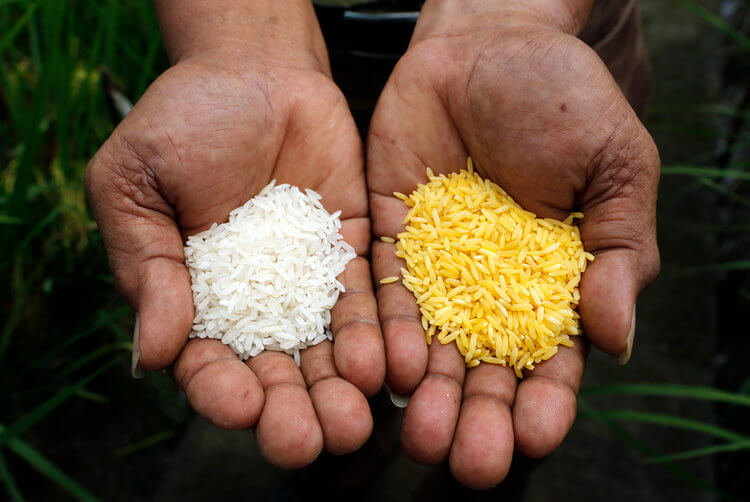
According to the IRRI, the GR2E rice was developed to express elevated levels of provitamin A (mainly β- carotene) in its rice endosperm, which is converted in the body to vitamin A.

The IRRI wants the GR2E rice to be cultivated for humanitarian purposes in developing countries including Bangladesh, Indonesia and the Philippines, which are at high risk of vitamin A deciency and where 30–70% of energy intake is derived from rice.

GE-Free NZ has since met the New Zealand Ministry of Primary Industries (MPI) to raise concerns about what it says is “the total absence of data” relating to safety of the GM rice for consumers. However, MPI staff responded that any concern would have to be addressed to the minister himself, as their assessment had been done.

Read full, original post: GE-Free New Zealand planning to sue authorities over golden rice approval

Reconstructing genome of ancient bird opens door to reviving lost species

GettyImages x

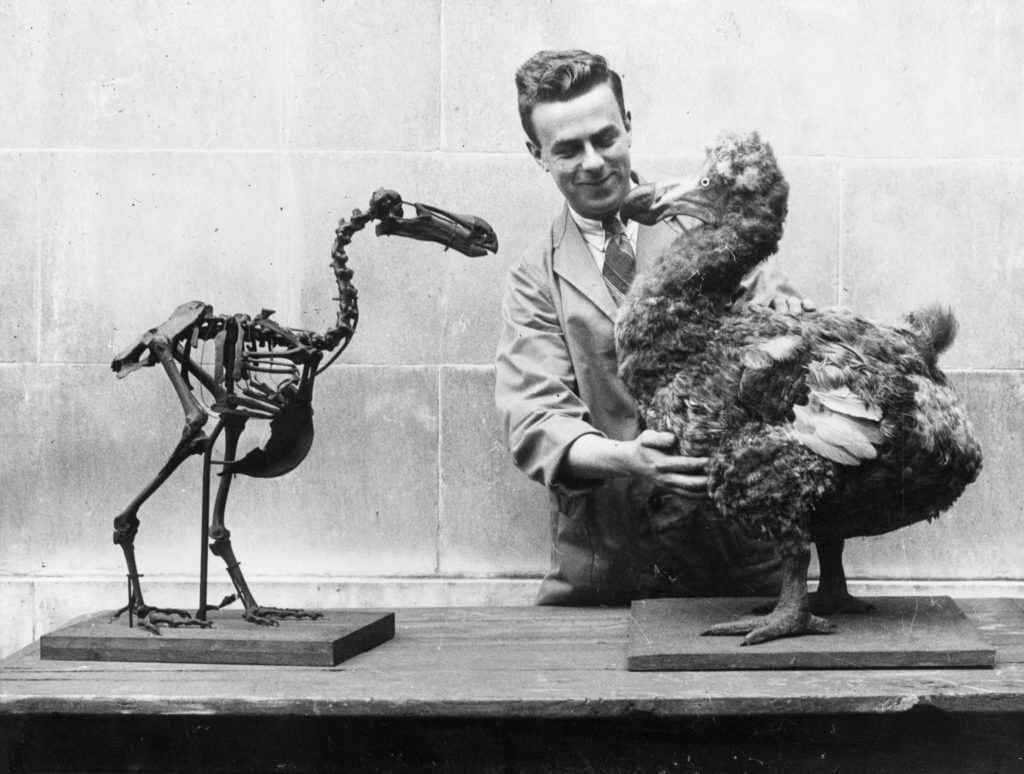
Scientists at Harvard University have assembled the first nearly complete genome of the little bush moa, a flightless bird that went extinct soon after Polynesians settled New Zealand in the late 13th century. The achievement moves the field of extinct genomes closer to the goal of “de-extinction” — bringing vanished species back to life by slipping the genome into the egg of a living species, “Jurassic Park”-like.

“De-extinction probability increases with every improvement in ancient DNA analysis,” said Stewart Brand, co-founder of the nonprofit conservation group Revive and Restore, which aims to resurrect vanished species including the passenger pigeon and the woolly mammoth, whose genomes have already been mostly pieced together.

For the moa, whose DNA was reconstructed from the toe bone of a museum specimen, that might require a little more genetic tinkering and a lot of egg: The 6-inch long, 1-pounder that emus lay might be just the ticket.

[I]f scientists resurrected an extinct species by putting its reassembled genome into the egg of a living species, it would likely not be a perfect replica of the original. A “de-extinct” passenger pigeon might eat what the original did but have different reproductive and social behaviors, for instance.

Read full, original post: With DNA from a museum specimen, scientists reconstruct the genome of a bird extinct for 700 years

Viewpoint: We need strong federal funding to tackle brain disorders

brain in alzheimers disease zephyr

Because of breakthroughs like those of the Human Genome Project, and the development of new scientific tools and techniques, we may be on the cusp of discovering new treatments for a number of brain disorders. But this will not happen without strong and consistent federal investment in basic science research, that helps scientists uncover new ways to slow or reverse the onset of brain diseases. Without federal funding, most basic scientific research would never occur.

Pharmaceutical and medical device companies depend on government-funded basic research that provides the essential foundation for them to produce the therapies, devices, and treatment approaches that can slow or reverse the course of disease.

Basic research has driven the discovery of genes and proteins involved in learning and memory that are helping us to understand disorders such as schizophrenia, autism, and intellectual disability.

Without proper investment and sustained support, it will take much longer to make the critical discoveries that can lead to pioneering medical advancements in these and other areas in the years to come.

Funding neuroscience research now will reap benefits for citizens across the U.S. and propel our nation forward. The promise of this new revolution in neuroscience is profound, securing our ability to someday alleviate suffering and enhance our true potential.

Editor’s note: Richard Huganir is professor and director of the Solomon H. Snyder Department of Neuroscience at the Johns Hopkins School of Medicine, as well as president of the Society for Neuroscience

Read full, original post: Federal funding vital to search for treatments for brain disorders

Viewpoint: Humans have been ‘genetically modifying’ food for thousands of years

Wild Tomatoes Collage x

Genes are bits of DNA which determine all sorts of traits and characteristics in any organism, from size to what chemicals certain cells express. Some genes offer traits that allow certain animals or plants to thrive in their environment, so these genes will be passed along. In time, with many generations, these genes will become common in the population. Our ancestors unwittingly sped up this process when they saved the seeds of the best crop plants to grow them next time, and the next, and the next.

That’s how tiny kernels on tall grass were turned into the juicy corn on the cob over 10,000 years of selection. With animals, we’ve “improved” or domesticated various species by selecting those individuals that had the best desirable qualities, from being compliant to our commands to yielding more milk. Here are a couple examples of wild vs selected crops:

Carrots

Wild Carrot Collage x

Bananas

Wild Banana Collage x

Cabbage, broccoli, and kale

Wild Cabbage Collage x

Tomatoes

Wild Tomatoes Collage x

So ever since the first hunter-gathers transitioned to a sedentary lifestyle, humans have been genetically modifying plants and animals around them by cross-breeding and selecting the most desirable traits in organisms.

Read full, original post: Are GMOs bad? Science says they’re safe

Evolution and cooking: Was it key to human development?

cooking

The shift to a cooked-food diet was a decisive point in human history. The main topic of debate is when, exactly, this change occurred.

Some researchers think cooking is a relatively recent innovation—at most 500,000 years old. Cooking requires control of fire, and there is not much archaeological evidence for hearths and purposefully built fires before this time.

Fossils show the teeth and digestive tract of Homo erectus decreased in size around the same time brain size increased. This evidence likely means our ancestors started eating softer, higher-quality foods (although not necessarily cooked). New archaeological research has also continued to push back the earliest known date for the control of fire. For example, traces of purposeful fire at Wonderwerk Cave in South Africa have been dated at more than a million years old. Recent studies further suggest humans have genetic adaptions for eating cooked foods—some of which are old, at least predating our split from Neandertals.

Did the adoption of cooking—generally a communal process in humans—require changes in our social behavior, given that other apes rarely share food? Are there other ways to grow a big brain? Answering these questions will continue to shed new light on human health, human psychology and the origins of our species.

Editor’s note: Alexandra Rosati is a professor of psychology and anthropology at the University of Michigan

 Read full, original post: Food for Thought: Was Cooking a Pivotal Step in Human Evolution?

GMO switchgrass—potential biofuel crop—does not hurt soil health, study finds

Ben and Jeemeng cropped x

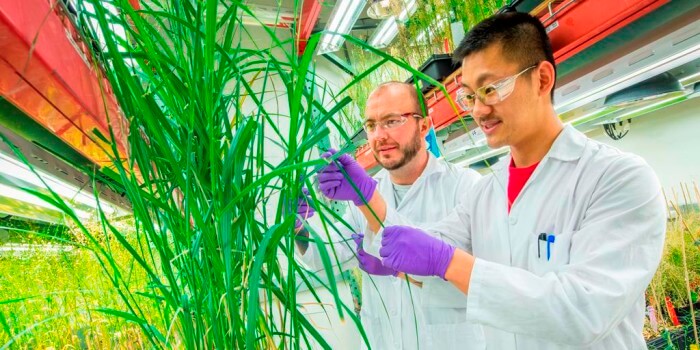
Overcoming the natural resistance of plant cell walls to deconstruction, known as recalcitrance, is a major bottleneck to cost-effective biofuel production. In response, scientists modified lignin. Lignin is one of the polymers responsible for recalcitrance and crucial for structural support within plant tissues. Modifying lignin improved the conversion of plant biomass to fuel. Yet a question remained. Will specifically modified bioenergy crops negatively impact the local soil? In field studies, researchers confirmed that growing genetically manipulated switchgrass has no negative effects on soils over the short terms studied (2 to 5 years).

Cultivating genetically modified bioenergy crops over large areas could greatly improve biofuel production.

The team evaluated physical, chemical, and biological parameters of soil health over several years during field trials of engineered switchgrass. The study found no significant effects.

Scientists at the BioEnergy Science Center (BESC) genetically modified switchgrass, a promising bioenergy crop, to produce less lignin resulting in an improved ethanol conversion process.

[The study] showed no detectable effect on soil chemistry…. The soil microbiome, important to the fate of nutrients and carbon, exhibited seasonal differences between the altered and control crops, but overall there was no significant difference.

Editor’s note: Read full study

Read full, original post: Modified switchgrass has no negative effect on soils