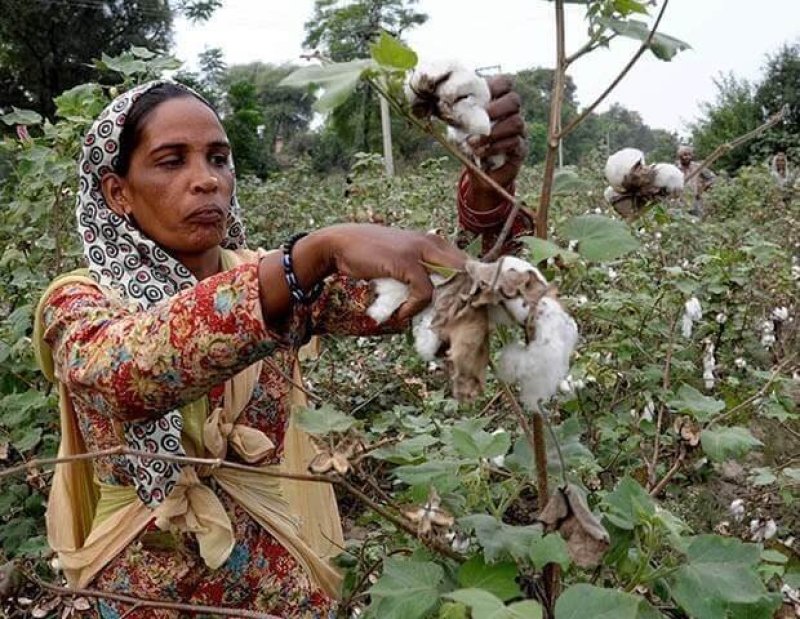

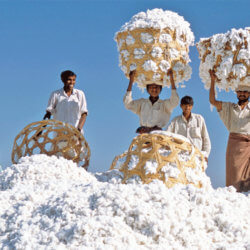
If farmers were paying so much, it is because they felt the seeds would help increase productivity by reducing the cost of weeding in quite the same manner that Bollgard II did. It is because of Bollgard I and then II that India’s cotton production tripled from 13 million bales in 2002-03 to 35 million bales in 2016-17, and that is what, at one point, made India the world’s largest exporter of cotton.
And here’s the irony, had the government not made life difficult for Monsanto, it would have come up with variants of the HT seeds that are now being illegally marketed—and because they have not been tested in India and there is no one to monitor how they are being bred and used, they are creating infestations like the pink bollworm.


Fortunately, it is still not too late, and if the government were to stop its attempts at arm-twisting the seed-tech giant, Monsanto and other seed-tech firms would come up with more advanced variants such as Bollgard III.
Read full, original post: Monsanto vs illegal seeds: Illegal ones selling at 1.7x show farmers value technology