Harnessing evolution for space travel: Using biomimicry to recreate life on Mars

NASA Photo Bio Mimicry Project Robert Dumitru
[E]volution has had billions of years of trial and error to produce species that are well adapted chemically and physically. Many human researchers want to imitate that adaptation, turning lessons from the natural world into practice in engineering, technology, and architecture. The entire venture goes under the name “biomimicry.”

Many NASA researchers are interested in biomimicry because it promises pure efficiency, a must given the high cost of transporting materials into space. But there’s also the prospect of eliminating the need to transport things entirely. Organisms build themselves from the available raw materials of their environment, in the form of food (however defined) and environmental sources of water.

For instance, if a Mars habitat could be built—or assemble itself from modular components—using materials obtained on Mars itself, it would potentially save a vast amount of mass during launch from Earth. That, in turn, translates into fuel savings, possibly allowing for the spacecraft to carry other important cargo.

Efficiency of resource use is more than a green design choice for space exploration: it’s an absolute necessity. Any material that can’t be recycled or repurposed is a waste of space and mass; wasted resources or hazardous end-products could be dangerous or fatal to astronauts. Potential crewed Mars missions are on many biomimicry researchers’ minds for that reason.

Read full, original post: “Life, uh, finds a way”—Applying lessons from evolution to go to Mars

Gene therapy setback? Animal deaths in treating muscular dystrophy spark new concerns over high doses

muscular

An influential scientist involved in gene therapy’s biggest setback, the death of a study volunteer 19 years ago, has issued a surprise warning over the dangers of the gene-replacement technique.

James Wilson of the University of Pennsylvania reported … that monkeys and pigs given super-high doses of gene therapy died.

The warning comes amidst a scramble by three companies—Sarepta Therapeutics, Pfizer, and Solid Biosciences—to be the first to use the technique to cure muscular dystrophy. That disease strikes young boys, destroys their muscles, and kills them by their 20s.

To attack the disease, researchers replace patients’ damaged copies of a gene called dystrophin by introducing viral particles that carry a correct copy. Reaching the countless muscle cells in a boy’s body requires extremely high doses of these particles—400 trillion or more per pound of body weight.

1-31-2018 dr-james-wilson_1024xx2400-1354-0-296That’s where the danger could come in, says Wilson. At those doses, he says, his team found that two different viruses caused extreme and sudden immunological effects.

..

Studies of the extra-high doses have only recently begun. Among them, Wilson said in his paper, are the one initiated by Solid Biosciences as well as a study at Nationwide Children’s Hospital, in Columbus, Ohio, where at least 15 infants got megadoses in a successful effort to treat a different disorder, spinal muscular atrophy.

Read full, original post: The doctor responsible for gene therapy’s greatest setback is sounding a new alarm

Glory of plants in 3D: CRISPR gene-editing, imaging technology unlock genetic secrets

d

Advances in imaging technology — allowing researchers to peer inside plant structures in 3D — mean that biologists are seeking expertise in plant physiology and morphology again. And improvements in gene editing and sequencing have liberated geneticists to tinker with DNA in a wider range of flora, giving them a renewed appetite to understand plant diversity.

Plant biologists hope that, by combining new approaches to botany with data from genomics and imaging labs, they can provide better answers to questions that biologists have asked for more than 100 years: how genes and the environment shape the rich diversity of plants’ physical forms.

Improved molecular tools have now made it possible to tweak DNA in plants that were previously too difficult to work with. The genome-editing tool CRISPR–Cas9 has enabled researchers to tinker with particular genes in a wide range of plants. Researchers have used it to turn purple morning glories white, for instance, and to alter genes that are involved in building cell walls in orchids.

Read full, original post: The lost art of looking at plants

GMO insect-resistant Bt tomatoes could control leaf miner pest, reduce insecticide use

genetic engineering tomato plants x

Editor’s note: Anne Frary is a professor in the department of molecular biology and genetics at the Izmir Institute of Technology in Turkey

A promising [insect] control method is the use of a bacteria-derived protein to protect plants from insect attack and damage. Bacillus thuringiensis (Bt) is a soil bacterium that produces insecticidal crystal proteins which bind to receptors in the insect’s gut. … An alternative to external application of Bt crystal proteins is genetic engineering of the crop plant to produce the protein itself using Bt crystal protein (cry) genes.

Work in our lab was aimed at determining if the expression of a Bt cry gene in tomato could provide control of the leaf miner Tuta absoluta.

In our research, the cry1Ac gene was introduced into tomato plants. … Up to 100% of leaf miner larvae died after feeding on leaves producing crystal proteins. Moreover, gallery formation by the insect was reduced by 57 to 100%, ensuring that the leaves suffered limited damage and that marketable fruits could be produced. These results indicate that, if adopted, Bt tomato could reduce the use of insecticides for the control of leaf miner and potentially other insects.

These findings are described in the article entitled Cry1Ac-mediated resistance to tomato leaf miner (Tuta absoluta) in tomato, published in the journal Plant Cell Tissue and Organ Culture.

Read full, original post: Using Genetic Engineering To Control Leaf Miner Insects In Tomato Plants

You might soon be able to sell your DNA in cryptocurrency

dna cryptocurrancy tease quabzv
[I]f a new startup is successful, you will soon be able to spit in a cup, upload your genetic code to the blockchain, and sell it for cryptocurrency.

EncrypGen says it wants to build the Amazon of genetic material. The startup will let users put their DNA online, sell it to researchers or companies, and be paid in EncrypGen’s own cryptocurrency. It sounds like the premise of a sci-fi paperback. It’s also made EncrypGen millions in bitcoin, before the company has even launched its gene-selling product.

But when researchers buy EncrypGen customers’ data, it won’t be in U.S. dollars. Instead, the payout will come in $DNA tokens, the company’s proprietary cryptocurrency. As of Wednesday, the digital currency was worth $0.70 per coin, according to cryptocurrency trading sites.

But some experts are less than sold on EncrypGen’s premise. Sandra Park, a senior attorney with the American Civil Liberties Union who worked on the organization’s successful Supreme Court bid against gene patenting, said the company should work with patient advocates to make sure donors know exactly how their genetic data is being used.

“Most people are increasingly aware that the data they’re given from consumer genetic testing services is not under their control anymore,” [creator David Koepsell] said. “It’s been used and sold, and money’s been made off it that they don’t have any access to.”

Read full, original post: Startup Wants to Sell Your DNA for Cryptocurrency

How the EU decides to regulate CRISPR gene-edited crops will have ‘huge impact’ on US, rest of world

gmo action

Most gene editing techniques should not come under the Europe Union’s strict regulatory regime for genetically modified organisms, according to a preliminary legal opinion.

The opinion by an “advocate general” of the European Court of Justice isn’t a binding legal decision, but it’s considered highly persuasive for the panel of judges who will issue a ruling on the matter this summer.

Advocates of biotechnology see the opinion as an early step in the right direction regarding Europe’s gene editing policy, but critics say it’s unlikely to sway wary European consumers.

For U.S. agriculture, Europe’s approach to gene editing is significant because the technology is expected to become more widely commercialized among American farmers in coming years.

Already, the USDA has cleared numerous gene-edited crops for the market without subjecting them to the environmental review required under the deregulatory process for GMOs.

Apart from affecting exports of such crops to the European Union, the continent’s biotech policies have a “huge impact” on other global regions, particularly in the developing world, said Mary Boote, CEO of the Global Farmer Network, which supports gene editing.

“Its importance is felt well beyond the borders of Europe,” Boote said.

Read full, original post: Legal opinion: Gene editing exempt from Europe’s GMO rules

What was CRISPR before humans ‘discovered’ it for use in gene editing?

crispr
[T]here is a less sequins-and-glitter side to CRISPR that’s just as alluring to anyone thirsty to understand the natural world. The biology behind CRISPR technology comes from a battle that has been raging for eons, out of sight and yet all around us (and on us, and in us).

The CRISPR editing tool has its origins in microbes — bacteria and archaea that live in obscene numbers everywhere from undersea vents to the snot in the human nose.

The process works like this: A virus injects its genetic material into the cell. Sensing this danger, the cell selects a little strip of that genetic material and adds it to the spacers in the CRISPR cluster. This step, known as immunization or adaptation, creates a list of encounters a cell has had with viruses, plasmids or other foreign bits of DNA over time — neatly lined up in reverse chronological order, newest to oldest.

Just as people can develop autoimmune reactions against their own bodies, bacteria and archaea can accidentally make CRISPR spacers from bits of their own DNA — and risk chewing up their own genetic material. Researchers have seen this happen.

What do microbes pay attention to? What do they ignore? CRISPRs offer a bright new window on such questions and, indeed, already are unearthing novel phages and facts about who infects whom in the microscopic world.

Read full, original post: CRISPR had a life before it became a gene-editing tool

Canada approves genetically engineered non-browning Fuji apples

fuji apples

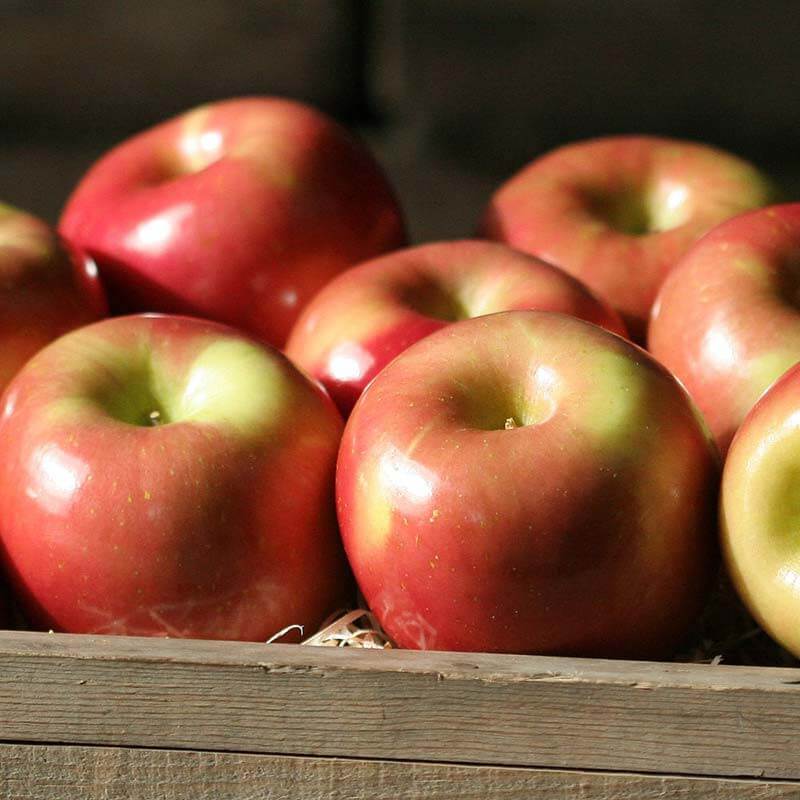
Following the lead of the U.S. Department of Agriculture, Canadian federal agencies have approved the marketing of the non-browning Arctic Fuji.

The Canadian Food Inspection Agency and Health Canada ruled the genetically engineered variety grown and marketed by Summerland, British Columbia-based Okanagan Specialty Fruit Inc. do not “pose a greater risk to human health than apples currently available” in Canada. Health Canada reported the Arctic Fuji does not affect allergies, and has the same nutritional values as other apples, according to a news release from Okanagan Specialty Fruit.

The USDA approved the sale of Arctic Fujis in September 2016.

Read full, original post: Canada approves non-browning GMO fuji apple

Ugandan farmers now wonder if they will ever get access to GMO crops

MAIZE standard
Farmers’ needs and at least four improved crops hang in the balance as the future of the nation’s biosafety bill remains unresolved.

Ugandan scientists are currently working on several genetically engineered crops, including banana resistant to bacterial wilt, drought tolerant maize that is also resistant to the stem borer pest, potatoes resistant to late blight disease, and rice that processes nitrogen efficiently. The crops could help farmers reduce their use of fertilizers, pesticides and fungicides while achieving higher yields.

But the nation must have a biosafety law in place before these and other GE crops can be commercialized and made available to farmers.

The rice and potatoes are likely to be the first two crops approved for commercial production, researchers say. Farmers could be planting these new varieties by 2020 if the bill is soon signed into law.

Dr. Jimmy Lamo, head of the rice program at Uganda’s National Crops Resources Research Institute, confirmed the success of nitrogen use efficient rice trials. He says the research has delivered five different nitrogen use efficient rice lines that are ready for multi-location trials. The only limiting factor now, Lamo said, is insufficient funds to carry out the multi-location trials.

The other crop that could be in farmers’ fields by 2020 is potato resistant to the late blight fungal disease. The variety that potentially will be released to farmers was planted late last year in three different potato-growing regions: Kabale, Fort Portal and Bulambuli. The blight-resistant trait has been transferred through genetic engineering to a local variety called Victoria, said Abel Arinaitwe, a member of the potato research team. The multi-location trials will also compare the performance of GE Victoria potato variety to a conventionally bred one.

The national regulators require data from a minimum of three cropping cycles. Potato has two cropping cycles in a year and the first cycle began last November. Potato resistant to late blight will ensure farmers can save the money they have been spending on fungicides to control the disease. Information from Uganda’s Economic Policy Research Center shows that 66.7 percent of the total input farmers employ in potato production is fungicide, followed by fertilizers at 34 percent and improved seeds at 8.6 percent.

uganda 1 15 18 2Research is also underway on the Water Efficient Maize for Africa (WEMA) project. WEMA already delivered conventionally bred drought-tolerant maize varieties to farmers. But insect pest destruction, such ongoing Fall armyworm infestation, remains an urgent challenge. The Ugandan government and farmers have spent significant sums on insecticides in an attempt to control the armyworm. But GE varieties bred to include the Bt gene have shown resistance to both stalk borer and Fall armyworm, without the use of applied pesticides.

Dr. Godfrey Asea, director of Uganda’s National Crops Resources Research Institute and a senior maize breeder with WEMA, provided an update on the status of maize research in Uganda: “We are still conducting CFTs [confined field trials] and planning one additional CFT in at least two locations. But we have collected enough data over the years, complemented with data from other countries, for dossier application for general release. In the last three years, we have been conducting research on stacked traits for Bt and drought tolerance so that the farmer can get a compelling product in the future. The results have been promising. I am not sure exactly when the farmers will access the products but we are getting close, moving to the next stages of dossier application for general release once the regulations are in place.”

Dr. Priver Namanya, a banana researcher at Uganda’s National Agricultural Research Laboratory in Kawanda, gave a similar response to readiness. Priver told the Observer newspaper that GE banana resistant to bacterial wilt, as well as banana rich in provitamin A, could be available to farmers by 2021. The immediate stage, she said, is conducting open field trials in different locations in Uganda.

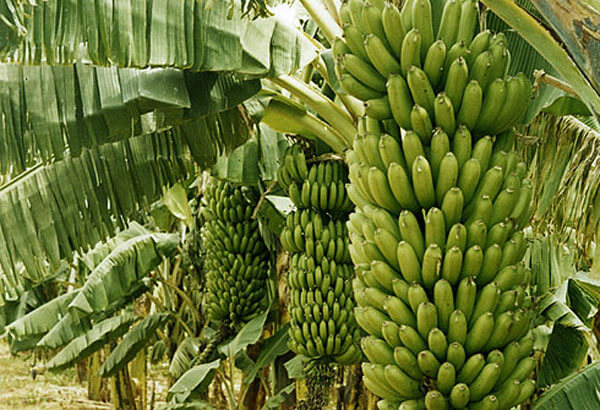
Banana is Uganda’s number one staple food crop. But production has been devastated over the past decade by banana bacterial wilt, causing billions of shillings in losses. Strict field sanitation standards are currently responsible for the survival of bananas in Uganda. However, this approach seems unsustainable for the long term because it depends on full compliance by farmers and infestations are already creeping back. Scientists say a resistant variety is a more sustainable and less costly option to keep banana production viable.

Uganda’s public sector scientists say they are using the tools of biotechnology because the challenges they’re dealing with could not be effectively addressed through conventional breeding methods.

uganda 1 15 18 2Uganda’s policy arguments over biotechnology have been underway for more than a decade. As the arguments went on, pests, diseases, and drought were hitting hard. Crops improved through conventional means started to break down to emerging pests and diseases. Attempts to address the challenges the usual way did not yield much benefit. Meanwhile, Ugandan scientists kept on doing research using the modern tools of biotechnology tools under existing laws that allowed only confined research.

The biosafety bill was finally passed last October with some amendments, but the move to stop biotech crops from reaching vulnerable Ugandan farmers is still alive,  as it is in other countries where biotechnology solutions are needed. This influence was seen in a letter critical of the bill — purportedly written by President Museveni — that was leaked to social media shortly after Christmas.

In the letter, Museveni sought to have control of biotech moved from the Ministry of Science and Technology to his office. He also urged Parliament to consider various issues that mirrored anti-GMO talking points.

Isaac Ongu is an agriculturist, science writer and an advocate for science-based interventions in solving agricultural challenges in Africa. Follow him on twitter @onguisaac

This article was originally posted at the Cornell Alliance for Science as “Improved crops hang in balance as Uganda’s Parliament revisits biosafety law” and has been republished here with permission.

How heritable is autism? Twins research suggests we may be vastly underestimating it

autistic child playing e

An analysis of DNA variants suggests the heritability of childhood behavior problems, including autism traits, is about 6 percent, researchers report in a new study. When the same team looks at the heritability by analyzing twins, however, their estimate comes in at 50 percent.

The low estimate is based on a scan of genomes for known DNA variants, called single-nucleotide polymorphisms (SNPs). The researchers also looked at traits such as anxiety, depression and hyperactivity, as well as autism features, such as not being able to pick up on social cues. By comparing the variants and traits in thousands of people, researchers can identify which variants are associated with specific traits and behaviors.

For their twin analysis, by contrast, the researchers looked at the frequency of behavioral traits in identical twins — who share virtually all of their DNA — versus fraternal twins, who share only about half. Comparing the frequencies can provide an estimate of the behavior’s heritability.

The new results suggest that existing genome scans do not detect many of the variants involved, and that scientists need better measures of these traits.

The findings also may reflect an inconsistency in behavioral measures, which vary from one test to the next and can’t capture the nuance of complex traits, [researcher Elise] Robinson says.

Read full, original post: Variant analysis may vastly underestimate heritability of autism behaviors

Coffee causes cancer? That may be California’s next required food warning label

getty coffee copy e

California coffee shops may soon be forced to warn customers about a possible cancer risk linked to their morning jolt of java.

The state keeps a list of chemicals it considers possible causes of cancer, and one of them, acrylamide, is created when coffee beans are roasted.

a ac d b

A lawsuit first filed in Los Angeles County Superior Court in 2010 by the nonprofit Council for Education and Research on Toxics targets several companies that make or sell coffee, including Starbucks, 7-Eleven and BP. The suit alleges that the defendants “failed to provide clear and reasonable warning” that drinking coffee could expose people to acrylamide.

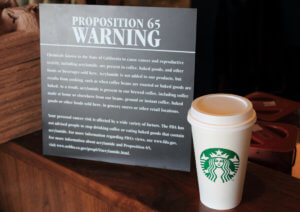
The court documents state that, under the California Safe Drinking Water and Toxic Enforcement Act of 1986, also known as Proposition 65, businesses must give customers a “clear and reasonable warning” about the presence of agents that affect health — and that these stores failed to do so.

In addition to paying fines, the lawsuit wants companies to post warnings about acrylamide with an explanation about the potential risks of drinking coffee. If the suit is successful, the signs would need to be clearly posted at store counters or on walls where someone could easily see them when making a purchase.

Read full, original post: Coffee may come with a cancer warning in California

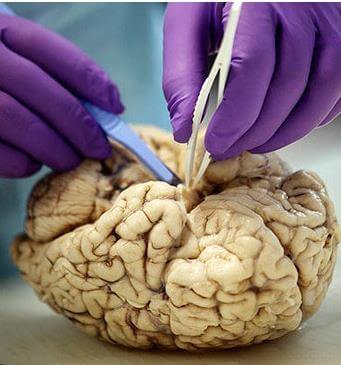
‘Brain banks’: Why these scientists want your brain

brain

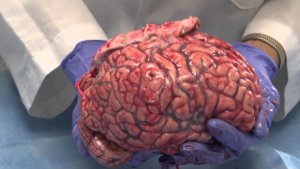
In mid-October, Dr. David Bennett, a neurologist who directs the Alzheimer’s Disease Center at Rush University Medical Center in Chicago, stood in a St. Louis auditorium packed with nuns. His goal: To convince them — particularly the ones without brain disease — to donate their brains to science.

Politicians, Bennett is fond of saying, can walk into a room and separate people from their money. “I can walk into a room and separate people from their brains.”

To Bennett, making such acquisitions is, in some ways, more crucial than ever. Demand for brains for scientific research is rising across the board — driven in varying degrees by increased funding for research on brain disorders, rising incidence of age-related brain disease, big technological leaps in scientific tools used to analyze the brain, and a growing sense that sometimes, studying animals just isn’t good enough to understand and fix human disease.

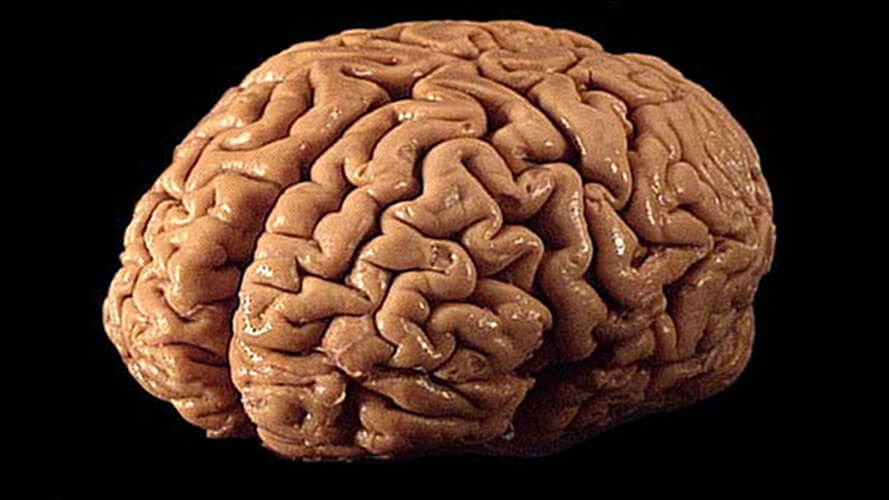
undark logoBut more than this, scientists like Bennett are realizing that the brains they have traditionally studied (Bennett maintains 4,000 square feet of cabinets and freezers full of brain slices in Chicago), are too often riddled with the signs of end stage Alzheimer’s and other maladies that contribute to dementia. Far more rare are comparatively healthy brains that can allow scientists to more accurately identify what causes dementia — and what protects us from it.

That deficiency now has Bennett and other scientists working hard to stock their shelves with a particularly precious resource: the brains of people like Sister Carleen Reck, who heard Bennett speak and thought his request for brain donations was a good idea, so she signed an anatomical gift act.

Still mentally sharp and physically healthy at 80 years old, Reck was active in her community, running an organization helping former inmates reintegrate for 17 years. In her retirement, she visits parishioners, does bookkeeping, and is learning how to play a type of accordion called a melodeon.

“So far, I’ve only worked up one gig,” she says.

Bennett’s collection is one of many so-called “brain banks” across the country that researchers rely on as sources of material for brain experiments, and one of a handful across the country that provide material for the study of age-related disease. Six other institutions recently became part of something called the NeuroBioBank, a network started in 2013 by the National Institutes of Health to make brain distribution smoother.

“If even 1 percent of Americans with and without brain disorders would donate their brains to research after death, this would revolutionize progress toward diagnosing, preventing, and curing brain disease as we know it,” wrote various NIH directors in July in a plea for brain donations — particularly healthy ones.

While it’s important to access diseased brains, researchers can’t fully understand diseases without comparing them to non-diseased brains.

For example, a series of studies from the 1980s to the present have found neuron-killing tangles, which are strongly associated with Alzheimer’s disease, in the brains of people who were, cognitively and functionally speaking, fine. Some people can live into old age with the same signs of brain injury as someone with Alzheimer’s and Parkinson’s, but continue to function well anyway. “This is where novel therapeutics are going to come from,” says Bennett.
brain 12 19 17 2Sabina Berretta, a neuroscientist with McLean Hospital and Harvard Medical School, says non-diseased brains are also, in some ways now more than ever, helping researchers uncover how the brain works. A few years ago, Berretta and her colleagues discovered a previously undescribed structure lurking in the extracellular matrix.

“Until not very long ago, [the extracellular matrix] was thought to be this sort of goop that holds our cells together. In reality it has fascinating functions, not only during brain development but also during adulthood,” says Berretta, who is also the scientific director of the Harvard Brain Tissue Resource Center.

She and her colleagues realized that there were a lot more of the mysterious structures, now called CS-6 clusters, in non-diseased brains than there were in the brains of people who’d had schizophrenia or bipolar disorder.

We are beginning to understand they’re actually really key structures in the way our brain changes in response to experience,” says Berretta. And, she says, her lab is far from the only one to recently make such findings.

“We are beginning to understand how little we actually know about the human brain,” says Beretta.

Still, it’s easier to recruit blood or organ donors than it is to recruit a brain donor. People without brain disease aren’t likely to find themselves in a clinic where a doctor might suggest donating a brain. And despite forming the NeuroBioBank, the NIH doesn’t want to get in the business of recruiting brain donations like the Red Cross does with blood drives.

As Michelle Freund, director of the NIH NeuroBioBank puts it, “It’s a little creepy. ‘The government wants your brain.’ So, we ourselves don’t do all that much.”

Instead, it’s up to people like Bennett and Berretta to come up with their own solutions.

Bennett has been working on this problem for a long time, giving talks to recruit donors wherever he can, from the suburbs of northern Illinois to retirement centers. He struck gold when he realized that nuns and priests appear to be particularly generous with their body parts if it serves the common good; Bennett now works with about 45 religious orders across the country. He’s also looking outside the U.S.

“I have a study in Sao Paulo, Brazil, where we recruit dead people,” says Bennett. “Brazil has a law that if you don’t have a cause of death on your death certificate, you must have an autopsy, so they set up autopsy centers across the country.” He has a grant from the NIH to talk to families at autopsy centers about brain donation.

Berretta, meanwhile, is planning a social media campaign to drum up donations (“A brain donation is the gift of knowledge,” one potential appeal reads), though she has to get approval from the Institutional Review Board first, which is an often-lengthy process that’s required for all studies involving human participants. She’s also working with various associations of social workers, who are good at talking to people at difficult moments, like near-death, and may be particularly well-placed to kindly ask for brains.

Brain banks like those in New York and Baltimore have also built relationships with local medical examiners, who sometimes put them in touch with families who might be willing to donate the brain of a recently deceased relative.
brain 12 19 17 3One particularly promising new brain pipeline is a one-year-old nonprofit called the Brain Donor Project, started by Tish Hevel, a communications specialist and former newsroom manager who didn’t know anything about brain donation until her dad was suffering from Lewy body dementia in 2014. After he passed away in March of the following year, the family donated his brain to the NeuroBioBank. “It was so complicated that we went back to the NIH and said, ‘You guys need some help with this,’” she says.

Since the nonprofit started last year, more than a thousand brain donors across 50 states have signed up to donate. About a third of them, Hevel estimates, might be considered healthy controls, though it’s probable that some of these will develop diseases by the time they die.

Hevel, like Bennett and Berretta, considers each donation an invaluable act of generosity to science. The brain is “the basis of the identity,” says Hevel. “When you hold something like that in your hands, you’re aware that it is something of tremendous importance and tremendous meaning.”

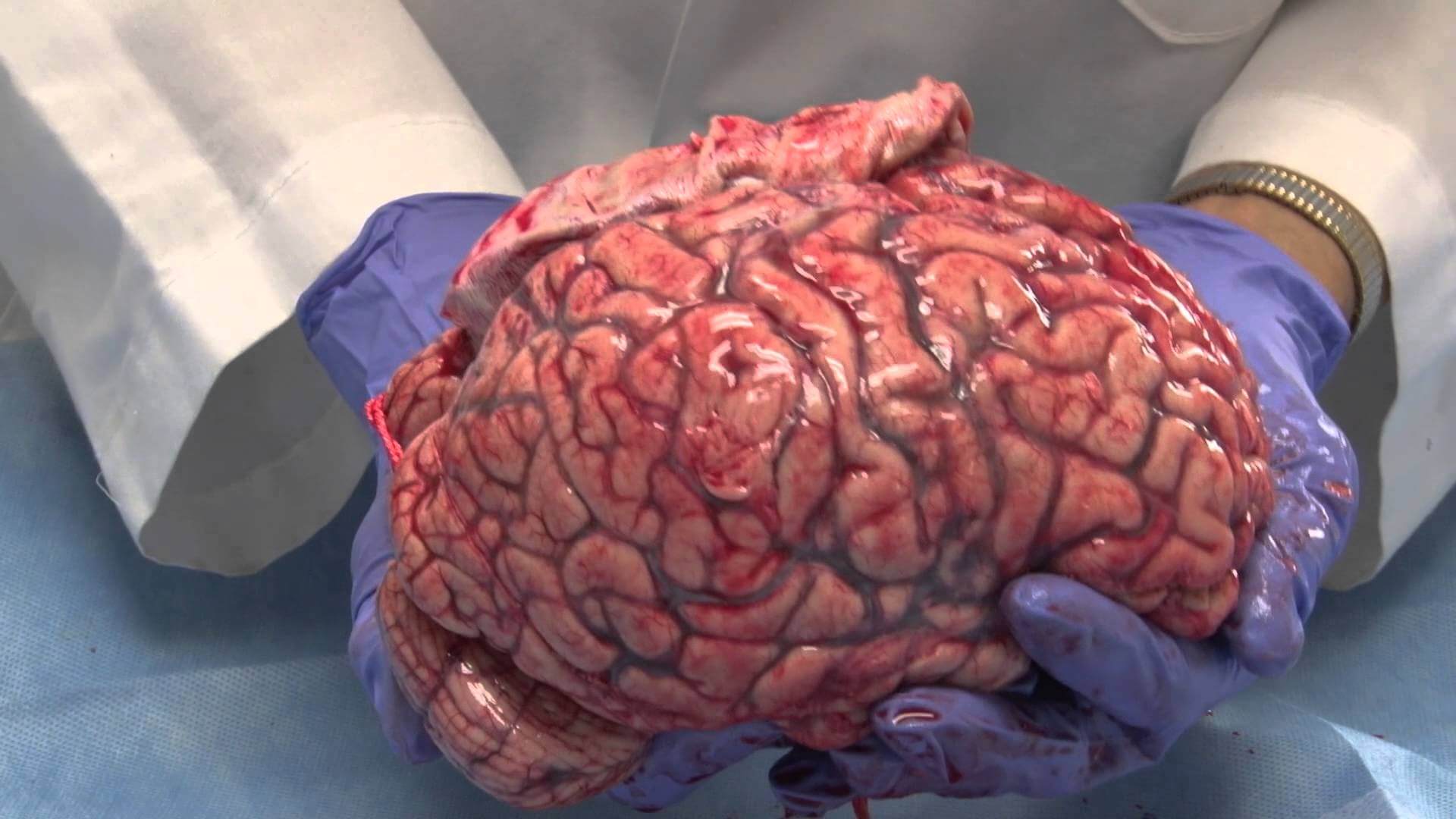
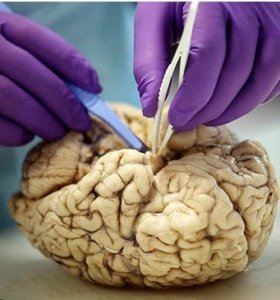
Within hours of when Reck dies, her skin will be pulled back to the eyebrows, her skull sawed open, spinal cord snipped, and her brain removed. While her body gets prepared for the funeral, her brain will make its way to its final resting place in Chicago. A pathologist will cut the brain in half and slice it into pancake-thin pieces before carefully studying each piece for anomalies. Then, half will go in a freezer, and the other half will take its place in a formalin-filled container, where it will stay until a researcher requests it.

Assuming the brain remains free of Alzheimer’s and other diseases of aging, Reck’s brain will be, as Bennett put it, an “extraordinarily valuable” resource precisely because it’s unremarkable.

“That brain won’t do me any good after I’m dead,” Reck said when asked why she decided to become a donor. “I might as well.”

Rae Ellen Bichell is a freelance science journalist based in Colorado. She previously covered biomedical research and general science for National Public Radio. You can find her on Twitter @raelnb.

This article was originally published on Undark as Wanted: Your Healthy Brain and has been republished here with permission.

‘Genetic nurture’: Parents’ genes affect how they raise their children

parents and crying baby at home

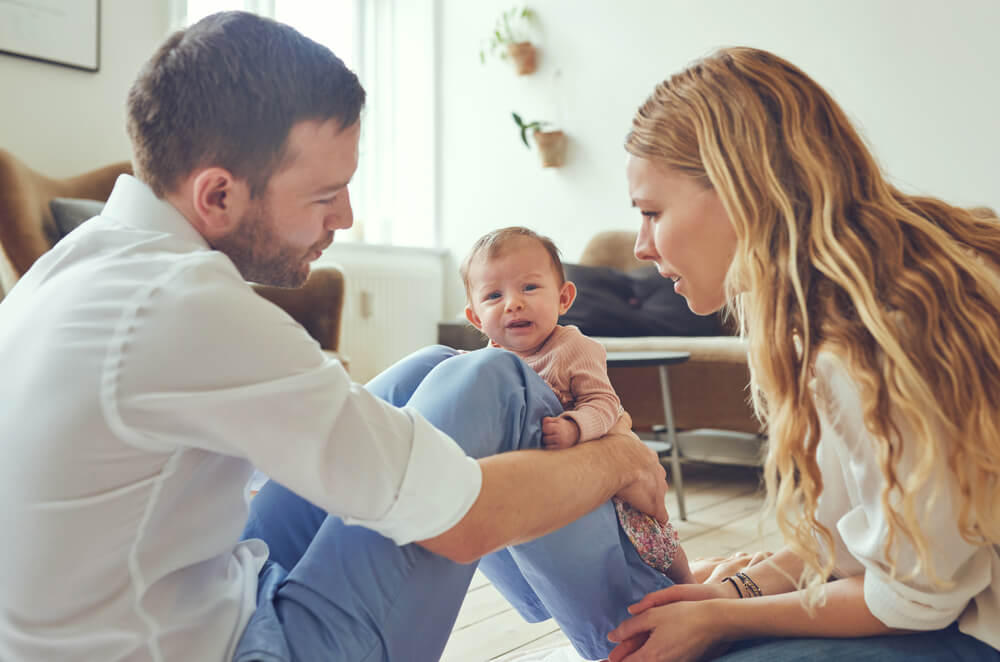
A new paper [January 26] in Science suggests a fascinating new twist on this interaction between our genes and our environment. Our parents genes can impact us, even if we do not inherit their genetic traits at all, researchers in England and Iceland found. It works like this: A parent’s nature can influence the way they nurture, and thus influence their children’s nature. Researchers dubbed the phenomenon “genetic nurture.”

In the new study, they looked at the influence of hundreds of thousands of genetic variants taken together. They found the influence of genes that were not inherited were 30 percent as significant as those that were, suggesting the existence of “genetic nurture.”

In other words, their parents’ genes that they did not inherit still seemed to play a part in how far they went in school. If this sounds a bit confusing, that’s part of the point: It’s hard to distinguish between the roles our genes and our environment play in who we eventually become.

..

A major takeaway, they write, is that family genetic data should be a component of large genetic studies, what are known as Genome Wide Association Studies.

Who we are is the result of a complex tangle of factors, and this study makes it clear that nature versus nurture isn’t the binary we once thought it to be.

Read full, original post: Why You Can’t Separate Nature from Nurture, Even When Looking at DNA

New Zealand anti-GMO group challenges recommended approval of Golden Rice to fight vitamin-A deficiency in Asia

dsc custom c bdaa dd fc b c a d s c

Campaign group GE Free NZ wants regulator Food Standards Australia New Zealand (FSANZ) to review its draft approval for Golden Rice, which is genetically modified to produce beta-carotene.

Golden rice (or GR2E) was cultivated by the humanitarian organisation International Rice Research Institute to mitigate vitamin A deficiency in developing countries.

FSANZ recently recommended that products containing traces of golden rice should be able to be sold in Australia and New Zealand.

However, Claire Bleakley, president of GE Free NZ, questioned the efficacy of the product and urged the Minister for Food Safety Damien O’Connor to ask FSANZ to review the draft.

“As this rice is only being approved to prevent trade disruption, we ask the Minister to call for a review of the GM rice, and insist on comprehensive 90-day feeding trials that should have been provided before the approval was made.”

The Institute wants the GR2E rice to be cultivated for humanitarian purposes in developing countries including Bangladesh, Indonesia and the Philippines which are at high risk of vitamin A deficiency (VAD) and where 30– 70% of energy intake is derived from rice.

While acknowledging that GR2E rice will not solve the issue of population-based VAD for these countries, it believes it can be a major part of an overarching strategy to reduce deficiency.

Read full, original post: Anti-GM group calls for Golden Rice review in Australia and New Zealand

Search and destroy: CAR-T cell therapy could give patients HIV immunity

B F A Ty HIV Positive There is such a stigma around HIV people automat a

A UCLA-led research team has created blood-forming stem cells that can carry a gene that allows the body to produce cells that can detect and destroy HIV-infected cells. The blood-forming cells, called hematopoietic stem and progenitor cells, or HSPCs, have been engineered to carry chimeric antigen receptor, or CAR, genes that allows the production of immune cells that target cells infected with HIV.

This suggests that they have the potential to give people long-term immunity from HIV, the virus that causes AIDS.

HIV uses a molecule called CD4 to infect cells in the body. So the researchers used a CAR molecule, which contains part of the CD4 molecule, to hijack the essential interaction between HIV and CD4 to make the engineered T cells target the infected cells. When the CD4 part of the CAR molecule binds to HIV, other regions of the CAR molecule signal the cell to become activated and kill the HIV infected cell.

The approach could ultimately reduce people’s dependence on antiviral medications, lower the cost of therapy and offer a way to eliminate HIV from the parts of the body where it hides. The approach also has potential for fighting other infections and malignancies.

Read full, original post: Gene therapy using CAR T cells could provide long-term protection against HIV

Former agriculture secretary Tom Vilsack: Non-GMO, gluten-free labels fan consumer fears

Screen Shot at PM

Editor’s note: Tom Vilsack is the former US Secretary of Agriculture and Governor of Iowa, and currently serves as CEO and President of the US Dairy Export Council

For the food industry, 2017 was the year of the label. Whether ‘non-GMO’ or ‘no high fructose corn syrup’, ‘no added hormones’ or ‘gluten-free,’ consumers are increasingly demanding more information about what’s in their food.

On its face, it makes sense. If consumers say they want transparency, tell them exactly what is in your product. That is simply supplying a certain demand.

But the marketing strategy in response to this consumer demand has gone beyond articulating what is in a product, to labeling what is NOT in the food. … So-called “absence claims” labels – those that arbitrarily tell a consumer what isn’t in a product, rather than what is – represent an emerging labeling trend that is harmful both to the consumers who purchase the products and the industry that supplies them.

For example, Hunt’s put a “non-GMO” label on its canned crushed tomatoes a few years ago – despite the fact that at the time there was no such thing as a GMO tomato on the market. There still isn’t today, yet the label remains. Some dairy companies are using the “non-GMO” label on their milk, despite the fact that all milk is naturally GMO-free, regardless of the type of feed given to the cows that produce it.

Read full, original post: Stop the Food Label Fear-Mongering

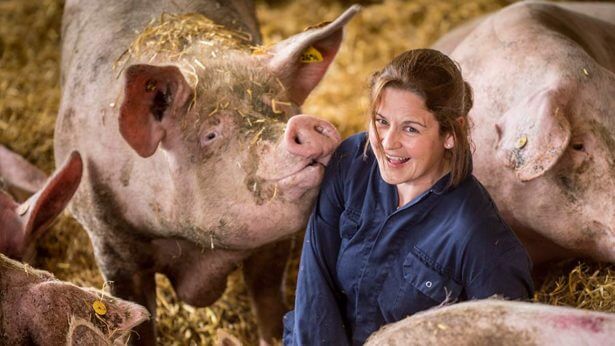
Virus-resistant CRISPR pigs could save pork producers $600 million per year

Kate Morgan c Jim Varney x

To pig farmer Thomas Titus, new scientific techniques could bring better disease resistance for his herd, saving baby pigs and potentially millions of dollars for the pork industry.

That is the foremost benefit “when I think about the possibilities of CRISPR (also called CRISPR-Cas9, the leading gene editing technique) and how it could help my farm,” says Titus, who raises corn, soybeans and pigs near Elkhart, Ill.

The devastating PRRS virus causes disease in two ways: a respiratory form that weakens young pigs’ ability to breathe and a more severe reproductive form that causes pigs to die during late pregnancy. In North America alone, PRRS is estimated to costs producers $600 million annually.

“As a pig farmer, I see that one of the greatest diseases that impacts every pig farm across the United States is PRRS (porcine reproductive and respiratory syndrome). If there’s an opportunity for us to eradicate diseases like that – or have resistance to diseases like that – it would be just astronomical!”

Indeed, at least two companies say they can deliver just what Titus says he wants. Both Genus, which owns a patent to its technique, and Acceligen, a division of Recombinetics, also involved in developing the trait, report they can infuse pigs with PRRS resistance.

Read full, original post: Protecting the herd: New opportunities through gene editing

Finding a CRISPR delivery route in humans is the hard part

dna truck

Crispr, the promising new gene editing technology, promises to eradicate the world of human suffering—but for all the hype and hope, it hasn’t actually cured humans of anything, yet. Medical researchers have the cargo, now they just have to figure out the delivery route.

[The] first clinical forays involve removing cells from patients’ bodies, zapping them with electricity to let Crispr sneak in, then infusing them back into their bodies, to either better fight off cancer or to produce a missing blood protein. But that won’t work for most rare genetic diseases—things like cystic fibrosis, Duchenne’s muscular dystrophy, and Huntington’s. In the 34 trillion-cell sea that is your body, an IV bag full of Crispr’d cells simply won’t make a dent.

[F]or now, most Crispr companies are taking more of a “whatever works” approach, borrowing mostly from gene therapy’s few success stories. One of those is a small, harmless helper virus called AAV, well-suited for carrying genetic instructions into a living cell.

..

[O]nce it ferries Crispr inside a cell, there’s no good way to control its expression. And the longer Crispr hangs around, the greater the chance it could make unwanted cuts.

The gene editing world is filling up with products to deliver—but even Amazon needs UPS.

Read full, original post: What good is CRISPR if it can’t get where it needs to go?

Using DNA to store data? US defense agency DARPA is trying

dna data
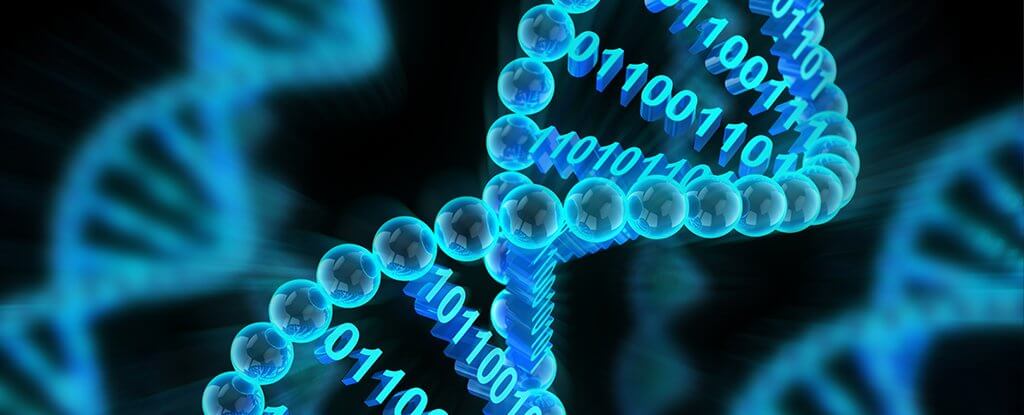
[T]he Department of Defense agency tasked with funding science’s most far-out hopes has begun investing millions in discovering radical, non-binary ways to work with data. “Molecules offer a very different approach to ‘computing’ than the 0s and 1s of our existing digital systems,” says Anne Fischer, program manager for Darpa’s Molecular Informatics program

[Researcher Karin] Strauss will be working with [computer scientist Luis] Ceze to first extract all the visual features from the crowdsourced images, and then map them into strings of As, Ts, Cs, and Gs. Each photo might get tens of thousands of unique DNA segments, each one encoding for a curve, or a vertical line, or a patch of blue.

[E]ach query sequence would get a special coating of magnetic nanoparticles. Drop a few of those in a microtest tube of DNA, where 10,000 images are stored in a few milliliters, and they’ll grab all the sequences that are a match. Then you just need a magnet to haul them out and a sequencer and some more algorithms to turn them back into visual images.

[I]t’s fun to at least imagine that years from now the Department of Defense might be building underground bunkers, not for server farms, but for trays of microscopic glass beads; a nation’s secrets held in freeze-dried DNA.

Read full, original post: Darpa wants to build an image search engine out of DNA