Will South American powerhouses Brazil and Argentina regulate new breeding techniques (NBTs) as GMOs?

soybean brazil

New breeding techniques, or “NBTs” as they have come to be known, are a set of innovative tools that can have remarkable impacts in the fields of animal and plant science. They equip scientists with more precision and thus can allow more efficient and effective impacts when tackling emerging environmental and food security problems.

The world’s governments have different opinions on how to approach the issue and their legislative bodies are starting to come forward with possible solutions.

[Argentina’s resolution number 173/2015] establishes a case by case assessment, through a simplified procedure in which applicants can request the corresponding administrative authority to determine if a product falls under the category of a GMO or not.

Brazil has also taken a major step in this direction with the new Normative Resolution 16 (NR 16). It establishes the requirements for a consultation on whether a product can be exempt from the GMO regulatory framework. Thus in some cases the full risk assessment and management for GMOs must be applied, while in other cases products deriving from NBTs and innovative precision improvements can be exempt.

The recent actions taken by Argentina and Brazil set an example for how to use detailed concepts, scientific peer review data and sound technical advice to regulate NBTs and ensure that policymakers are not shackled by rules that were developed for different procedures.

Read full, original post: Argentina and Brazil merge law and science to regulate new breeding techniques

Viewpoint: Why ‘having a public conversation’ about gene editing could hinder advances

blog gfx GeneTher DNAdayHdr x
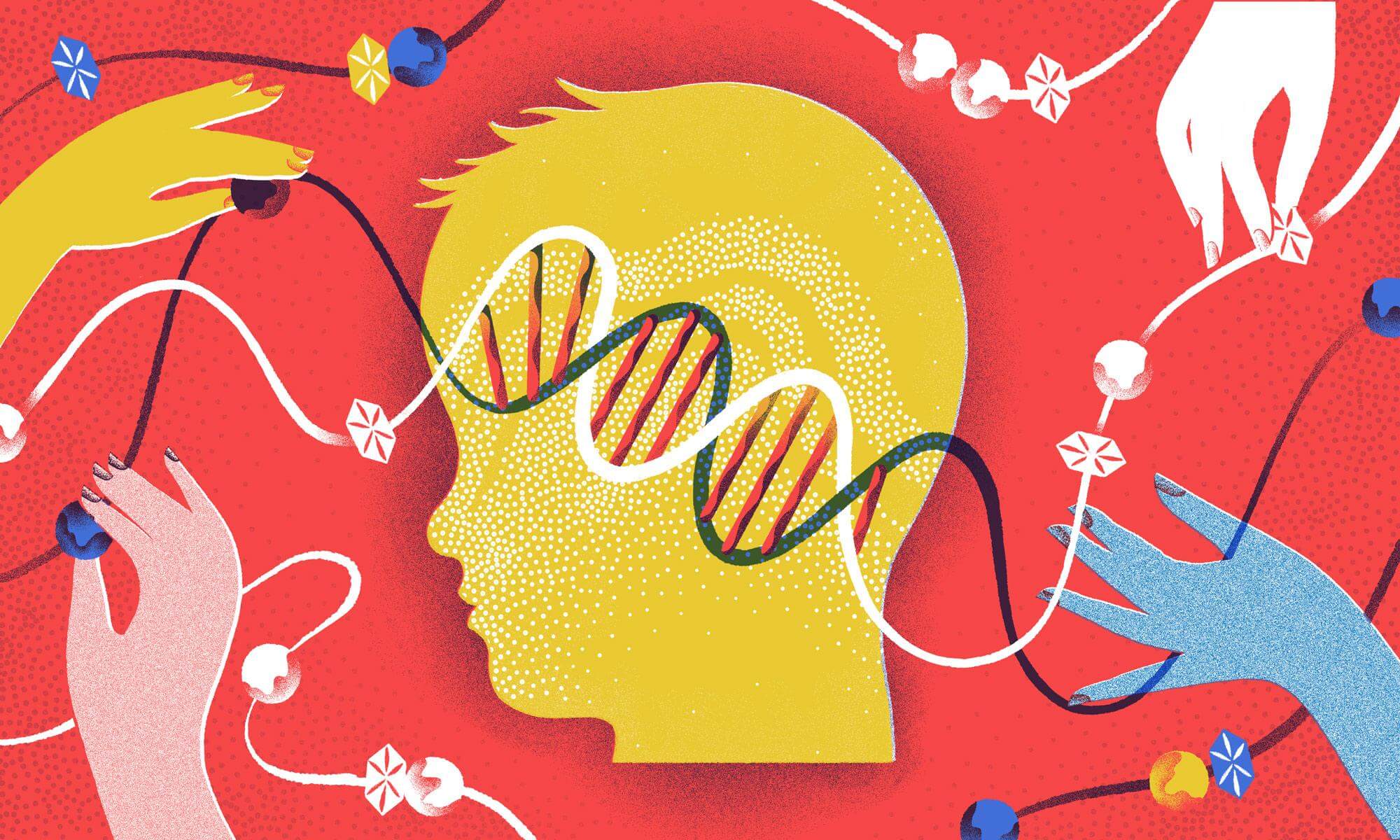
[I]t has become clear that [gene editing] technologies aren’t on the far-flung horizon; they’re at our front door. A recent article in the journal Science (full version paywalled) described how gene therapy techniques have already begun improving the lives of those with cancer and heritable genetic diseases, and what needs to happen next.

One of the most pressing concerns, and one that is unfortunately not unique to gene therapy and genetic modification technologies, is overcoming the ever-present calls for “having a conversation.” This phenomenon, which is unfortunately all-too-pervasive in the field of technology policy, can best be described thusly: A new technological advancement or scientific discovery will inevitably be met, first and foremost, by a call to have a conversation about its implications.

[T]houghtful, practical, and potentially actionable solutions to identifiable problems are no longer given priority treatment. Instead, abstract and non-actionable objectives aimed at achieving “broad societal consensus” or “consideration of the ethical implications” of technologies replace evidentiary analysis and targeted policy recommendations. All that remains in the wake of such calls is the never-ending conversation.

While the murky ethical questions of this technology necessitate consideration, we shouldn’t be tying the hands of regulators in developing standards for the safe and effective approval of therapies that could help ease the pain of Americans.

Read full, original post: The coming age of genetics is now coming-of-age

Evolution of modern human behavior linked to the rounding of our brains

Screen Shot at AM

In a study published [January 24] in Science Advances, researchers from the Max Planck Institute for Evolutionary Anthropology announced that the earliest Homo sapiens did not have globular brains like we have today. Instead, their brains had a shape intermediate between that of Homo erectus and that of the Neanderthals, both of which were somewhat more elongated horizontally. The brain, the authors write, gradually became globular over evolutionary time, and those changes in turn, induced neurological shifts that coincide with archaeological evidence of modern behavior.

To come to this conclusion, the team used tomographic scans and 3-D analysis to create virtual endocranial casts of 20 different Homo sapiens fossils.

They also created virtual endocasts — internal casts of the brain that approximate its size and morphology — of modern human samples to compare.

Globularity itself likely didn’t give us advantages, says [co-author Simon] Neubauer, but the features that contributed to the rounding probably did: the bulging of parietal areas and the bulging of the cerebellum. The parietal lobe is an important hub in connecting brain regions and is involved in functions like orientation, attention, and the sensorimotor transformations that underlie planning and visuospatial integration. Meanwhile, the cerebellum relates to motor-related functions, like balance, as well as integral functions like working memory, language, affective processing, and social cognition. It’s likely that the emergence of these skills prompted the “human revolution.”

1-25-2018 brain

Read full, original post: The Evolution of Round Brains Ushered in the ‘Human Revolution’

Namibia opens first GMO research lab with goal of reducing food imports

Namibia redcross

Namibia will now be able to trace the history of genetically modified organisms’ products on the local market.

The National Commission for Research, Science and Technology’s (NCRST) biotechnology manager Paulus Mungeyi said … that the traceability of GMO is critical to determine their content.

He said this after the official launch of the NCRST’s biotechnology testing, training and research laboratory in Windhoek…. The establishment of the lab, Mungeyi said, is part of the mandate to administer the Biosafety Act which regulates activities involving the research, development, production, marketing, transportation and other uses of GMOs, and specific products from GMOs.

“The laboratory will play a big role in building local capacity regarding producing a cadre of professional researchers in this field, and ultimately producing by-products that are designed and suited for local use, rather than always relying on imports,” he added.

[Director of research and innovation in the higher education ministry Lisho Mundia] pointed out that there is misinformation among communities about GMOs and other biotechnology-based products because of a lack of capacity and resources.

“Therefore, by building local testing and food safety assessment capacity, Namibia will be in a better position to make decisions on the standards of food we produce or import, through an evidence-based approach,” Mundia said.

Read full, original post: Namibia can now trace GMO origins

NBC News’ Richard Engel’s son diagnosed with Rett syndrome. Why that’s such a rarity

engel
The Today Show recently reported the sad story of Henry Engel—the toddler son of correspondent Richard Engel and his wife Mary Forrest who was diagnosed a few months ago with Rett syndrome.

The segment mentioned, in passing, that it’s rare for a boy to have this genetic condition, but never followed up. A report in People provides a bit more explanation, but still not enough.

1-25-2018 synapse-800x450In October 2015, just a month after Henry was born and well before his development began to obviously slow, a Today Show report stated that Rett syndrome affects 1 in every 10,000-15,000 girls. The condition is due to a dominant mutation in a gene on the X chromosome, MECP2. The gene is a transcription factor, which means that it controls a whole bunch of other genes. Disabling it blocks some neuron-neuron signaling in the brain.

Because the mutation is dominant, all it takes is one copy to cause Rett syndrome. Girls who have a mutation also have the functioning copy of the gene on their second X chromosome, so they can live for years or even decades. (Here’s an excellent FAQ.) Affected girls seem okay in infancy and early toddlerhood, but then development slows. A telltale sign is a very distinctive holding and wringing of the hands. The girls develop problems walking, have seizures, and may have autism and/or intellectual disability. Many die young.

rett 1 30 18 1
(International Rett Syndrome Foundation)

The severity of Rett syndrome varies, because of a phenomenon called X inactivation, which equals out the sexes, more or less, genetically speaking.

In female mammals, one X chromosome in each cell is inactivated – an epigenetic effect. Whether it’s the X inherited from the mother or the father is random. If, by chance, the X bearing the MECP2 mutation is shut off in many brain cells, then the girl would have a mild case. But if the normal X is turned off in many brain neurons, symptoms are severe. (The classic depiction of the effects of X inactivation is the calico cat, in which pigment genes on the X are turned on or off.)

That’s girls. The male of the species only has one X chromosome, and so if he has an MECP2 mutation, development slows and ceases before birth. That’s why boys are so rarely seen. Henry Engel has a one-of-a-kind (so far), milder mutation that enables limited MECP2 protein production.

Now the tricky part how Rett syndrome happens. It is a classic genetic disease because a gene is mutant, but it isn’t inherited, because neither parent is affected or a carrier.

The situation is more common sense than science. Rett syndrome isn’t passed from the mother because she’d be affected and not well enough to have a child. A father with an MECP2 mutation isn’t possible because boys generally aren’t born.

Instead, 99 percent of Rett syndrome cases come from new mutations in developing sperm cells. The glitch is much more likely among sperm than eggs because of the opportunities for mutations to arise: a man ejaculates 200 million to 500 million sperm per ejaculate; a woman ovulates 500 or so eggs in a lifetime.

But the situation in the Engel family is puzzling, because Henry got his X chromosome from his mother. If she carries the mutation, without having symptoms, she could pass it to future children. Or, Henry may have a new mutation.

1-24-2018 featured_art_marinamuunA celebrity spokesperson can dramatically raise awareness of a rare disease, and Rett Syndrome already has one, Julia Roberts. She tearfully testified before a subcommittee of the House Appropriations Committee in 2002 to request increased federal funding for Rett syndrome research, after narrating the TV movie  Silent Angels: The Rett Syndrome Story in 2000 and getting to know Abigail Brodsky, who died of the condition at age 10.

I applaud the Engel family for sharing their story, the Today Show and People and other outlets for reporting it, and hope that the new tax law rushed into reality late last year that slashes incentives for giving to nonprofits won’t counter their efforts.

Rett Syndrome Organizations:

Ricki Lewis has a PhD in genetics and is a genetics counselor, science writer and author of The Forever Fix: Gene Therapy and the Boy Who Saved It, the only popular book about gene therapy . Follow her at her website or Twitter @rickilewis.


Animal breeders are blocked worldwide from using genetic engineering. Here’s why.

ge animals

Editor’s note: This is the second in a four-part series examining genetic engineering’s impact on our lives. The third installment examines the role of gene editing in medicine; and the final segment looks at synthetic biology and other novel applications. The first explores the potential for CRISPR and gene editing to change the food we eat.

Increasingly prevalent in producing the crops we consume and creating the medicines used to treat our ailments and chronic diseases, genetic engineering could become a common method of modifying the animals we have domesticated and use for food. This will be particularly important as the demand for meat and animal products is likely to increase sharply as the world population expands. The UN is forecasting the world population will rise from 7.6 billion at present to 11.2 billion by 2100. Without the adoption of GE techniques, it is unlikely we will be able to feed that growing population.

Unfortunately, the use of GE technology for animal breeding and development has been stymied by overregulation in the US. As Alison Van Eenennaam, an animal geneticist at the University of California, Davis, has said, “The regulatory roadblock has really been disincentivizing the world from using it.”

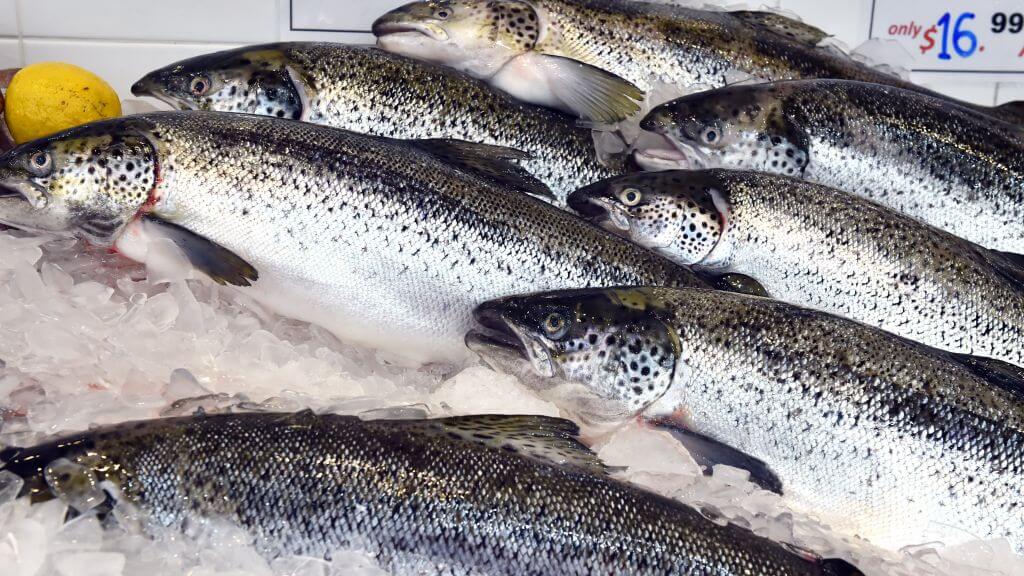
Stringent regulatory hurdles have prevented any GE animals with the exception of the GE Salmon from being approved for sale in the US. The approval process was quite arduous taking over twenty years before the FDA sanctioned its sale for human consumption.

The AquaAdvantage Salmon, developed by Aqua Bounty Technologies, which is owned by Intrexon, was developed by inserting a growth hormone gene from a Chinook salmon and a gene from the ocean pout into an Atlantic salmon. It grows twice as fast as a conventionally farm-raised Atlantic salmon and therefore is able to reach adult size in 18 months as opposed to 30 months. AquaBounty is also working on GE trout and tilapia.

The original work to genetically engineer the salmon was conducted by Canadian researchers and perfected in 1989.  In 1995 AquaBounty filed an investigational new animal drug application with the FDA and in 2001 it submitted its first regulatory study to the FDA. It was not until 2015 however that the FDA sanctioned its sales. While sales began in Canada in 2017, sales in the US are not expected to begin until at least the second half of 2019.

The FDA has indicated that the approval process took so long because it was the first of its kind.  It is widely believed however that the approval process was delayed because the Obama Administration was wary of political backlash from anti-GMO opponents. This was particularly so in the 2012 when President Obama was running for re-election. Although an FDA environmental assessment of the genetically modified salmon had cleared all internal regulatory hurdles and was due to be released in April, 2012, the assessment was placed on hold until after the election––a hold that was only lifted after an exposé in Slate of White House shenanigans by Genetic Literacy Project executive director Jon Entine. But even today, this sustainably produced fish is still not for sale.

ge animals 1 19 2The key remaining political factor playing a role in the delay of selling the GE salmon in the US is the ferocious opposition of Senator Lisa Murkowski of Alaska who has called it a “Frankenfish.” She fears it will compete with Alaskan “wild” salmon and has introduced legislation to mandate labelling of GE salmon. The bill also requires the Secretary of Health and Human Services to establish a third-party independent scientific review of the FDA’s environmental assessment of all GE fish for human consumption.

Adding to the problem, anti-GMO forces have strongly denounced the FDA decision to approve sale of the GE salmonAccording to Wenonah Hunter, the Executive Director of Food and Water Watch:

The FDA has failed to adequately examine the risks associated with transgenic salmon. The long term effects of people eating genetically modified foods have never been addressed – and this GE Salmon is no exception. This fish is unnecessary, so why take the risk?

 In order to block the sale of salmon, a coalition of anti-GMO groups in March 2016 filed a lawsuit against the FDA. George Kimbrell, senior attorney for The Center for Food Safety and co-counsel for the plaintiffs, said

This case is about protecting our fisheries and ocean ecosystems from the foreseeable harms of the first ever-GE fish…FDA should not, and cannot, responsibly regulate this animal, nor any future GE animals.

Several major anti-GMO organizations, including Friends of the Earth and the Center for Food Safety, have successfully lobbied several supermarket companies in the US, including Whole Foods, Safeway, Kroger, Target, Trader’s Joe and Aldi, to pledge not to sell the GE salmon.

The heavy handed regulatory environment and strong opposition from anti-GMO groups have had a detrimental impact on research and development of GE animals in the US. As a result, US scientists are clearly at a disadvantage to those overseas where although no GE animal has been sanctioned for commercialization besides Canada’s approval of the GE salmon, active research is being conducted and encouraged.

China have been particularly active in utilizing new gene editing technology to modify animals. Chinese scientists for example have created tuberculosis-resistant cows,  sheep that have more healthy fats, GE cashmere goats that grow longer hair for softer sweaters and more muscular and stronger dogs. They have also created pigs with less body fat by adding a gene that enables them to regulate their body temperature better by burning fat. This could reduce the cost of raising pigs by lowering heating and feeding costs and helping piglets survive cold weather.

The 2016 USDA Foreign Agriculture Services’ Report on Biotechnology Agriculture for China noted, “China’s Central Government invests heavily in basic research for animal biotechnology…The National GE Animal Technology Research Center was established…in September 2012, aiming to improve new livestock variety development and animal breeding…and to facilitate public education of GE animal technology.”

There has recently been numerous important research breakthroughs in GE animals that will have great benefits if ultimately commercialized.  Scientists in the UK for instance have genetically modified chickens so they don’t pass along the avian flu to other birds and a team of researchers at the University of Edinburgh in collaboration with the biotechnology firm Genus have developed GE disease resistant pigs.

In Brazil beef cattle have been engineered to have greater muscle mass, which increases their meat content. A New Zealand company has engineered cows to produce milk that doesn’t contain a protein that some people are allergic to.  South Korean scientists have used a GE technology to produce pigs with more muscle massScientists in Israel have created a featherless chickenIt is cheaper to raise, more environmentally friendly and does not require plucking.

ge animals 1 19 3
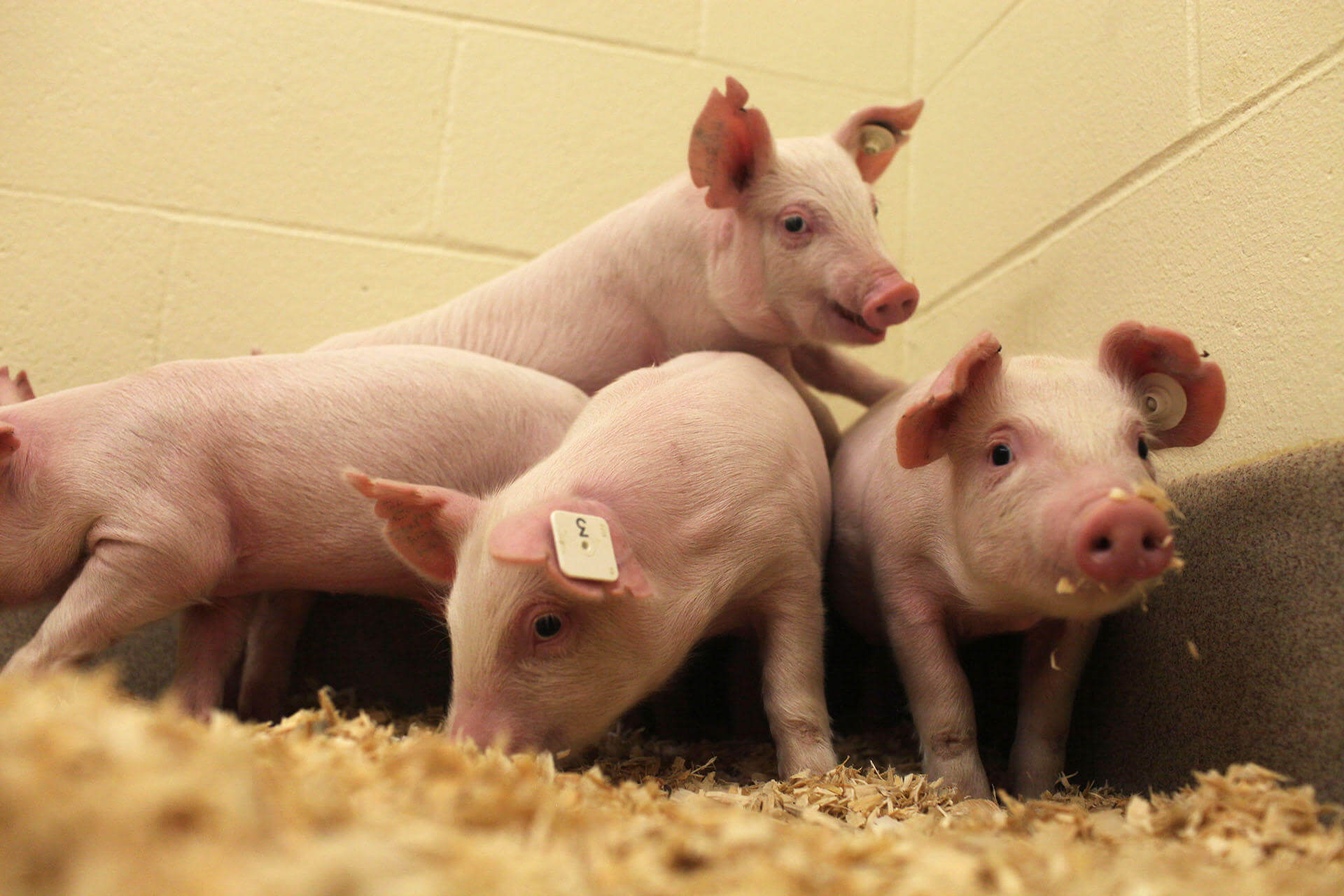
Researchers at the University of Missouri and Kansas State University recently developed pigs resistant to a deadly virus that costs the U.S. pork industry millions annually.

Scientists in Canada have developed cows that produce less methane gas –a contributing factor in global warming. The average cow releases 70 to 120 kilograms of methane a year. The negative impact on the climate of methane is 23 times greater than CO2.

Scientists at the University of Guelph in Canada have created an Enviropig  that digests phosphorus more efficiently, resulting in less phosphorous in their manure.  This is important as once in water, high levels of phosphorous cause algae blooms and oxygen depletion that can negatively impact marine life.

Perhaps one of the most important ways that genetic engineering is being utilized to modify animals is with regard to insects that spread diseases that results in death and do serious damage to crops. Scientists at UC Berkeley and UC Riverside, for example, have edited the genome of disease-carrying mosquitoes offering the possibility of helping to curtail malaria and other mosquito-borne diseases. According to John Marshall, assistant professor of biostatistics and epidemiology at the Berkeley School of Public Health:

 What we showed is that, if you disrupt a gene required for fertility in female mosquitoes at multiple sites at once, it becomes much harder for the population to evolve around that disruption.

Oxitec, a British company owned by Intrexon, said it plans to produce one billion mosquito eggs in the US every week.  They are designed to produce offspring that will not survive into adulthood. Trials of the company’s genetically engineered male mosquitoes have been conducted in Brazil and Panama.  In the Brazilian trial, the population of a type of mosquito that carries Zika, chikungunya and yellow fever was reduced by 90 percent.

Scientists at Cornell have used genetic engineering to breed sterile diamondback moths which are a major pest of broccoli, cauliflower and cabbage.  They are responsible for $4 billion to $5 billion worth of damage to crops worldwide.

ge animal 1 19 18 4

Many of the anti-GMO organizations also oppose field trials of GE mosquitos designed to reduce the spread of mosquito-borne diseases. The Center for Food Safety urged against the testing of GE mosquitoes in Florida:

Imagine a company releasing millions of experimental, genetically engineered, biting insects onto a populated island environment. Sounds like the plot to a new Jurassic Park, doesn’t it?  Unfortunately, this plot is very real, and it will happen unless we stop it. Our environment should not be a testing ground for experimental genetically engineered (GE) mosquitoes.

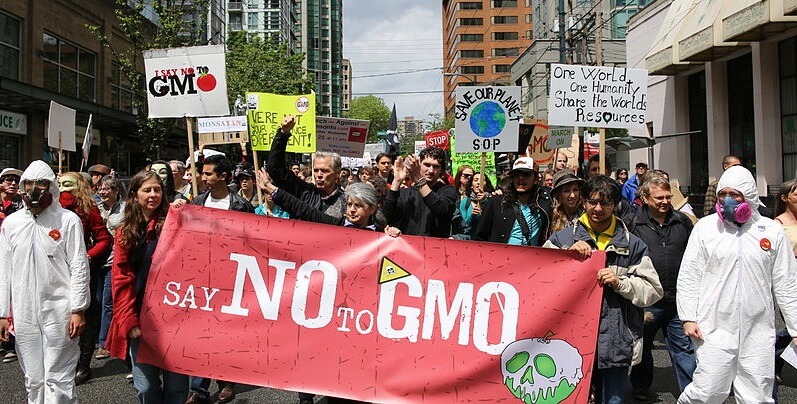
The opposition to GE animals and insects is not based on any scientific evidence but instead is ideological driven. It is predicated on the perception that genetic engineering is inherently dangerous, is not natural and will have unintended consequences that cannot be controlled.  But the reality is that GE animals offer great benefits to humankind.  They will help to expand the food supply to feed a rising global population, create disease resistant animals that will cut down on the number of animals that die prematurely before they can be slaughtered for meat and will help to produce leaner and healthier meat.

GE animals might also become an important source of new drugs. One such example is a genetically engineered cow that has been created to produce antibodies that fight pathogens.  These antibodies could be used to treat serious diseases such as Ebola, influenza and Zika. The National Science Foundation is underwriting efforts to create dairy cattle that can resist the parasite that causes sleeping sickness in sub-Saharan Africa.

The potential of GE animals is so great that it is only a matter of time before they are commercialized on a widespread basis. It will also be the case that just as with GMO food, the Frankenstein fears of the anti-GMO movement will be seen for what they are which is fear-mongering and unsupported by science.

Steven E. Cerier is a freelance international economist and a frequent contributor to the Genetic Literacy Project.  


Facts not fear: Science Moms’ documentary debunks common food myths about GMOs, organic farming

woman at farmers market

Editor’s note: Sally Kuzemchak, MS, RD, is a registered dietitian, educator, and mom of two 

In the new documentary, Science Moms, they tackle some of the biggest, most controversial issues, including pesticides, GMOs, and vaccines.

Here are five food myths that the film takes on:

MYTH: “Chemical” is a bad word.

FACT: There’s a lot of talk on social media and blogs about “avoiding chemicals”. There are even claims that “no amount of chemical exposure is safe”. But the reality is everything is made of chemicals, even water! And just because a chemical has a long, scary-sounding name doesn’t mean it’s actually scary or dangerous (acetic acid = vinegar).

MYTH: Organic means pesticide-free.

FACT: Though organic farming does not allow the use of synthetic pesticides, it does still permit organic pesticides. And some pesticides allowed in organic farming, such as copper sulfate, have the potential to be toxic as well.

MYTH: GMOs should terrify you.

FACT: Though some parents go to great lengths and cost to avoid GMOs, something that hasn’t been proven to be harmful, some of those same people avoid vaccination, which is proven to prevent diseases that are extremely dangerous and even fatal. And, yes, measles should scare you.

You can watch the trailer of Science Moms here and download the film for $4.99 here. Read the Science Moms’ new blog “SciMoms” here.

Read full, original post: 5 Food Myths It’s Time to Stop Believing

South African economist: Fall armyworm outbreak shows why Africa should embrace GMO crops

Screen Shot at PM

Editor’s note: Wandile Sihlobo is an Agricultural Economist and Head of Agribusiness research at the Agricultural Business Chamber (Agbiz) in South Africa

The presence of the fall armyworm makes this seem like a repeat of the 2016-17 production seasons challenge, where countries such as Zimbabwe and Zambia had to rely heavily on pesticides and other measures to mitigate the effect of the pest.

Meanwhile, while there was also an outbreak of the fall armyworm in South Africa, farmers experienced minimal crop damage as genetically modified crops proved far more resistant.

More than 80 percent of South Africa’s maize production is now genetically modified, which is why the country managed to harvest its biggest crop in history last year – 17.5-million tonnes – despite the worm.

Screen Shot at PM e
Wandile Sihlobo

South Africa is still the only African country that grows genetically modified maize, so it is not surprising that it produced 26 percent of sub-Saharan maize in the 2016-17 production season while using a relatively small land area of 2.6-million hectares.

In contrast, countries such as Nigeria planted 4-million hectares and only harvested 7.2-million tonnes.

This shows that not only do genetically modified crops withstand some pests, they also boost productivity. Given these pest outbreaks, we should ask whether it’s time for frica to follow in South Africa’s “food steps” and embrace genetic modification technology in order to boost production and feed her children.

Read full, original post: Africa Should Follow In South Africa’s ‘Food Steps’ And Embrace Genetic Modification

Human Cell Atlas: The quest to build biology’s periodic table

Screen Shot at AM

Realizing the need and potential for an atlas of all human cells, two scientists, Aviv Regev and Sarah Teichmann, have set out to map every cell in the human body. The cell is to biology what the atom is to chemists: the basic building block of the field. Despite this, biology’s “periodic table” is deeply incomplete. As Regev, of the Broad Institute of MIT and Harvard, began publicizing her efforts to complete the table, Teichmann, of the Wellcome Trust Sanger Institute, approached her to join forces. Not long afterward, the Human Cell Atlas Consortium (HCA) was conceived.

[J]ust as you won’t likely taste one blueberry in a strawberry smoothie, rare cells can easily be lost in the mix of common cells. However, with new single-cell techniques, the results resemble a fruit salad – each and every fruit can be seen and tasted, even if there are 10 strawberries to one blueberry. These rare cells (the metaphorical blueberries), which often have specific and crucial tasks, can now be seen and understood in the greater picture of different tissues.

The Human Cell Atlas isn’t perfect, and faces steep challenges. But it is also an ambitious and much-needed project, led by top geneticists, biologists, clinicians, engineers, and computational scientists across 10 countries. It has all the makings of moonshot project, poised to create a map of how you and I develop from a single cell.

Read full, original post: How scientists are mapping the building blocks of life

Genetic ‘switch’ could slow spread of cancer in patients with high-fat diets

Fast Food Concept Greasy Fried Restaurant

In a set of papers published in the journals Nature Genetics and Nature Communications, researchers at Harvard Medical School and the Cancer Center at Beth Israel Deaconess Medical Center have shed new light on the genetic mechanisms that promote [prostate tumor] metastasis in a mouse model and implicated the typical Western high-fat diet as a key environmental factor driving metastasis.

Epidemiological data links dietary fats (and obesity) to many types of cancer, and rates of cancer deaths from metastatic cancers including prostate cancer are much higher in the United States than in nations where lower fat diets are more common.

In tumors that lacked both PTEN and PML tumor suppressing genes, the cells’ fat-production machinery was running amok.

“It was as though we’d found the tumors’ lipogenic, or fat production, switch,” said Pandolfi. “The implication is, if there’s a switch, maybe there’s a drug with which we can block this switch and maybe we can prevent metastasis or even cure metastatic prostate cancer,” he added.

[P]hysicians could soon be able to screen their early-stage prostate cancer patients for those whose tumors lack both PTEN and PML tumor suppressing genes, putting them at increased risk for progressing to metastatic disease. These patients may be helped by starving these tumors of fat either with the fat-blocking drug or through diet.

Read full, original post: Flip the Switch – Changes in fat metabolism may promote prostate cancer metastasis

How gene-edited crops could spell the end of the infamous term ‘GMO’

GMO question marks e

Political and social controversies, as well as complications of plant breeding, intellectual property, and regulation, have compromised the promised impact of genetically engineered – typically transgenic – crops designated as “GMOs.”

For the time being, Sweden, Canada, and the United States have decided to not classify genome-edited plants as GMOs. The reasoning is the absence of transgenesis in genome-edited crops: no “foreign” DNA need be involved. In this sense, genome-edited crops are more like precisely site-specific mutagenised plants than transgenic plants in which incorporation of a transgene is uncertain.

Organic farmers can grow mutagenised crops, without labels or special regulatory approvals.

However, other genome-edited crops have undergone more substantial editing.

Variance among genome-edited plants thus adds a further layer of difficulty in defining exactly a “GMO”.

The term GMO – variously defined – is becoming ambiguous, more a normative and political construct than a biologically meaningful one. Genome editing as a whole thus challenges existing governmental regulatory structures designed to manage differences among organisms bred for new traits by different technologies. It is not a reach to predict the end of the GMO as a cornerstone of regulating agricultural technology and flashpoint of conflict restricting progress.

Read full, original post: The End of the GMO? Genome Editing, Gene Drives and New Frontiers of Plant Technology

Brazil’s higher-protein GMO soybeans hurting US exports to China

brazil soybean production

U.S. soybean growers are losing market share in the all-important China market because the race to grow higher-yielding crops has robbed their most prized nutrient: protein.

Declining protein levels make soybeans less valuable to the $400 billion industry that produces feed for cattle, pigs, chickens and fish. And the problem is a key factor driving soybean buyers from the U.S. to Brazil, where warmer weather helps offset the impact of higher crop yields on protein levels.

Seed developers have had great success boosting yields through traditional breeding methods and genetic engineering to make crops use less water, tolerate weed killers and grow better in colder or drier climates. But they have yet to crack the genetic code that would raise protein content without hurting yield, seed breeders said.

Brazilian soybean producers use the same genetically modified seeds as their U.S. counterparts, and have also seen a reduction in protein content.

But Brazilian growers retain an crucial edge in protein thanks to warmer weather and longer days. The nation’s soybeans contain 37 percent protein on average, according to data from Embrapa, the government’s agriculture research agency.

That compares to 34.1 percent for U.S. crops in 2017 – a record low, according to the U.S. Soybean Export Council.

Read full, original post: Protein plight: Brazil steals U.S. soybean share in China

Unique mix of brain chemicals separates humans from other primates

pimates

A team of researchers has now used a novel technique to form a hypothesis on the origins of our rich cognitive abilities. They did so by profiling the chemicals buzzing around our brains. These compounds, known as neurotransmitters, are the signaling molecules responsible for key brain functions. Their research reveals that in comparison with other higher primates, our brains have unique neurotransmitter profiles that probably resulted in our enhanced cognition.

Compared with the other species tested, humans had markedly increased striatal dopamine activity. Among other functions, dopamine helps drive reward activity and social behaviors. In the striatum in particular it contributes to uniquely human abilities and behaviors like complicated social group formation and, in part, speech and language.

Humans, gorillas and chimps also had elevated striatal serotonin, compared with other primates. Increased serotonin levels in the striatum are known to increase cognitive and social control and also reduce aggression whereas low levels are linked with underdeveloped social skills.

[C.] Lovejoy and his colleagues found that gorillas and chimps have much higher levels of acetylcholine than do humans. “The high striatal serotonin shared by humans and great apes likely contributes to the cognitive flexibility required for complex social interactions,” Raghanti says. “The lower acetylcholine in humans corresponds to our decreased aggression, compared to most other apes. It’s a concert really.”

Read full, original post: Cocktail of Brain Chemicals May Be a Key to What Makes Us Human

Will Australian stores’ removal of household neonicotinoid products help bees?

honeybees

Katja Hogendoorn is a native bee expert and Research Associate within the School of Agriculture, Food and Wine at the University of Adelaide:

In my view, home gardeners shouldn’t be given the option of making the plants in their garden toxic to bees. Therefore, I am very supportive of Bunnings’ and Mitre 10’s decision to withdraw Confidor from their shelves and hope other companies will follow suit.

Professor Ian Rae is an expert on chemicals in the environment at the School of Chemistry at the University of Melbourne. He is also an advisor to the United Nations Environment Programme on chemicals in the environment and is former President of the Royal Australian Chemical Institute:

There is no doubt that these pesticides, of the neonicotinoid class, are toxic to honey bees (and possibly other species, too). However, the distribution of the pesticides and the extent to which honey bees are exposed are difficult to assess. Hence we have suspicion, but not proof, of widespread harm. Coming on top of other threats, even a small contribution from the pesticides may be enough to tip the balance in some communities of honey bees.

Domestic use of such pesticides is on a tiny scale, and any impact from such use would be dwarfed by broad-acre applications in fruit and vegetable producing areas.

The idea that there would be any gain for the honey bees is probably illusory.

Read full, original post: Can banning household pesticides save bees?

Why Huskies have blue eyes—and why it might matter for understanding human diseases

husky white blue eyes dog photograph blue eyes
[A] new study may help salvage the [direct-to-consumer genomics] field by turning to a previously untapped pool of subjects: dogs.

The research is the first of its kind to be conducted in nonhumans. It drew on data from more than 6,000 customer dogs in an effort to identify the genetic mutation responsible for blue eyes, a striking trait that’s relatively common in Siberian huskies but rare among other breeds in which it sometimes appears, like border collies and corgis.

The data allowed them to identify a novel association: An allele on chromosome 18, carried by just 10 percent of dogs in the data set overall, was present in 100 percent of blue-eyed Siberian huskies.

Prospective blue-eyed puppies aside, the success of this first study, now in preprint, speaks to the approach’s potential: Being able to crowdsource genotypic and phenotypic information can lead to key discoveries regarding not just eye color but also more complex traits, behaviors, and overall health.

[R]egions of the canine genome have already been causally linked to more than 70 Mendelian diseases—heritable disorders caused by a single mutation as opposed to a more complex combination of genes—many of which have human analogues.

Having shared our environment for so long—and seen us through some key transitions in the process—might put dogs in a unique position to tell us about ourselves.

Read full, original post: Genetic Testing Might Have Just Explained Why Huskies’ Eyes Can Be Blue

Armenia remains ‘cautious’ on imports of GMO food

Screen Shot at PM

Armenia is cautious about the use of products with genetically modified organisms (GMO) and seeds, Deputy Minister of Agriculture Ashot Harutyunyan said….

According to the deputy minister, Monsanto first appeared in Armenia in 1998 and according to the ministry’s data, in 2017 it imported only 125 kg of seeds of vegetable crops to Armenia. The deputy minister claimed also that no local producer of agricultural crops cooperates with Monsanto now. GMO products … first appeared in Armenia in the early 90s, coming as humanitarian aid.

“To this day, the pros and cons of GMOs have not yet been fully clarified and therefore Armenia must display cautiousness in this issue. It is important that comprehensive studies are conducted for a final decision,” said Harutyunyan.

Armenia’s State Food Safety Service jointly with the Ministry of Agriculture is developing a legislative package on regulation and restriction of the import of genetically modified products (GMOs) into the country. The agency plans to introduce a system for marking GMO products, which will be sold on separate shelves.

Read full, original post: Deputy minister: Armenia is cautious about use of products with genetically modified organisms and seeds

Could modern influenza outbreaks escalate into devastating pandemics like the 1918 ‘Spanish Flu’?

spanish flu
This year’s flu season is shaping up to be among the worst in recent years. Already, 37 children have died from influenza-related symptoms.

The total number of flu cases is tracking along with the rate seen during the 2009 pandemic, though actual hospitalizations are in line with the 2014-15 season, when 710,000 people were admitted for flu-related symptoms, according to the CDC’s January 25 update by Dr. Dan Jernigan, Director the influenza division in CDC’s national center for immunization and respiratory diseases. According to Jernigan:

We’ve experienced two notable characteristics of flu this season: The first is that flu activity became widespread within almost all states and jurisdictions at the same time, The second is that flu activity has now stayed at the same level for 3 weeks in a row, with 49 states reporting widespread activity, each week, for 3 weeks….Flu activity has been elevated for 9 consecutive weeks so far this season. To put that into perspective, the average duration of a flu season in the past 5 seasons has been around 16 weeks, with the longest being 20 weeks. So, by this measure, we are about halfway there this season. That means we have several more weeks of flu to go.

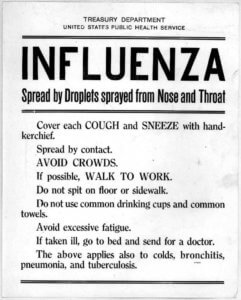
Most flu-related deaths occur in the old-age population, but each season there also are a number of pediatric influenza deaths reported, along with a handful of deaths in young adults, due to complications, mostly pneumonia. The yearly numbers tell us that seasonal flu is a serious disease, but this new year influenza also provides historical perspective that potentially could help with the management of the disease in the future. This year marks the centennial of the notorious 1918 influenza epidemic, the “Spanish flu,” whose death toll makes modern outbreaks seem relatively mild. Whenever we see headlines dominated by news of a current epidemic, it’s probably not unusual for some of us to wonder if a pandemic like the Spanish flu could happen again.

The answer is a probable “no.” That’s because the viciousness of the 1918 virus appears to have resulted from a perfect storm of genetic, historical, demographic and medical factors that are unlikely to repeat. Still, researchers who study influenza viruses and their evolution do think that it’s realistic to envision outbreaks of new flu viruses that are more deadly than anything circulating through humanity now. Predicting future evolution of influenza, in context of what happened in 1918 may help to prepare us for managing new flu strains.
spanish flu

What happened in 1918?

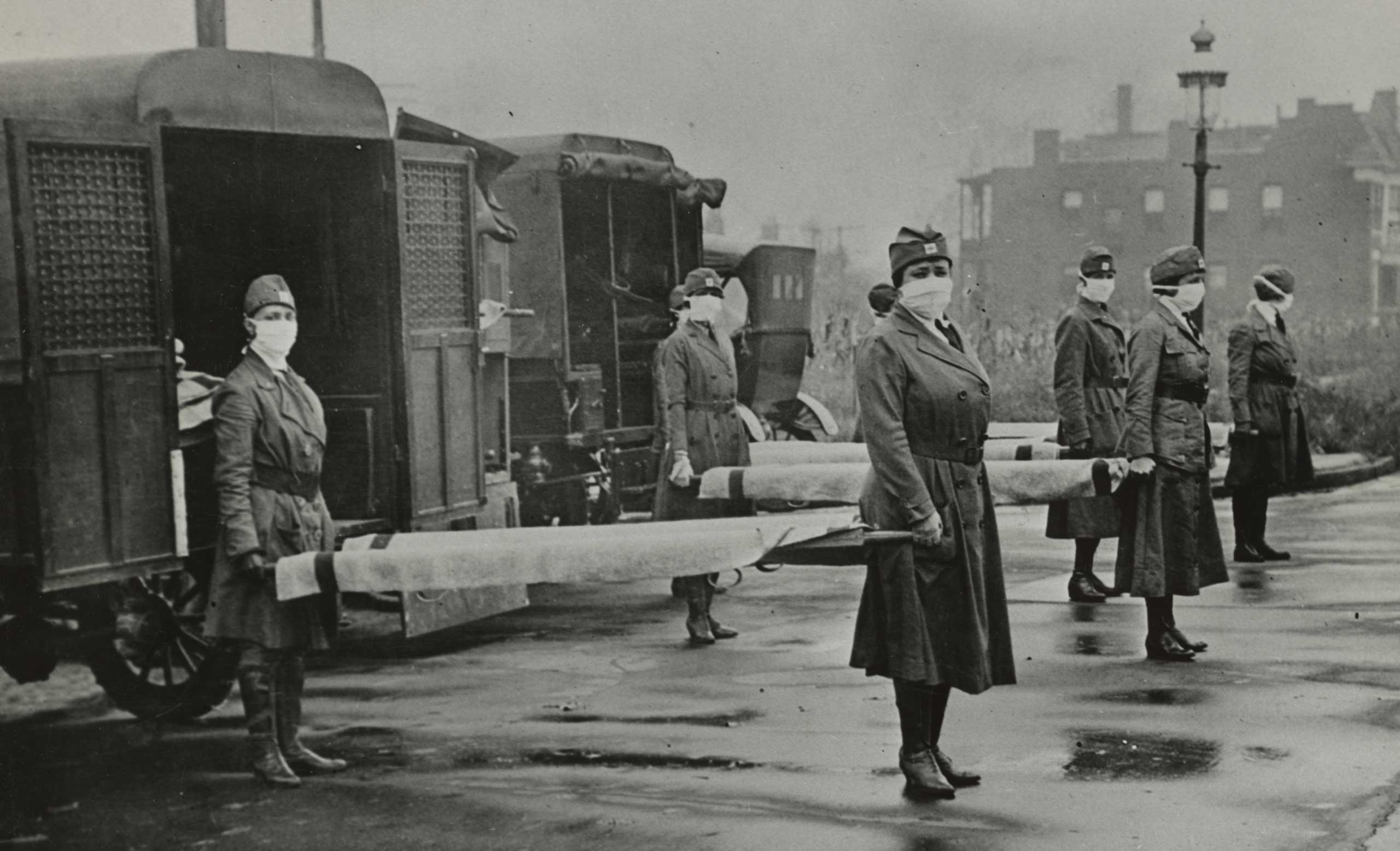
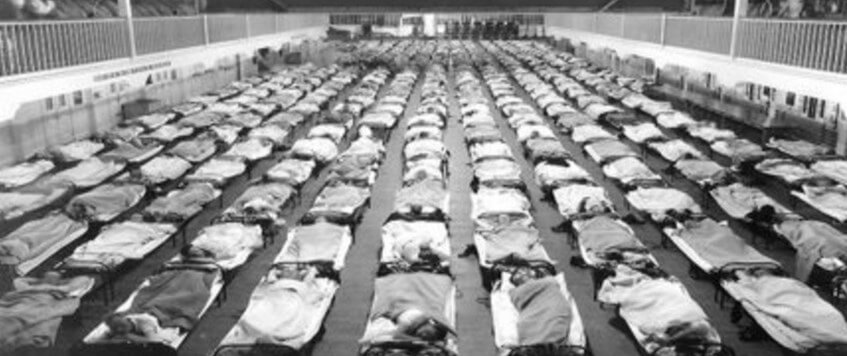
When you think of 1918, the historical event that likely comes to mind is the end of World War I.  Yet from a human mortality perspective, the Spanish flu outbreak was far more devastating for the world’s population. The death toll from the war is estimated to be around 6 million. The flu, on the other hand, is thought to have claimed 50 million to 100 million people over a four-month period.

As for what exactly happened, scientists are certain only about a few things:

  • Despite its name, the notorious “Spanish Flu” did not originate in Spain. At the time, Spain was one of the only countries without press censorship, so stories about a deadly illness were coming out of Spain almost exclusively as millions were being infected around the globe.
  • The cause of death was almost always secondary infectionbacterial pneumoniadeveloping in lungs that were made vulnerable by the effects of the H1N1 virus.
  • Very importantly, perhaps the key to the mystery, there were striking differences in how the infection played out in different age groups. Whereas the seasonal flu that we know today kills mostly the very old and very young, the 1918 virus killed mostly young adults, those 20 to 40 years old, and particularly those 25 to 29 years old. Children, and especially senior citizens were spared, and not just that.

Octogenarians actually survived the 1918 virus better than they survived the typical seasonal flu in the years before and after that pandemic, and this age phenomenon could make all the difference in how we target protection against future influenza pandemics. The big question then emerges: How do people in their late 20s develop pneumonia more readily than people in their late 80s?

Before we answer that question, it’s vital to note that 1918 was a time before antibiotics. If every factor that produced the 1918 pandemic, including the virulence that the virus had in young adults, were combined in the same way today, the death toll would be far lower. That’s because antibiotics, computed tomography (CT) imaging, fluid resuscitation, mechanical ventilation, extracorporeal membrane oxygenation (ECMO), and all the benefits of modern medicine would be brought to bear against the outbreak.

That said, it’s important to make sure we don’t squander our antibiotic capability by using these valuable drugs when not necessary, such as for viral upper respiratory infections (the common cold). As with vaccines against flu virus, effective antibiotic capability against bacterial pneumonia is an arms race in which we have to remain a step ahead of the evolution of disease causing organisms.
spanish flu 1 25 18 3Why were young people affected the worst?

As for why young adults died so easily during the outbreak, the conventional wisdom for decades was that the virus must have thwarted some aspect of the inflammatory response in old people. Thus, ironically old lungs did not fill with fluid, while those of younger adults did, so the young adults were more vulnerable to secondary infection from bacteria on top of the viral infection.

But research by an evolutionary genomics team at the University of Arizona revealed in 2014 that it may have had more to do with the particular flu strains that were circulating during each person’s early childhood. Essentially, one’s immunity is primed based on the particular subtypes of influenza virus that the immune system sees early in life. The greater the match between one’s early childhood strain and the 1918 strain, the better was a person’s immunity. Consider this explanation by Michael Worobeylead of the Arizona research team and of the University of Arizona Department of Ecology and Evolutionary Biology:

[To use an] analogy, let’s say you were first exposed to a human ‘orange lollipop’ flu as a kid. If later in life you encounter another subtype of flu virus, one from a bird and one that your immune system has never seen before but whose proteins also are of a similar ‘orange’ flavor, your chances of dying are quite low because of cross-protection. But if you were first infected with a virus from the ‘blue lollipop’ group as kid, that won’t protect you against this novel, ‘orange’ strain.

It happened that in the 1830s there had been a flu virus whose antigens proteins on the outside of the viral coat that stimulate the immune system — closely matched the 1918 virus. For children born from 1900 to 1918, protection was okay. But it wasn’t as strong as that of their grandparents or great grandparents, because around 1900 there was virus somewhat similar to the 1918 virus. On the other hand, in 1889, the world pandemic flu had been a very different virus different antigens, different geneticscompared with the 1918 virus. Thus, people in their late 20s in 1918 had no protection against the Spanish Flu. To see how this works, we now need to look at those particular viral antigens and the genetics that generated them.

Influenza coat proteins and classification

When a foreign entity, such as a virus, exposes itself to the immune system, there is an initial reaction recognizable by the immune system producing a type of antibody, called IgM, against the invader. After several weeks or months if the person survives the infectionthe immune system sets itself up to make another type of antibody, called IgG, as a long term protection that can be turned on quickly if the person is ever exposed again to something similar.

With influenza virus, a common group that makes people sick is called influenza A, and it stimulates the immune system with two proteins on the viral coat that surrounds the viral genetic material. One of these proteins is called H and there are different varieties numbered 1-18. Its role is to help the virus invade cells. The other coat protein on Influenza A is called N. It helps virus particles break out of infected cells and it too comes in several varieties that are numbered.

spanish flu 1 25 18 4Influenza A viruses are named based on the numbered H and the numbered N whose presence is determined by the combination of H and N genes in the viral genome. The 1918 virus was an H1N1 virus and today there are seasonal H1N1 viruses. But they are all slightly different in how they affect people, because the H and N proteins each, in turn, are built of various subunits that form due to shuffling of DNA strands. [To avoid confusion, it also should be noted that an entirely different strain, called influenza B, also causes seasonal flu. Current seasonal flu vaccines protect against influenza B, a couple of influenza A strands, and additional type of influenza. However, all the discussion about H and N and the numbers pertains to influenza A.]

Scientists have been able to track the evolution of H1N1, H2N3, and other combinations, such as H2N7 avian flu, by looking at samples from humans and other animals, since frequently new permutations emerge from parts of the virus recombining with other parts and transferring between animal species. A leading hypothesis posits that the deadly H1N1 virus of 1918 emerged when parts of a similar virus from a bird were mixed with a preexisting influenza A virus. Similarly, the current H2N3 virus that’s a problem today a type of avian flu, like H2N7, H5N1, and H7N9, because it is present mainly in birds, even though it can make humans sick could evolve into a bigger problem. There also are swine influenza A viruses, and similar viruses of other animals that could move to humans. With any of these, there is concern that in mixing with human influenza A viruses could lead to novel aggressive properties in humans.

Also contributing to the growing understanding of flu evolution are tissue  samples drawn from the remains of 1918 flu victims preserved in permafrost in a town in Alaska. There is a fascinating history attached to how those samples were recovered and tested, initially without success, and then with success as genetic technology and knowledge improved.

Where this leaves us

Vaccine development, especially in terms of predicting the emergence of new viral strands can benefit from evolutionary genomics work. Additionally, such research can support strategies for selecting age cohort groups to target for new vaccine development. This applies to flu vaccines as well as vaccines against the bacteria that cause secondary pneumonia. As an example of how this might work, the Arizona team suggested that people born in the late 1960s to early 70s could be particularly vulnerable were an aggressive influenza strain to evolve from the current H2N3, due to influx of some genetic element from an avian or swine strain. As a result, this age cohort should be a target for new vaccines aimed at thwarting potential pandemics. On the other hand, a big problem with vaccines for the ordinary seasonal flu is that they are least effective in elderly people, those who are most vulnerable to developing secondary pneumonia. To deal with that problem, perhaps flu vaccine research could benefit from an analysis of the strains that were circulating during the late 1920s and 30s, the time when our current octogenarians and nonagenarians were born.

David Warmflash is an astrobiologist, physician and science writer. BIO. Follow him on Twitter @CosmicEvolution.

CRISPR gene-edited food in Europe? Questions remain on crop breeding regulations

GG June Cover image

It’s hard enough devising an appropriate approach to regulate genetically modified organisms (GMOs). To complicate things further, scientists keep coming up with new techniques. How can governments regulate these new techniques and do it quickly enough and in a way that assures both consumer safety and fosters the development of new technologies?

On January 18, 2018, European Union (EU) Advocate General Michal Bobek took a first stab at how new mutagenesis techniques might be regulated.  He released an advisory opinion on whether crops and animals developed using new mutagenesis techniques are exempt from the EU’s current regulation of GMOs. The opinion clarifies much, but it leaves many of the difficult questions unanswered.  Disappointingly, it does not decide whether cutting-edge, gene-editing techniques such as CRISPR-Cas9 qualify for the exemption, or if they are regulated as GMOs. Scientists, regulators, and the public will have to hope that the European Court of Justice (ECJ) is more courageous and overcomes the temptation to punt on answering the tough questions that could decide the regulatory fate of gene-edited products.

What is Gene Editing and Why Should We Care?

Gene-editing techniques allow scientists to make precise changes to an organism’s genetic material. Those techniques can be used to turn genes on or off, as well as introduce genes with new, foreign traits by cutting an organism’s DNA at a precise pre-programmed location.  In 2012, gene editing took a huge leap forward with the discovery of CRISPR, a biological technique that is often described as an extremely efficient, precise, and inexpensive gene-editing “machine.” Using CRISPR to edit the DNA in a cell is often described as analogous to programming a computer to find and replace one word in a 400-page book.
Artboard
CRISPR gene editing (click image to enlarge)

CRISPR has been described by Nature magazine as “revolutionary” and one of the “biggest game changers to hit biology.” It has been used in laboratories to edit the genomes of numerous plants and animals that are important to agriculture.  Examples of gene-edited animals include: pigs that are resistant to particular diseases; pigs that produce leaner bacon; and hornless cattle (which avoids the painful process of manually dehorning them).  Examples of gene-edited plants include: non-browning mushrooms; drought-tolerant corn; and mildew-resistant grapes. CRISPR also has potential applications in human medicine to cure genetic diseases such as sickle cell anemia, and to fight infectious diseases with antibiotics that specifically target disease-causing bacteria. The Wall Street Journal recently reported that Chinese researchers have been using CRISPR to treat cancer and HIV patients.  Whether in agriculture or human medicine, CRISPR is inexpensive, relatively easy to use, and more precise than previous techniques. These factors make CRISPR much more accessible than traditional genetic engineering for research and public/private product development.

While many scientists are going full steam ahead with CRISPR, others are concerned about possible risks.  CRISPR is not perfect, and it can occasionally cause off-target and unintended changes to occur in the genome of the gene-edited organism.  In addition, some scientists are concerned that CRISPR could be used to change the rules of inheritance, resulting in “designer babies” or the extinction of a species (a mosquito, for example). But the big unknown is how government oversight will affect companies’ ability to use CRISPR to develop and market new products.

Background on the Debate over Regulating Gene-edited Crops in Europe

Is a crop with a genome that has been altered using molecular gene-editing techniques such as CRISPR-Cas9 regulated under the European Union’s regulatory framework for GMOs? Many scientists and seed developers, and some countries, have argued that if a molecular gene-editing technique is used to alter a crop’s existing genome but does not introduce DNA from a different species, the resulting product is no different from a crop with a genome altered using other means. Chemical mutagenesis and ionizing radiation, which cause random mutations in an organism’s genome, are currently exempt under the EU’s GMO directive.  Arguably, molecular gene-editing techniques that create similar products (but with greater precision) should also be exempt. For some scientists and consumer and environmental groups, however, molecular gene-editing techniques are “genetic engineering” that could result in harmful products and should, therefore, meet all the substantive obligations under the directive.

The Case before the European Court of Justice

In 2016, nine French non-governmental organizations (NGOs) opposed to GMOs filed a case with the highest court in France about whether mutagenesis techniques are regulated as GMOs. As a result, the French court posed four questions about EU law to the European Court of Justice (ECJ). As part of the ECJ’s procedures, the Advocate General often drafts a legal opinion about the issues in the case, and this document is what was recently released.  The opinion is non-binding and only advisory, but the ECJ often adopts the Advocate General’s legal analysis in its court decisions. The ECJ’s decision itself is expected later this year.

The Advocate General’s Legal Opinion

Some Organisms Altered by Mutagenesis Techniques are not Regulated as GMOs

The Advocate General’s opinion makes three legal conclusions about which organisms qualify for the “mutagenesis techniques” exemption:

  1. The introduction of foreign DNA is not necessary for an organism to be a GMO.  An organism must merely have its genetic material altered in a way that does not occur naturally.
  2. What qualifies for the mutagenesis exemption is not frozen in time to only apply to techniques—such as chemical mutagenesis—that were available when the GMO law was enacted in 2001.  Instead, the exemption should evolve over time and encompass all mutagenesis techniques that meet the statutory language.
  3. Not all organisms with genetic material altered though mutagenesis techniques qualify for the exemption.  Only the subset of organisms in which the mutagenesis technique “does not involve the use of recombinant nucleic acid molecules” qualifies for the exemption.

What will these conclusions mean if they are adopted by the ECJ and applied to the regulation of gene-edited organisms? First, contrary to press reports about the Advocate General’s opinion and the view of many scientists, the Advocate General is asserting that the introduction of foreign DNA is irrelevant to whether an altered organism is a GMO. Secondly, whether the mutagenesis technique involved the use of recombinant nucleic acid molecules is the critical question for determining whether a mutagenesis technique is exempt.  Unfortunately, the Advocate General’s opinion does not apply his legal interpretation to the different molecular gene-editing techniques being used to create new crop and animal varieties.

cow
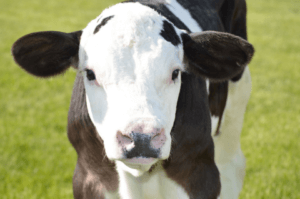
Gene-edited hornless cows

The directive and the Advocate General’s opinion do not define “recombinant nucleic acid molecules,” nor does the opinion explain what it means for a mutagenetic technique to “involve” those molecules.  Does combining nucleotides to create the components of CRISPR-Cas9 complex result in a “recombinant nucleic acid molecule?” Does “recombining” mean the joining of any two pieces of DNA or RNA from the same species, or do they have to be from different species? Does “involve” mean that a “recombinant nucleic acid molecule” has been used at any step in the mutagenesis process, or only that the molecule is in the final product? The Advocate General’s opinion missed the mark by leaving these questions unanswered. Hopefully, the ECJ will not sidestep these questions in its opinion. If it does, policy will have to be determined by EU regulators, or in future court cases.

EU Member States Can Regulate Mutagenetic Organisms Not Covered by the Directive

The Advocate General’s opinion also finds that EU Member States can establish regulatory oversight for organisms created by mutagenesis techniques even if they are exempt from the EU’s GMO directive. This holding could result in a patchwork of different rules throughout Europe, undermining the EU’s single market.  If exempt products pose potential risks, they should be regulated at the EU level.

The Safety of a Mutagenesis Technique and Resulting Products is Irrelevant to its Regulatory Treatment

The Advocate General’s opinion addresses the assertion that safety should be considered when determining whether new molecular gene-editing techniques should be exempt from regulation. The French NGOs and some governments have argued that only “tried and tested” techniques that were found to be safe in 2001 should be exempt.  Other governments have argued that if a mutagenesis technique is “as safe as” a traditional technique, or if it has fewer risks than conventional mutagenesis, it should be exempt. Both sides’ arguments are rejected by Advocate General Bobek’s opinion, which finds that the exemption of a technique does not depend on safety or risk.  While this may be the correct legal interpretation of the directive, the result is a bad policy in which some products are over-regulated while others are under-regulated.

Conclusion

Overall, the Advocate General’s opinion clarifies the scope of the EU’s GMO directive and how to interpret the exemption for mutagenesis techniques.  However, the key question of how that directive applies to new molecular gene-edited products, if at all, remains unanswered, at least until the ECJ weighs in.

Gregory Jaffe is the Director of the Project on Biotechnology for the Center for Science in the Public Interest. Follow him on Twitter @JaffeGregory 

This article was originally posted at the Center for Science in the Public Interest as “European Union Opinion on Gene Editing: Insightful or Missed Opportunity?” and has been republished here with permission.