The special committee is to assess the authorisation procedure for pesticides in the EU and potential failures in how substances are scientifically evaluated and approved.
It will also assess the role of the European Commission in renewing the glyphosate licence and possible conflicts of interest in the approval procedure.
…
Molly Scott Cato MEP, who sits on the European parliament’s agriculture committee, said the decision is a “victory” for Greens in Europe.
…
“Greens have serious concerns about whether the rules have been respected during the decision-making process for glyphosate and why scientific studies demonstrating that glyphosate is dangerous have been ignored,” Ms Cato said.
…
“Secret science is not science: it’s time to shine a spotlight on who is pulling the strings when it comes to authorising these potentially toxic and environmentally damaging products.”
Scientists have discovered a swathe of biochemical regions that look to be deeply involved with the risk factors behind autism spectrum disorder (ASD).
Researchers have identified more than 2,000 of these regulatory regions – markers on top of our DNA that affect how our genetic machinery operates on a functional level – which are involved in learning and strongly associated with ASD.
While we know many cases of ASD are tied to differences in our genetic coding, the findings suggest epigenetic factors affecting non-genetic sequences of DNA could account for the development of the condition in many individuals.
…
[Researcher Lucia] Peixoto and her team experimented with mice that were placed in a box and given a small shock, which conditioned them to associate the box with an unpleasant experience.
…
With a new bioinformatics tool they developed called DEScan (Differential Enrichment Scan), the team identified 2,365 regions which were epigenetically regulated following the mouse’s conditioning. Interestingly, genes near many of these regions are known risk genes for ASD.
…
In the present research, the team analysed a clinical study involving more than 700 children (some 550 of which had autism), and found that one of the regulatory regions they identified in mice – called rs6010065 – is indeed associated with ASD in humans.
A puzzle posed by segments of ‘dark matter’ in genomes — long, winding strands of DNA with no obvious functions — has teased scientists for more than a decade. Now, a team has finally solved the riddle.
…
The results, published…in Cell, might help researchers to better understand neurological diseases such as Alzheimer’s. They also validate the hypotheses of scientists who have speculated that all ultraconserved elements are vital to life — despite the fact that researchers knew very little about their functions.
…
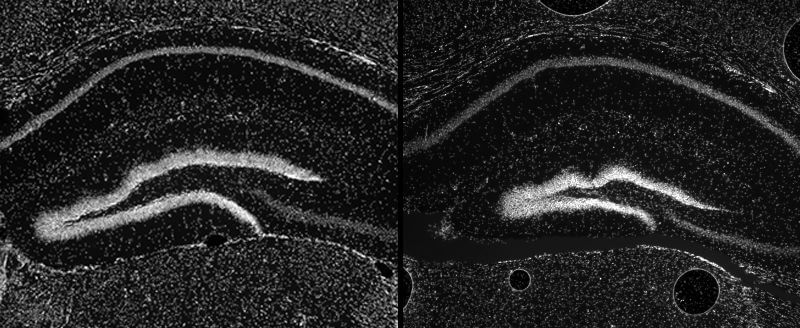
In mice, [researcher Diane Dickel] deleted four ultraconserved elements — individually and in various combinations — that lie within regions of DNA that also contain genes important in brain development. Again, the mice looked okay. But when the investigators dissected the rodents’ brains, they discovered abnormalities.
Mice lacking certain sequences had abnormally low numbers of brain cells that have been implicated in the progression of Alzheimer’s disease. And those with another ultraconserved element edited out had abnormalities in a part of the forebrain that’s involved in memory formation, as well as epilepsy. …
Future studies might explore whether people with Alzheimer’s disease, dementia, epilepsy or other neurological disorders have mutations in these overlooked non-coding sequences. Although the functions of many other ultraconserved sequences remain unknown, [genomicist Gill] Bejerano feels confident that they, too, will prove essential.
A normal part of the mouse forebrain (left) versus a mutated form (right).Credit: D. Dickel et al., Cell 172, 1-9 Jan. 25, 2018. Elsevier Inc. 2017.
[Editor’s note: Read the full study (behind paywall)]
Most consumers don’t know much about it, but for the $50 billion organic marketplace, it’s all about the details.
And the latest changes in those details, known as the National List of Allowed and Prohibited Substances or just the National List, were proposed [Jan. 18] by the National Organic Standards Board (NOSB).
…
[USDA] is proposing to change restrictions on 17 substances allowed in organic production or handling: micronutrients, chlorhexidine, parasiticides, fenbendazole, moxidectin, xylazine, lidocaine, procaine, methionine, excipients, alginic acid, flavors, carnauba wax, chlorine, cellulose, colors and glycerin.
The changes up for public comment also add 16 substances to the National List, meaning organic producers can use them in production and handling: hypochlorous acid, magnesium oxide, squid byproducts, activated charcoal, calcium borogluconate, calcium propionate, injectable vitamins, minerals, electrolytes, kaolin-pectin, mineral oil, propylene glycol, acidified sodium chlorite, zinc sulfate, potassium lactate and sodium lactate.
The proposed rule change would prohibit the use of the botanical pesticide Rotenone in organic crop production.
…
The National List identifies permitted synthetic substances and the unusable nonsynthetic, or so-called natural elements, not usable in organic production. The National List also identifies synthetic, nonsynthetic nonagricultural and nonorganic agricultural materials that may be used in organic handling.
Cancer has been winning the arms race against the immune system for too long, but scientists are developing plenty of new weapons to try to turn the tide. One key technique is to supercharge T-cells – the foot-soldiers of the immune system – to better detect and kill tumors, and a new trial at the Children’s Research Institute has delivered promising results, keeping cases of Hodgkin’s lymphoma at bay for years at a time.
…
The team at the Children’s Research Institute engineered a new type of T-cell. The researchers modified LMP-specific T-cells (LSTs) to express a dominant-negative TGF-β receptor type 2 (DNRII).
…
By expressing DNRII, the engineered T-cells are able to survive in the hostile environment around the tumor and continue their usual seek-and-destroy mission. In this case, they would target proteins associated with the Epstein Barr virus, which the tumors would express.
In the study, the researchers administered the engineered T-cells to eight patients with Epstein Barr-positive Hodgkin’s lymphoma. Doses ranged from two to 12, and the amount in each ranged from 2 x 10⁷ to 1.5 x 10⁸cells/m2. The results were promising, with the treatment working to keep the illness at bay for years. Even better, the technique doesn’t require the unpleasant “pretreatment” of chemotherapy.
…
With only eight subjects, the study may be small, but it’s an encouraging finding nonetheless. The research was published in the Journal of Clinical Oncology.
The debate on Genetically Modified Organisms was recently re-ignited after [Uganda’s] President Yoweri Museveni refused to give his assent to the National Biosafety Act of 2017.
The various debates also showed that most Ugandans have a generally negative attitude towards GMOs and they also mostly refer to them in the context of agriculture.
Many are unaware of the role GMOs play in other aspects of their lives such as the treatment of diseases and the manufacture of medicines.
Dr. Ambrose Agona is the Director General of the National Agricultural Research Organisation. He says that GMOs are already a part of many Ugandans’ lives.
Dr. Agona says every Ugandan who has been immunised and vaccinated against any disease has been exposed to Genetically Modified Organisms.
According to Dr. Agona, the modern biomedical science of making vaccines relies on the same molecular biology tools that are used to create genetically modified organisms.
It is against this background that Agricultural scientists in Uganda found it necessary to apply the same methods to crop and animal husbandry in order to increase disease resistance, enhance crop yields and improve nutritional content.
Read full, original post: Experts warn against discarding Bio-Technology bill
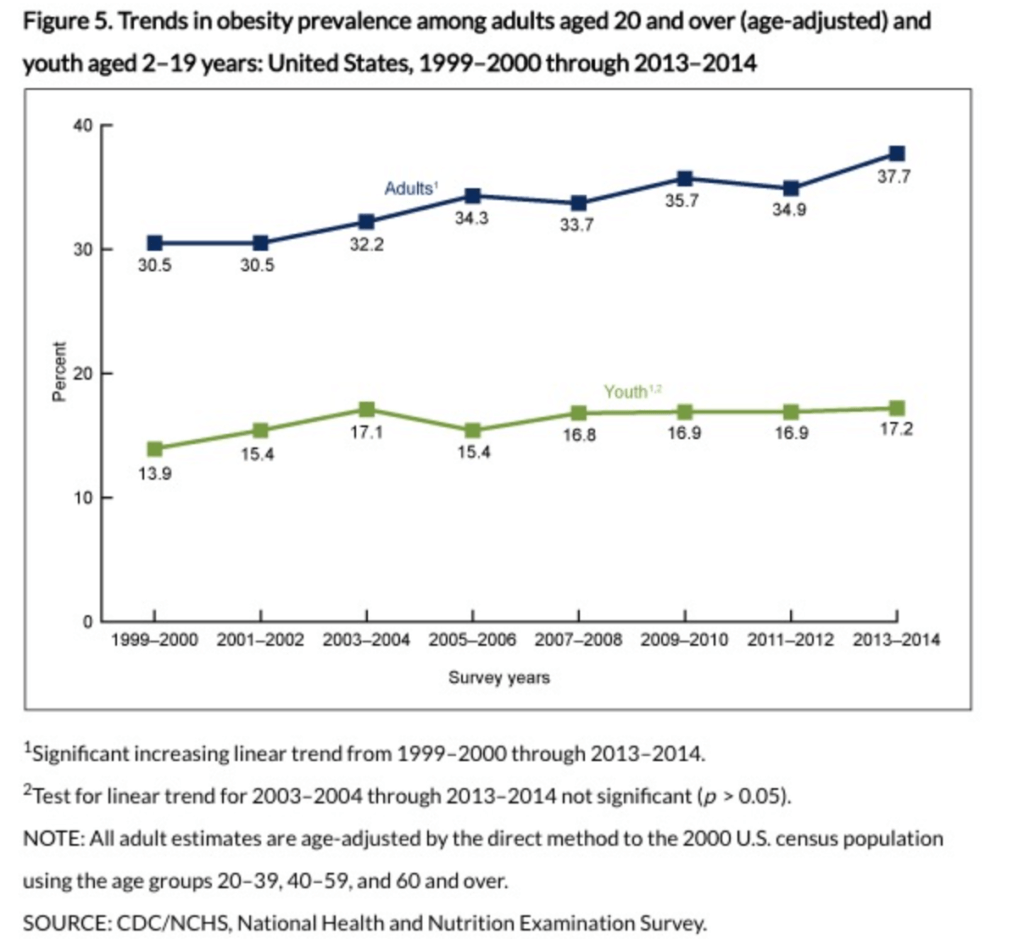
It’s common knowledge that as a country, we’ve been getting fatter for decades. In some states the prevalence of obesity is over 35 percent, as it is in adults over all, as shown in the graphic below.
…
Probably it’s less widely known that there are at least 13 different types of cancer that are associated with overweight (BMI = 25-29.9) and obesity (BMI = or > 30), according to Dr. C. Brooke Steele of the CDC, and colleagues. These include: adenocarcinoma of the esophagus; cancers of the breast [in postmenopausal women], colon and rectum, endometrium, gallbladder, gastric cardia, kidney, liver, ovary, pancreas, and thyroid; meningioma; and multiple myeloma.
These investigators used data from the US Cancer Statistics database for 2014 to determine new cases of such cancers, as well as assessing trends between 2005 and 2014. They reported that approximately 40 percent of cancers diagnosed in 2014 were among those associated with overweight and obesity and affected about 631,000 persons.
…
These data indicate that during the period when many of the risks of overweight and obesity became widely known, both the occurrence of excess body fat as well as associated kinds of cancers were increasing. Clearly, more must be done to target populations at the greatest risk of overweight and obesity; if there is truly a causal link between overweight, obesity and these cancers, then reducing the prevalence of excess avoirdupois could also reduce the incidence of such cancers.
The first human test in the U.S. involving the gene-editing tool CRISPR could begin at any time and will employ the DNA cutting technique in a bid to battle deadly cancers.
Doctors at the University of Pennsylvania say they will use CRISPR to modify human immune cells so that they become expert cancer killers, according to plans posted this week to a directory of ongoing clinical trials.
The study will enroll up to 18 patients fighting three different types of cancer—multiple myeloma, sarcoma, and melanoma.
..
The CRISPR trial, led by doctor Edward Stadtmauer, involves reprogramming a person’s immune cells to find and attack tumors.
…
In the study, doctors will remove people’s blood cells, modify them with CRISPR in the lab, and then infuse them back into the patients.
This outside-the-body approach, called ex vivo gene therapy, is considered less risky than injecting CRISPR directly into a person’s bloodstream, which could cause immune reactions.
A second CRISPR trial that could begin in Europe later this year will also pursue the ex vivo approach. CRISPR Therapeutics, a biotech company based in Cambridge, Massachusetts, asked European regulatory authorities in December for permission to try to cure beta thalassemia, a blood disorder, by making a genetic tweak to people’s blood cells.
The U.S. Food and Drug Administration (FDA) has declared a genetically modified strain of rice to be commercially viable, but the Chinese researchers who developed it say large-scale production is not yet possible due to a lack of policy at home.
In a Jan. 11 email to Huazhong Agricultural University in Wuhan, capital of central Hubei province, the FDA said that Huahui No. 1, a strain of rice genetically engineered by scientists at the university to resist pests, “does not raise issues that would require premarket review of approval by the FDA,” according to a Monday report by state media outlet Science and Technology Daily. The FDA’s announcement was also published on its official website.
To the researchers, this a huge step — but only in theory. “It means that we could now sell this strain of rice on the U.S. market,” Lin Yongjun, a member of the Huazhong Agricultural University research team, told Sixth Tone. But Lin explained that for now at least, the plants cannot be sold to the U.S. because production is impossible in China.
As the world’s largest producer and consumer of rice, China encourages experimentation and innovation when it comes to developing hybrid varieties but blocks commercialization of genetically modified strains. According to Lin, the point of applying for recognition from the FDA is to encourage regulators in China to reconsider policy.
Large corporations producing genetically modified seeds dominate the debate, with activists questioning their motives and whether they have the ability to achieve social good while making a profit. But the technology to produce GMOs is becoming increasingly cheaper and democratized, opening the door to new plant varieties that are in the hands of the public, not just companies.
The arguments of both Greenpeace and Fairtrade against GMOs are similar — the risks that GMOs pose are still unknown, and they may have unforeseeable environmental, social, and health impacts.
…
And there are social impacts, the groups argue, especially on the world’s poorest communities.
…
According to Juliet Perry, from Greenpeace’s Asia Pacific Communications Hub, the promotion of GMO crops represents a corporate takeover of food systems with six corporations —Monsanto, DuPont,Dow, Syngenta, Bayer, and BASF — now controlling 75 percent of the world pesticides market, 63 percent of the commercial seed market, and more than 75 percent of all private sector research into seeds and pesticides.
Read full, original post: Understanding the continued opposition to GMOs
Major advances in DNA-sequencing technology and its commercial development have driven down the time and cost of sequencing a human genome. In 2018, we will at last start to understand the commercial, clinical, regulatory, ethical and legal issues unlocked by the Human Genome Project.
…
[A]side from the cost of professional analysis and interpretation, there’s the issue of storing all this information.
Current low-cost cloud-based storage is available for £0.004 per gigabyte per month. Sounds cheap, right? But sequencing a single tumour creates about two terabytes of data, so a lab doing just 1,000 cases a year would have to spend around £96,000 annually. Further, readily accessible secure cloud storage that meets regulatory requirements costs much more, and these data storage costs are cumulative – thus, our hypothetical sequencing lab might be spending more than £1 million annually after five years.
Healthcare workers will need this information widely available if precision medicine is to work. The data must be scalable, harmonised, and above all available not only to physicians and patients, but to scientists and clinical investigators if we are to continue to learn about the human genome. In 2018, we will work out how we can handle it, store it, share it and make the best use of it.
A project begun nearly 15 years ago is finally coming to fruition, as Nigeria is poised to become the first country to release a genetically modified variety of insect-resistant cowpeas to farmers.
“The cowpea growers have been very supportive. They like the GM crop. They have seen it perform and they are ready to grow it,” Issoufou Kollo Abdourhamane, the project’s manager at the African Agricultural Technology Foundation (AATF), told me.
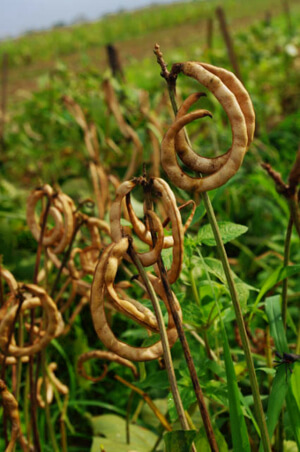
Matured cowpea pods ready for harvesting. (Source: IITA)
Cowpeas, known as black-eyed peas in the United States, are a key source of protein for over 200 million people, mostly in West Africa. However, the destructive pod borer insect can cause yield losses of up to 80 percent, and conventional breeding methods have been unable to help.
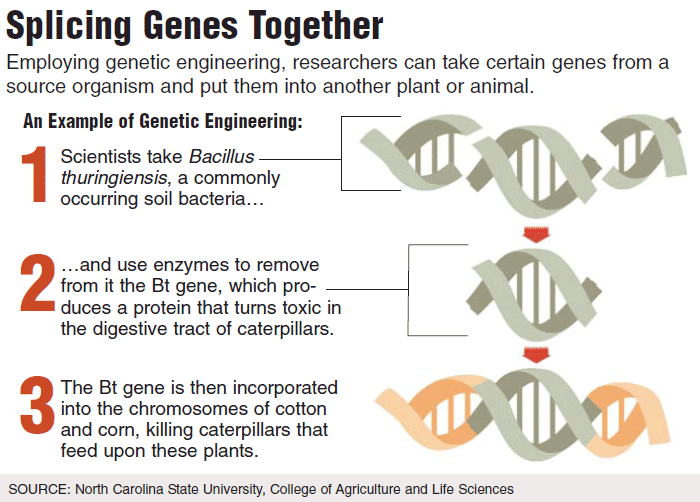
The GMO crop has shown strong resistance to the pest in field trials so far. Scientists used genetic engineering to insert a single gene from Bacillus thuringiensis (Bt), a soil bacterium commonly used as an approved natural insecticide and sprayed on crops by organic farmers.
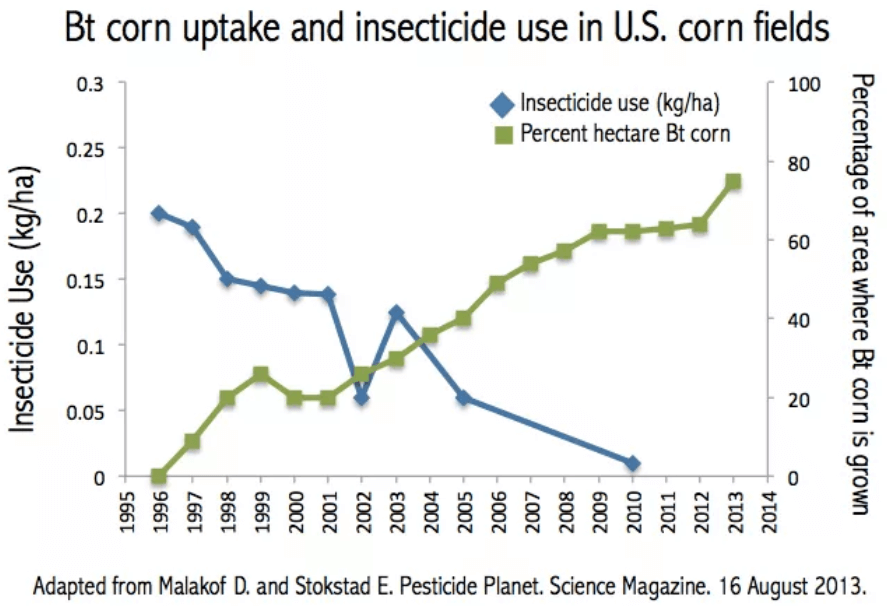
Several crops now utilize the Bt technology to protect against insects, including corn and soybeans in the US, cotton in the US and India, and eggplant in Bangladesh. Monsanto developed the first Bt crop, corn, in 1996. Today, over 75 percent of the corn grown in the US is Bt.
The intellectual property for the Bt gene was provided by Monsanto to the project royalty-free. This, along with initial funding from the Rockefeller Foundation and sustained funding for the past decade from the US government’s Agency for International Development (USAID), will allow the seeds to be distributed to farmers at no cost. Monsanto has also provided Bt traits royalty-free for other development projects, such as eggplant in Bangladesh and corn in Africa.
“There is a widespread belief that only large biotechnology companies can deliver valuable transgenic crops to smallholder farmers,” said Stephen Long, a crop scientist at the University of Illinois. “This public sector collaboration between Australia, Nigeria, and other West African countries shows that with modest support these technologies can reach some of the least well-off farmers in the world.”
Click image to enlarge
Nigeria, which has been conducting field trials of the Bt cowpeas since 2009, is expected to approve the crop this year, which would be its first GMO food crop. The country passed a law governing agricultural biotechnology in 2015. Ghana and Burkina Faso are currently conducting field trials of the cowpeas, and scientists there hope farmers will have access to the seeds in a few years.
“Farmers have shown a lot of appreciation at the results they see during field days and are always asking us when they can have seeds to plant on their fields,” explained Mumuni Abudulai, one of the scientists working on the project in Ghana.
“If we can get a 15-20 percent increase in grain yield in cowpea then this would have a major impact on food and nutritional security in Africa,” said T.J. Higgins, a research scientist who helped develop the Bt cowpea at Australia’s Commonwealth Scientific and Industrial Research Organisation (CSIRO). He estimates that the GMO variety will increase the average farmers’ yields from around 700 kilograms (~1,540 pounds) per hectare to closer to one tonne (~2,205 pounds). (One hectare is a little less than 2.5 acres.)
Reduced pesticide use
“No farmer cultivates cowpea without insecticides in Ghana. He will harvest nothing,” Abudulai said.
Click image to enlarge
With built-in protection against insects, Bt crops have been shown to decrease the need for pesticide spraying. Bt genes are able to selectively target certain insect pests, including the pod borer, without affecting beneficial insects.
“This means that instead of spraying between six to eight times while growing cowpea in order to get good yield, with only about two sprays the farmer can get as much yield,” Mahammad Ishiyaku, the project’s principal investigator in Nigeria, told the Cornell Alliance for Science.
The reduction in insecticide use will also benefit farmers economically. Instead of six to eight liters per hectare, farmers will only need two to three liters, saving them roughly $5,400 Nigerian naira (about $15 US dollars), per hectare. If just 1 million of the 3 million hectares of cowpea in Nigeria are converted to the GMO variety, the country’s farmers would save an estimated $16.2 billion naira ($45.2 million USD) annually on the cost of insecticides. Additionally, the new seeds are expected to increase yields 20 percent, which could provide an economic boost of $48 billion naira ($133.9 million USD) annually.
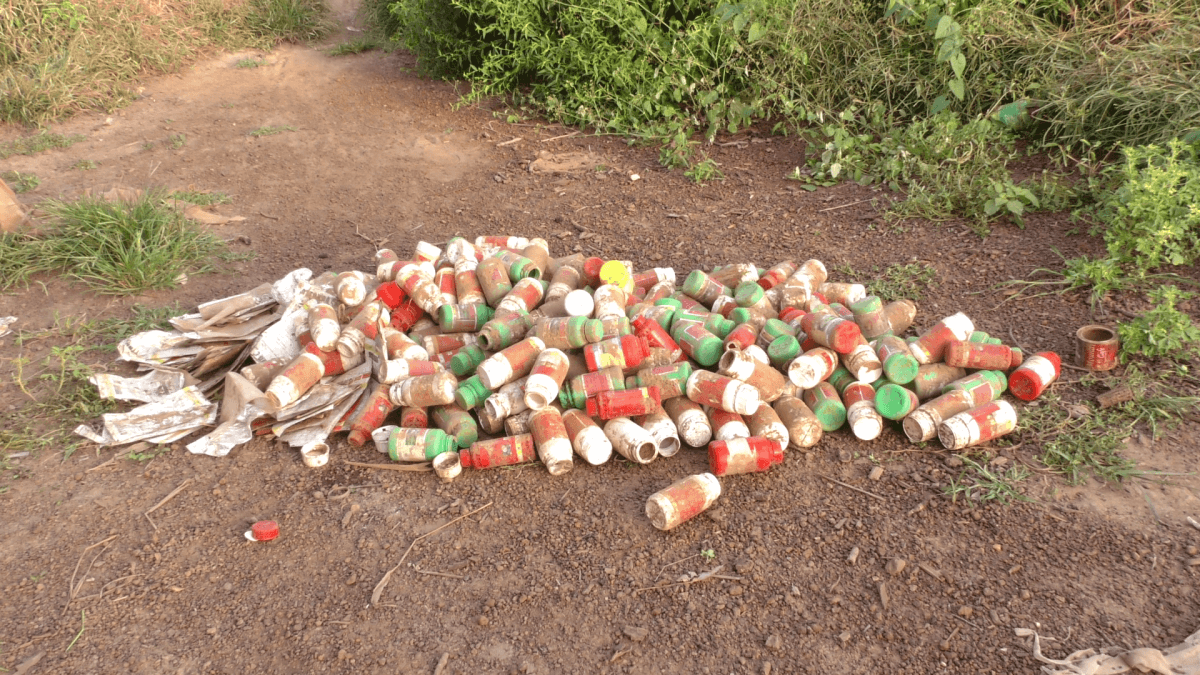
Empty pesticide bottles near a cotton field in Burkina Faso. (Source: Joseph Opoku Gakpo/Cornell Alliance for Science)
Historically, pesticides were difficult to get and expensive for farmers in West Africa, but they’re becoming more widespread due to an influx of cheap imports. However, insecticides are often sold to farmers in soda bottles, with little or no training on how to use them safely and effectively.
“When people can afford them they tend to overspray,” said a USAID official who asked not to be identified. “Removing potentially toxic pesticides from the equation is a good thing.”
Trials and tribulations
A crucial element of the project has been crossing the Bt cowpea strain that Australian scientists developed with local varieties that are adapted to the area’s conditions and farmers’ preferences. Government breeders in West Africa have been working for years, with much success, to improve local cowpea varieties via conventional methods in order to increase yield, drought-tolerance and other important variables.
“The real heroes of this are the breeders and the entomologists in Africa,” Higgins, the Australian scientist, professed. “They’re the ones who keep me motivated, because of their need for this technology.”
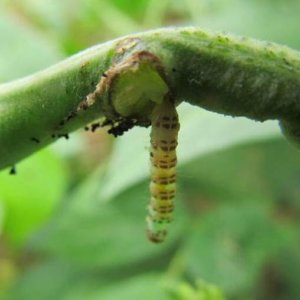
Pod borer (Source: IITA)
The variety that Nigerian farmers hope to have access to in 2018 will contain the Cry1Ab gene, but researchers are working on adding more Bt traits to help protect against the possibility that the pod borer could evolve resistance to the single gene. They’ve already developed a variety with both the Cry1Ab gene and a second Bt gene, Cry2Ab, and are currently working on a third, Vip3Ba. However, Higgins doesn’t anticipate the pest will develop resistance for at least 15 to 20 years, if at all, and is confident they’ll be able to get cowpea varieties with three or more “stacked” insect-resistant traits to farmers soon.
Field trials of biotech crops in West Africa are required to be protected by fences and guards at all times. Part of the justification is to protect the crop against potential vandalism from anti-GMO activists, as has happened in other parts of the world. A more pressing reason in West Africa, however, is that the government and researchers worry that if nearby farmers see how well the crop is doing, they’ll rush in and take the plants for themselves, thus ruining the field trial.
“The field would be bare,” the USAID official said. “As soon as the farmer sees what this technology does, the next question is ‘where do I get it?’ The argument is over at that stage.”
Several of the West African scientists I talked to were frustrated by the efforts of anti-GMO activists in their countries to demonize biotech crops. They suspect many of the activists are funded by environmental non-governmental organizations based in the US and Europe, such as Greenpeace and Friends of the Earth.
“It is very frustrating to us. It is frustrating for science. Nigerians are working for foreign organizations to deny a good product to their own people. And this is based not on scientific fact but on manufactured lies. Totally made up. No scientific base. It is tragic and frustrating,” said Abdourhamane, the AATF researcher.
“More needs to be done to make people understand what is behind GM crops,” said Batieno Benoît Joseph, a cowpea breeder in Burkina Faso. “People still have in their minds that GM crops are monsters.”
The USAID official said anti-GMO activists in the US and Africa have a lot in common, and that both are often exposed to misleading information about biotechnology by way of popular media.
“Most of the opposition you get are from well-fed people in cities watching TV. They don’t understand what agriculture is like. They haven’t ever been to a farm or lived on a farm. They don’t understand the constraints that farmers have,” the official said. “It’s just something you have to deal with.”
US funding and support
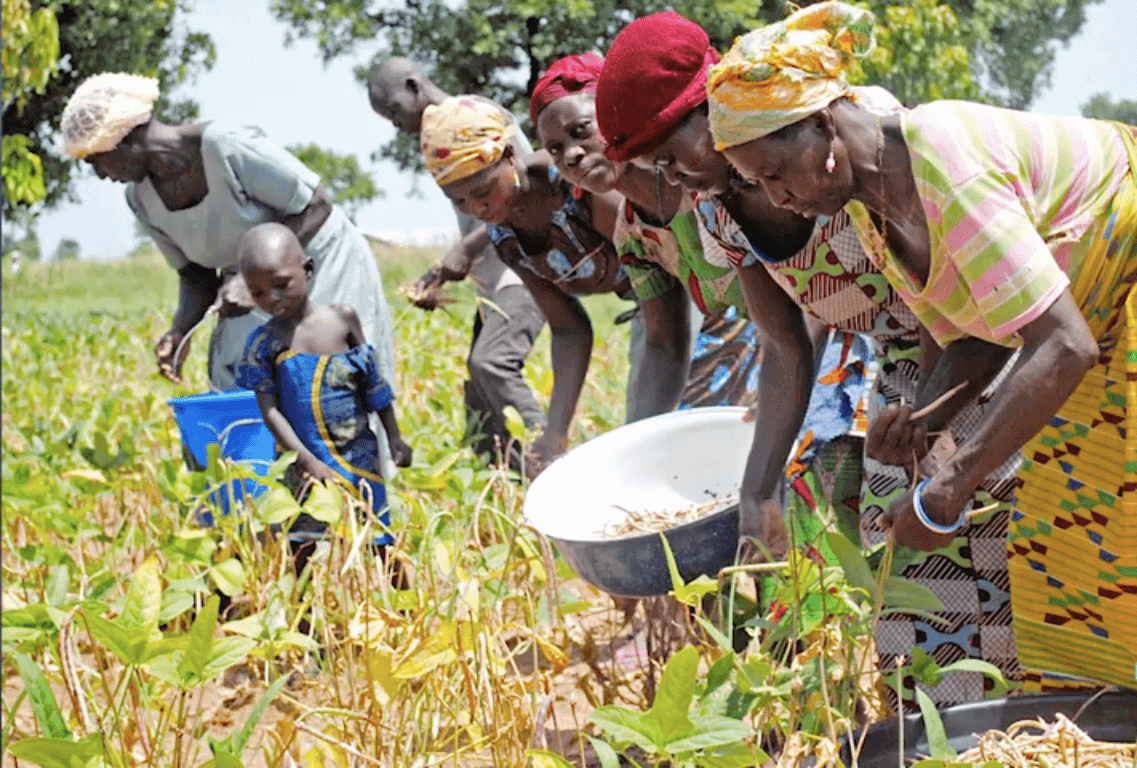
For USAID, the cowpea is a strategically important crop in the fight against extreme poverty in West Africa. Despite the fact that farmers comprise more than half of the population of Africa, the continent imports around $35 billion worth of food annually. Despite this, roughly 40 percent of children in sub-Saharan Africa suffer from malnutrition.
“We convinced the leadership at Monsanto that this would be a good thing to do,” said the USAID official, who worked at Monsanto at the time. “It was a problem that we knew how to fix as scientists, and there was a group of people who needed it.”
“I really admire the USAID and the African Agricultural Technology Foundation (AATF) for their sustained support for the project,” said Higgins, the Australian researcher. “It really does require a visionary view of the world to look at a project like that, which [was] definitely going to take ten to 15 years to get to the farmers.”
USAID currently funds over a dozen biotech crop projects, according to the USAID official, ranging from vitamin-A enhanced rice in the Philippines to blight-resistant potatoes in Uganda.
“We basically align a technology to a need,” said the USAID official, who called genetically engineered crops a “science-based tool” to combat poverty. “In this case, there was no other mechanism to control this pest efficiently, and biotechnology happened to be one that could do it very effectively.”
“There will be more biotech projects,” the official continued. “There’s no doubt about it.”
Paul McDivitt is a science and environmental writer based in St. Paul, Minnesota. He has a Master’s in environmental journalism from the University of Colorado. Follow him on Twitter @PaulMcDivitt
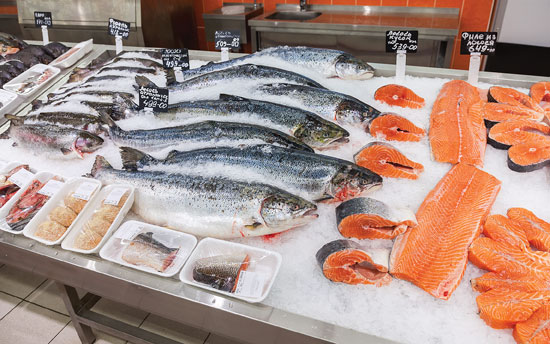
A trivia question for American food shoppers: AquAdvantage, the genetically engineered Atlantic salmon being sold in Canada, is available in how many U.S. supermarkets?
The answer is none, despite being approved as safe to eat by the U.S. Food and Drug Administration in late 2015, the first GE animal to be so approved. In fact, the fast-growing transgenic Atlantic salmon won’t make its way to U.S. stores and restaurants for nearly two years, perhaps longer, said Dave Conley, spokesman for AquaBounty Technologies.
…
However, wild salmon is a big Alaskan home industry, and Sen. Lisa Murkowski, R-Alaska, didn’t like GMO salmon competing with her state’s wild catch. She and other Alaskan officials got Congress to hold up sale of the fish in the U.S., forcing FDA to block AquAdvantage imports until the agency issues new regulations to indicate “genetically modified” on food labels. FDA is mandated to issue that regulation by late July but has not indicated when to expect the rules.
AquaBounty expects to comply with FDA requirements, Conley said, but is waiting to see just what the labeling rules will be.
Sticks are probably where the story of craft begins—the point at which our very distant ancestors progressed from animalistic existences to lives materially enhanced by the objects around them. The transition is most notoriously depicted in the “Dawn of Man” sequence in Stanley Kubrick’s 2001: A Space Odyssey when, in a moment of epiphany, an ape holds aloft the bone he has just used to pulverize to death the leader of a rival tribe before casting it up into the sky.
…
Wooden sticks present an even more challenging situation by virtue of the fact that, unless suspended in the extreme environmental conditions of desiccation or saturation, they decompose and turn to dust. Stones, on the other hand, survive the ravages of time and make it abundantly clear to us when they have been refashioned or altered by the human hand.
…
Hafting—the technological capacity to attach a stick to a stone—really is the point at which craft becomes cemented as an evolutionary option for the human species. The composite tool or utensil was born, and with it the capacity to make at a much more advanced level than before. That seminal moment of creating a weapon or tool is, in my opinion, a crucial coming together. It is an event that signals a new dawn in human technical advancement—effectively the creation of an extended limb—and one that is certainly well developed by the Mesolithic.
The fledgling cannabis industry is full of wide-eyed claims about what pot can do. Outperform your favorite energy drink? Maybe. Cure cancer? Worth a try. The biggest believers and entrepreneurs make the plant sound almost magical. Now one startup, [Sunrise Genetics] has the key to keep the science from the hype: the first-ever full map of the cannabis genome.
…
A deeper understanding of genetics means companies will be able to figure out which parts of cannabis’s makeup drive different functions, making it easier to test for strain continuity and breed plants more quickly and effectively. [CEO CJ] Schwartz said the genome research can allow for more targeted recreational products by specifying exactly how a product might affect the body or mind, for instance by making a consumer feel tired or energized.
But knowledge of the full genome itself, which will be presented for the first time at the Plant and Animal Genome Conference in San Diego on January 17, also opens the door to the prospect of making good on some of the loftier possibilities for legal marijuana. A cannabis-based energy drink or sleepy-time tea could be on the horizon. Research aided by the genome map might identify potential cannabis-based medicine for further testing, bringing about a marijuana-derived painkiller or alternative to Viagra.
Editor’s note: Gary Brester is a professor of agricultural economics at Montana State University
Some have questioned whether GM crops have been responsible for increased crop yields. Comparing US yields to European Union yields (where GM crops are banned) provides evidence that GM technologies have increased crop yields…Banning yield-enhancing technologies means that food crop production will be lower than would otherwise be the case, and more water, land, and other inputs will be needed to increase global food production.
…
A recent New York Times article by Danny Hakim titled “Doubts About the Promised Bounty of Genetically Modified Crops” discussed the impact of GM crops in the United States and Canada by comparing crop yield outcomes in those countries with outcomes in the European Union, which has banned GM technologies. Hakim asserts that although the United States has been using GM crops for two decades, yield trends between the two regions have not changed. Several other reports appear to echo similar concerns about an apparent lack of GM technology benefits. However, those assertions run counter to research that indicates GM technologies can increase yields through increased plant populations and reduced rotational impacts at the lower end of yield distributions, as well as improved pest control.
A century after one of history’s most catastrophic disease outbreaks, scientists are rethinking how to guard against another super-flu like the 1918 influenza that killed tens of millions as it swept the globe.
…
But researchers hope they’re finally closing in on stronger flu shots, ways to boost much-needed protection against ordinary winter influenza and guard against future pandemics at the same time.
“We have to do better and by better, we mean a universal flu vaccine. A vaccine that is going to protect you against essentially all, or most, strains of flu,” said Dr. Anthony Fauci of the National Institutes of Health.
…
Among the new strategies: Researchers are dissecting the cloak that disguises influenza as it sneaks past the immune system, and finding some rare targets that stay the same from strain to strain, year to year.
…
Scientists now think people respond differently to vaccination based on their flu history. “Perhaps we recognize best the first flu we ever see,” said NIH immunologist Adrian McDermott.
The idea is that your immune system is imprinted with that first strain and may not respond as well to a vaccine against another.
…
“[I]t’s folly to predict” what a next pandemic might bring, Fauci said. “We just need to be prepared.”
Dicamba-tolerant canola is coming and so is a triple-threat soybean, resistant to glyphosate, dicamba and glufosinate.
That’s just some of what’s in Monsanto’s crop and weed-control pipeline, Robb Fraley, the seed and pesticide giant’s executive vice-president and chief technology officer told reporters during a conference call Jan. 4.
…
Triple-stacked soybeans will hit fields sooner than dicamba-tolerant canola, Fraley said.
“Depending on the final regulatory approvals we should launch in the next two to three years,” he said about the new soybeans….
…
New, precise, gene editing techniques can increase crop yields and research efficiency, Fraley said.
CRISPR is one that has made headlines, but new editing tools are being developed almost weekly, he said. Monsanto has been making deals with some of the developers, including the Broad Institute in Cambridge, Mass., to get access to them.
…
Gene edited plants should go through the regulatory process faster than those with foreign genes, but they’re still going to require six or seven years of plant breeding and seed production, Fraley said.
“I think those first-generation products really will represent a combination of breeding traits, biotech traits, gene edited traits, because that’s what’s going to give farmers the benefits and features that are important in their operation,” he said.
Read full, original post: Monsanto highlights research pipeline for canola, soybeans
Advances in neural implants and genetic engineering suggest that in the not–too–distant future we may be able to boost human intelligence. If that’s true, could we—and should we—bring our animal cousins along for the ride?
…
There’s already tantalizing evidence of the idea’s feasibility. As detailed in BBC Future, a group from MIT found that mice that were genetically engineered to express the human FOXP2 gene linked to learning and speech processing picked up maze routes faster. Another group at Wake Forest University studying Alzheimer’s found that neural implants could boost rhesus monkeys’ scores on intelligence tests.
The concept of “animal uplift” is most famously depicted in the Planet of the Apes movie series, whose planet–conquering protagonists are likely to put most people off the idea.
…
[D]eveloping the technology to uplift animals will likely require lots of very invasive animal research that will cause huge suffering to the animals it purports to help. This is problematic enough with normal animals, but could be even more morally dubious when applied to ones whose cognitive capacities have been enhanced.
…
We’re already likely to face considerable competition from smart machines in the coming decades if you believe the hype around AI. So maybe adding a few more intelligent species to the mix isn’t the best idea.











 US funding and support