7 ways biotechnology could change our lives in 2019

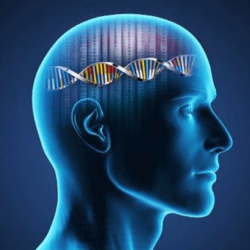
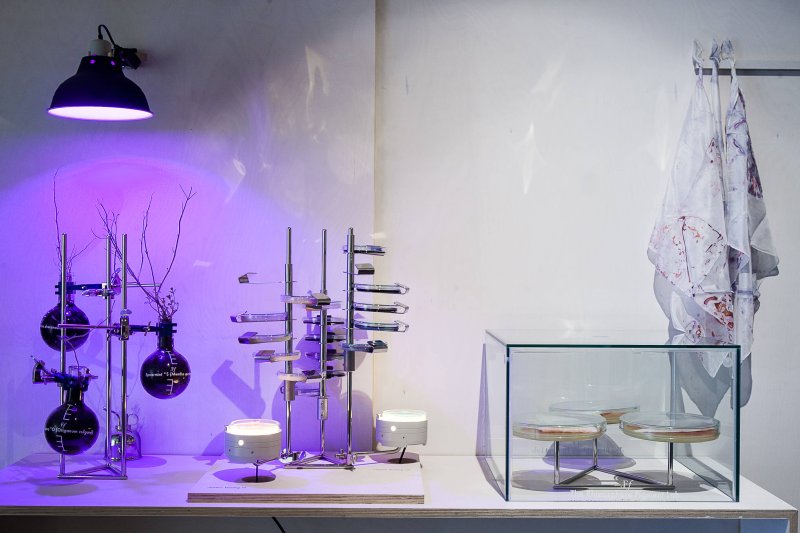
faber futures by natsai chieza as part of grow your own at science gallery sciencegallery com
Image credit: Natsai Chieza/Faber Futures

[Editor’s note: Key researchers and scientists were asked for their thoughts on 2019.] 

Gene editing, food innovation, and synthetic biology are poised to dramatically reshape our concept of what it means to be human.

Feng Zhang, Broad Institute of MIT and Harvard

“There are really exciting advances in three areas. The first area is CRISPR-based medicine. Clinical trials are beginning and drug developers are now testing CRISPR in the context of blood diseases, like sickle cell, and also testing it in the eye to treat blindness. There is also work that’s moving quite quickly to apply CRISPR in cancer treatments.”

David Sinclair, director of Harvard’s Center for the Biology of Aging
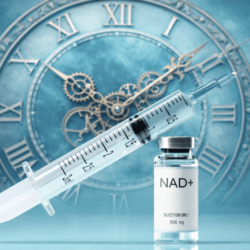
“[In my lab] we’ve been working on the molecule NAD. We published in Cell in March that by raising NAD levels we could rapidly reverse many aspects of aging in mice. [We gave] old mice the ability to run like young mice again and actually out-compete young mice.”

Natsai Chieza, founder of Faber Futures, a biodesign lab

“I’m excited to see the circular economy become part of the conversation in synthetic biology this year. There’s huge potential for biology to offer better alternatives to the current system of production and manufacturing. Creating new materials is the macro aspect, but biology can also help to repurpose materials, or create sustainable chemicals that are used in the processing of materials.”

Read full, original post: 7 Big Biotech Ideas for 2019

{{ reviewsTotal }}{{ options.labels.singularReviewCountLabel }}
{{ reviewsTotal }}{{ options.labels.pluralReviewCountLabel }}
{{ options.labels.newReviewButton }}
{{ userData.canReview.message }}

Related Articles

Infographic: Global regulatory and health research agencies on whether glyphosate causes cancer

Infographic: Global regulatory and health research agencies on whether glyphosate causes cancer

Does glyphosate—the world's most heavily-used herbicide—pose serious harm to humans? Is it carcinogenic? Those issues are of both legal and ...

Most Popular

Screenshot 2026-05-06 at 2.56
Singularity crisis ahead? Can super babies save us from rogue AI geniuses?
Screenshot-2026-05-01-at-1.29.41-PM
Viewpoint: What happens when whole grains meet modern food manufacturing? Labels don’t tell the whole story.
Screenshot-2026-03-13-at-12.14.04-PM
The FDA wants to make many popular prescription drugs OTC—a great idea. Here’s why it’s unlikely to happen
Screenshot-2026-05-01-at-11.56.24-AM
‘Science moves forward when people are willing to think differently’: Memories of DNA maverick Craig Venter
S
As vaccine rejectionism spreads, measles may be taking a more dangerous turn
Screenshot-2026-04-20-at-2.26.27-PM
Viewpoint — Food-fear world: The latest activist scientists campaign: Cancer-causing additives
Screenshot-2026-04-03-at-11.15.51-AM
Paraben panic: How a flawed study, media hype, and chemophobia convinced the public of the danger of one of the safest classes of preservatives
Screenshot-2026-05-06-at-2.07.43-PM
Manufacturing a conspiracy: The timeline of how  the White House embraced the fringe claim that scientists are being mysteriously murdered
images
The never-ending GMO debate: Pros and cons
Screenshot-2026-04-30-at-2.19.37-PM
5 myths about summer dehydration that could damage your health — or even kill you
Screenshot-2026-04-12-135256
Bixonimania: The fake disease scam that AI swallowed whole
glp menu logo outlined

Get news on human & agricultural genetics and biotechnology delivered to your inbox.