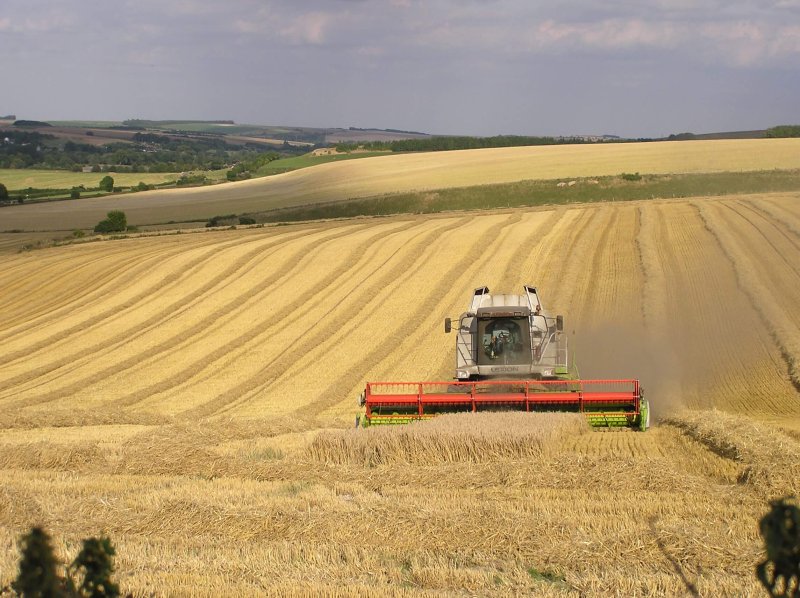
Gene editing can bring clear benefits to the UK food and farming industry as UK agricultural moves through its fourth revolution.
But confusing gene editing with genetic modification was dangerous, speakers at both the Oxford Farming Conference (OFC) and the Oxford Real Farming Conference (ORFC) heard.
US-based communication specialist Julie Borlaug, whose grandfather Norman Borlaug was a Nobel prize winning plant breeder, said: “Firstly we have to make sure GMOs…and gene editing are not in the same playbook.
“They are very different and should not be conflated in debate. If we want to make progress we have to embrace gene editing and we have to take it to the farmer or it will not work.”
…
Defra Secretary Michael Gove said agriculture was facing its fourth revolution and told both conferences that gene editing holds out the promise of accelerating the gains secured through selective breeding in the past.

Speaking at the ORFC he said: “It is about embracing some technologies people in this room would be suspicious of [gene editing]….
…
Speaking about gene editing at the OFC, Prof Cristobal Uauy, project leader in crop genetics at John Innes, added: “We need proportionate science based regulation to promote innovation that allows this science to get to your farms.”
Ms Bourlag called on the industry to raise its level of communications in order to beat the ‘anti-science lobby’s messaging’.
Read full, original article: ‘Gene editing can bring clear benefits to UK food and farming industry’