Plaintiffs may struggle to prove Roundup causes cancer in upcoming glyphosate trials

YostLawRoundupPAge
Credit: Yost Legal Group

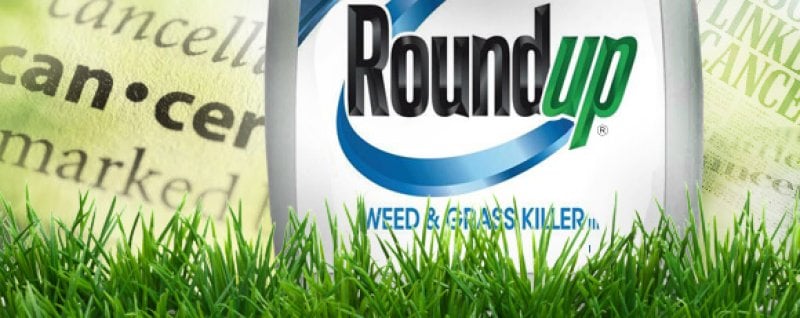
Bayer’s Monsanto is facing thousands of lawsuits from plaintiffs claiming exposure to glyphosate gave them cancer. Last August, a jury handed Dewayne Johnson a huge victory when it awarded him millions of dollars for his claims. The verdict was perplexing because all the independent evidence available disproves a link between the herbicide and cancer.

But the next trial will be different.

U.S. District Judge Vince Chhabria granted Monsanto’s motion to bifurcate the trial. That is, he agreed to split the trial into two phases. Plaintiff Edward Hardeman will first need to prove that glyphosate causes cancer. Only then will he be allowed to present evidence that Monsanto tried to interfere with regulations and intimidate scientists.

It’s incredibly likely that Johnson’s jury was swayed by….Monsanto’s alleged misconduct. Hardeman’s attorneys have presented that same evidence to Judge Chhabria. And Judge Chhabria realized the statements were taken out of context and distorted….So he’s making Hardeman prove the most important part of his claim first: the science.

Read full, original article: Federal Judge Agrees to Limit Evidence in the Next Round-Up Trial

{{ reviewsTotal }}{{ options.labels.singularReviewCountLabel }}
{{ reviewsTotal }}{{ options.labels.pluralReviewCountLabel }}
{{ options.labels.newReviewButton }}
{{ userData.canReview.message }}

Related Articles

Infographic: Global regulatory and health research agencies on whether glyphosate causes cancer

Infographic: Global regulatory and health research agencies on whether glyphosate causes cancer

Does glyphosate—the world's most heavily-used herbicide—pose serious harm to humans? Is it carcinogenic? Those issues are of both legal and ...

Most Popular

Screenshot-2026-04-20-at-2.26.27-PM
Viewpoint — Food-fear world: The latest activist scientists campaign: Cancer-causing additives
Screenshot-2026-03-13-at-12.14.04-PM
The FDA wants to make many popular prescription drugs OTC—a great idea. Here’s why it’s unlikely to happen
ChatGPT-Image-May-1-2026-02_20_13-PM
How RFK, Jr.’s false vaccine claims are holding up $600 million to fight diseases in poor countries
Screenshot-2026-05-01-at-11.56.24-AM
‘Science moves forward when people are willing to think differently’: Memories of DNA maverick Craig Venter
Screenshot-2026-04-03-at-11.15.51-AM
Paraben panic: How a flawed study, media hype, and chemophobia convinced the public of the danger of one of the safest classes of preservatives
viva-la-vida-watermelons
Misinformation and climate change are endangering summer watermelons
Screenshot-2026-04-30-at-2.19.37-PM
5 myths about summer dehydration that could damage your health — or even kill you
ChatGPT-Image-Mar-27-2026-11_27_05-AM
The myths of “process”: What science says about the “dangers’ of synthetic products and ultra-processed foods
ChatGPT-Image-Mar-10-2026-01_39_01-PM
Viewpoint—“Miracle molecule” debunked: Why acemannan supplements don’t work
Drinking lots of water can help reduce the effects of aging
Nanoplastics in drinking water: MAHA activists forge science-based bipartisan coalition 
Screenshot-2026-05-04-at-12.54.32-PM
How Utah became the country’s supplement capital  — and a haven for unregulated, ineffective and fake products
79d03212-2508-45d0-b427-8e9743ff6432
Viewpoint: The Casey Means hustle—Wellness woo opportunism dressed up as medical wisdom
circular-bioeconomy-should-focus-on-sustainable-wellbeing
GLP podcast: What's wrong with 'doomsday' environmentalism? It's false.

Sorry. No data so far.

glp menu logo outlined

Get news on human & agricultural genetics and biotechnology delivered to your inbox.