CRISPR-edited plants aren’t GMOs—and 4 other essential facts about gene editing

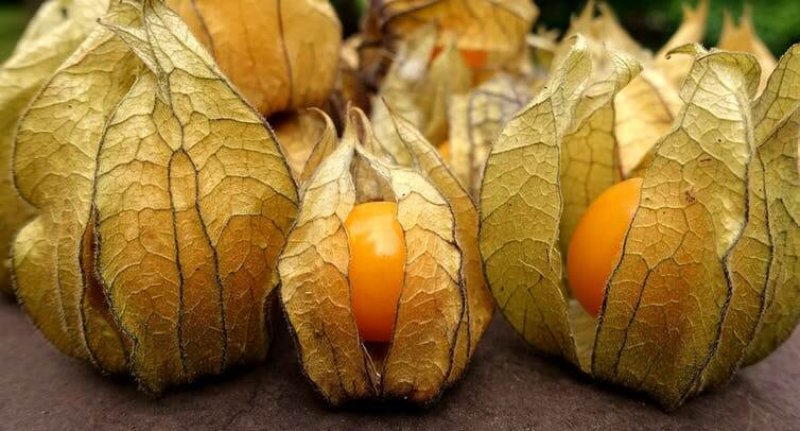
Gene-edited Ground cherry could be a new berry crop. Image: Pixabay/Alexas_fotos

If you’ve been stunned by all the alarming reports of gene-edited babies, you might have the impression that the only purpose of CRISPR, the genetic technology that enables biologists to edit DNA, is meddling with the human genome.

Over the last year of covering CRISPR applications, I’ve come to recognize that a better reflection of the gene-editing technology’s promise is visible in the labs of scientists creating new varieties of plants.

  1. CRISPR AND CROPS

Given all the controversy associated with genetically modified crops, you might be wondering whether CRISPR is any different. Plant geneticist Yi Li from the University of Connecticut argued that CRISPR’s precision makes it different from GMOs because no foreign genes from other species are added to the plant. Li used CRISPR to engineer citrus trees that are resistant to the greening disease Huanglongbing, which has devastated citrus crops in Florida and other parts of the world.

2. CRISPR AND ORGANIC FARMING

Plant pathologist Rebecca Mackelprang of the University of California, Berkeley suggests that some forms of CRISPR editing mimic naturally occurring genetic mutations that arise spontaneously in nature, which means this biotechnology can actually help meet the goals of organic farming. Furthermore she explains how CRISPR is a way for academic researchers to enter the world dominated by Big Ag.

Read full, original article: CRISPR isn’t just for editing human embryos, it also works for plants and bugs: 5 essential reads


{{ reviewsTotal }}{{ options.labels.singularReviewCountLabel }}
{{ reviewsTotal }}{{ options.labels.pluralReviewCountLabel }}
{{ options.labels.newReviewButton }}
{{ userData.canReview.message }}

Related Articles

Infographic: Global regulatory and health research agencies on whether glyphosate causes cancer

Infographic: Global regulatory and health research agencies on whether glyphosate causes cancer

Does glyphosate—the world's most heavily-used herbicide—pose serious harm to humans? Is it carcinogenic? Those issues are of both legal and ...

Most Popular

Screenshot-PM-24
Viewpoint: The herbicide glyphosate isn’t perfect. Banning it would be far worse.
79d03212-2508-45d0-b427-8e9743ff6432
Viewpoint: The Casey Means hustle—Wellness woo opportunism dressed up as medical wisdom
d-b
Blocked arteries, kidney stones, nausea, constipation, fatigue: Long list of health problems caused by too much vitamin D 
ChatGPT-Image-Mar-10-2026-01_39_01-PM
Viewpoint—“Miracle molecule” debunked: Why acemannan supplements don’t work
ChatGPT-Image-Apr-30-2026-05_00_48-PM
Wellness grifter physician turned wellness influencer out as surgeon general nominee
Screenshot-2026-04-30-at-11.33.46-AM
Anti-seed-oil to anti-vax pipeline: MAHA movement spreads to teen influencers
lab grown meat research kelly schultz lehighuniversity main
Profiles of the 10 top global cultured meat companies
ChatGPT-Image-Mar-27-2026-11_27_05-AM
The myths of “process”: What science says about the “dangers’ of synthetic products and ultra-processed foods
ChatGPT-Image-Apr-30-2026-12_21_05-PM-2
The tech billionaires behind the immortality movement
Screenshot-2026-04-28-at-1.21.37-PM
How America’s medical system encourages psychiatric overdiagnosis

Sorry. No data so far.

glp menu logo outlined

Get news on human & agricultural genetics and biotechnology delivered to your inbox.