
America’s farmers and ranchers are eager for a U.S. free trade agreement with the U.K., but only if the British are willing to eventually make a clean break from the European Union and all of its restrictions that hamper or block U.S. farm commodities.
“The U.S. and the U.K. need to consider a transparent, science-based and systematic approach to normalize trade and avoid tariff and non-tariff barriers,” Floyd Gaibler, the trade policy and biotechnology director at the U.S. Grains Council, told the panel, made up of representatives from the EPA, USDA, USTR and State Department.
That translates into the British being willing to divorce itself from European restrictions like a ban on pork from swine treated with ractopamine and an overly complex, a burdensome and political biotech trait approval system and severe restrictions on crop pesticides.
…
“The primary concern is that rather than operating under regulatory autonomy from the EU, the current Brexit Withdrawal Agreement continues to have the U.K. subject to the EU regulatory system — meaning biotech, pesticides and other SPS issues will be just as intractable as they have been with the EU,” Gaibler said.
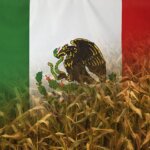 Facing Trump administration trade threats, Mexico rescinds import ban on GMO corn and glyphosate, saying its research has ‘failed to show’ they are hazardous
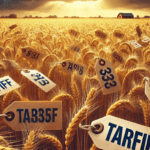 Viewpoint: Trump’s tariffs are squeezing American farmers. We are still in wait-and-see territory but tensions are building
 Viewpoint: France’s Le Monde endorses bizarre activist conspiracy disinformation about the ‘dangers’ of gene-edited crops


…
….Speaking at a World Trade Organization meeting, a U.S. official in Davos complained, “….[E]ven when the EU finally approves a biotech product, EU member states continue to impose bans on the supposedly approved product.”
Read full, original article: US ag says UK must break European shackles