Viewpoint: Biologist Craig Mello knew about the CRISPR babies. Why his silence was ‘not acceptable’

1-31-2019 a
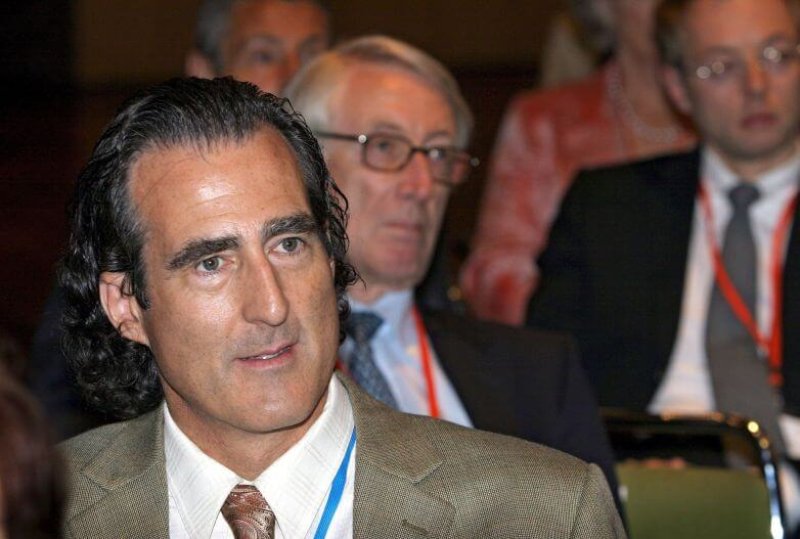
Craig Mello. Image credit: Karl-Josef Hildenbrand/EPA/Shutterstock

The Associated Press reports that Nobel laureate and biologist Craig Mello was aware of a pregnancy in China involving gene-edited babies for months before the news went public. That a prominent scientist knew of this highly unethical work but chose to remain silent is a serious cause for concern, and a sign that the culture around questionable research needs to change.

As Candice Choi and Marilynn Marchioneย reportย for the AP, Mello served on the scientific advisory board of Direct Genomics, a company owned by geneticist He Jiankui, the researcher behind the controversial andย possibly criminalย gene-editing work. He, a scientist at the Southern University of Science and Technology in Shenzhen, emailed Mello in April 2018 telling him of the pregnancy. Mello responded by condemning the work, yet he stayed on as a science advisor for Heโ€™s company.

โ€ฆ

Kerry Bowman, a bioethicist at the University of Toronto, said Melloโ€™s action shows how problematic a moratorium on embryo gene editing may be given that prominent scientists arenโ€™t willing to take action on such a reckless act and clear ethical violation.

โ€ฆ

Itโ€™s obviously important to cast light on individuals who have messed up and should have known better, but more importantly, the science community has to learn from this incident and forge a culture in which itโ€™s not acceptable to remain silent.

Read full, original post:ย Nobel Prize-Winning Biologist Knew About Gene-Edited Babies for Months but Kept Quiet

{{ reviewsTotal }}{{ options.labels.singularReviewCountLabel }}
{{ reviewsTotal }}{{ options.labels.pluralReviewCountLabel }}
{{ options.labels.newReviewButton }}
{{ userData.canReview.message }}

Related Articles

Infographic: Global regulatory and health research agencies on whether glyphosate causes cancer

Infographic: Global regulatory and health research agencies on whether glyphosate causes cancer

Does glyphosateโ€”the world's most heavily-used herbicideโ€”pose serious harm to humans? Is it carcinogenic? Those issues are of both legal and ...

Most Popular

ChatGPT-Image-Apr-16-2026-02_56_53-PM
Financial incentives, over diagnosis, and weak oversight: Autism claims are driving up Medicare costs
Screenshot-2026-05-08-at-11.55.47-AM
Anti-vax activists falsely blame COVID vaccines for the rising U.S. cancer rate among younger people.
vax-misinformation-main
GLP podcast: Limit free speech to blunt social media misinfo?
Picture1
The FDA couldnโ€™t find a vaccine safety crisis, so it buried its own research
ChatGPT-Image-May-7-2026-12_32_36-PM
Viewpoint: The state of U.S. vaccine policy? Dismal nationally, but some states are stepping up.
Screenshot-2026-04-22-at-12.21.32-PM
Viewpoint: Why the retracted Monsanto glyphosate study doesnโ€™t change the scienceโ€”the worldโ€™s most popular herbicide is safeย 
ChatGPT-Image-May-12-2026-11_27_01-AM-2
AI likely to improve health care, research showsโ€”but not for blacks and ethnic minorities
modi visit sikkim
Viewpoint: Indian PM wants farmers to switch to 50% organic. It would take at least 10 years, likely wonโ€™t work, and isnโ€™t more sustainable
Screenshot-2026-05-19-at-11.23.34-AM
West-originated vaccine disinformation sparks murders of health care workers across Africa
Screenshot-2026-04-13-at-1.39.26-PM
Viewpoint: โ€˜Safer for children?โ€™ Stonyfield yogurt under fire for deceptive organic marketing
glp menu logo outlined

Get news on human & agricultural genetics and biotechnology delivered to your inbox.