Controversial brain preservation company Nectome seeks second, more ethical, chance

2-4-2019 brain
Image credit: Pritha Paul

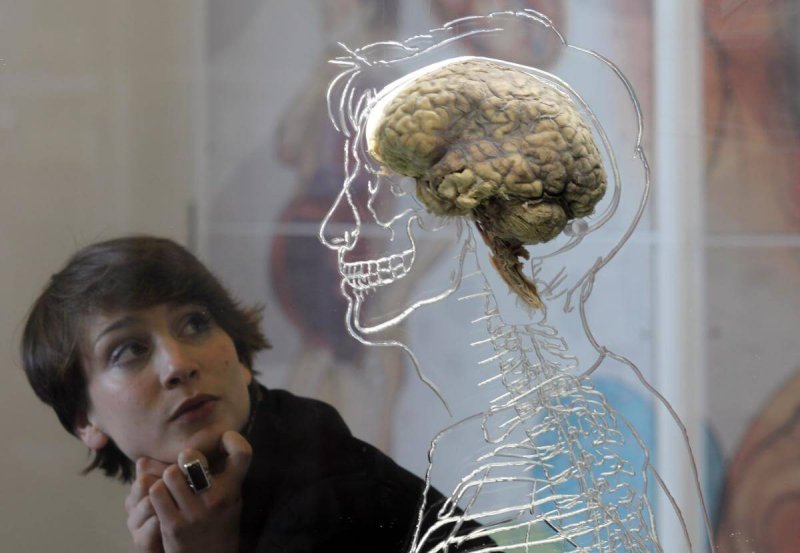
Robert McIntyre would like to get a few things straight. That “waiting list” of people plunking down $10,000 to have his company [Nectome] preserve their brains for future uploading? Just 30 “early supporters” of his research, he said; no one has been promised or even offered anything, certainly not silicon-based mental immortality.

After MIT Technology Review reported in March [2018] that his technology might require death at the speed of assisted suicide, a Massachusetts Institute of Technology biologist stopped collaborating with the company, the university said it has nothing to do with Nectome, and neuroscientists offered little but scorn.

As part of its effort to gain scientific respectability, Nectome recruited University of Oxford philosopher and computational neuroscientist Anders Sandberg to assemble an ethical advisory board and identify issues raised by brain preservation, from how to ensure informed consent from future customers to what happens if a government demands access to someone’s preserved memories.

“You’re going to live your whole life, and all the stuff you built up is going away?” [McIntyre] asked. “All your memories and all your experiences and all your wisdom, erased [by death]? That’s just a bad plan. Screw that.”

Read full, original post: After ghoulish allegations, a brain-preservation company seeks redemption

{{ reviewsTotal }}{{ options.labels.singularReviewCountLabel }}
{{ reviewsTotal }}{{ options.labels.pluralReviewCountLabel }}
{{ options.labels.newReviewButton }}
{{ userData.canReview.message }}

Related Articles

Infographic: Global regulatory and health research agencies on whether glyphosate causes cancer

Infographic: Global regulatory and health research agencies on whether glyphosate causes cancer

Does glyphosate—the world's most heavily-used herbicide—pose serious harm to humans? Is it carcinogenic? Those issues are of both legal and ...

Most Popular

ChatGPT-Image-Mar-10-2026-01_39_01-PM
Viewpoint—“Miracle molecule” debunked: Why acemannan supplements don’t work
DtAieAIkCZy-uchn-oqg
Viewpoint: In the science misinformed grifter game plan, the organic-food-is-healthier myth might be the worst.
ChatGPT-Image-Jun-15-2026-01_04_14-PM
Viewpoint: How politicized science became a political religion 
Screenshot-2026-07-06-at-11.30.08-AM
AI is making even its founders uneasy: ‘We find evidence of introspection, joy, satisfaction, fear, grief and unease.’
eu-farming-policy
EU bureaucrats are finally catching up to the gene editing revolution in food and agriculture
chjpdmf zs sci pbwfnzxmvd vic l zs ymdiylta l zsmtu nty otkwmtetaw hz uta a dzjyy euanbn
Technical milestone or designer baby obsession: Latest gene-editing advance reignites a familiar ethical debate
Food+as+Medicine
Viewpoint: Treat food as medicine
Picture1
The Lackland flu outbreak is fading but Hegseth’s military anti-vaccine fiasco is not
ChatGPT-Image-Jun-25-2026-12_23_17-PM
No, Bill Gates did not secretly engineer ticks to promote veganism
Screenshot-2026-07-02-at-10.03.56-AM
‘Trust, access, and equity’: After billions of doses worldwide, yet another review of COVID vaccine confirms its safety and effectiveness
Screenshot-2026-07-02-at-11.22.28-AM
Is Ebola a hoax created by fake humanitarians to steal African land and resources? Disinformation sweeps through the Congo. 
Screenshot-2026-06-15-at-1.50.43-PM
Viewpoint—Gutting the CDC: Survey of current and past CDC workforce accuses RFK, Jr. and Trump of destroying the agency and endangering public health
full
Misnamed ‘medical freedom’ movement stalls in Florida as Republicans fail to advance legislation ending school vaccine mandates

glp menu logo outlined

Get news on human & agricultural genetics and biotechnology delivered to your inbox.