Confused about the USDA’s bioengineered food labels? Here’s everything you need to know

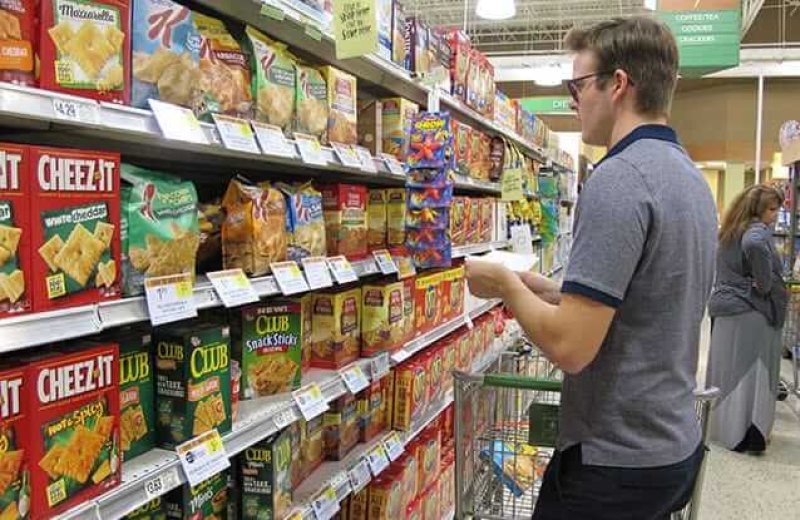
shopper
Image: The Penny Hoarder

In December 2018, the United States Department of Agriculture (USDA) finalized the standards for mandatory “GMO” labeling by releasing the “National Bioengineered Food Disclosure Standard” (or NBFDS). The NBFDS establishes the rules of the road for disclosing which foods in the U.S. have been or may have been bioengineered (BE)….

….First, the labeling standard acknowledges that many people want to know if the foods they are consuming were derived from “GMO” (bioengineered) crops. Just as importantly, the standard provides this information without frightening imagery that could lead consumers to believe GMO/BE food is labeled because it is something to be concerned about or avoided entirely.

…

Bioengineered….is honestly a much better term for the 10 “GMO” crops commercially available today in the U.S….The term “GMO” creates confusion because virtually everything we eat has had its genes modified in some way, whether through very traditional plant breeding processes or through more modern means of seed breeding.


…

This means that “GMO” or “genetically modified” is simply too vague of a phrase to talk about one type of breeding technique, potentially referring to any or all of them. “Bioengineered” or “BE” gets much closer to the foods consumers are actually trying to learn about….

Read full, original article: Here’s everything you need to know about USDA’s National Bioengineered (BE) Food Disclosure Standard


Related Articles

Infographic: Global regulatory and health research agencies on whether glyphosate causes cancer

Infographic: Global regulatory and health research agencies on whether glyphosate causes cancer

Does glyphosate—the world's most heavily-used herbicide—pose serious harm to humans? Is it carcinogenic? Those issues are of both legal and ...

Most Popular

ChatGPT-Image-Mar-10-2026-01_39_01-PM
Viewpoint—“Miracle molecule” debunked: Why acemannan supplements don’t work
Screenshot-2026-09-22-at-12.26.15-PM
‘Forever chemical’ concerns: Separating hysteria from reasonable concern in the debate over PFAS danger
Screenshot-2026-10-06-at-11.13.59-AM
RFK Jr.’s plan to curb America’s appetite for ultra-processed foods and artificial dyes blocked by the White House
Screenshot 2026-10-08 at 1.34
Hooked on kratom: The unregulated, natural, alcohol-free “social tonic” that is destroying lives 
Screenshot-2026-10-06-at-2.36.47-PM
Is organic farming really more sustainable? 100 recent studies say ‘no’
Resolute-Portrait-with-Injured-Teddy-Bear
Anti-vax Texas Senate candidate Ken Paxton alleges conspiracy by doctors, drugmakers, and insurers to push childhood vaccination for profit
Screenshot-2026-09-28-at-11.26.17-AM
Viewpoint: Wellness movement activists reposition nicotine from a killer addictive drug into a cure-all for brain ills
Radioactive-Americana-Collage-2
The kooky logic behind the raft of spurious cancer claims from Harvard’s T.H. Chan School of Public Health
No-Data-Center-Farm-Protest-Sign-2
Rural revival or corporate windfall? Trump’s One Big Beautiful Bill tax law opens the door to big breaks for data centers—but tech giants aren’t cashing in
ChatGPT-Image-Sep-21-2026-11_21_39-AM
Viewpoint: Food cults: Online ‘nutrition communities’ can pose unique dangers
Supreme-Court-Amid-Climate-Crisis
Should fossil fuel companies be shielded from lawsuits over climate change damage? The Supreme Court takes up the question
strand of dna genetics
No, GMO foods do not “damage genes, natural disposition and hormones, or decrease physical health and intelligence”
glp menu logo outlined

Get news on human & agricultural genetics and biotechnology delivered to your inbox.