While Americans are ambivalent about plant-based ‘clean meat’ protein alternatives, Chinese and Indians are enthusiastic

SCIENCE IMPOSSIBLE BURGER V Still FINAL
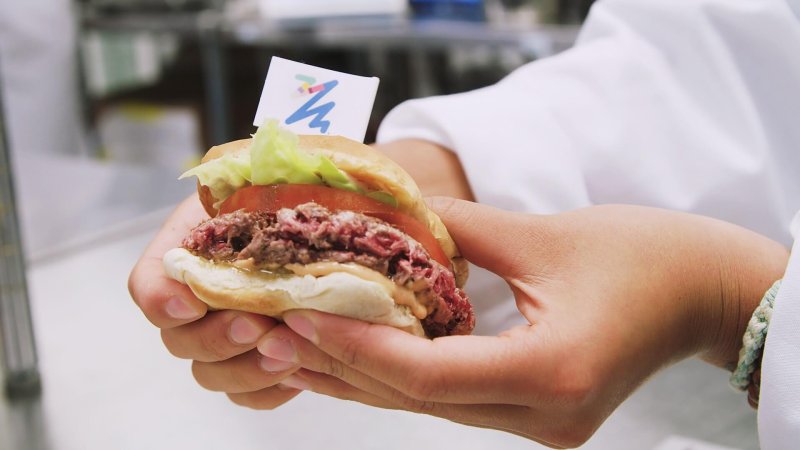
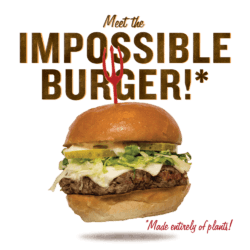
A plant-based 'Impossible' burger. Credit: Wired

Would you eat a burger grown from animal cells rather than a whole cow? What about a plant-based burger, once researchers finally pull off a perfect imitation of the texture and taste of a meat burger?

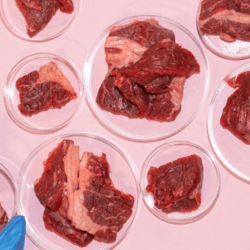
Modern meat production involves shockingly inhumane conditions, mass use of antibiotics with worrisome public health implications, and….demand for meat is expected to rise 73 percent by 2050….[R]esearchers are desperately working on better alternatives to meat….Some of them are working to invent cell-based products — “clean meat” — that will be, on a molecular level, identical to meat but without the slaughterhouses.

[Editor’s note: Read ‘Factory farming’ poisons our food and harms animals? A veterinarian examines activist claims about modern agriculture.]

That’s exciting….if consumers buy it. Will they?  That’s what a new study of consumer attitudes about plant-based meat and clean meat aimed to find out….The results? Consumers in China and India are substantially more open-minded about clean meat than consumers in the US….
In America, eating a lot of meat predicted being less interested in alternatives. In China, though, the people who ate the most meat were the ones who expected to get the most out of plant-based and clean meat options….That’s a big deal. China and India collectively contain more than 2 billion people

Read full, original article: In India and China, consumers are eager for lab-grown meat. In the US? Not as much.


{{ reviewsTotal }}{{ options.labels.singularReviewCountLabel }}
{{ reviewsTotal }}{{ options.labels.pluralReviewCountLabel }}
{{ options.labels.newReviewButton }}
{{ userData.canReview.message }}

Related Articles

Infographic: Global regulatory and health research agencies on whether glyphosate causes cancer

Infographic: Global regulatory and health research agencies on whether glyphosate causes cancer

Does glyphosate—the world's most heavily-used herbicide—pose serious harm to humans? Is it carcinogenic? Those issues are of both legal and ...

Most Popular

ChatGPT Image May 10, 2026, 08_16_59 PM 2
Overmedicalization? RFK Jr.’s antidepressant crackdown raises conflict questions over his fee stake in Wisner Baum, the tort firm built on suing drug makers
Picture1-5
Science Disinformation Gap: The transatlantic battle over social media and censorship
Picture1-14
When superbugs threaten vulnerable children: Can AI help solve antibiotic resistance?
ChatGPT-Image-Apr-13-2026-02_20_22-PM
Viewpoint: Misinformation infodemic? Why assessing evidence is so challenging 
Screenshot-2026-05-08-at-3.40.33-PM
Seeds of power: China turns to genetic engineering to become global superpower
S
As vaccine rejectionism spreads, measles may be taking a more dangerous turn
Farmers can talk to plants
Farmers are a major source of misinformation—about farming
Screenshot 2026-05-08 at 3.01
Transforming farming and nutrition with AI and robotics? Larry Ellison’s half-billion-dollar Hawaii greenhouse dream goes bust
Screenshot-2026-04-20-at-2.26.27-PM
Viewpoint — Food-fear world: The latest activist scientists campaign: Cancer-causing additives
Screenshot-2026-05-01-at-1.29.41-PM
Viewpoint: What happens when whole grains meet modern food manufacturing? Labels don’t tell the whole story.
ChatGPT-Image-May-8-2026-01_41_33-PM-3
Viewpoint: Surge of climate misinformation traced to right wing and anti-wind activists 
Screenshot-2026-03-13-at-12.14.04-PM
The FDA wants to make many popular prescription drugs OTC—a great idea. Here’s why it’s unlikely to happen
Screenshot-2026-04-12-135256
Bixonimania: The fake disease scam that AI swallowed whole
glp menu logo outlined

Get news on human & agricultural genetics and biotechnology delivered to your inbox.