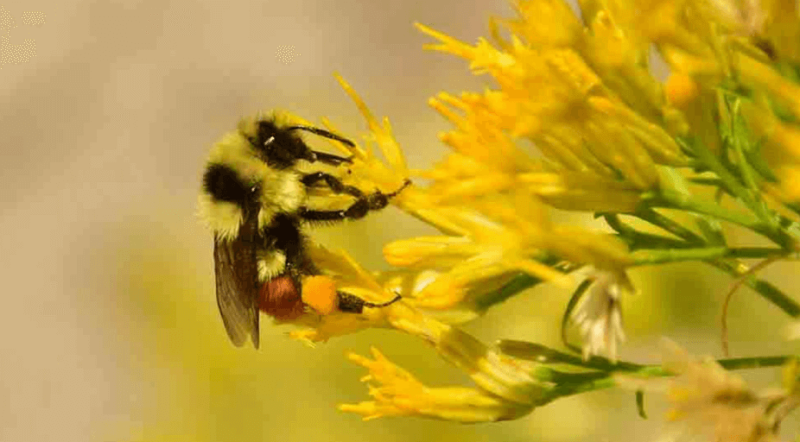
EU bans popular fungicide chlorothalonil, citing ‘high risk’ to amphibians, fish and bumblebees

hunts bumblebee blogheader Tom Koerner USFWS fw x e
Image: U.S. Fish and Wildlife Service

One of the world’s most common pesticides will soon be banned by the European Union after safety officials reported human health and environmental concerns.

Chlorothalonil, a fungicide that prevents mildew and mold on crops, is the most used pesticide in the UK, applied to millions of hectares of fields, and is the most popular fungicide in the US. Farmers called the ban “overly precautionary.”

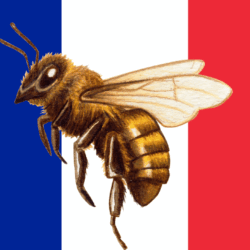
But EU states voted for a ban after a review by the European Food Safety Authority (Efsa) was unable to exclude the possibility that breakdown products of the chemical cause damage to DNA. Efsa also said “a high risk to amphibians and fish was identified for all representative uses.” Recent research further identified chlorothalonil and other fungicides as the strongest factor linked to steep declines in bumblebees.

However, Chris Hartfield from the UK’s National Farmers Union, said chlorothalonil played a vital role in controlling fungal diseases: “We feel the European commission has been overly precautionary in making this decision and has failed to consider the particular importance of this [pesticide] in the control of critical fungal diseases and in managing disease resistance….”

Read full, original article: EU bans UK’s most-used pesticide over health and environment fears

Related Articles

Infographic: Global regulatory and health research agencies on whether glyphosate causes cancer

Infographic: Global regulatory and health research agencies on whether glyphosate causes cancer

Does glyphosate—the world's most heavily-used herbicide—pose serious harm to humans? Is it carcinogenic? Those issues are of both legal and ...

Most Popular

ChatGPT-Image-Sep-17-2026-12_28_43-PM
Vitamin D, omega-3 fish oil and glucosamine supplements could cause brain damage 
ChatGPT-Image-Mar-10-2026-01_39_01-PM
Viewpoint—“Miracle molecule” debunked: Why acemannan supplements don’t work
ChatGPT-Image-Sep-17-2026-10_17_15-AM
Viewpoint: Why are the less intelligent more likely to be conservative—and smarter people more socially liberal?
Screenshot-2026-09-10-at-12.20.19-PM
'Jet fuel didn't melt the steel': 9/11 conspiracy theories debunked
Screenshot-2026-08-12-at-11.31.46-AM
AI is helping develop new vaccines
Screenshot-2026-09-16-at-12.07.47-PM
The heated debate over trans athletes in the WNBA
Screenshot-2026-09-17-at-10.24.54-AM
Viewpoint: Dubious environmental fears: Why the AI buildout is critical to America’s ecological future
ChatGPT-Image-Sep-9-2026-02_48_24-PM
Viewpoint: Trump-RFK Jr. report on “Gender Ideology & Left-wing Ideology’ targets LGBTQ community—and science
Screenshot 2026-09-11 at 12.39
Child-monitoring apps: When the cure is worse than the harm—and how the technology could be tweaked
ChatGPT-Image-Sep-15-2026-12_15_00-PM
Viewpoint: Women, depression and empathy: Explaining the gender gap in views about child-murderer Lindsay Clancy
Screenshot-2026-09-11-at-2.26.23-PM
Newly approved GMO chestnut trees planted across from the White House are stirring debate
Screenshot-2026-09-10-at-11.50.46-AM
Did COVID vaccines kill 2,500 service members? RFK Jr. hires an investigator who compares vaccine promoters to Nazi doctors
glp menu logo outlined

Get news on human & agricultural genetics and biotechnology delivered to your inbox.