Viewpoint: Our desperate need for new antibiotics won’t be met without government incentives

p antibiotics w ts
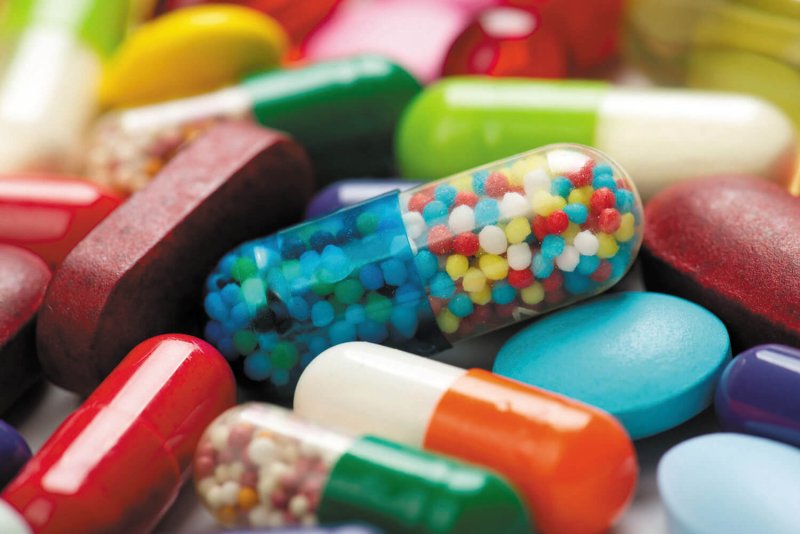
Image: grThirteen/Thinkstock

As the number of infections resistant to antimicrobial drugs continues to rise around the world, and with it their huge human and financial toll, we urgently need new ways to preserve the effectiveness of existing antibiotics and to develop much-needed new ones.

The AMR Industry Alliance, which I chair, warned in its 2018 report tracking progress in tackling antimicrobial resistance that if financial incentives are not rapidly put in place, companies will cease research on new antibiotics. We need to do everything we can to give companies still in this field reasons to continue.

Instead of recreating the wheel with one or more government-run companies aimed at creating new antimicrobials, the various sectors need to work together to address the specific economic challenges faced by antibiotic developers. Incentives currently on the table, such as pull incentives that help companies ensure a predictable return for new antibiotics and adapted reimbursement procedures to better capture the value that novel antibiotics bring to patients and health care systems, represent relatively modest tweaks to the current system and build on the biopharmaceutical sector’s demonstrated capacity and proven ability to develop new and needed products.

Read full, original post: Creating new antimicrobial drugs will require governments working with industry


{{ reviewsTotal }}{{ options.labels.singularReviewCountLabel }}
{{ reviewsTotal }}{{ options.labels.pluralReviewCountLabel }}
{{ options.labels.newReviewButton }}
{{ userData.canReview.message }}

Related Articles

Infographic: Global regulatory and health research agencies on whether glyphosate causes cancer

Infographic: Global regulatory and health research agencies on whether glyphosate causes cancer

Does glyphosate—the world's most heavily-used herbicide—pose serious harm to humans? Is it carcinogenic? Those issues are of both legal and ...

Most Popular

d-b
Blocked arteries, kidney stones, nausea, constipation, fatigue: Long list of health problems caused by too much vitamin D 
Screenshot-PM-24
Viewpoint: The herbicide glyphosate isn’t perfect. Banning it would be far worse.
79d03212-2508-45d0-b427-8e9743ff6432
Viewpoint: The Casey Means hustle—Wellness woo opportunism dressed up as medical wisdom
ChatGPT-Image-Mar-10-2026-01_39_01-PM
Viewpoint—“Miracle molecule” debunked: Why acemannan supplements don’t work
ChatGPT-Image-Apr-30-2026-12_21_05-PM-2
The tech billionaires behind the immortality movement
ChatGPT-Image-Mar-27-2026-11_27_05-AM
The myths of “process”: What science says about the “dangers’ of synthetic products and ultra-processed foods
ChatGPT-Image-Apr-30-2026-05_00_48-PM
Wellness grifter physician turned wellness influencer out as surgeon general nominee

Sorry. No data so far.

glp menu logo outlined

Get news on human & agricultural genetics and biotechnology delivered to your inbox.