Off-target RNA mutations: Why this ‘more precise genome-editing’ technique needs improvement

dnax
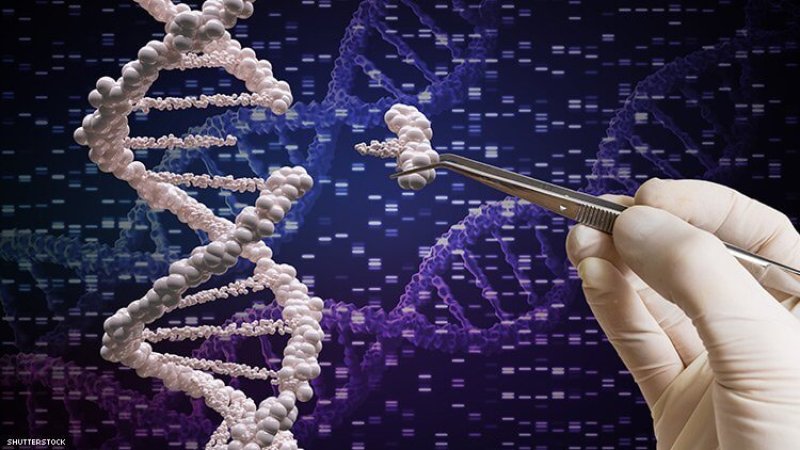
Image: Shutterstock

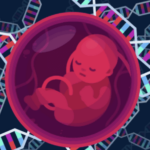
Base editors designed to convert one DNA nucleotide to another may also perform large numbers of unwanted edits to RNA, according to a study published [April 17] inย Nature. Although base editing was touted as a more precise genome-editing approach than more traditional methods, researchers in the US found that the technique appears to cause widespread changes to the transcriptome of human cells, suggesting that the technology needs more work before it can be used reliably in research and therapeutics.

โ€œMost investigation of off-target base editing has focused on DNA, but we have found that this technology can induce large numbers of RNA alterations as well,โ€ study coauthor J. Keith Joung of Massachusetts General Hospital and Harvard Medical School says in a statement.

โ€ฆ

The most widely used form of base editing was developed by Harvard Universityโ€™s David Liu, and relies on a modified form of CRISPR-Cas9 technology. Unlike standard CRISPR-guided genome editing, which results in a double-strand break in DNA, base editing allows researchers to precisely swap one DNA nucleotide for another.

โ€œBase editors are still incredibly powerful tools,โ€ Joung tells Science. โ€œThis is just another parameter we need to understand.โ€

Read full, original post: Base Editors Cause Off-Target Mutations in RNA

{{ reviewsTotal }}{{ options.labels.singularReviewCountLabel }}
{{ reviewsTotal }}{{ options.labels.pluralReviewCountLabel }}
{{ options.labels.newReviewButton }}
{{ userData.canReview.message }}

Related Articles

Infographic: Global regulatory and health research agencies on whether glyphosate causes cancer

Infographic: Global regulatory and health research agencies on whether glyphosate causes cancer

Does glyphosateโ€”the world's most heavily-used herbicideโ€”pose serious harm to humans? Is it carcinogenic? Those issues are of both legal and ...

Most Popular

Screenshot 2026-05-06 at 2.56
Singularity crisis ahead? Can super babies save us from rogue AI geniuses?
Screenshot-2026-03-13-at-12.14.04-PM
The FDA wants to make many popular prescription drugs OTCโ€”a great idea. Hereโ€™s why itโ€™s unlikely to happen
Screenshot-2026-04-20-at-2.26.27-PM
Viewpoint โ€” Food-fear world: The latest activist scientists campaign: Cancer-causing additives
Screenshot-2026-05-01-at-11.56.24-AM
โ€˜Science moves forward when people are willing to think differentlyโ€™: Memories of DNA maverick Craig Venter
images
The never-ending GMO debate: Pros and cons
Screenshot-PM-24
Viewpoint: The herbicide glyphosate isnโ€™t perfect. Banning it would be far worse.
Screenshot-2026-04-30-at-2.19.37-PM
5 myths about summer dehydration that could damage your health โ€” or even kill you
Screenshot-2026-04-03-at-11.15.51-AM
Paraben panic: How a flawed study, media hype, and chemophobia convinced the public of the danger of one of the safest classes of preservatives
Screenshot-2026-05-01-at-1.29.41-PM
Viewpoint: What happens when whole grains meet modern food manufacturing? Labels donโ€™t tell the whole story.
79d03212-2508-45d0-b427-8e9743ff6432
Viewpoint: The Casey Means hustleโ€”Wellness woo opportunism dressed up as medical wisdom
Screenshot-2026-05-06-at-2.07.43-PM
Manufacturing a conspiracy: The timeline of howย  the White House embraced the fringe claim that scientists are being mysteriously murdered
glp menu logo outlined

Get news on human & agricultural genetics and biotechnology delivered to your inbox.