Why we have to look for early signs of psychosis in people with autism

5-29-2019 leadc
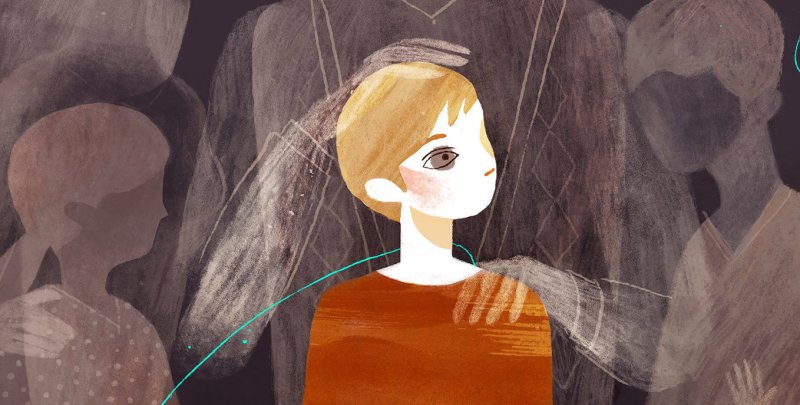
Image: Cinyee Chiu/Spectrum

Most young autistic people do not and will not have psychosis or schizophrenia. As a class, psychotic disorders are relatively rare in the general population; they occur in about 1 in 100 people. But — and this is an important but — research increasingly suggests that psychosis occurs in more than 3 in every 100 autistic people, more than three times the frequency in the general population.

In work published [Feb 20], we collected data from participants in the North American Prodrome Longitudinal Study, which followed young people with early signs of psychosis for two years. We used information from clinical interviews, questionnaires and cognitive testing in 26 people with autism and 738 controls to assess early signs of psychosis.

Our results might surprise those who think people with autism do not develop psychosis. The autistic people and controls displayed remarkably similar patterns of psychosis traits. They were also equally likely to develop full-blown psychosis within two years — about 20 percent in each group. Finally, the factors that predict risk for psychosis in the general population also held for autistic people.

Our findings suggest that emerging signs of psychosis should be taken seriously in people with autism.

Read full, original post: Signs of psychosis in people with autism warrant serious concern

{{ reviewsTotal }}{{ options.labels.singularReviewCountLabel }}
{{ reviewsTotal }}{{ options.labels.pluralReviewCountLabel }}
{{ options.labels.newReviewButton }}
{{ userData.canReview.message }}

Related Articles

Infographic: Global regulatory and health research agencies on whether glyphosate causes cancer

Infographic: Global regulatory and health research agencies on whether glyphosate causes cancer

Does glyphosate—the world's most heavily-used herbicide—pose serious harm to humans? Is it carcinogenic? Those issues are of both legal and ...

Most Popular

Screenshot-PM-24
Viewpoint: The herbicide glyphosate isn’t perfect. Banning it would be far worse.
79d03212-2508-45d0-b427-8e9743ff6432
Viewpoint: The Casey Means hustle—Wellness woo opportunism dressed up as medical wisdom
d-b
Blocked arteries, kidney stones, nausea, constipation, fatigue: Long list of health problems caused by too much vitamin D 
ChatGPT-Image-Mar-10-2026-01_39_01-PM
Viewpoint—“Miracle molecule” debunked: Why acemannan supplements don’t work
Screenshot-2026-04-30-at-11.33.46-AM
Anti-seed-oil to anti-vax pipeline: MAHA movement spreads to teen influencers
lab grown meat research kelly schultz lehighuniversity main
Profiles of the 10 top global cultured meat companies
ChatGPT-Image-Apr-30-2026-05_00_48-PM
Wellness grifter physician turned wellness influencer out as surgeon general nominee
ChatGPT-Image-Apr-30-2026-12_21_05-PM-2
The tech billionaires behind the immortality movement
Screenshot-2026-04-28-at-1.21.37-PM
How America’s medical system encourages psychiatric overdiagnosis
ChatGPT-Image-Mar-27-2026-11_27_05-AM
The myths of “process”: What science says about the “dangers’ of synthetic products and ultra-processed foods
Screenshot-2026-04-30-at-12.49.48-PM
‘Alarming’: Nicotine’s wellness rebranding

Sorry. No data so far.

glp menu logo outlined

Get news on human & agricultural genetics and biotechnology delivered to your inbox.