This tech start-up wants to ‘hack’ efforts to save endangered species, ecosystems

d
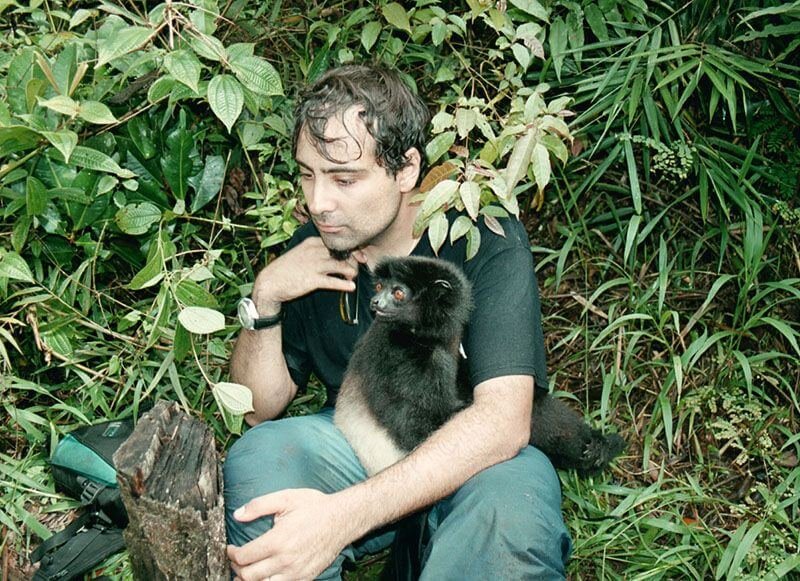
Alex Dehgan holds a Milne-Edwards sifaka (Propithecus edwardsi) in Madagascar in 2000 as it recovers from being tranquillized as part of a population study. Image: Barbara Martinez/Ranomafana Fragments Project

After an unorthodox career in science that has included setting up a national park in an active war zone in Afghanistan, [Alex] Dehgan is betting his retirement on hacking the field of conservation. He wants to harness the power of technological innovation to transform the practice of preserving ecosystems and species.

Borrowing a page from Silicon Valley, he has launched a non-profit technology start-up called Conservation X Labs in Washington DC. Just four years old, the initiative is bringing new people into the field of conservation — including entrepreneurs, engineers, computer scientists and anthropologists. It aims to support research and development into technology that might aid conservation.

…

So far, it has launched six competitions for tools to, among other things, limit the spread of infectious diseases, the trade in products made from endangered species and the decline of coral reefs. The first commercial product to be spun out of the start-up — a portable DNA scanner — is slated for release by the end of the year.

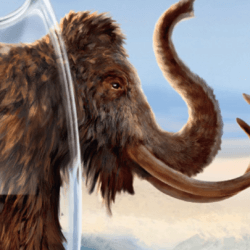
…

As co-founder and chief executive, Dehgan has big hopes for the organization and the prospect of combatting a precipitous loss in biodiversity around the world.

Read full, original post: Hacking conservation: how a tech start-up aims to save biodiversity

Related Articles

Infographic: Global regulatory and health research agencies on whether glyphosate causes cancer

Infographic: Global regulatory and health research agencies on whether glyphosate causes cancer

Does glyphosate—the world's most heavily-used herbicide—pose serious harm to humans? Is it carcinogenic? Those issues are of both legal and ...

Most Popular

Screenshot-2026-10-01-at-10.52.08-AM
Non-browning CRISPR gene-edited bananas move one step closer to British markets
AI-Force-Leadership-Portrait
Jay Clayton controversy: The divisive history of Trump’s newly-appointed AI czar
Screenshot-2026-09-22-at-10.54.12-AM
‘They misunderstand science’: Research attempting to tie autism to changes in the gut microbiome comes under fire
ChatGPT-Image-Mar-10-2026-01_39_01-PM
Viewpoint—“Miracle molecule” debunked: Why acemannan supplements don’t work
Elderly-Speaker-at-MAHA-Institute
At anti-vaccine MAHA conference, RFK Jr. pledges to unify federal health information and combat vaccine safety ‘misinformation’
ChatGPT-Image-Sep-21-2026-11_21_39-AM
Viewpoint: Food cults: Online ‘nutrition communities’ can pose unique dangers
Screenshot 2026-10-01 at 12.30
Combating ‘narrative distortion’: Will pharma companies step up to challenge health misinformation?
ChatGPT-Image-Sep-10-2026-10_36_07-AM
Viewpoint: Even lousy scientific articles can shield authors when they hype dubious health claims and products
Screenshot-2026-10-01-at-11.21.27-AM
Vaccine hesitancy, like malaria, surges globally, topping 35% in some countries
ChatGPT-Image-Sep-21-2026-03_15_09-PM
Viewpoint: Chipotle-inspired lesson: 10,000 sick customers suggest that processed foods can be safer than fresh ones
glp menu logo outlined

Get news on human & agricultural genetics and biotechnology delivered to your inbox.