Price of lab-grown burger could drop from $280,000 to $10 by 2021

lab made beef burger mark post x

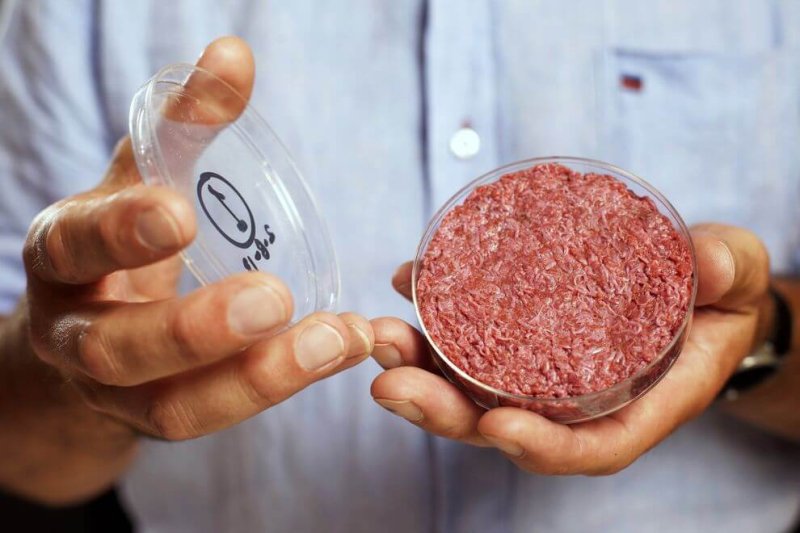
Lab-grown meat, first introduced to the world six years ago in the form of a $280,000 hamburger, could hit supermarket shelves at $10 a patty within two years, European start-ups told Reuters.

Consumers concerned about climate change, animal welfare and their own health are fueling interest in so-called clean meat, with the number of associated business start-ups climbing from four at the end of 2016 to more than two dozen two years later, according to the Good Food Institute market researcher.

Plant-based meat alternatives are also booming. Shares in Beyond Meat have more than tripled in price since its initial public offering in May. Beyond Meat and Impossible Foods each sell 100% plant-based meat alternatives to retailers and fast food chains across the United States.

And cultured meat grown from animal cells could be next on the mainstream menu, with producers eyeing regulatory approval as they improve the technology and reduce costs.


It was Dutch start-up Mosa Meat’s co-founder Mark Post who created the first “cultured” beef hamburger in 2013 at a cost of 250,000 euros ($280,400), funded by Google co-founder Sergey Brin, but Mosa Meat and Spain’s Biotech Foods say that production costs have fallen dramatically since then.

Read full, original article: The $280,000 lab-grown burger could be a more palatable $10 in two years


{{ reviewsTotal }}{{ options.labels.singularReviewCountLabel }}
{{ reviewsTotal }}{{ options.labels.pluralReviewCountLabel }}
{{ options.labels.newReviewButton }}
{{ userData.canReview.message }}

Related Articles

Infographic: Global regulatory and health research agencies on whether glyphosate causes cancer

Infographic: Global regulatory and health research agencies on whether glyphosate causes cancer

Does glyphosate—the world's most heavily-used herbicide—pose serious harm to humans? Is it carcinogenic? Those issues are of both legal and ...

Most Popular

Screenshot-2026-04-13-at-1.39.26-PM
Viewpoint: ‘Safer for children?’ Stonyfield yogurt under fire for deceptive organic marketing
Screenshot-2026-04-22-at-10.46.29-AM
Viewpoint: How to counter science disinformation? Science journalist offers 12 practical tips
ChatGPT-Image-May-7-2026-12_16_37-PM-2
Viewpoint: Are cancer rates ‘skyrocketing’ as RFK, Jr. and MAHA claim? The evidence says mostly the opposite
Picture1-14
When superbugs threaten vulnerable children: Can AI help solve antibiotic resistance?
Screenshot-2026-04-23-at-11.00.36-AM
Regulators' dilemma: Thalidomide, Metformin, and the cost of getting drug approvals wrong
ChatGPT-Image-May-12-2026-08_39_41-PM
GLP podcast: Big Pharma, Big Ag, Big Food—health harming industries or life-saving innovators?
Picture1-1
Cooling the planet with balloons: Could a geoengineering gamble slow global warming?
ChatGPT-Image-May-7-2026-12_32_36-PM
Viewpoint: The state of U.S. vaccine policy? Dismal nationally, but some states are stepping up.
png-pill-omega-Supp-fish-oil
Millions take omega-3 fish oil for brain health. New research suggests it may do the opposite.
glp menu logo outlined

Get news on human & agricultural genetics and biotechnology delivered to your inbox.