Nestle expands glyphosate testing on imported coffee as trials feed Roundup-cancer scare

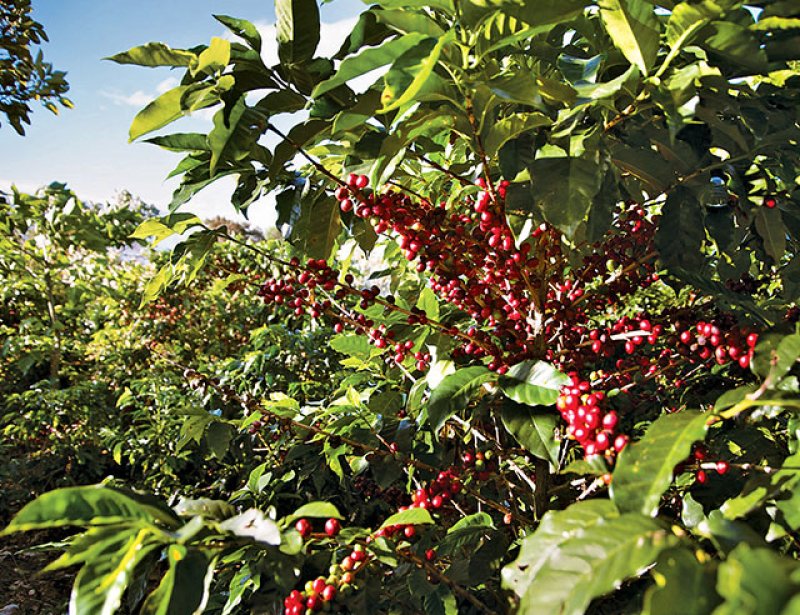
navigate a coffee plantation like a pro

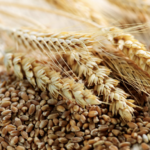
Nestle SA is increasing checks on the coffee it buys, after recent tests showed beans from some countries had levels of the weedkiller glyphosate that are close to a regulatory limit.

The worldโ€™s largest coffee roaster has informed suppliers of Indonesian and certain Brazilian beans of the new procedures, which go into effect starting Oct. 1, according to memos seen by Bloomberg. The company says the new measures โ€œshould be temporaryโ€ until producing countries correct the application of glyphosate.

…. Bayer AG, which spent $63 billion buying the productโ€™s maker, Monsanto, is now facing billions of dollars worth of lawsuits claiming it causes cancer.

[Editor’s note: Read GLP’s Glyphosate FAQ to learn more. Most experts say the weed killer is unlikely to cause cancer.]

The new measures have the potential to complicate global coffee trade-flows. The additional testing requirement is mostly for beans being shipped to factories in Europe, Australia and Malaysia, where legal limits on glyphosate are stricter than most other countries.

Read full, original article: Nestle Steps Up Testing After Weedkiller Found in Coffee Beans

{{ reviewsTotal }}{{ options.labels.singularReviewCountLabel }}
{{ reviewsTotal }}{{ options.labels.pluralReviewCountLabel }}
{{ options.labels.newReviewButton }}
{{ userData.canReview.message }}

Related Articles

Infographic: Global regulatory and health research agencies on whether glyphosate causes cancer

Infographic: Global regulatory and health research agencies on whether glyphosate causes cancer

Does glyphosateโ€”the world's most heavily-used herbicideโ€”pose serious harm to humans? Is it carcinogenic? Those issues are of both legal and ...

Most Popular

S
As vaccine rejectionism spreads, measles may be taking a more dangerous turn
Screenshot-2026-05-01-at-1.29.41-PM
Viewpoint: What happens when whole grains meet modern food manufacturing? Labels donโ€™t tell the whole story.
Screenshot 2026-05-06 at 2.56
Singularity crisis ahead? Can super babies save us from rogue AI geniuses?
Screenshot-2026-03-13-at-12.14.04-PM
The FDA wants to make many popular prescription drugs OTCโ€”a great idea. Hereโ€™s why itโ€™s unlikely to happen
Screenshot-2026-05-06-at-2.07.43-PM
Manufacturing a conspiracy: The timeline of howย  the White House embraced the fringe claim that scientists are being mysteriously murdered
Screenshot-2026-04-20-at-2.26.27-PM
Viewpoint โ€” Food-fear world: The latest activist scientists campaign: Cancer-causing additives
Screenshot-2026-05-01-at-11.56.24-AM
โ€˜Science moves forward when people are willing to think differentlyโ€™: Memories of DNA maverick Craig Venter
Screenshot-2026-04-03-at-11.15.51-AM
Paraben panic: How a flawed study, media hype, and chemophobia convinced the public of the danger of one of the safest classes of preservatives
Screenshot-2026-04-30-at-2.19.37-PM
5 myths about summer dehydration that could damage your health โ€” or even kill you
images
The never-ending GMO debate: Pros and cons
Screenshot-2026-04-12-135256
Bixonimania: The fake disease scam that AI swallowed whole
glp menu logo outlined

Get news on human & agricultural genetics and biotechnology delivered to your inbox.