Most food flavorings could be made with GMO microbes, sparing large amounts of farmland

vanilla wide e f c d e dc a d b f
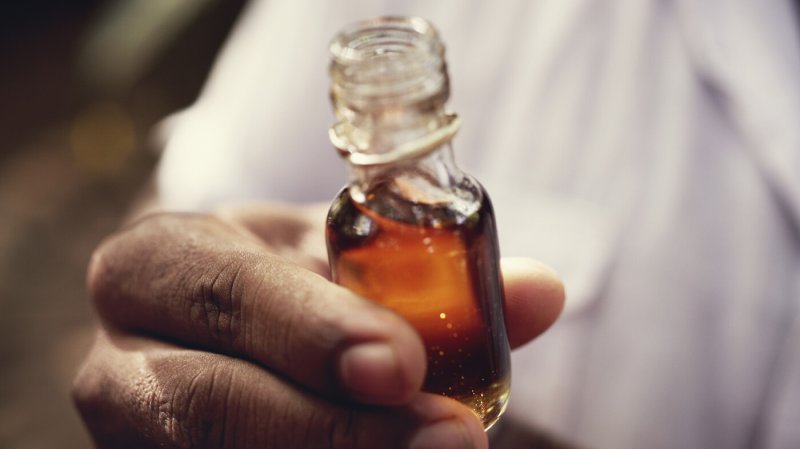
Vanillin made through synthetic biology. Image: iStockphoto

In future, the majority of natural flavors could be produced from microscopic armies of microbes programmed to convert sugars into target molecules, rather than devoting vast swathes of agricultural land to growing plants that only contain tiny amounts of the components the food industry is interested in, predicts synthetic biology specialist Conagen.

Speaking to FoodNavigator-USA for our flavor trends special edition, Conagen VP R&D Casey Lippmeier said that when we think about how natural ingredients are going to be sustainably sourced in future, we may need to reassess current approaches.

โ€œA flavor compound might comprise something like 0.001% by weight of the whole plant …. yet youโ€™re still using land and water and energy to grow the whole plant, whereas if you make it by microbial fermentation [eg. Inserting DNA sequences into a microbe such as yeast, bacteria, fungi or algae to instruct it to produce any given flavor during a fermentation process with sugars as the feedstock] or bioconversion [where you start with a plant extract [and] convert that into a target molecule], you can significantly increase your efficiency and yield of production on a per acre base dramatically โ€“ plus youโ€™re not using all the fertilizer, pesticides, water, and so on.

Read full, original article: To boldly go… Conagen on the future of sustainable flavor production


{{ reviewsTotal }}{{ options.labels.singularReviewCountLabel }}
{{ reviewsTotal }}{{ options.labels.pluralReviewCountLabel }}
{{ options.labels.newReviewButton }}
{{ userData.canReview.message }}

Related Articles

Infographic: Global regulatory and health research agencies on whether glyphosate causes cancer

Infographic: Global regulatory and health research agencies on whether glyphosate causes cancer

Does glyphosateโ€”the world's most heavily-used herbicideโ€”pose serious harm to humans? Is it carcinogenic? Those issues are of both legal and ...

Most Popular

ChatGPT-Image-May-7-2026-12_16_37-PM-2
Viewpoint: Are cancer rates โ€˜skyrocketingโ€™ as RFK, Jr. and MAHA claim? The evidence says mostly the opposite
Screenshot-2026-04-22-at-10.46.29-AM
Viewpoint: How to counter science disinformation? Science journalist offers 12 practical tips
Screenshot-2026-04-13-at-1.39.26-PM
Viewpoint: โ€˜Safer for children?โ€™ Stonyfield yogurt under fire for deceptive organic marketing
Picture1-14
When superbugs threaten vulnerable children: Can AI help solve antibiotic resistance?
Screenshot-2026-04-23-at-11.00.36-AM
Regulators' dilemma: Thalidomide, Metformin, and the cost of getting drug approvals wrong
Picture1-1
Cooling the planet with balloons: Could a geoengineering gamble slow global warming?
bigstock opioids on chalkboard with rol
GLP podcast: 'Safe injection sites': enabling drug addiction or saving lives?
ChatGPT-Image-May-12-2026-08_39_41-PM
GLP podcast: Big Pharma, Big Ag, Big Foodโ€”health harming industries or life-saving innovators?

Sorry. No data so far.

glp menu logo outlined

Get news on human & agricultural genetics and biotechnology delivered to your inbox.