EPA to decide the future of dicamba, neonicotinoids and other controversial pesticides in 2020

Screen Shot at AM

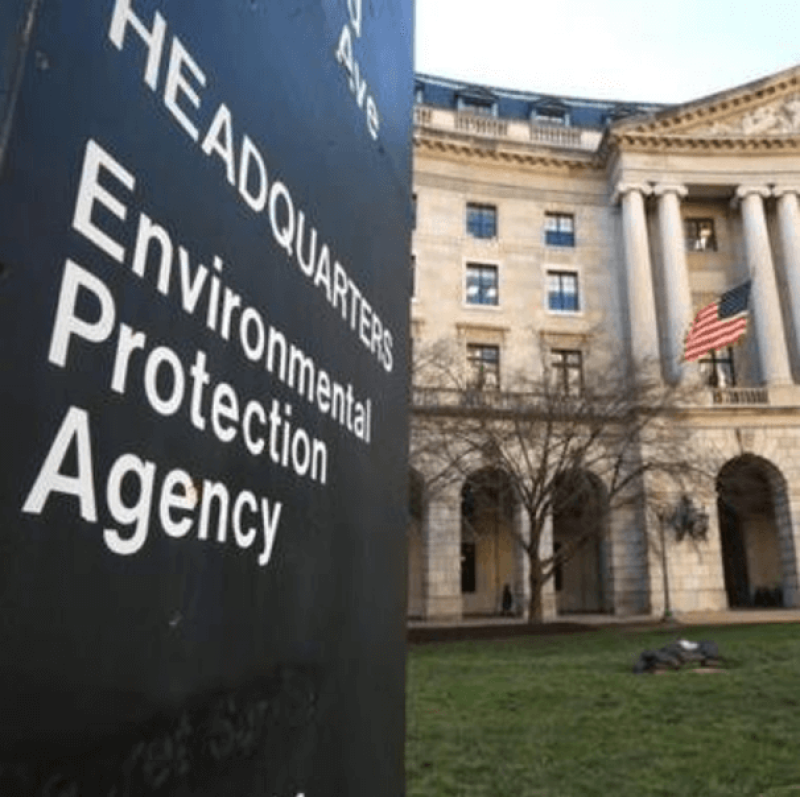
The EPA this year will deliver important decisions to U.S. agriculture, including on chlorpyrifos, glyphosate, the neonicotinoids, pyrethroids, atrazine and over-the-top dicamba.

Rick Keigwin is the director of EPA’s Office of Pesticide Programs. He spoke about the decisions and the agency’s process for making them Jan. 10 at the Southeast Regional Fruit and Vegetable Growers Conference in Savannah.

Early this calendar year, the agency will issue a final decision for glyphosate registration. The EPA, along with every other regulatory body and science organization around the world, concluded the chemistry is not a carcinogen, he said …. For glyphosate, EPA did propose better management practices farmer can take to target sprays, protect pollinators and reduce resistance.

The re-registration for the neonicotinoids has taken longer than the typical six years because the review, done together with Canada and the California Department of Pesticide Regulation, included four active ingredients: Imidacloprid, thiamethoxam, clothianidin and dinotefuran.

How these chemistries affect pollinators has been an important part of this review …. but the agency considers risks low for chemistry used as a seed treatment, which is a large part of how it is used in agriculture.

Read full, original article: Important EPA decisions coming

{{ reviewsTotal }}{{ options.labels.singularReviewCountLabel }}
{{ reviewsTotal }}{{ options.labels.pluralReviewCountLabel }}
{{ options.labels.newReviewButton }}
{{ userData.canReview.message }}

Related Articles

Infographic: Global regulatory and health research agencies on whether glyphosate causes cancer

Infographic: Global regulatory and health research agencies on whether glyphosate causes cancer

Does glyphosate—the world's most heavily-used herbicide—pose serious harm to humans? Is it carcinogenic? Those issues are of both legal and ...

Most Popular

Screenshot-2026-03-13-at-12.14.04-PM
The FDA wants to make many popular prescription drugs OTC—a great idea. Here’s why it’s unlikely to happen
Screenshot-2026-05-04-at-12.54.32-PM
How Utah became the country’s supplement capital  — and a haven for unregulated, ineffective and fake products
Screenshot-2026-04-20-at-2.26.27-PM
Viewpoint — Food-fear world: The latest activist scientists campaign: Cancer-causing additives
Screenshot-PM-24
Viewpoint: The herbicide glyphosate isn’t perfect. Banning it would be far worse.
images
The never-ending GMO debate: Pros and cons
Screenshot-2026-05-01-at-11.56.24-AM
‘Science moves forward when people are willing to think differently’: Memories of DNA maverick Craig Venter
Screenshot-2026-04-30-at-2.19.37-PM
5 myths about summer dehydration that could damage your health — or even kill you
Screenshot-2026-04-03-at-11.15.51-AM
Paraben panic: How a flawed study, media hype, and chemophobia convinced the public of the danger of one of the safest classes of preservatives
bigstock opioids on chalkboard with rol
GLP podcast: 'Safe injection sites': enabling drug addiction or saving lives?
79d03212-2508-45d0-b427-8e9743ff6432
Viewpoint: The Casey Means hustle—Wellness woo opportunism dressed up as medical wisdom
ChatGPT-Image-May-1-2026-02_20_13-PM
How RFK, Jr.’s false vaccine claims are holding up $600 million to fight diseases in poor countries
glp menu logo outlined

Get news on human & agricultural genetics and biotechnology delivered to your inbox.