Farmers cheer EPA rulings on glyphosate, neonicotinoid pesticides, while activists pan them as concessions to industry

Screen Shot at AM

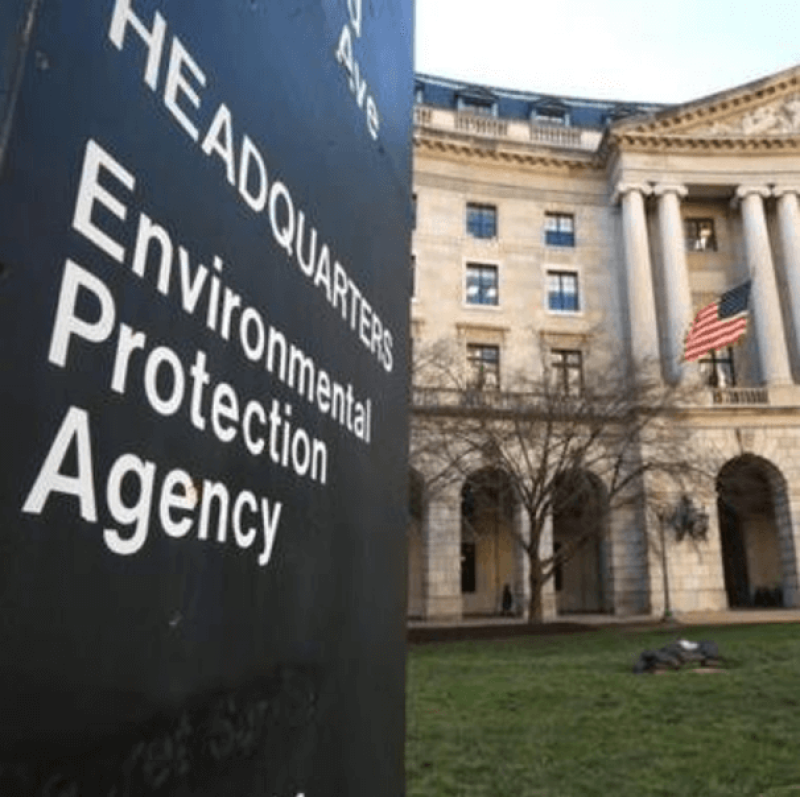
In a move heralded by farmers but panned by environmental groups, the U.S. Environmental Protection Agency is proposing to reapprove the use of neonicotinoids, or “neonics,” pesticides linked to declining populations of bees and other pollinators.

The EPA also published a final interim decision allowing the continued use of glyphosate, the key ingredient in Monsanto’s heavily used Roundup herbicide. Glyphosate use is restricted in many countries over fears of its impacts on human health.

[Editor’s note: Read the GLP’s FAQs about glyphosate and neonicotinoids to learn more.]

The agriculture industry cheered the announcements [the last week of January], saying they would give farmers more tools to protect crops, while environmentalists raised alarms about impacts on human health and wildlife.

“Trump’s EPA listens only to the pesticide pushers who’re profiting off disastrous pollinator declines,” said Lori Ann Burd, director of the environmental health program at the Center for Biological Diversity.

Janell Percy, the executive director of Growing Coachella Valley, which advocates on behalf of agriculture, said it would be “devastating” if farmers lost access to these chemicals.

“It costs millions upon millions of dollars to register a pesticide in the United States, and the manufacturers are just not putting the money into it,” she said.


Read the original post

{{ reviewsTotal }}{{ options.labels.singularReviewCountLabel }}
{{ reviewsTotal }}{{ options.labels.pluralReviewCountLabel }}
{{ options.labels.newReviewButton }}
{{ userData.canReview.message }}

Related Articles

Infographic: Global regulatory and health research agencies on whether glyphosate causes cancer

Infographic: Global regulatory and health research agencies on whether glyphosate causes cancer

Does glyphosate—the world's most heavily-used herbicide—pose serious harm to humans? Is it carcinogenic? Those issues are of both legal and ...

Most Popular

Picture1
The FDA couldn’t find a vaccine safety crisis, so it buried its own research
Screenshot-2026-04-22-at-12.21.32-PM
Viewpoint: Why the retracted Monsanto glyphosate study doesn’t change the science—the world’s most popular herbicide is safe 
ChatGPT-Image-May-7-2026-01_23_27-PM-2
Viewpoint: Will AI democratize personalized cancer treatment or fuel medical misinformation?
vax-misinformation-main
Facts & Fallacies Podcast: Limit free speech to blunt social media misinfo?
ChatGPT-Image-Apr-16-2026-02_56_53-PM
Financial incentives, over diagnosis, and weak oversight: Autism claims are driving up Medicare costs
ChatGPT-Image-May-1-2026-11_42_59-AM-2
Viewpoint: NAD is the wellness grifters latest evidence-lite longevity fad. At least the mice are impressed.
ChatGPT-Image-May-12-2026-11_27_01-AM-2
AI likely to improve health care, research shows—but not for blacks and ethnic minorities
global warming
‘Implausible’: Top climate scientists reject worst-case scenario—soaring temperatures and fast-rising sea levels
Screenshot-2026-04-13-at-1.39.26-PM
Viewpoint: ‘Safer for children?’ Stonyfield yogurt under fire for deceptive organic marketing
modi visit sikkim
Viewpoint: Indian PM wants farmers to switch to 50% organic. It would take at least 10 years, likely won’t work, and isn’t more sustainable
glp menu logo outlined

Get news on human & agricultural genetics and biotechnology delivered to your inbox.