Viewpoint: We can’t trust research about the benefits of marijuana if the studies are industry funded

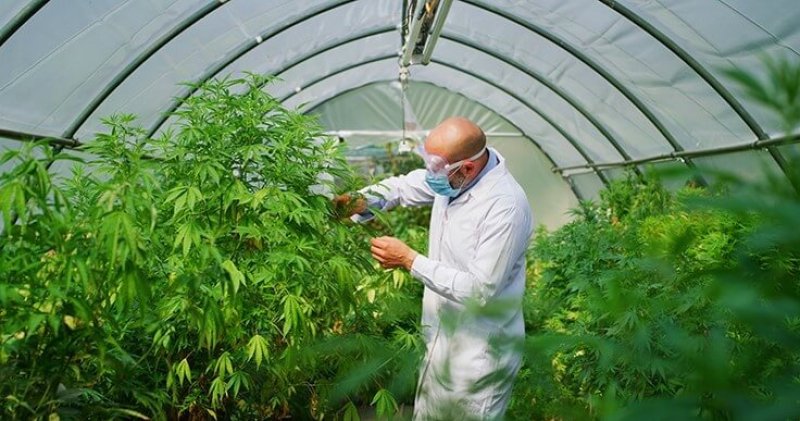
scientist in greenhouse adobe stock credit hquality resized
Credit: Adobe

Imagine that scientists charged with doing research on tobacco’s health implications were funded by tobacco companies. (In fact, the tobacco industry used this tactic for decades to cast doubt on the adverse health effects of smoking.) But today it would be an outrageous conflict of interest — research on addictive drugs shouldn’t be paid for by people who stand to profit from selling them. Yet this is exactly what is happening with cannabis.

variety of studies have shown that funding from industry can bias results. This holds true whether the studies are about pharmaceuticals, medical devices, or artificially-sweetened beverages. Industry funders can keep researchers focused on questions that may yield benefits for them, such as medicinal uses of cannabis, and away from unprofitable ideas, like reining in social media bots spreading unproven cannabis-related health claims.

It comes as no surprise that academics funded by the cannabis industry have advocated for potential therapeutic benefits of the plant in medical journals and the media.

Academic research on cannabis should be supported by disinterested public funding agencies, as the National Institutes of Health is doing, so researchers are not pressured or incentivized based on their ability to design industry-friendly studies.


Read the original post

{{ reviewsTotal }}{{ options.labels.singularReviewCountLabel }}
{{ reviewsTotal }}{{ options.labels.pluralReviewCountLabel }}
{{ options.labels.noReviewsLabel }}
{{ options.labels.newReviewButton }}
{{ userData.canReview.message }}

Related Articles

Infographic: Global regulatory and health research agencies on whether glyphosate causes cancer

Infographic: Global regulatory and health research agencies on whether glyphosate causes cancer

Does glyphosate—the world's most heavily-used herbicide—pose serious harm to humans? Is it carcinogenic? Those issues are of both legal and ...

Most Popular

ChatGPT-Image-Jul-10-2026-12_21_03-PM
Viewpoint: Is there new evidence that the animal deworming drug ivermectin decreases the risk of Covid and cancer? Don’t waste your money.
Screenshot-2026-07-09-at-1.09.25-PM
Anti-vaccine myths rattle health care
leeteam
How Kennedy and his family could pocket millions from Merck’s $50 million vaccine injury settlement that he oversaw
ChatGPT-Image-Mar-10-2026-01_39_01-PM
Viewpoint—“Miracle molecule” debunked: Why acemannan supplements don’t work
Screenshot-2026-07-30-at-3.07.42-PM
Controversy over WNBA star Sophie Cunningham’s comment opposing trans females in women’s sports reinvigorates the culture wars
Screenshot-2026-07-30-at-2.30.35-PM
Climate scientists claim conservative activists are promoting ‘lies’ that Europe’s summer heatwaves are far from unusual
Picture1
Hiroshima at 81: America’s new nuclear bomb, a buried Iranian target, and a question no one wants to ask
ChatGPT Image Jul 29, 2026, 05_50_04 PM
Fear, science, and the law: If talc powder is unlikely to cause cancer and J&J was winning in court, why did it pay more than $5.5 billion to settle?
ChatGPT-Image-Jun-25-2026-12_23_17-PM
No, Bill Gates did not secretly engineer ticks to promote veganism
ChatGPT Image Jul 29, 2026, 12_05_21 PM
AI-generated physicians promoting bogus cures and worthless supplements surge on social media

Sorry. No data so far.

glp menu logo outlined

Get news on human & agricultural genetics and biotechnology delivered to your inbox.