Targeting super bacteria with artificial intelligence yields ‘powerful’ discovery

http com ft imagepublish upp prod us s amazonaws
Credit: Brian Snyder/Reuters

We’re now facing the emergence of strains of super bacteria resistant to one or more antibiotics and an aging arsenal to fight them with. Gone unchallenged, an estimated 700,000 deaths worldwide due to drug resistance could rise to as many as 10 million in 2050.

Increasingly, scientists warn the tide is turning, and we need a new strategy to keep pace with the remarkably quick and boundlessly creative tactics of bacterial evolution.

But where the golden age of antibiotics was sparked by serendipity, human intelligence, and natural molecular weapons, its sequel may lean on the uncanny eye of artificial intelligence to screen millions of compounds—and even design new ones—in search of the next penicillin.

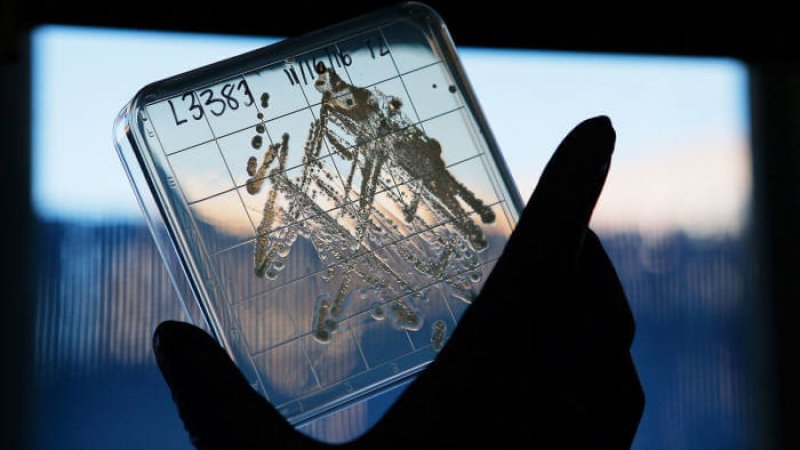
In a paper published [February 20] in the journal, Cell, MIT researchers took a step in this direction. The team says their machine learning algorithm discovered a powerful new antibiotic.

Named for the AI in 2001: A Space Odyssey, the antibiotic, halicin, successfully wiped out dozens of bacterial strains, including some of the most dangerous drug-resistant bacteria on the World Health Organization’s most wanted list. …

“I think this is one of the more powerful antibiotics that has been discovered to date,” James Collins, an MIT professor of bioengineering and senior author told The Guardian.


Read the original post

Related Articles

Infographic: Global regulatory and health research agencies on whether glyphosate causes cancer

Infographic: Global regulatory and health research agencies on whether glyphosate causes cancer

Does glyphosate—the world's most heavily-used herbicide—pose serious harm to humans? Is it carcinogenic? Those issues are of both legal and ...

Most Popular

ChatGPT-Image-Mar-10-2026-01_39_01-PM
Viewpoint—“Miracle molecule” debunked: Why acemannan supplements don’t work
Teal Hexagon Technology Icons
4 key ways the Blue Wave will upend science policy
Supplement Rain Wellness Illustration
Viewpoint: Bedeviled by “toxic inflammation”? How wellness grifters turn this scientific gray zone into a supplement jackpot
Aerial Sprayer Over Gradient Fields
Farming, food, and chemicals: Post-midterms, the MAHA alliance between Democrats and MAGA Republicans is bruised but not cowed. What comes next?
Confident Doctor in Clinical Setting
More than 80% of ‘pro-science’ candidates were swept into office. Will they have a policy impact?
Wave Crest Over Red Cross
Viewpoint: Here are the election-inspired Trump administration healthcare policy reversals expected in the coming months
Stacked Protest Signs on Concrete Ledge
Voters hate AI data centers, yet they are crucial to establishing a critical technology. So what’s next?
Microscopic IVF Egg Injection
With technical barriers to human embryo editing falling, ethical concerns escalate
Screenshot-2026-11-05-at-1.20.54-PM
$7.35 billion PFAS settlement: 3M to pay people who blame health problems on ‘forever chemicals’ phased out of firefighting foam for more than 20 years
Protect-Womens-Sports-at-the-Capitol
Blue, purple and red states passed or reaffirmed bans on trans females competing in women’s sports
Democratic Donkey Plowing at Sunset
Viewpoint: Democratic tsunami: As the red tide recedes, here are the most likely shifts in food and agricultural policy
Bayer Crop Circle in Golden Wheat
Making fertilizer from thin air: Bayer’s gene-editing innovation could dramatically cut chemical fertilizer use in growing food
glp menu logo outlined

Get news on human & agricultural genetics and biotechnology delivered to your inbox.