With consumers still fearful of synthetic chemicals, biotech firms spend billions on biopesticide development

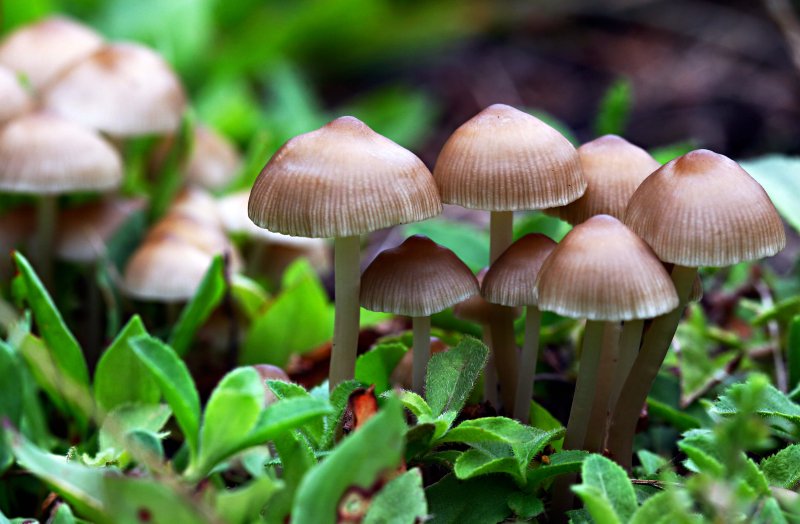
baby mushrooms
mushroom-based biopesticides could cut environmental damage from synthetic chemicals

Major players like Bayer and start-up companies are spending billions to identify fungi, bacteria and organic compounds in plants that can control the pests (weeds, insects and diseases) that plague producers of wheat, canola, potatoes, apples and other crops.

…

“The global biopesticides market size was valued at US$3.36 billion in 2017 (and) is projected to reach $10.19 billion by the end of 2025, exhibiting a (growth rate) of 14.93 percent during the forecast period,” said Fortune Business Insights, in a 2019 report.

Despite such rosy forecasts, many questions surround biopesticides. Can they perform on big acreage farms? Will they be effective in harsh climates like Western Canada?

…

Over the next 10 years or so, bio-pesticides will be used in tandem with synthetic pesticides and could replace them for certain situations …. In the longer term, 15-20 years from now, a lot depends on public sentiment.

If consumer hostility ramps up and there are more legal threats to chemical pesticides, bio-pesticides could supplant synthetics.

“If you think of Syngenta and Bayer, both those organizations are investing billions into natural (and) bio-pesticides,” [ said Colin Bletsky, chief operating officer of MustGrow Biologics Corp.] “Over the long-term, you are going to see new things (products) and that cost come down.”

Read the original post

Related Articles

Infographic: Global regulatory and health research agencies on whether glyphosate causes cancer

Infographic: Global regulatory and health research agencies on whether glyphosate causes cancer

Does glyphosate—the world's most heavily-used herbicide—pose serious harm to humans? Is it carcinogenic? Those issues are of both legal and ...

Most Popular

ChatGPT-Image-Mar-10-2026-01_39_01-PM
Viewpoint—“Miracle molecule” debunked: Why acemannan supplements don’t work
Screenshot-2026-10-07-at-1.03.15-PM
Anti-vaxxers’ double whammy: Exaggerated vaccine fears have fueled measles outbreaks and preventable deaths—and left survivors more vulnerable to other infections for years
Crossed-Out-Calendar-with-Milk-Carton
Viewpoint: The shocking consequences after a year of Robert F. Kennedy Jr.'s distortions, deceptions, and flat-out falsehoods
Frosted Blueberries Under Magnification
MAHA moms divided over RFK Jr.’s food‑safety efforts, as recall alerts grow and outbreaks spread
Pride and Patriotism in the Breeze
Retreat from identity labels: Does the sharply declining number of young teens identifying as gay and bisexual reflect an ideological shift?
Screenshot-2026-10-08-at-10.41.33-AM
Viewpoint: Wellness patches: Most vitamin supplements are useless and sometimes even dangerous, but this craze is even worse
Screenshot-2026-10-13-at-10.35.49-AM
Challenging health misinformation? People are more likely to believe AI when it responds with empathy
Cross and Syringe Standoff
Viewpoint: Hijacking Jesus: How anti-vaccine fanatics are exploiting religious exemptions and killing children
Golden Wheat Under a Starry Sky
Viewpoint: ‘Bureaucratic and economic obstacles’ to agricultural biotechnology: Europe creeps into the 21st century, but blocks remain
Screenshot-2026-10-12-at-10.44.38-AM
Widely condemned as unethical, hepatitis B vaccine study funded by RFK Jr’s CDC gets a final greenlight
Prescription Capsules Scattered on Twenty-Dollar Bills
Facts & Fallacies podcast: America's health care system is broken. A doctor explains how to fix it, Part 2
Screenshot-2026-09-22-at-12.26.15-PM
‘Forever chemical’ concerns: Separating hysteria from reasonable concern in the debate over PFAS danger
Deepfake Democracy Media Mosaic
31 states have passed a patchwork of laws to limit election deepfake commercials. They’re not working very well.
glp menu logo outlined

Get news on human & agricultural genetics and biotechnology delivered to your inbox.