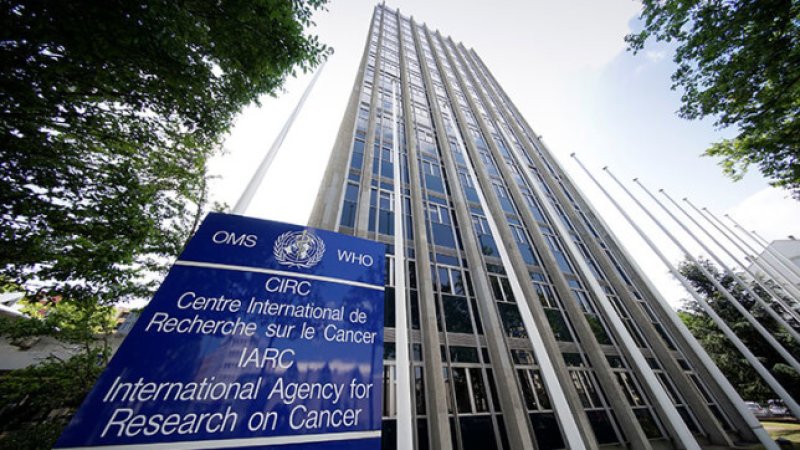

The World Health Organization’s International Agency for Research on Cancer] IARC is supposed to be a scientific program that classifies chemicals according to carcinogenic risks, but its process has proven highly flawed and susceptible to political, rather than merely scientific concerns. IARC’s faulty conclusions can create serious problems, including bans on useful products, market deselection of such products, and public confusion about cancer risks.
IARC receives funding from member states and has a two-year budget. During 2018-2019 IARC reports a budget of €44.1 million (near $50 million in 2020 dollars), of which the United States was assessed to pay more than €3.3 million (almost $3.6 million in 2020 dollars).
…
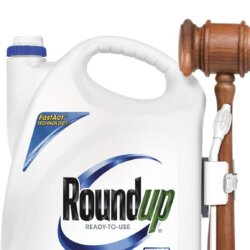
The 2015 classification of the weed killer glyphosate as “probably carcinogenic to humans” offers an egregious example of a classification tainted by political agendas. This classification—in addition to being only a meaningless hazard assessment—is out of line with nearly every other assessment conducted by regulatory bodies and academic researchers around the world.

…
The International Agency for Research on Cancer’s classification scheme is fatally flawed and incapable of providing meaningful information for policy makers or consumers. Worse, its increasingly political nature indicates that reform is unlikely to solve these problems. It makes no sense for U.S. taxpayers to fund IARC. Pulling funding would be a helpful message to the world that IARC’s nonsensical classifications should be disregarded.