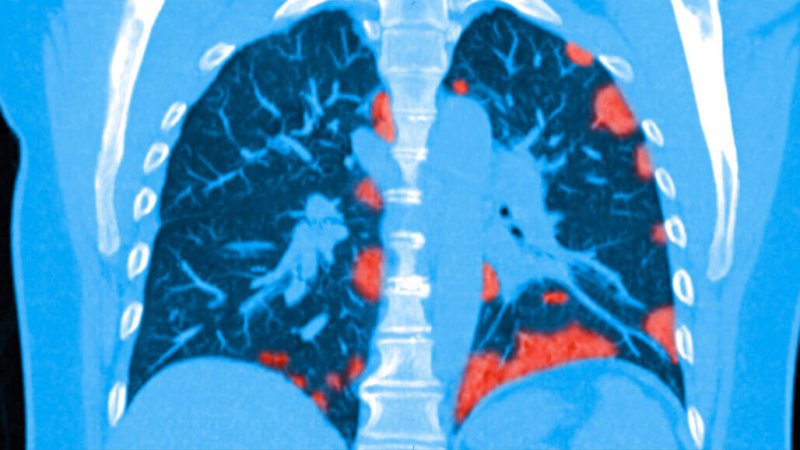
From lung scarring to heart damage, COVID-19 affects the body long after the virus is gone

dc covid lungs feat x
Credit: Steven Needell/Science Source

Because Covid-19 is a new disease, there are no studies about its long-term trajectory for those with more severe symptoms; even the earliest patients to recover in China were only infected a few months ago. But doctors say the novel coronavirus can attach to human cells in many parts of the body and penetrate many major organs, including the heart, kidneys, brain, and even blood vessels.

“The difficulty is sorting out long-term consequences,” says Joseph Brennan, a cardiologist at the Yale School of Medicine. While some patients may fully recover, he and other experts worry others will suffer long-term damage, including lung scarring, heart damage, and neurological and mental health effects.

The UK National Health Service assumes that of Covid-19 patients who have required hospitalization, 45 percent will need ongoing medical care, 4 percent will require inpatient rehabilitation, and 1 percent will permanently require acute care. Other preliminary evidence, as well as historical research on other coronaviruses like [SARS] and [MERS] suggests that for some people, a full recovery might still be years off. For others, there may be no returning to normal.

“I felt imprisoned within my body, imprisoned within my home, and tremendously ignored and misunderstood by the general public, and even those closest to me,” [Lauren] Nichols says about her battle with Covid-19. “I feel incredibly alone.”


Read the original post

{{ reviewsTotal }}{{ options.labels.singularReviewCountLabel }}
{{ reviewsTotal }}{{ options.labels.pluralReviewCountLabel }}
{{ options.labels.newReviewButton }}
{{ userData.canReview.message }}

Related Articles

Infographic: Global regulatory and health research agencies on whether glyphosate causes cancer

Infographic: Global regulatory and health research agencies on whether glyphosate causes cancer

Does glyphosate—the world's most heavily-used herbicide—pose serious harm to humans? Is it carcinogenic? Those issues are of both legal and ...

Most Popular

Screenshot-2026-04-22-at-12.21.32-PM
Viewpoint: Why the retracted Monsanto glyphosate study doesn’t change the science—the world’s most popular herbicide is safe 
ChatGPT-Image-Apr-16-2026-02_56_53-PM
Financial incentives, over diagnosis, and weak oversight: Autism claims are driving up Medicare costs
Picture1
The FDA couldn’t find a vaccine safety crisis, so it buried its own research
ChatGPT-Image-May-1-2026-11_42_59-AM-2
Viewpoint: NAD is the wellness grifters latest evidence-lite longevity fad. At least the mice are impressed.
global warming
‘Implausible’: Top climate scientists reject worst-case scenario—soaring temperatures and fast-rising sea levels
Screenshot-2026-05-21-at-12.15.17-PM
UK gene-editing milestone: Livestock barley that increases ruminant value and reduces methane emissions is first-approved CRISPR crop

Sorry. No data so far.

glp menu logo outlined

Get news on human & agricultural genetics and biotechnology delivered to your inbox.