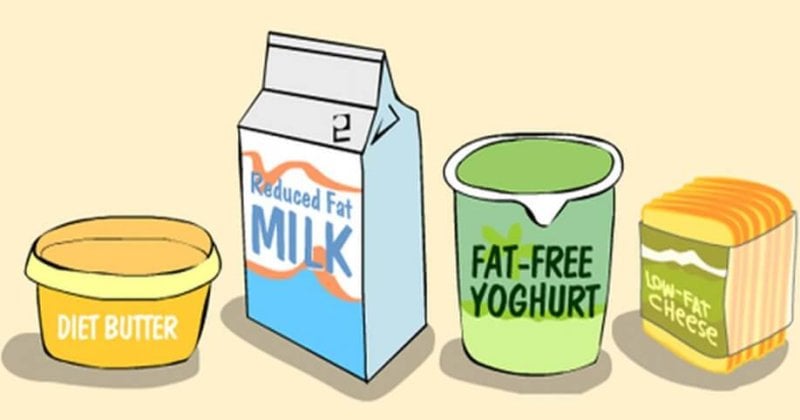
Podcast: How 1970s fat-free fad launched organic, non-GMO and other ‘absurd’ labeling schemes

fat free foods fb x
Credit: Daily Health Post
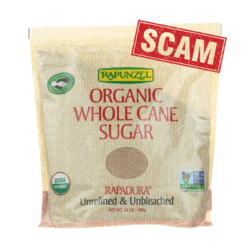
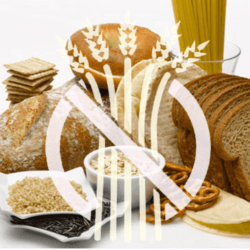
Go walk the aisles of your local grocery store and see how many products are being marketed for what they are ยญnot. Fat Free, Sugar Free, Gluten Free, Non-GMO, Cage Free, Antibiotic-free, Hormone-free, and on and on. This massive assortment of food labels demonstrates one thing: wealthy, Western consumers have been duped into buying pricier food with no additional nutritional benefits.

For millennia, people have often struggled to have sufficient food and sadly, based on a 2018 report from the World Health Organization, there are still around 821 million people in our world that are hungry. These fellow humans just need food for what it isโ€”a source of nutrition.

Even the privileged need our food to be what it is, to provide us energy, vitamins, minerals, fiber and all sorts of health-promoting compounds. I recently went to pick up a few things at a Ralphs supermarket and I could not find a cart without a placard on it that said, โ€œSimple truth, proud of whatโ€™s not in our food.โ€ Of course, they mean pesticide residues, GMOs, anything that might help farmers to feed consumers. I will never shop at that store again, as with my previous decision never to shop at Whole Foods.

So, how did this whole food labeling gimmick start? Why are we constantly advertising food for what it is not?ย  Epidemiologists in the 1960s looking at data about lifestyles and heart disease concluded that the typical American diet was high in saturated fats and cholesterol, which was why heart attack rates were so high in our country. In the 1970s, the U.S. Dietary Goals advised Americans to cut back on fat and eat more carbs to lower the risk of heart disease.It later turned out that if they had included more of the available dietary data by nationality, they might not have reached that conclusion.
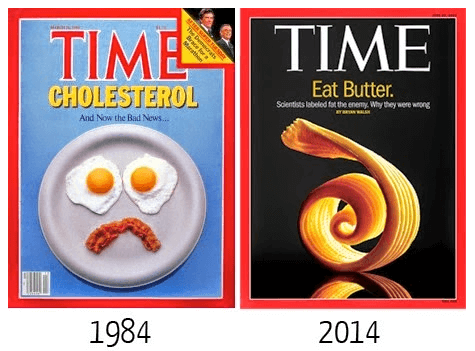
time mag
Image: IDM Program

Americans got used to paying attention to implied health claims on the front label, and those began to proliferate. The soybean processing industry started promoting the label, โ€œcontains no tropical oilsโ€ because their international competitors who supplied coconut and palm oil fell into the โ€œsaturated fatโ€ category.

This sort of barely regulated kind of marketing expanded to other โ€œhealth demonsโ€ which eventually included sugar, antibiotics, hormones, gluten and GMOs. Let’s explore the absurdity of marketing foods based on what they do not contain.

Steve Savage is a plant pathologist and senior contributor to the GLP. Follow him on Twitter @grapedoc


{{ reviewsTotal }}{{ options.labels.singularReviewCountLabel }}
{{ reviewsTotal }}{{ options.labels.pluralReviewCountLabel }}
{{ options.labels.newReviewButton }}
{{ userData.canReview.message }}

Related Articles

Infographic: Global regulatory and health research agencies on whether glyphosate causes cancer

Infographic: Global regulatory and health research agencies on whether glyphosate causes cancer

Does glyphosateโ€”the world's most heavily-used herbicideโ€”pose serious harm to humans? Is it carcinogenic? Those issues are of both legal and ...

Most Popular

Picture1
The FDA couldnโ€™t find a vaccine safety crisis, so it buried its own research
Screenshot-2026-04-22-at-12.21.32-PM
Viewpoint: Why the retracted Monsanto glyphosate study doesnโ€™t change the scienceโ€”the worldโ€™s most popular herbicide is safeย 
ChatGPT-Image-May-7-2026-01_23_27-PM-2
Viewpoint: Will AI democratize personalized cancer treatment or fuel medical misinformation?
ChatGPT-Image-May-1-2026-11_42_59-AM-2
Viewpoint: NAD is the wellness grifters latest evidence-lite longevity fad. At least the mice are impressed.
global warming
โ€˜Implausibleโ€™: Top climate scientists reject worst-case scenarioโ€”soaring temperatures and fast-rising sea levels
ChatGPT-Image-Apr-16-2026-02_56_53-PM
Financial incentives, over diagnosis, and weak oversight: Autism claims are driving up Medicare costs
vax-misinformation-main
Facts & Fallacies Podcast: Limit free speech to blunt social media misinfo?
ChatGPT-Image-May-12-2026-11_27_01-AM-2
AI likely to improve health care, research showsโ€”but not for blacks and ethnic minorities
Screenshot-2026-05-21-at-3.15.53-PM
Chiropractors may no longer be modern-day snake oil salesmen, but the benefits of their therapy are limitedโ€“at best
Screenshot-2026-05-21-at-12.15.17-PM
UK gene-editing milestone: Livestock barley that increases ruminant value and reduces methane emissions is first-approved CRISPR crop
glp menu logo outlined

Get news on human & agricultural genetics and biotechnology delivered to your inbox.