Epigenetics mystery: Can environment-induced changes be passed on?

introepigenetics x

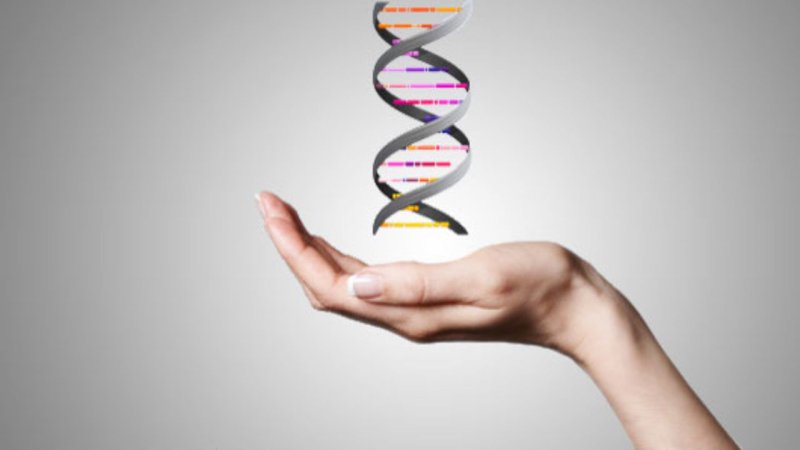
Israeli researchers have discovered that laboratory worms transfer information about their parents’ physical environment through small RNA molecules that occur “independently of changes to the DNA sequence,” explains Prof. Oded Rechavi, a neurobiologist studying worms and epigenetics at the Sagol School of Neuroscience at Tel Aviv University.

In a previous study, Rechavi found that worms can give their offspring a survival boost by transferring information concerning viral infection, nutrition and even brain activity.

In the end, the researchers were able to delineate three laws that may explain who inherits epigenetic information – for worms today, maybe humans tomorrow.

First law: Inheritance is uniform in worms descending from the same mother.

Follow the latest news and policy debates on sustainable agriculture, biomedicine, and other ‘disruptive’ innovations. Subscribe to our newsletter.

Second law: Inheritance is different in worms from different mothers, even though the mothers are supposedly identical. The researchers now understood that this is because the descendants randomly adopt different “internal states” that determine the duration of inheritance and thus the fate of subsequent generations.

Third law: The greater the number of generations in a specific lineage that inherits a trait, the greater the probability that it will continue on to the next generation as well.

“We hope that the mechanism we have discovered exists in other organisms as well, but we’ll just have to be patient,” Rechavi cautions.


Read the original post

{{ reviewsTotal }}{{ options.labels.singularReviewCountLabel }}
{{ reviewsTotal }}{{ options.labels.pluralReviewCountLabel }}
{{ options.labels.newReviewButton }}
{{ userData.canReview.message }}

Related Articles

Infographic: Global regulatory and health research agencies on whether glyphosate causes cancer

Infographic: Global regulatory and health research agencies on whether glyphosate causes cancer

Does glyphosate—the world's most heavily-used herbicide—pose serious harm to humans? Is it carcinogenic? Those issues are of both legal and ...

Most Popular

Screenshot-2026-05-01-at-1.29.41-PM
Viewpoint: What happens when whole grains meet modern food manufacturing? Labels don’t tell the whole story.
S
As vaccine rejectionism spreads, measles may be taking a more dangerous turn
ChatGPT-Image-Mar-27-2026-11_47_30-AM-2
FDA’s expedited drug reviews are hailed in some quarters but other approval practices are problematic
Screenshot 2026-05-06 at 2.56
Singularity crisis ahead? Can super babies save us from rogue AI geniuses?
Screenshot-2026-04-20-at-2.26.27-PM
Viewpoint — Food-fear world: The latest activist scientists campaign: Cancer-causing additives
Farmers can talk to plants
Farmers are a major source of misinformation—about farming
Screenshot-2026-05-06-at-2.07.43-PM
Manufacturing a conspiracy: The timeline of how  the White House embraced the fringe claim that scientists are being mysteriously murdered
Screenshot-2026-04-30-at-2.19.37-PM
5 myths about summer dehydration that could damage your health — or even kill you
Screenshot-2026-03-13-at-12.14.04-PM
The FDA wants to make many popular prescription drugs OTC—a great idea. Here’s why it’s unlikely to happen
Screenshot 2026-05-06 at 2.19
Vaccine shootout at the CDC 
Screenshot-2026-04-12-135256
Bixonimania: The fake disease scam that AI swallowed whole
glp menu logo outlined

Get news on human & agricultural genetics and biotechnology delivered to your inbox.