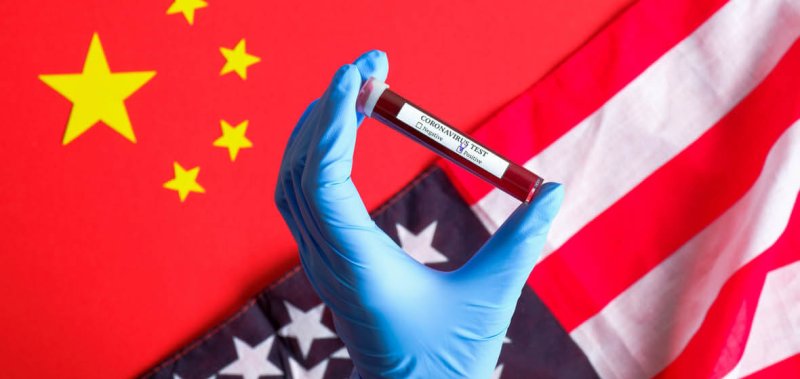
US and China buck WHO-backed global effort to expand access to COVID vaccine

hot topic
Credit: LSJ

Countries representing about 64% of the world population have signed up to expand global access to Covid-19 vaccines by funding a purchasing pool organized by the World Health Organization and other nonprofit groups, leaders of the effort announced [September 21].

Not among the countries: the United States, which had previously said it is not taking part in the so-called COVAX Facility, or Russia nor China, both of which have already issued emergency use licenses for Covid-19 vaccines.

Still, a total of 156 countries have committed to joining the effort, which hopes to purchase 2 billion doses of vaccine by the end of 2021. Of participating countries, 64 are higher-income nations, whose participation is critical to ensuring the financial feasibility of the effort.

Follow the latest news and policy debates on sustainable agriculture, biomedicine, and other ‘disruptive’ innovations. Subscribe to our newsletter.

The initiative is being organized by Gavi, the Vaccine Alliance and the Coalition for Epidemic Preparedness Innovations, in addition to the WHO. The Trump administration cited the involvement of the WHO, which it plans to withdrawal from by next July, as its reason for not participating.

“Vaccine nationalism will only perpetuate the disease and prolong the global recovery,” WHO Director-General Tedros Adhanom Ghebreyesus said [September 21]. “Working together through the COVAX Facility is not charity, it’s in every country’s own best interests to control the pandemic and accelerate the global economic recovery.”

Tedros said the effort is at a critical point, with only $3 billion committed so far.

Read the original post

{{ reviewsTotal }}{{ options.labels.singularReviewCountLabel }}
{{ reviewsTotal }}{{ options.labels.pluralReviewCountLabel }}
{{ options.labels.newReviewButton }}
{{ userData.canReview.message }}

Related Articles

Infographic: Global regulatory and health research agencies on whether glyphosate causes cancer

Infographic: Global regulatory and health research agencies on whether glyphosate causes cancer

Does glyphosate—the world's most heavily-used herbicide—pose serious harm to humans? Is it carcinogenic? Those issues are of both legal and ...

Most Popular

Picture1
The FDA couldn’t find a vaccine safety crisis, so it buried its own research
Screenshot-2026-04-22-at-12.21.32-PM
Viewpoint: Why the retracted Monsanto glyphosate study doesn’t change the science—the world’s most popular herbicide is safe 
ChatGPT-Image-May-7-2026-12_32_36-PM
Viewpoint: The state of U.S. vaccine policy? Dismal nationally, but some states are stepping up.
Screenshot-2026-04-22-at-10.46.29-AM
Viewpoint: How to counter science disinformation? Science journalist offers 12 practical tips
Screenshot-2026-04-13-at-1.39.26-PM
Viewpoint: ‘Safer for children?’ Stonyfield yogurt under fire for deceptive organic marketing
the magic of mRNA
Viewpoint: Anti-vax fake ‘turbo cancer’ claims threaten cancer treatment breakthroughs
ChatGPT-Image-May-7-2026-12_16_37-PM-2
Viewpoint: Are cancer rates ‘skyrocketing’ as RFK, Jr. and MAHA claim? The evidence says mostly the opposite
placebo
Viewpoint — Alternative medicine and the placebo effect: Selling a reassuring illusion of health
Defense_Secretary_Ash_Carter_tours_the_Microsoft_Cybercrime_Center_in_Seattle_March_3_2016
How criminals are using AI to target social media users and steal their money and confidential data
ChatGPT-Image-May-18-2026-01_45_05-PM-2
Newest hantavirus conspiracy: Online disinformation turns outbreak into latest ivermectin grift
artificial intelligence brain think illustration md
Viewpoint — Digital gods and human extinction: Will we be the first species ever to design our own descendants?
_20250221_nib_rfk_trump
Viewpoint: 'Crisis of public trust': Autism support community shocked RFK continues to peddle false claims about the danger of vaccines
glp menu logo outlined

Get news on human & agricultural genetics and biotechnology delivered to your inbox.