Trust in scientists high globally, Pew survey finds, but public still skeptical of GM crops

e

The good news is that thereโ€™s widespread trust in scientists and a strong desire to act on their findings on issues like climate change. But …. [s]ome of the outcomes of scientific development, such as genetically modified foods, are widely mistrusted by the public in most countries. And, in many countries, thereโ€™s a large partisan divide in views of scientistsโ€”and the divide is the most extreme in the United States.

The top-line question was how much trust people have in scientists doing the right thing. Respondents were given the following options: โ€œa lot,โ€ โ€œsome,โ€ โ€œnot too much,โ€ and โ€œnone at all.โ€ India was the country where people had the most trust in scientists, with about 60 percent saying they had a lot. That was followed by a large collection of European countries, with the United States falling in the middle of the pack.

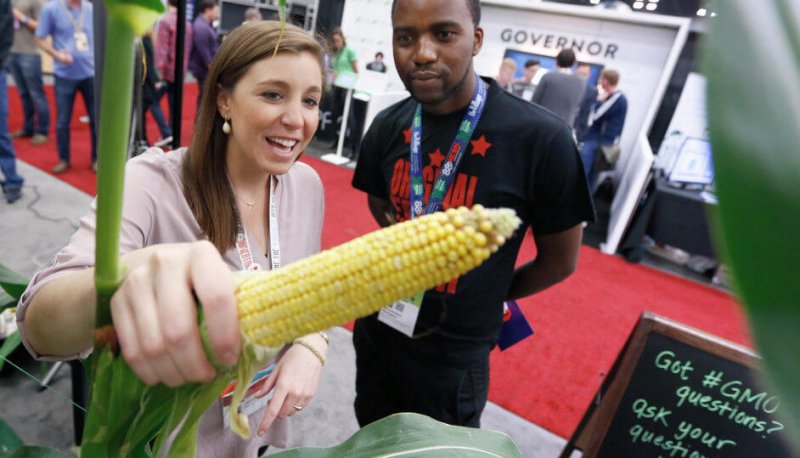
But the biggest gap came when food technology was considered. Almost nobody considered genetically modified foods safe, with a median percentage of only 13 and the absolute peak of support coming in Australia at 31 percent. By contrast, there were eight countries in which more than half the public said GMOs were unsafe, despite the complete absence of any evidence for this claim. But itโ€™s not just GMOs; the numbers were remarkably similar when the use of pesticides or artificial preservatives were asked about ….


Read the original post

{{ reviewsTotal }}{{ options.labels.singularReviewCountLabel }}
{{ reviewsTotal }}{{ options.labels.pluralReviewCountLabel }}
{{ options.labels.newReviewButton }}
{{ userData.canReview.message }}

Related Articles

Infographic: Global regulatory and health research agencies on whether glyphosate causes cancer

Infographic: Global regulatory and health research agencies on whether glyphosate causes cancer

Does glyphosateโ€”the world's most heavily-used herbicideโ€”pose serious harm to humans? Is it carcinogenic? Those issues are of both legal and ...

Most Popular

ChatGPT-Image-Jun-16-2026-10_29_11-AM
Whatโ€™s behind Anthropicโ€™s warning about the accelerating development of AI
Screenshot-2026-06-16-at-10.02.22-PM
Viewpoint: โ€˜Industrial foodโ€™ primerโ€”Challenging the dangerous delusions of the alternative food movement
ChatGPT-Image-Jun-16-2026-10_01_45-AM-2
Viewpointโ€”Recursive self-improvement: AI leader Anthropic calls for AI slowdown
ChatGPT-Image-Jun-9-2026-01_11_37-PM
Turmeric supplements: More risks than benefits
Screenshot-2026-06-17-at-11.57.12-AM
Viewpoint: Raw milk and the myth of safetyโ€”ProPublica exposes the growing anti-homogenization movement
newborn infant baby mother
Facts & Fallacies Podcast: The truth about vitamin K shots
ChatGPT-Image-Jun-15-2026-02_31_28-PM-2
Trump-appointed cancer panel head backed by supplement and anti-vaccine companies promotes discredited support forย ivermectin as a potential cure
ChatGPT-Image-Jun-4-2026-03_07_27-PM
AAP v. Kennedy: While a court challenge grinds on, RFK Jr. quietly advances his anti-vaccine conspiracy agenda
ChatGPT-Image-Mar-10-2026-01_39_01-PM
Viewpointโ€”โ€œMiracle moleculeโ€ debunked: Why acemannan supplements donโ€™t work
Screenshot-2026-06-16-at-11.23.32-AM
In a rebuke to RFK, Jr.โ€™s anti-vax crusade, journal retracts study claiming hepatitis B vaccineโ€“autism link
ChatGPT Image Jun 16, 2026, 12_03_37 PM
Kennedy accused of trying to โ€˜bullyโ€™ science journal that retracted study linking vaccines to infant deaths
Screenshot-2026-06-05-at-2.12.30-PM
Some plants can poison you. So how did humans figure out what is safe to eat?
Screenshot 2025-07-30 at 10.48
Can gene editing eliminate Down syndrome? Scientists have done it in lab-grown cells
glp menu logo outlined

Get news on human & agricultural genetics and biotechnology delivered to your inbox.