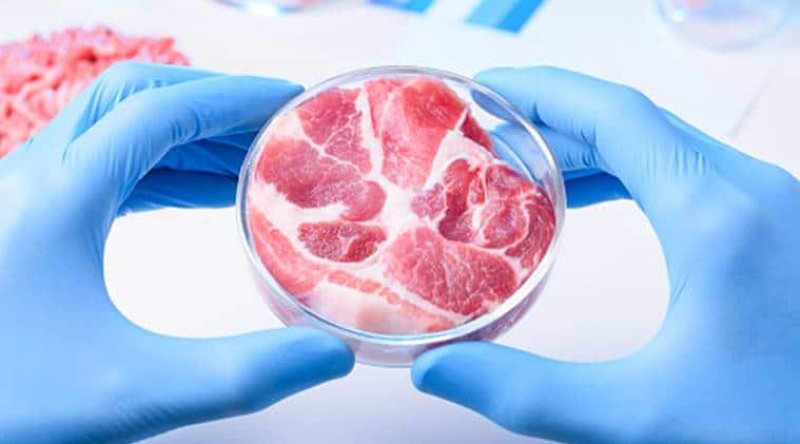
Generation Z accepts GMOs, but 72% not ready to eat lab-grown meat, survey shows

lab grown meat

It wasnโ€™t long ago that a U.S.-based study found that 77 percent of Generation Z are just fine with food produced using technology โ€” particularly notable as it related to genetically engineered crops. The findings were a welcome change, as consumer acceptance is the biggest obstacle for the industryโ€™s adoption of further technology.

However, the acceptance may have its limitations, as new research has found that, despite having a great concern for the environment and animal welfare, 72 percent of Gen Z were not ready to accept lab-cultured meat (often referred to as โ€œfake meatโ€).

The research was done at Australiaโ€™s University of Sydney and Curtin University and is published Sept. 8 in the journal Frontiers in Nutrition. About 2 billion people globally are part of Gen Z, so their influence on agricultural and other sectors is not to be taken lightly.

โ€œOur research has found that Generation Z โ€” those aged between 18 and 25 โ€” are concerned about the environment and animal welfare, yet most are not ready to accept cultured meat and view it with disgust,โ€ said the studyโ€™s lead researcher, Dr Diana Bogueva from the University of Sydneyโ€™s School of Chemical and Biomolecular Engineering.

Read the original post

{{ reviewsTotal }}{{ options.labels.singularReviewCountLabel }}
{{ reviewsTotal }}{{ options.labels.pluralReviewCountLabel }}
{{ options.labels.newReviewButton }}
{{ userData.canReview.message }}

Related Articles

Infographic: Global regulatory and health research agencies on whether glyphosate causes cancer

Infographic: Global regulatory and health research agencies on whether glyphosate causes cancer

Does glyphosateโ€”the world's most heavily-used herbicideโ€”pose serious harm to humans? Is it carcinogenic? Those issues are of both legal and ...

Most Popular

Picture1-5
Science Disinformation Gap: The transatlantic battle over social media and censorship
ChatGPT Image May 10, 2026, 08_16_59 PM 2
Overmedicalization? RFK Jr.โ€™s antidepressant crackdown raises conflict questions over his fee stake in Wisner Baum, the tort firm built on suing drug makers
Screenshot-2026-04-23-at-11.00.36-AM
Regulators' dilemma: Thalidomide, Metformin, and the cost of getting drug approvals wrong
ChatGPT-Image-May-12-2026-08_39_41-PM
GLP podcast: Big Pharma, Big Ag, Big Foodโ€”health harming industries or life-saving innovators?
Screenshot-2026-05-12-at-9.58.31-PM
'He seems fine': Marty Makary out as FDA commissioner
Picture1-1
Cooling the planet with balloons: Could a geoengineering gamble slow global warming?
Picture1-14
When superbugs threaten vulnerable children: Can AI help solve antibiotic resistance?
Screenshot-2026-05-12-at-10.05.11-AM
Pro-vaccine โ€œheroโ€ vs. an anti-vax โ€œvillainโ€: โ€˜Bad Vaxxโ€™ video stirs MAHA backlash
Screenshot-2026-05-11-104424
Hantavirus outbreak research: Trump administration shut down study last year on rodent-to-human transmission
Screenshot 2026-05-11 at 11.30
Despite politicized disinformation, Midwest AI data centers are fueling a solar energy boom
ChatGPT Image May 12, 2026, 10_19_00 AM 2
Viewpointโ€” 'Muscular governance': How authoritarianism is surging corporate-linked energy misinformation
S
As vaccine rejectionism spreads, measles may be taking a more dangerous turn
Screenshot-2026-05-01-at-1.29.41-PM
Viewpoint: What happens when whole grains meet modern food manufacturing? Labels donโ€™t tell the whole story.
glp menu logo outlined

Get news on human & agricultural genetics and biotechnology delivered to your inbox.